Can Salicylic Acid Cause Acne? Understanding Purging vs Breakouts
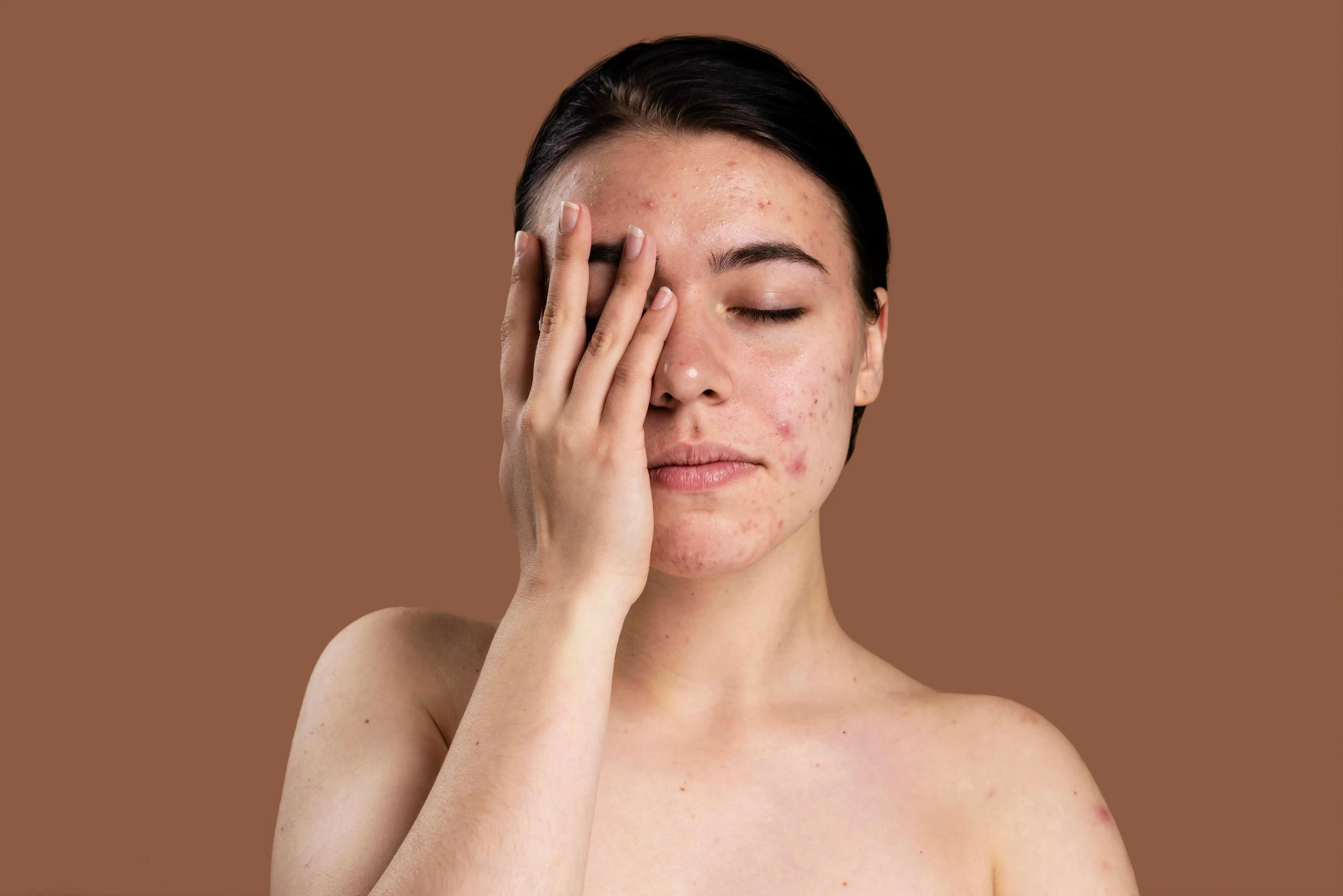
Salicylic acid does not cause acne directly, but it may bring existing clogged pores to the surface faster during the first few weeks of use. Start slowly, moisturise regularly, and avoid combining it with multiple strong exfoliants. Stop and seek dermatology advice if breakouts spread to new areas, persist beyond 6 weeks, or come with burning, swelling, or a rash.
What Is Salicylic Acid and What Does It Actually Do?
Salicylic acid is a beta hydroxy acid (BHA) derived from willow bark, used at concentrations of 0.5%-2% in over-the-counter skincare products. It works by penetrating the pore lining, dissolving excess sebum, and exfoliating dead skin cells from within the follicle.
According to Clear Ritual's formulation team, salicylic acid is one of the most clinically validated ingredients for acne-prone skin, but only when used at the right concentration and frequency.
Key terms to know:
- Purging: A temporary increase in breakouts caused by accelerated skin cell turnover
- Comedolytic: An ingredient that breaks down clogged pores
- BHA: Beta hydroxy acid, oil-soluble, able to penetrate into pores
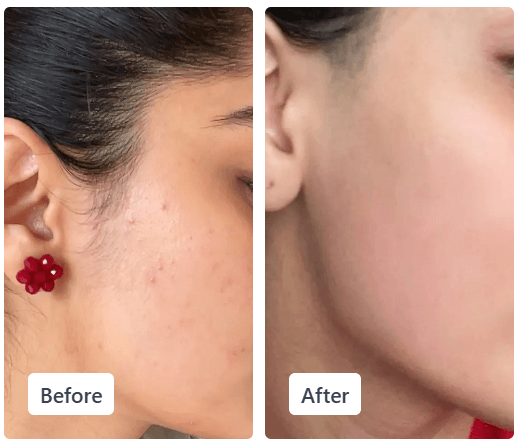
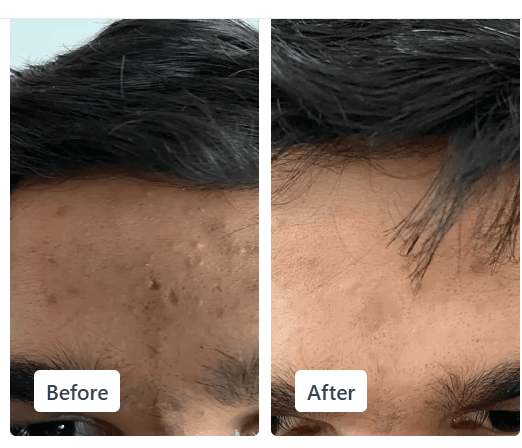
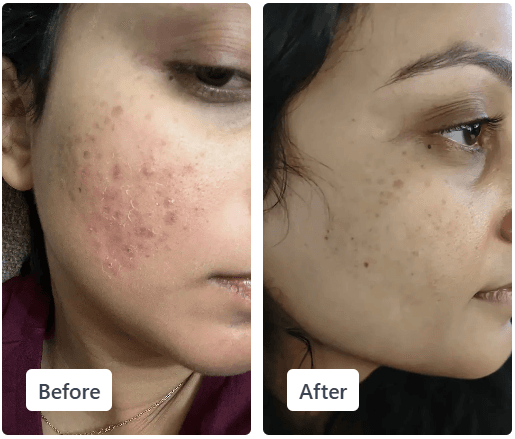
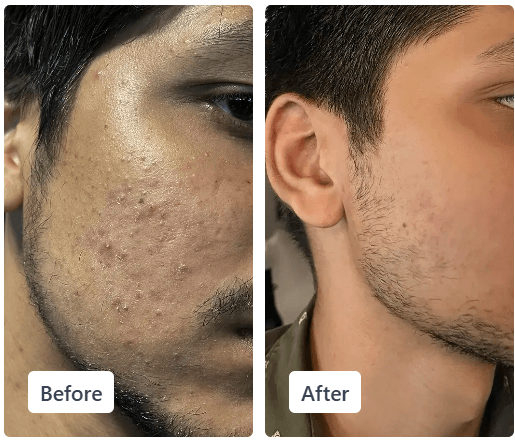
See real results, then start your own
Take the free Clear Ritual Skin Test and get a personalized routine built for your skin's unique patterns.
How Does Salicylic Acid Work Inside the Pore?
Salicylic acid clears acne by working directly inside the follicle, a mechanism that separates it from surface-level exfoliants.
The step-by-step mechanism:
- Penetrates the follicle wall, Salicylic acid is oil-soluble, meaning it bypasses the skin's water barrier and enters the sebum-filled pore directly.
- Breaks down the plug, It dissolves the mix of dead skin cells and oxidised sebum that forms blackheads and whiteheads.
- Reduces inflammation, Salicylic acid inhibits pro-inflammatory prostaglandin synthesis, lowering redness and swelling around active breakouts.
- Accelerates cell turnover, By speeding up desquamation (skin shedding), it forces congestion that was already forming beneath the surface to appear faster.
- Normalises sebum production over time, With consistent use over 6-8 weeks, pore congestion decreases and new breakouts reduce in frequency.
Why Am I Breaking Out After Using Salicylic Acid?
Breaking out after starting salicylic acid is common and, in most cases, is purging, not a sign that the product is harming your skin.
Purging happens because:
- Salicylic acid accelerates the skin cycle from ~28 days to approximately 14-21 days
- Microcomedones (invisible clogged pores forming beneath the surface) are pushed out faster
- Multiple congested follicles surface simultaneously, creating the appearance of a sudden breakout
Purging vs. a true breakout, how to tell the difference:
| Feature | Purging | True Breakout / Reaction |
|---|---|---|
| Location | Where you normally break out | New areas of face/neck/body |
| Timeline | Starts within 1-2 weeks of use | Can occur at any time |
| Duration | Resolves within 4-6 weeks | Persists or worsens over time |
| Appearance | Whiteheads, small pimples | Cysts, hives, rash, or irritation |
| Cause | Increased cell turnover | Allergy, irritation, or wrong concentration |
If breakouts appear in entirely new locations, worsen after 6 weeks, or are accompanied by burning or rash, discontinue use and consult a dermatologist.
See real results, then start your own
Take the free Clear Ritual Skin Test and get a personalized routine built for your skin's unique patterns.
How Long Does Salicylic Acid Purging Last?
Salicylic acid purging typically lasts between 2 and 6 weeks, depending on the severity of existing congestion and frequency of use.
What to expect week by week:
- Week 1-2: Existing microcomedones surface. You may notice more whiteheads or small pimples than usual.
- Week 3-4: Purging begins to slow. New breakouts are less frequent, though skin may still appear uneven.
- Week 5-6: Skin begins to stabilise. Pores appear smaller, texture improves, and active breakouts reduce.
- Week 7-12: Visible improvement in acne frequency and skin clarity. Studies suggest a reduction in acne lesion count of up to 47% by week 12 with consistent 2% BHA use [1].
Results vary depending on skin type, baseline congestion level, product concentration, and how often it is applied.
Key Benefits of Salicylic Acid for Acne-Prone Skin
Salicylic acid offers several clinically supported benefits for acne-prone skin, both in the short and long term.
Short-term benefits (within 2-6 weeks):
- Unclogs blackheads and whiteheads by dissolving the plug inside the pore
- Reduces surface oiliness within 1-2 weeks of regular use
- Decreases redness around active lesions due to its anti-inflammatory action
Long-term benefits (6-12 weeks and beyond):
- Reduces acne lesion frequency with consistent use [1]
- Minimises the appearance of enlarged pores over time
- Improves overall skin texture through regular chemical exfoliation
- May reduce post-inflammatory hyperpigmentation (PIH) by accelerating skin renewal
Who benefits most:
- Individuals with oily or combination skin
- Those with predominantly non-inflammatory acne (blackheads, whiteheads)
- People experiencing hormonal breakouts concentrated along the jawline and chin
Salicylic Acid vs. Other Acne Ingredients: An Honest Comparison
Salicylic acid is one of several proven acne-fighting ingredients. The right choice depends on your skin type and acne severity.
| Ingredient | Type | Best For | How It Works | Key Limitation |
|---|---|---|---|---|
| Salicylic Acid (BHA) | Chemical exfoliant | Blackheads, oily skin, mild-moderate acne | Penetrates pore, dissolves plug | Can be drying at higher concentrations |
| Benzoyl Peroxide | Antimicrobial | Inflammatory papules and pustules | Kills acne-causing bacteria (C. acnes) | May bleach fabric; higher irritation risk |
| Glycolic Acid (AHA) | Chemical exfoliant | Surface texture, PIH, dry skin | Exfoliates at skin surface only | Does not penetrate pore; limited for blackheads |
| Niacinamide | Anti-inflammatory | Oily skin, redness, pore appearance | Regulates sebum, reduces inflammation | Not a direct acne treatment on its own |
| Retinoids | Cell turnover | Moderate-severe acne, anti-ageing | Normalises follicle cell shedding | Requires prescription; significant purging risk |
Clear Ritual's recommendation: For most people with oily, acne-prone skin, salicylic acid at 1%-2% is the most appropriate starting point, it is effective, widely available, and less irritating than benzoyl peroxide or prescription retinoids.
How to Use Salicylic Acid Correctly: Step-by-Step Guide
Using salicylic acid incorrectly is the most common reason people experience unnecessary irritation or prolonged purging.
Prerequisites:
- Choose a product at 0.5%-2% salicylic acid (leave-on format preferred over wash-off)
- Ensure your routine includes a moisturiser and SPF 30+ sunscreen
- Avoid using alongside other strong exfoliants (e.g., glycolic acid, retinoids) until skin adjusts
Step-by-step application:
- Cleanse with a gentle, pH-balanced cleanser. Pat skin dry.
- Apply salicylic acid to clean, dry skin, a thin layer across affected areas. Do not layer heavily.
- Wait 3-5 minutes for the acid to absorb before applying subsequent products.
- Apply moisturiser to prevent barrier disruption.
- Apply SPF 30+ sunscreen every morning, salicylic acid increases photosensitivity.
- Start with 3 applications per week, increasing to daily use only after skin has adjusted over 2-3 weeks.
Common mistakes to avoid:
- Using salicylic acid twice daily immediately, this accelerates irritation, not results
- Skipping moisturiser, which impairs the skin barrier and worsens dryness
- Applying to actively broken or compromised skin without medical guidance
- Mixing with vitamin C in the same step, apply at separate times of day
Who Should (and Should Not) Use Salicylic Acid for Acne
Salicylic acid is appropriate for most adults with acne-prone skin, but it is not suitable for everyone.
| Salicylic Acid Is Ideal For | Salicylic Acid Is NOT Ideal For |
|---|---|
| Oily and combination skin types | Dry or eczema-prone skin (can worsen dryness) |
| Blackheads, whiteheads, and clogged pores | Those with aspirin sensitivity (salicylate allergy) |
| Mild to moderate non-cystic acne | Pregnant individuals (high-concentration use not advised) |
| Acne along oily T-zone and jawline | Active rosacea or rash (may increase irritation) |
| Teens and adults with hormonal acne | Very sensitive or reactive skin without dermatologist guidance |
Best Practices for Using Salicylic Acid Without Causing More Acne
Following evidence-based best practices reduces the risk of irritation and maximises the effectiveness of salicylic acid for acne.
Expert tips :
- Start low, go slow. Begin at 0.5%-1% concentration and increase to 2% only if skin tolerates it well after 4 weeks.
- Use leave-on formulas. Serums and toners deliver more consistent contact time than face washes, which are rinsed off before active penetration occurs.
- Maintain your skin barrier. Use a ceramide or hyaluronic acid moisturiser daily, a compromised barrier makes purging look worse and last longer.
- Never over-exfoliate. Combining salicylic acid with AHAs or physical scrubs in the same routine increases irritation risk significantly.
- Protect with SPF daily. Salicylic acid thins the superficial skin layer, increasing UV sensitivity. SPF 30+ is non-negotiable.
- Be consistent, not aggressive. Applying more product or more frequently does not speed up results, it increases irritation and may trigger a genuine reaction rather than purging.
- Track your skin's response. If breakouts are spreading to new areas or intensifying after 6 weeks, the product may not be the right fit.
What Does the Evidence Say About Salicylic Acid and Acne?
Clinical research consistently supports salicylic acid as an effective treatment for mild to moderate acne.
- A study published in the Journal of Dermatological Science found that 2% salicylic acid used twice daily reduced total acne lesion count by approximately 47% over 12 weeks compared to baseline [1].
- Research comparing BHAs with AHAs found that salicylic acid was significantly more effective at reducing comedonal acne (blackheads and whiteheads), owing to its superior pore penetration [2].
- The American Academy of Dermatology (AAD) lists salicylic acid as a first-line topical treatment for non-inflammatory acne and as an adjunct for mild inflammatory acne [3].
- A 2020 review in Skin Pharmacology and Physiology noted that salicylic acid's anti-inflammatory properties contribute meaningfully to its efficacy, beyond its exfoliating function alone [4].
Limitations of current research: Most studies use standardised concentrations in controlled settings. Real-world results vary based on skin type, product formulation, and adherence to routine. Long-term data on use beyond 6 months in general populations remains limited.
How Clear Ritual Supports Personalized Skincare Decisions
Clear Ritual understands that acne breakouts are more than a surface issue. They are shaped by genetics, skin renewal cycles, environmental factors, and the products you use.
Because breakouts form when clogged pores accumulate dead skin cells and oil beneath the surface, sometimes surfacing rapidly once an ingredient like salicylic acid accelerates cell turnover, generic solutions rarely bring lasting improvement. Clear Ritual combines traditional wisdom and modern science to address the underlying causes of acne breakouts.
The Clear Ritual Skin Test analyses your skin's unique patterns and daily influences to help identify the best routine for supporting healthy skin and reducing breakout recurrence.
See real results, then start your own
Take the free Clear Ritual Skin Test and get a personalized routine built for your skin's unique patterns.
Editorial Standards
Clear Ritual has Strict sourcing guidelines to ensure our content is accurate and current. We rely on peer-reviewed studies, academic research institutions, and medical associations. We strive to use primary sources and refrain from using tertiary references. See a mistake? Learn More about our Editorial Standards.
Related Articles
Niacinamide for acne: oil control, redness, and skin repair benefits
Published 21 July 2026
Retinoids for acne: how they work and best types explained
Published 21 July 2026
Benzoyl peroxide for acne: benefits, usage, and side effects
Published 21 July 2026
Omega-3 for Acne: Can Fish Oil Help Acne?
Published 21 July 2026