Nodules Acne: Causes, Symptoms, Treatments, and Prevention
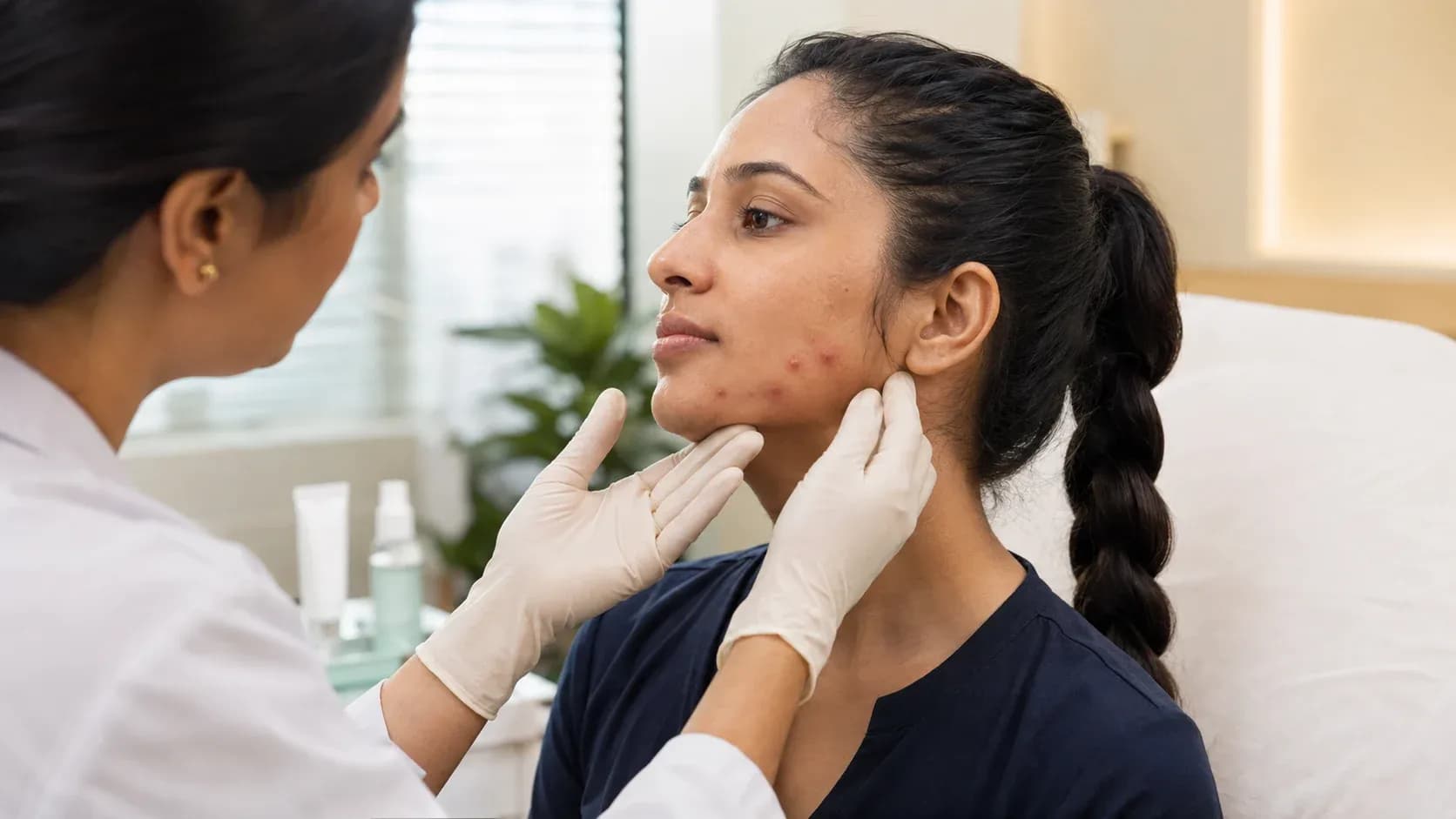
An acne nodule is a deeper type of acne that is characterised by large, firm, painful bumps that develop deep beneath the skin. Unlike a typical pimple, it may feel hard and tender and may not have a visible white or pus-filled centre. While nodules can be uncomfortable and may take longer to settle, you do not need to panic.
What Is Nodules Acne?
Nodules acne, more commonly called nodular acne, is a type of inflammatory acne that forms deeper within your skin. When oil, dead skin cells, and other factors block a pore, inflammation can extend deeper into the skin and form a firm, painful nodule.
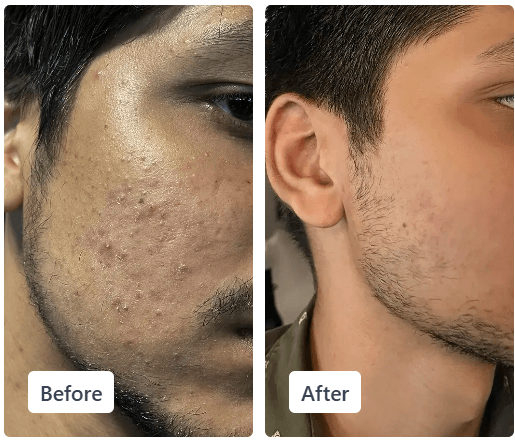
Because acne nodules develop deeper than surface-level pimples, they usually do not come to a visible head. They can feel firm to the touch and may remain noticeable longer than smaller breakouts.
What Do Acne Nodules Look and Feel Like?
You may notice that an acne nodule:
- Feels like a firm lump beneath your skin.
- Looks red, swollen or inflamed.
- Feels tender or painful.
- Does not usually have a visible white or yellow centre.
- Takes longer to settle than a small pimple.
If your breakout contains pus and feels softer, it may be a cyst rather than a nodule. Understanding the difference between nodular and cystic acne can help, but a dermatologist should confirm uncertain or painful breakouts.
Where Do Acne Nodules Usually Form?
You can develop acne nodules anywhere acne commonly occurs, including your face, jawline, neck, chest, shoulders and back.
The location alone does not tell you what is causing your acne. Your overall pattern of breakouts, skin type, hormonal factors and other triggers are more useful when understanding why your nodules are forming.
What Causes Nodules Acne?
Acne develops through several interconnected processes, including clogged pores, excess oil production, inflammation and changes involving the skin microbiome. When inflammation occurs deeper in the skin, you may develop nodules rather than smaller surface-level pimples.
Why Are Nodules Acne Formed?
You may be more likely to develop nodular acne because of factors such as:
- Increased oil production
- Hormonal fluctuations
- Genetic factors
- A tendency towards inflammatory acne
- Pores becoming clogged with oil and dead skin cells
- Certain medications or underlying hormonal influences in some people
Most importantly, do not blame yourself when a nodule appears. Acne is not simply a result of poor hygiene, and aggressive cleansing can actually irritate your skin further.
What Are the Symptoms of Nodules Acne?
You may recognise nodular acne by the presence of large, firm, deep and painful bumps beneath the skin. Unlike pustules, nodules generally do not contain pus that you can see at the surface. You may also notice that the affected area remains swollen or tender even when there is no visible head to the breakout.
If you frequently develop painful nodules, have multiple deep breakouts or notice that your acne is leaving scars, it is worth speaking with a dermatologist. Early treatment can help control active acne and reduce the risk of scarring.
How to Treat Nodules Acne?
The right treatment depends on how severe your acne is, how frequently you develop nodules and whether you have other types of acne at the same time.
Your dermatologist may recommend topical treatments such as retinoids, benzoyl peroxide or azelaic acid as part of an overall acne treatment plan. For more persistent or severe acne, you may need prescription treatments that work throughout your body.
For a particularly large and painful nodule, your dermatologist may also use an in-office corticosteroid injection to reduce swelling and discomfort more quickly.
You may need to give your treatment several weeks before judging its effectiveness. Acne rarely clears overnight, so consistency is more helpful than repeatedly changing products.
Nodules Acne Treatment at Home
If you are wondering how to treat nodular acne at home, focus on supporting your skin rather than trying to force the nodule out. You can:
- Cleanse your skin gently up to twice a day.
- Use gentle, non-comedogenic skincare products.
- Follow the acne treatment recommended for your skin.
- Avoid scrubbing or repeatedly exfoliating the affected area.
- Protect your skin from the sun with a broad-spectrum, non-comedogenic sunscreen.
- Give your treatment enough time to work before switching products.
If you have deep, painful nodules, over-the-counter products may not be enough to treat them effectively. Your dermatologist can help you choose treatment based on your specific type of acne.
What Are the Home Remedies for Nodules Acne?
You may come across home remedies such as aloe vera, toothpaste, lemon juice or other kitchen ingredients for acne. However, these remedies are not proven treatments for deep acne nodules, and some can cause skin barrier damage or irritation.
Instead, keep your routine simple and gentle. A cool compress may help you feel more comfortable if the area is tender, but it will not remove the underlying acne nodules.
How Can You Prevent Nodules Acne?
You may not be able to prevent every acne nodule, but you can reduce factors that may worsen breakouts. The table below shows some prevention tips that you can follow:
| What to Do | Why It Helps |
|---|---|
| Cleanse gently instead of scrubbing | Reduces skin irritation |
| Choose non-comedogenic products | Helps avoid clogged pores |
| Avoid picking, squeezing or touching acne | Reduces irritation and marks |
| Remove makeup before bed | Keeps pores cleaner |
| Avoid constantly changing acne products | Gives treatments time to work |
| Follow your recommended treatment consistently | Improves treatment effectiveness |
| Use sunscreen regularly | Helps reduce persistent acne pigmentation and dark marks |
Clear Ritual’s Perspective on What Nodules Acne Is
When you develop a deep, painful acne nodule, your first instinct may be to squeeze it or try multiple products at once. That can irritate the area and increase the risk of marks or scarring.
At Clear Ritual, we see nodular acne as a sign your skin may need a more targeted approach. Gentle skincare can support your skin at home, but recurring or painful nodules deserve professional attention.
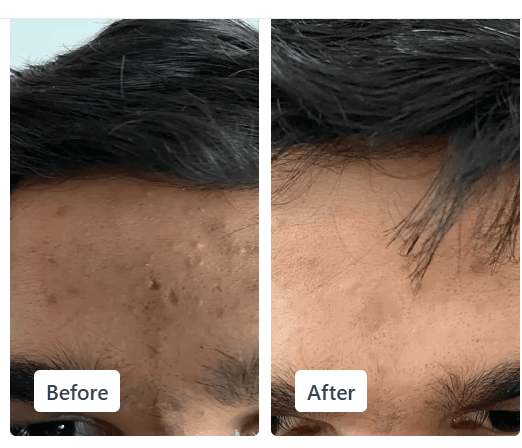
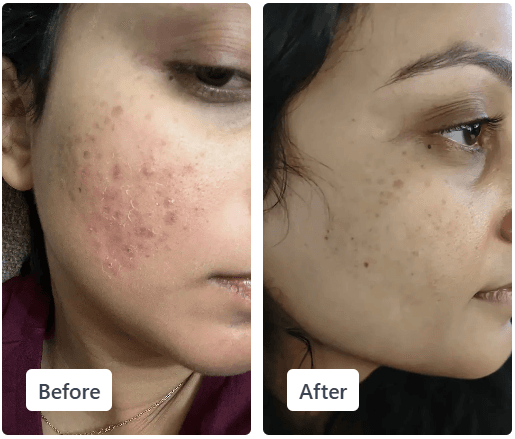
You do not have to figure out the right treatment by yourself. The Clear Ritual Skin Test can assess your acne pattern, identify contributing factors and help you build a treatment plan that suits your skin.
Clear Ritual Skin Test
Understand Your Acne Pattern
Take the free skin test to assess deep breakouts, oiliness, sensitivity, marks, and other concerns, then get a routine suited to your skin.
Take the Free Skin Test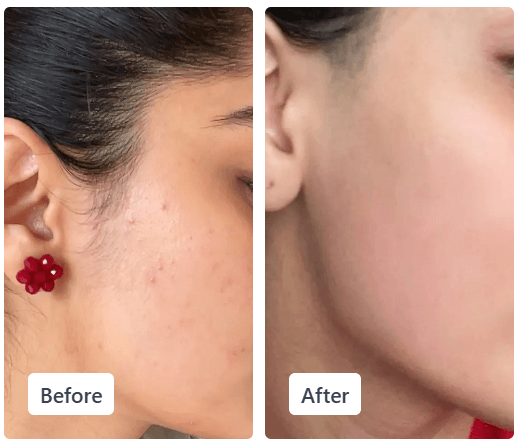
Frequently Asked Questions
1. Do nodules acne home remedies work?
Home remedies can help prevent further irritation, but they are unlikely to clear a deep acne nodule on their own. If you regularly develop nodules, relying only on home remedies may delay effective treatment. Evidence-based acne treatments are better suited to managing persistent or severe acne.
2. How to get rid of acne nodules at home?
Cleanse gently, avoid squeezing or picking, use non-comedogenic products and follow an appropriate acne treatment consistently. However, deep acne nodules require more effective treatment.
3. Can nodules acne go away on its own?
Some acne nodules may eventually settle, but they can take time and may leave marks or scars. If you regularly develop painful or deep nodules, seeking treatment can help manage active acne and reduce the risk of scarring.
4. Can you prevent acne nodules?
You cannot always prevent them completely, but you can reduce irritation by following a consistent skincare routine, avoiding picking and choosing non-comedogenic products. If nodules keep returning, professional treatment may help prevent new breakouts.
5. Can acne nodules leave scars?
Yes. Because nodules develop deep within the skin, they have a greater risk of leaving acne scars than some milder forms of acne. Treating them early and avoiding squeezing or picking can help reduce this risk.
6. Should you pop or squeeze an acne nodule?
No. An acne nodule sits deep beneath the skin, so squeezing it is unlikely to remove the underlying inflammation. It can also increase irritation and your risk of scarring or dark marks.
7. How to cure nodules acne?
You cannot usually cure acne nodules with home remedies alone. Since they develop deep within your skin, you may need a dermatologist-recommended treatment to manage them effectively.
References
American Academy of Dermatology: Acne symptoms
American Academy of Dermatology: Acne diagnosis and treatment
American Academy of Dermatology: Updated acne management guidelines
Disclaimer
This article is intended for general informational purposes and is not a substitute for personalised medical advice, diagnosis or treatment. If you have persistent, painful, or recurring acne nodules, consult a qualified dermatologist for personalised advice.
Editorial Standards
Clear Ritual has Strict sourcing guidelines to ensure our content is accurate and current. We rely on peer-reviewed studies, academic research institutions, and medical associations. We strive to use primary sources and refrain from using tertiary references. See a mistake? Learn More about our Editorial Standards.