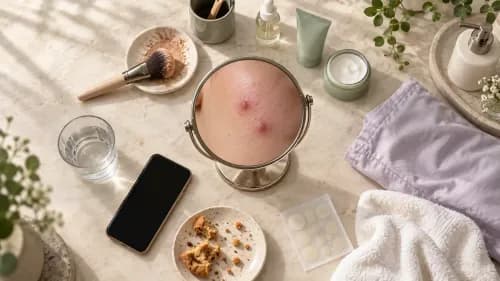
Why Do Pimples Itch? Causes, Types and How to Stop It
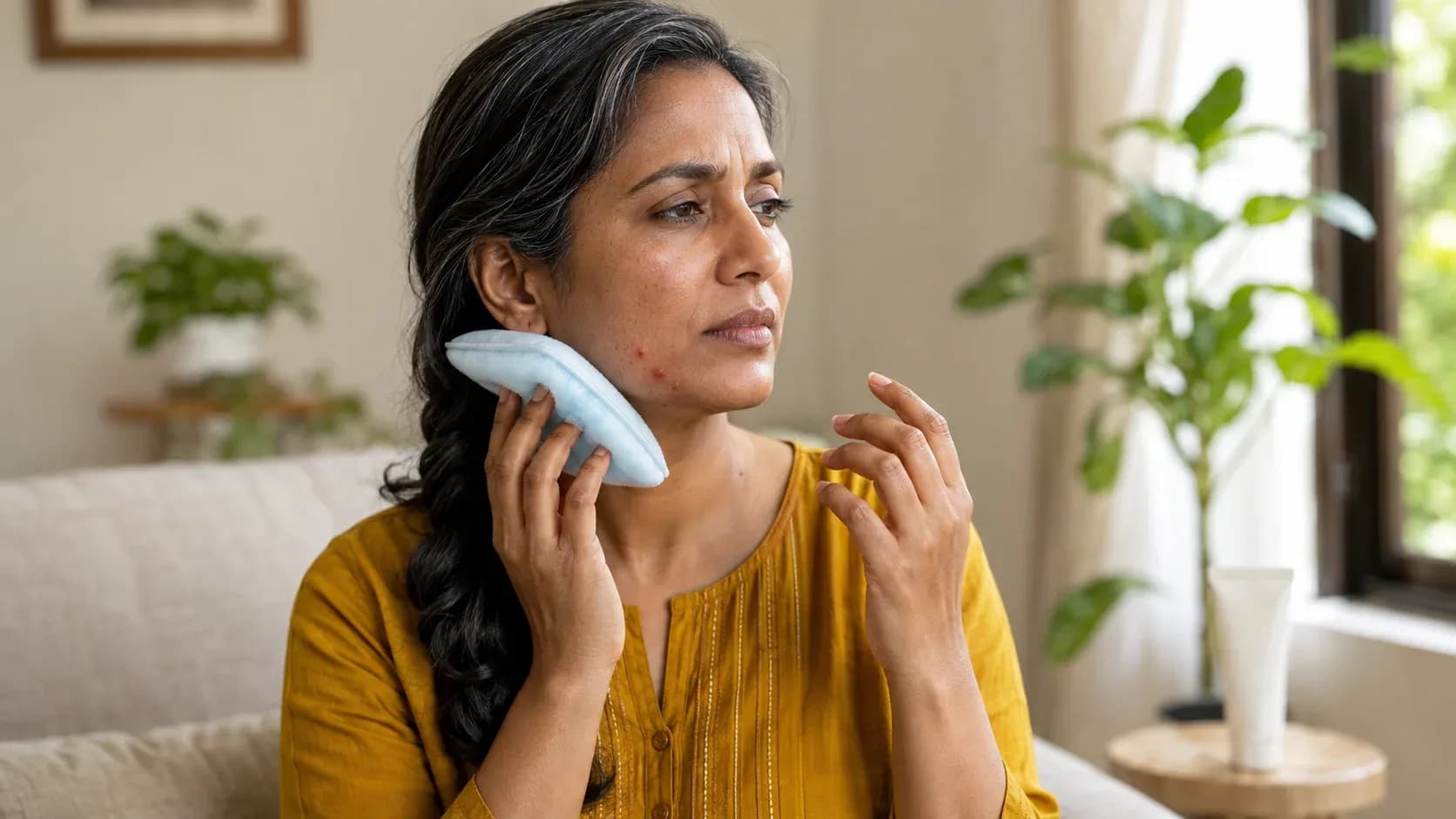
Quick Answer: Pimples may itch when skin is inflamed or irritated, but itching can also point to dryness, a reaction to skincare, or folliculitis. Avoid scratching, try a cool compress and gentle moisturiser, and seek medical advice if bumps spread, become painful, or do not improve.
Pimples itch because the immune system releases histamine, prostaglandins, and cytokines when it detects bacteria inside a blocked pore. These chemicals stimulate itch-sensitive nerve endings in the skin, producing the itch sensation alongside swelling and redness. Mild, temporary itch is a normal immune response. Burning, spreading, or intensifying itch that persists beyond 10 days is a sign something else is going on.
What Happens Inside Your Skin When a Pimple Itches
Itchy pimples are a direct result of the immune system's response to a blocked follicle. When dead skin cells, sebum, and bacteria accumulate inside a pore, white blood cells rush to the site and trigger the release of chemical mediators; primarily histamine, but also prostaglandins and interleukin-1β (IL-1β).
Inflammatory signals and irritation can stimulate itch-sensitive nerve fibres in the skin. Histamine may play a role, but not every itchy bump is caused by acne, and itching alone cannot identify the diagnosis.
Key points about the itch mechanism:
- Early-stage comedones such as blackheads and whiteheads may produce little to no itch because immune activity is low
- As inflammation deepens, histamine and prostaglandin levels rise, intensifying itch
- Deeper cystic lesions affect more nerve endings than surface lesions, producing stronger and more persistent itch
- The inflammatory cascade can begin even before a visible pimple has formed
Why Do Some Pimples Itch More Than Others?
Not all pimples produce the same level of itching. Several biological and environmental factors determine itch intensity in any given breakout.
Depth of inflammation is the primary driver. Lesions confined to the upper epidermis stimulate fewer nerve endings than cysts extending into the dermis, where nerve density is highest.
Individual histamine response varies by genetics and immune function. Some people naturally produce higher histamine concentrations during inflammatory events, making their breakouts consistently itchier.
Stress hormones amplify the response. Cortisol released during psychological stress increases sebum production and lowers the itch threshold, making breakouts during high-stress periods more irritating than usual.
Bacterial type and load matters. Cutibacterium acnes triggers specific inflammatory pathways. When scratching introduces additional bacteria; including Staphylococcus species from fingernail flora; the immune response intensifies significantly.
A disrupted skin barrier can make the skin feel more reactive. Dryness, harsh cleansing, and irritating acne products may contribute to both itching and discomfort.
What Type of Acne Itches Most? A Comparison by Lesion Type
Itch varies considerably between people and conditions. The following table describes typical patterns, not a diagnostic scale.
| Acne Type | Itch Level | Why It Itches | Depth in Skin |
|---|---|---|---|
| Fungal acne (Malassezia folliculitis) | Very high | Fungal overgrowth triggers IgE-mediated immune pathways; aggressive histamine release | Follicle / upper dermis |
| Cystic acne | High | Deep inflammation activates dense nerve endings; internal cyst rupture releases prostaglandins and cytokines | Dermis |
| Nodular acne | High | Dense inflammatory cell infiltrate; no surface opening to release pressure | Dermis |
| Papules | Moderate | Mid-level histamine release; accessible to surface nerve fibres | Upper dermis |
| Pustules | Moderate | Active bacterial load drives immune chemical release; pus buildup adds mechanical pressure | Epidermis / upper dermis |
| Whiteheads (closed comedones) | Low–moderate | Minimal active inflammation; mainly mechanical pressure from trapped sebum | Epidermis |
| Blackheads (open comedones) | Low | Oxidised sebum; minimal immune response | Epidermis |
Deep inflammatory acne can be tender or uncomfortable. If a deep lesion is especially itchy, painful, or changing rapidly, a clinician can assess whether acne or another condition is responsible.
Malassezia folliculitis can resemble acne but is caused by yeast affecting hair follicles. It often produces similarly sized itchy bumps on the forehead, chest, or back. Appearance alone is not enough to confirm it.
Do Pimples Itch When Forming or When Healing? A Stage-by-Stage Timeline
Itching can occur before, during, or after a breakout, but the timing varies and cannot reliably confirm whether a pimple is forming or healing.
Stage 1; Before the pimple appears (Days 1–2) Yes, pimples can itch before they are visible. When a pore begins to clog, the immune system detects bacterial activity and releases early histamine and prostaglandin signals before any surface swelling forms. A localised itch or warmth on apparently clear skin is often the first indicator that a breakout is forming beneath the surface.
Stage 2; Active inflammation (Days 2–5) Itching is at its most intense during this window. White blood cell concentration peaks, histamine and prostaglandin levels are elevated, and the surrounding skin barrier is most compromised. This is also the stage at which scratching causes the most damage.
Stage 3; Healing begins (Days 5–10) Itching may temporarily increase as new skin cells migrate across the healing surface; a process called re-epithelialisation. This cellular movement directly stimulates nerve endings. A mild increase in itch during this phase is typically a positive sign reflecting active tissue repair, not continued infection.
Stage 4; Post-inflammatory phase (Days 10–21+) Residual itch can persist in areas of post-inflammatory hyperpigmentation (PIH). The melanin deposition process is accompanied by low-level inflammation that keeps nerve endings mildly sensitised. Niacinamide and azelaic acid can help quiet this phase.
Quick reference: Itch at Stage 1 and Stage 3 is generally a normal part of the immune cycle. Itch at Stage 2 accompanied by heat, yellow crust, or spreading redness warrants a dermatologist review.
Is an Itchy Pimple a Good Sign or a Bad Sign?
Whether an itchy pimple is a good or bad sign depends on when and how it itches.
When itching is a good sign:
- Mild itch at the healing stage (Days 5–10) indicates new skin cells are actively regenerating; the same mechanism that makes surgical wounds itch as they close
- A brief, mild increase in itch after applying salicylic acid or retinoids can reflect increased cell turnover, provided it settles within 20–30 minutes
- Pre-breakout itch on clear skin signals that the immune system recognised bacterial activity early and is responding normally
When itching is a warning sign:
- Intense, spreading itch with warmth and yellow crust suggests secondary bacterial infection rather than normal inflammation
- Sudden itch across a cluster of pimples following a new skincare product points to allergic contact dermatitis
- Itch that does not reduce after 10 days, or that is accompanied by weeping, fever, or facial swelling, requires professional assessment
Mild itch may occur during healing, but itch is not proof that a lesion is healing correctly. Increasing pain, warmth, swelling, spreading redness, or fever should prompt medical assessment.
Common Triggers That Make Pimples Itch Worse
Certain habits and exposures amplify the itch-inflammation cycle without obvious cause.
- Over-cleansing strips protective lipids from the skin barrier, accelerating transepidermal water loss and increasing nerve hypersensitivity; oil glands compensate by producing more sebum, potentially worsening breakouts
- Occlusive cosmetics and heavy moisturisers trap heat and bacteria against the skin surface, particularly along the hairline and jawline, producing inflammation that often presents with intense itching
- Friction from masks, helmets, or tight clothing generates mechanical irritation that compounds chemical inflammation and pushes bacteria deeper into pores; explaining why maskne frequently itches more than typical breakouts
- High-glycaemic foods and dairy trigger insulin spikes and IGF-1 activity that increase sebum production and amplify systemic inflammatory pathways, making breakouts both more frequent and itchier
- Sleep deprivation prevents cortisol from normalising overnight; without adequate sleep, inflammatory processes continue unchecked and existing pimples become more irritated
- Fragrance-heavy skincare products introduce common allergens onto already-sensitised skin, triggering additional histamine release
How to Stop Pimples from Itching: A Step-by-Step Relief Guide
Acting on the itch-inflammation cycle early prevents scratching damage and speeds healing. Follow these steps in order.
Apply a cold compress immediately (5–10 minutes). Cold constricts blood vessels, slowing histamine and prostaglandin release, and temporarily numbs the pruriceptors causing the itch. Use a clean cloth wrapped around two or three ice cubes; never bare ice directly on skin, which can cause cold-burn on already-inflamed tissue.
Cleanse gently with lukewarm water. Hot water dilates blood vessels and intensifies histamine release, worsening itch. Use a fragrance-free, gentle cleanser. Pat dry; never rub, which stimulates already-sensitive nerve endings.
- Avoid using hydrocortisone on acne or facial bumps without medical advice. Topical steroids can aggravate some acne-like eruptions and mask infections.
Try not to scratch or pick the bump. Use a cool compress instead, and keep fingernails away from inflamed skin to reduce the risk of irritation and marks.
Protect the barrier overnight. Apply a thin layer of fragrance-free, non-comedogenic moisturiser before sleeping. Well-hydrated skin is significantly less reactive to internal inflammatory signals. Look for ceramide NP, hyaluronic acid, or squalane as primary ingredients.
What to avoid entirely:
- Toothpaste; fluoride and menthol irritate the barrier and increase inflammation
- Rubbing alcohol; strips protective lipids and triggers rebound sebum production
- Picking or popping; introduces external bacteria and causes deeper dermal trauma
- Fragrance-heavy products; common allergens trigger additional histamine release on sensitised skin
Fungal Acne vs Bacterial Acne: Which Itches More and How to Tell the Difference
Fungal acne and bacterial acne look almost identical; but they itch differently, respond to opposite treatments, and are driven by completely different organisms. Getting this distinction wrong is one of the most common reasons itchy acne persists despite treatment.
Malassezia folliculitis can resemble acne but is caused by yeast affecting hair follicles. It often produces similarly sized itchy bumps on the forehead, chest, or back. Appearance alone is not enough to confirm it.
| Feature | Bacterial Acne | Fungal Acne (Malassezia folliculitis) |
|---|---|---|
| Itch intensity | Moderate; localised to the lesion | High; often affects clusters simultaneously |
| Lesion appearance | Varied size: blackheads, pustules, cysts | Uniform small bumps (1–2 mm), rarely large cysts |
| Location pattern | Face (cheeks, chin, forehead), back | Forehead, chest, upper back, shoulders |
| Itch trigger | Inflammation peaks around days 2–5 | Worsens after sweating, humid environments |
| Response to standard acne treatment | Improves with benzoyl peroxide, salicylic acid | May worsen with standard acne treatments |
| What actually helps | Topical antibacterials, retinoids, niacinamide | Antifungal ingredients (ketoconazole, zinc pyrithione); avoid heavy oils |
| When to see a doctor | If spreading, infected, or persistent | Before starting treatment; misdiagnosis is common |
A three-question check to tell which one you have:
- Are all the bumps roughly the same small size; like goosebumps; rather than a mix of blackheads, pustules, and larger lesions? → More likely fungal.
- Does the itch get significantly worse after a workout or in hot, humid weather? → More likely fungal.
- Have you recently used oral antibiotics or a heavy occlusive moisturiser or oil? → More likely fungal; antibiotics reduce bacterial competition that normally keeps Malassezia in check; heavy oils feed it.
If the bumps are uniform, very itchy, or persistent despite acne care, ask a dermatologist to check for folliculitis before changing treatments.
The Best Ingredients for Itchy Pimples: Ranked by Evidence
The options below may help soothe irritated skin, but results vary. Use new products cautiously and avoid combining several active treatments at once.
Fastest relief (within 30–60 minutes)
- Colloidal oatmeal (1%); avenanthramide compounds inhibit pro-inflammatory cytokine release directly; a 2023 study in the Journal of Drugs in Dermatology confirmed measurable itch reduction within 30 minutes of application; safe for daily use with no contraindications for acne-prone skin
- Cold compress; the fastest non-ingredient intervention; cold constricts blood vessels and temporarily numbs pruriceptor nerve fibres; apply for 5–10 minutes using a clean cloth between ice and skin
- Avoid using hydrocortisone on acne or facial bumps without medical advice. Topical steroids can aggravate some acne-like eruptions and mask infections.
Medium-term relief (days 1–7)
- Niacinamide (4–10%); reduces inflammatory mediator production and rebuilds ceramide levels in the skin barrier; works across both bacterial and hormonal acne patterns
- Centella asiatica (cica) extract; calms neurogenic inflammation through madecassoside and asiaticoside compounds; particularly useful when the skin around the pimple is also inflamed and reactive
- Azelaic acid (10–20%); reduces post-inflammatory hyperpigmentation while maintaining low-level anti-inflammatory activity; particularly useful in the healing phase (days 5–21) when residual itch accompanies PIH
Longer-term barrier repair (weeks to months)
- Ceramide NP, ceramide EOP, ceramide AP; named ceramide types that directly restore the lipid matrix disrupted by acne inflammation; look for all three in combination
- Hyaluronic acid helps attract and retain water, supporting hydration and comfort when the skin barrier feels dry or irritated.
How to Build a Gentle Routine for Itchy, Acne-Prone Skin
In the morning, cleanse gently if needed, use a lightweight non-comedogenic moisturiser, and apply broad-spectrum SPF 30 or higher. At night, cleanse without scrubbing and moisturise again. If you already use an acne treatment, reduce frequency or pause it if it causes significant burning, peeling, or itching, and ask a clinician for guidance.
Introduce only one new product at a time. Fragrance-free products may be easier to tolerate when your skin is reactive. Avoid applying harsh exfoliants, essential oils, or multiple strong actives to irritated areas.
When to See a Dermatologist for Itchy Pimples
Book an assessment if the bumps are repeatedly itchy, all look alike, are spreading, or do not respond to a simple gentle routine. Seek prompt medical attention for fever, rapidly spreading redness, marked swelling, severe pain, or symptoms around the eyes. Sudden swelling of the lips or difficulty breathing requires emergency care.
Conclusion
Itchy pimples are not always ordinary acne. Inflammation, dryness, contact reactions, and folliculitis can look similar, but may need different care. Start with gentle skin-barrier support, avoid picking, and get a professional assessment when symptoms persist or worsen.
Understand What Your Skin Needs
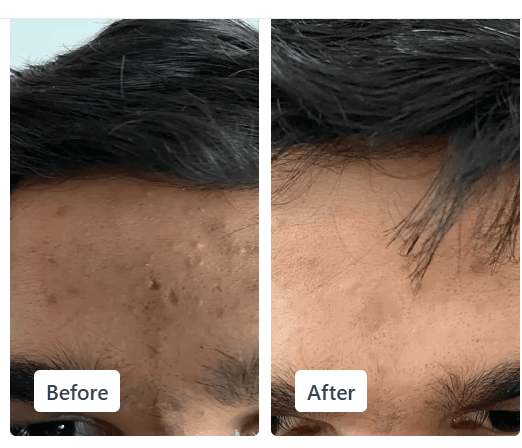
Take the Clear Ritual Skin Test to identify your skin type, concerns, and potential triggers before building your routine.
Take the Free Skin Test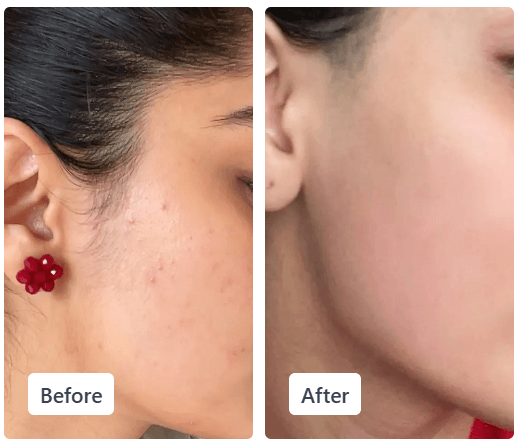
Frequently Asked Questions
Q. Why do my pimples itch?
A. Inflammation and skin irritation can make acne bumps itchy. Dryness, reactions to skincare, and folliculitis can also cause itchy bumps.
Q. Is an itchy pimple a sign that it is healing?
A. Not necessarily. Mild itching can occur during healing, but itch alone does not show whether a bump is healing or becoming more inflamed.
Q. How can I stop a pimple from itching?
A. Avoid scratching, apply a cool compress through a clean cloth, and use a gentle fragrance-free moisturiser. Stop products that cause burning or persistent irritation.
Q. How can I tell fungal acne from regular acne?
A. Malassezia folliculitis often causes small, similar-looking itchy bumps, particularly on the forehead, chest, or back. A dermatologist can confirm the diagnosis and recommend appropriate treatment.
Q. When should I see a doctor about itchy pimples?
A. Seek advice if bumps are persistent, spreading, unusually painful, or repeatedly itchy. Fever, rapidly spreading redness, or significant swelling needs prompt medical assessment.
Editorial Standards
Clear Ritual has Strict sourcing guidelines to ensure our content is accurate and current. We rely on peer-reviewed studies, academic research institutions, and medical associations. We strive to use primary sources and refrain from using tertiary references. See a mistake? Learn More about our Editorial Standards.