Alcohol and Acne: Does Drinking Cause Breakouts?
Alcohol doesn't directly cause acne, but it disrupts hormone balance, increases inflammation, weakens your skin's protective barrier, and dehydrates your body, all of which can worsen existing acne or trigger new pimples in people already prone to them. The effect depends on how much and how often you drink, plus your individual hormone levels and skin health.
- Alcohol increases blood sugar and insulin, which can raise oil production
- It triggers inflammation throughout your body, including your skin
- Dehydration from drinking weakens your skin barrier and slows healing
- Certain alcoholic drinks may be worse for acne than others
What Happens to Your Skin When You Drink Alcohol
When you consume alcohol, your body treats it as a toxin and prioritizes breaking it down. This process affects multiple systems that influence your skin health. Your liver works overtime to metabolize the alcohol, which temporarily reduces its ability to regulate hormones and filter toxins that might otherwise affect your complexion.
Alcohol is also a diuretic, meaning it makes your kidneys flush out more water than you're taking in. This leads to dehydration not just internally, but in your skin cells as well. When skin becomes dehydrated, it often responds by producing more sebum to compensate, creating an oily surface that can trap dead skin cells and bacteria inside your pores.
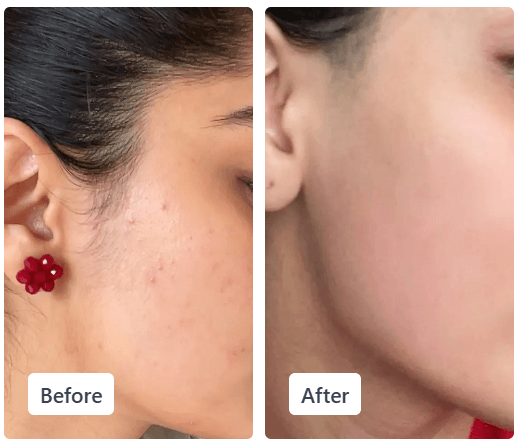
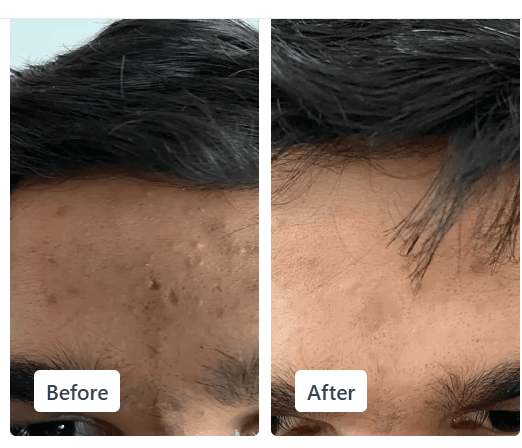
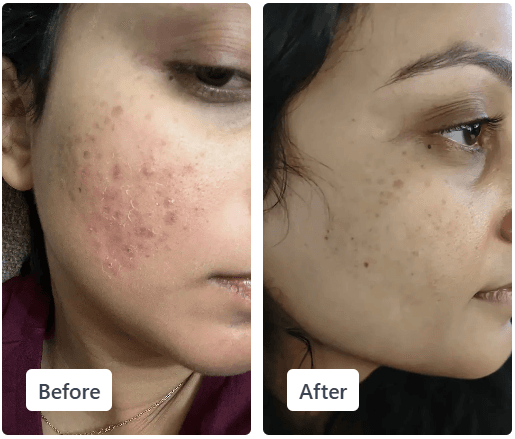
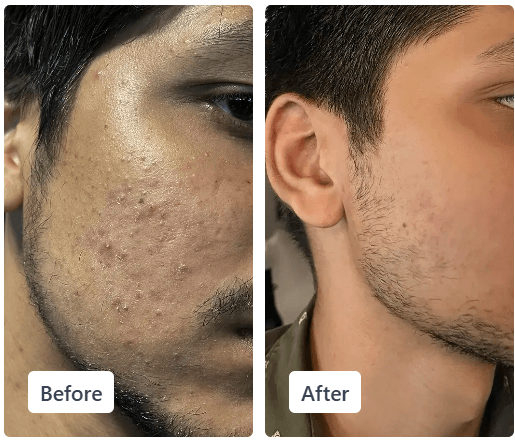
See real results, then start your own
Take the free Clear Ritual Skin Test and get a personalized routine built for your skin's unique patterns.
The Hormone Connection
One of the most significant ways alcohol influences acne is through hormonal disruption. Drinking causes your blood sugar to spike, which triggers your pancreas to release insulin. Elevated insulin levels signal your sebaceous glands to produce more oil, and they also increase androgens, hormones that enlarge oil glands and ramp up sebum production.
For women, alcohol can affect estrogen metabolism. The liver normally helps break down excess estrogen, but when it's busy processing alcohol, estrogen levels can become imbalanced. This hormonal shift may contribute to cyclical breakouts, particularly around the jawline and chin where hormonal acne typically appears.
Cortisol, your stress hormone, also rises when you drink regularly. Elevated cortisol increases inflammation throughout your body and can trigger acne flares, especially if you're already dealing with stress from other sources like poor sleep or work pressure.
Inflammation and Your Immune Response
Alcohol promotes systemic inflammation, which means it affects your entire body, not just your digestive system. This inflammatory response shows up in your skin as redness, swelling, and increased sensitivity. When your skin is already inflamed from acne, adding alcohol to the mix can intensify the reaction.
Inflammatory cytokines, chemical messengers your immune system releases, increase when you drink. These compounds make existing pimples more painful and red, and they slow down the healing process. This is why breakouts might look worse or last longer during periods of regular drinking.
Alcohol also suppresses your immune system temporarily, making it harder for your body to fight off the bacteria that contribute to acne formation. Cutibacterium acnes, the bacteria involved in inflammatory acne, can multiply more easily when your immune defenses are compromised.
See real results, then start your own
Take the free Clear Ritual Skin Test and get a personalized routine built for your skin's unique patterns.
Skin Barrier Breakdown
Your skin's outermost layer, the stratum corneum, functions as a protective barrier made of skin cells held together by lipids. This barrier keeps irritants out and moisture in. Alcohol damages this structure in two ways: through dehydration and by increasing transepidermal water loss.
When your barrier becomes compromised, several acne-promoting problems develop. Your skin loses moisture faster than it can retain it, triggering compensatory oil production. The weakened barrier also allows bacteria and irritants to penetrate more easily, increasing the likelihood of infection within clogged pores.
A damaged barrier also means slower healing. Pimples that might normally resolve in a few days can linger for a week or more because your skin lacks the resources to repair itself efficiently. This creates a cycle where new breakouts appear before old ones have fully healed.
Sugar Content and Cocktail Ingredients
Not all alcoholic drinks affect your skin the same way. Cocktails made with sugary mixers, soda, or fruit juice create a double problem: alcohol plus rapid blood sugar spikes. High sugar intake is independently linked to acne because it triggers the same insulin response that increases oil production and inflammation.
Beer contains gluten and sometimes brewer's yeast, both of which some people find trigger breakouts. The fermentation byproducts in beer can also promote inflammation in sensitive individuals. Wine, particularly red wine, contains histamines and sulfites that may cause facial flushing and inflammation in some people.
Clear spirits like vodka or gin mixed with soda water and fresh citrus tend to have less impact on blood sugar, though they still carry the dehydrating and inflammatory effects of alcohol itself. The key factor is often what you mix with the alcohol rather than the alcohol alone.
| Drink Type | Acne Impact Factors | Considerations |
|---|---|---|
| Sugary cocktails | High sugar, alcohol dehydration, hormone disruption | Worst for blood sugar spikes |
| Beer | Gluten, yeast, moderate sugar | May affect sensitive individuals more |
| Red wine | Histamines, sulfites, moderate sugar | Can increase facial redness |
| Clear spirits with water | Primarily dehydration effects | Lower sugar impact if mixed wisely |
Sleep Disruption and Skin Repair
Alcohol interferes with your sleep quality, even though it might initially make you feel drowsy. It disrupts REM sleep, the restorative phase when your body repairs damage, including skin damage. Poor sleep increases cortisol and reduces growth hormone production, both of which affect your skin's ability to heal and regenerate.
When you don't sleep well, your skin doesn't complete its natural repair cycle. This means existing acne heals more slowly, and your skin is less resilient against new breakouts. The inflammatory response also increases with sleep deprivation, creating conditions where mild acne can become moderate or severe.
Late-night drinking often means you're too tired to properly cleanse your face before bed. Makeup, sunscreen, excess oil, and environmental pollutants remain on your skin overnight, clogging pores and allowing bacteria to multiply while your compromised skin barrier struggles to defend itself.
Liver Function and Toxin Processing
Your liver plays a central role in maintaining clear skin by filtering toxins, regulating hormones, and managing inflammation. When alcohol consumption becomes regular or heavy, your liver's efficiency decreases. This means hormones like estrogen and testosterone aren't metabolized properly, and toxins that would normally be filtered out circulate longer in your bloodstream.
This toxic burden can manifest as skin problems, including acne. Your skin is an elimination organ, meaning it can expel toxins through sebum and sweat. When your liver is overworked, more toxins may be pushed out through your pores, contributing to inflammation and breakouts.
Fatty liver disease, which can develop from regular alcohol consumption, is associated with increased inflammation markers throughout the body. This chronic inflammatory state creates an environment where acne is more likely to develop and persist.
How Your Gut Microbiome Responds
Alcohol disrupts the balance of bacteria in your digestive system. A healthy gut microbiome helps regulate inflammation, supports immune function, and influences hormone metabolism, all factors that affect your skin. When alcohol damages this bacterial balance, it can increase intestinal permeability, sometimes called leaky gut.
When the gut barrier becomes permeable, inflammatory compounds and partially digested food particles can enter your bloodstream, triggering immune responses that show up as skin inflammation. This gut-skin axis means that digestive disruption from alcohol can directly influence acne severity.
Probiotic bacteria that help reduce inflammation and support skin health decline with regular alcohol use, while harmful bacteria that promote inflammation may proliferate. This imbalance affects not just digestion but systemic inflammation levels that impact your complexion.
Individual Variation in Response
Not everyone who drinks alcohol experiences acne. Your individual response depends on several factors: your genetic predisposition to acne, existing hormone levels, the health of your skin barrier, overall diet quality, stress levels, and how much and how often you drink.
Some people notice breakouts after just one or two drinks, while others only see changes with regular, heavy consumption. If you already have oily skin and large pores, you might be more susceptible to alcohol's effects because your sebaceous glands are already active and responsive to hormonal shifts.
Your overall lifestyle context matters too. If you're already dealing with stress, poor sleep, or a diet high in processed foods, alcohol's effects on your skin will likely be more pronounced. Conversely, someone with excellent skin health habits might tolerate occasional drinking without noticeable breakouts.
What You Can Do to Minimize Impact
If you choose to drink, several strategies can reduce alcohol's negative effects on your skin. Drinking a glass of water between each alcoholic beverage helps counter dehydration. This doesn't eliminate alcohol's other effects, but it does help maintain your skin's moisture balance and support your liver's detoxification work.
Eating before and while drinking slows alcohol absorption and reduces blood sugar spikes, which helps moderate the insulin response that triggers oil production. Choosing drinks without sugary mixers eliminates one major acne trigger, though the alcohol itself still affects your system.
Never skip your nighttime skincare routine, even after drinking. Gently cleanse to remove surface oil, makeup, and pollutants that would otherwise clog pores overnight. A simple routine of cleansing and moisturizing protects your skin barrier during the hours when alcohol is actively affecting your hydration and hormone levels.
Taking a B-vitamin complex and staying well-hydrated the next day supports liver function and helps your body process the alcohol's byproducts more efficiently. While this doesn't reverse the hormonal or inflammatory effects, it does support overall recovery.
| Strategy | How It Helps | When to Apply |
|---|---|---|
| Alternate water and alcohol | Reduces dehydration | During drinking |
| Eat protein and healthy fats | Slows alcohol absorption, stabilizes blood sugar | Before and during |
| Avoid sugary mixers | Prevents insulin spikes | When ordering drinks |
| Cleanse before bed | Prevents pore clogging overnight | Always, regardless of tiredness |
| Hydrate next day | Supports detoxification and skin recovery | Morning after |
When to Be Concerned
Occasional drinking is unlikely to cause severe acne in someone without a predisposition. However, if you notice a clear pattern where breakouts consistently worsen within a day or two of drinking, alcohol may be a significant trigger for you. Paying attention to this pattern helps you make informed decisions about consumption.
Regular heavy drinking [defined as more than seven drinks per week for women or fourteen for men] carries significant health risks beyond acne, including liver damage, cardiovascular problems, and increased cancer risk. If your drinking has reached this level, the impact on your skin is likely just one of many health concerns worth addressing.
If you've cut out alcohol completely for several weeks and see no improvement in your acne, it's likely not a primary trigger for you. Acne has multiple causes, and alcohol may play only a minor role compared to factors like hormones, genetics, skincare products, or other dietary triggers.
Red Flags That Need Professional Attention
Certain signs indicate you should consult a dermatologist regardless of your drinking habits. Painful, deep nodules that don't come to a head suggest cystic acne, which requires professional treatment. Acne that suddenly appears or worsens dramatically in your adult years without obvious lifestyle changes may indicate hormonal imbalances that need medical evaluation.
Scarring, persistent dark marks, or acne that doesn't respond to good home care within a few months are also reasons to seek professional help. A dermatologist can assess whether prescription treatments like retinoids, antibiotics, or hormonal medications might benefit you.
If reducing alcohol doesn't improve your breakouts, and you've also addressed other lifestyle factors like diet, stress, and skincare, medical evaluation can help identify underlying causes. Conditions like polycystic ovary syndrome, thyroid disorders, or other hormonal imbalances often present with acne as one symptom.
How Clear Ritual Supports Personalized Skincare Decisions
Clear Ritual understands that acne is more than a surface issue. It is shaped by genetics, skin renewal cycles, environmental factors, and the products you use.
Because acne forms when hormone fluctuations, sebum production, inflammation, barrier function, stress, sleep quality, and gut health interact with lifestyle triggers like alcohol, generic solutions rarely bring lasting improvement. Clear Ritual combines traditional wisdom and modern science, drawing on Ayurveda, modern dermatology, and advanced skin science, to address the underlying causes of acne through a structured skin assessment.
The Clear Ritual Skin Test analyses your skin's unique patterns and daily influences to help identify the best routine for supporting healthy skin and reducing acne recurrence.
See real results, then start your own
Take the free Clear Ritual Skin Test and get a personalized routine built for your skin's unique patterns.
Editorial Standards
Clear Ritual has Strict sourcing guidelines to ensure our content is accurate and current. We rely on peer-reviewed studies, academic research institutions, and medical associations. We strive to use primary sources and refrain from using tertiary references. See a mistake? Learn More about our Editorial Standards.