Best Diet for Acne: Foods That Help Clear Skin
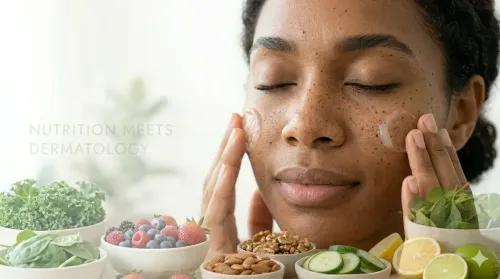
There is no single "best diet" that clears acne on its own, but certain foods support clearer skin by balancing insulin, reducing inflammation, and supporting gut health. Diet works alongside genetics, hormones, skincare, sleep, and stress in shaping breakouts.
- Low-glycemic whole foods help stabilize insulin and reduce sebum-triggering hormones
- Omega-3 rich foods and antioxidant-rich produce reduce inflammation
- Zinc-containing foods and probiotic/prebiotic foods support skin healing and gut balance
- High-glycemic foods, dairy, excess omega-6, and processed foods may worsen breakouts for some people
What Happens Inside Your Skin During Acne
Acne forms through a multi-step process that begins deep within your pores. Your sebaceous glands produce sebum, an oily substance that normally protects and moisturizes skin. When hormones signal these glands to produce excess oil, the extra sebum mixes with dead skin cells that haven't shed properly. This combination creates a plug inside the pore.
Bacteria called Cutibacterium acnes, which naturally live on your skin, thrive in this oxygen-free, oil-rich environment. As they multiply, your immune system responds by sending white blood cells to the area. This immune response creates the redness, swelling, and pus associated with inflammatory acne.
The skin barrier also plays a crucial role. When compromised by over-cleansing, harsh products, or environmental stressors like pollution, the barrier becomes more vulnerable to inflammation and bacterial overgrowth. Understanding this process helps explain why certain foods affect acne through hormonal, inflammatory, and gut-related pathways.
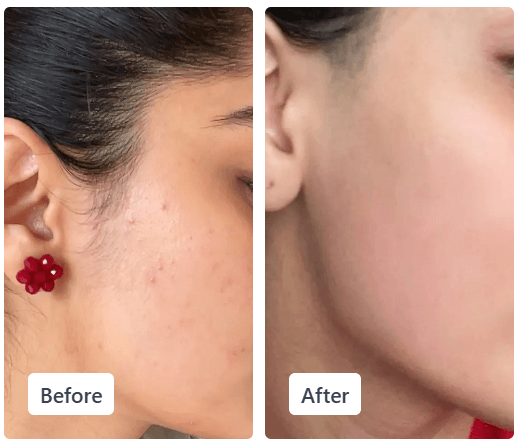
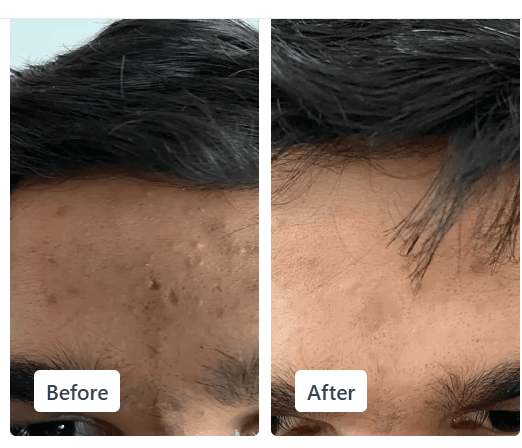
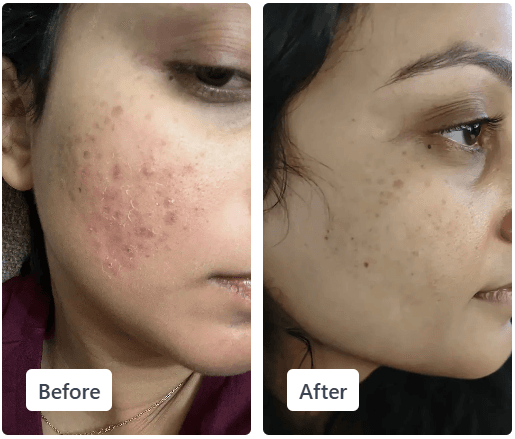
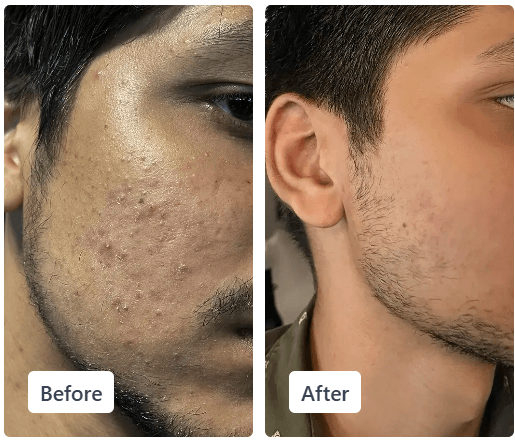
See real results, then start your own
Take the free Clear Ritual Skin Test and get a personalized routine built for your skin's unique patterns.
How Food Influences Acne Development
Your diet affects acne through several biological mechanisms that extend beyond simple cause and effect. The food you eat influences hormone levels, inflammatory responses, and even the bacteria living in your gut and on your skin.
The Insulin and IGF-1 Connection
When you eat foods high in refined carbohydrates and sugar, your blood glucose spikes rapidly. Your pancreas releases insulin to manage this surge. High insulin levels trigger the production of insulin-like growth factor 1 (IGF-1), which signals your sebaceous glands to produce more oil. IGF-1 also promotes the production of androgens, male hormones present in all genders that directly stimulate sebum production.
This cascade explains why consistently high blood sugar creates an environment where pores become more easily clogged. The excess oil combines with dead skin cells more readily, increasing the likelihood of comedones and inflammatory breakouts.
Inflammatory Pathways
Certain foods promote systemic inflammation throughout your body, including your skin. When you consume foods high in omega-6 fatty acids without balancing them with omega-3s, or when you eat processed foods containing advanced glycation end products (AGEs), your body's inflammatory markers increase.
This chronic low-grade inflammation makes your skin more reactive. Your immune system becomes hypersensitive, responding more aggressively to the presence of bacteria in clogged pores. This heightened response creates more severe inflammatory acne lesions like papules, pustules, and cysts rather than simple blackheads or whiteheads.
Gut Microbiome and Skin Health
Your digestive system houses trillions of bacteria that influence immune function, inflammation, and nutrient absorption. When your gut microbiome becomes imbalanced through poor diet, stress, or antibiotics, the effects extend to your skin.
An unhealthy gut allows inflammatory compounds and partially digested food particles to enter your bloodstream through increased intestinal permeability. Your immune system must respond to these foreign substances, creating systemic inflammation that manifests in your skin. Additionally, gut bacteria produce metabolites that either support or disrupt hormone balance and inflammation control.
Foods That May Worsen Acne
Understanding which foods potentially aggravate acne helps you make informed choices without eliminating entire food groups unnecessarily.
High-Glycemic Foods
Foods that rapidly increase blood sugar create the insulin and IGF-1surge that stimulates oil production. White bread, white rice, pastries, candy, sugary drinks, and most processed snacks fall into this category. These foods lack fiber, which normally slows sugar absorption and prevents dramatic blood glucose spikes.
The effect isn't immediate. Consistent consumption over days and weeks creates a hormonal environment that favors excess sebum production. Your pores gradually become more congested, and inflammation builds over time.
Dairy Products
Research suggests a connection between dairy consumption and acne, particularly skim milk. Milk naturally contains hormones and bioactive molecules that may influence your own hormone production. Additionally, the protein in dairy can stimulate IGF-1 production similarly to high-glycemic foods.
The relationship varies significantly between individuals. Some people notice clear improvement when they reduce dairy, while others see no change. The hormones naturally present in milk from pregnant cows, combined with the insulin response dairy triggers, creates a potential pathway for increased breakouts in susceptible individuals.
Omega-6 Heavy Diets
Modern diets often contain excessive omega-6 fatty acids from vegetable oils, processed foods, and grain-fed meat. While omega-6s are essential nutrients, the ratio between omega-6 and omega-3 fatty acids matters for inflammation control.
When omega-6 intake far exceeds omega-3 consumption, your body produces more pro-inflammatory compounds called eicosanoids. This shifts your baseline inflammation higher, making your skin more reactive and prone to severe inflammatory responses when pores become clogged.
Processed and Fast Foods
These foods combine multiple acne-promoting factors: high glycemic load, unhealthy fats, excess sodium, and minimal nutrients. They also contain AGEs formed during high-temperature cooking processes. AGEs promote oxidative stress and inflammation throughout your body.
Regular consumption of heavily processed foods also typically means missing out on the nutrients your skin needs for proper barrier function, wound healing, and inflammation control.
See real results, then start your own
Take the free Clear Ritual Skin Test and get a personalized routine built for your skin's unique patterns.
Foods That Support Clearer Skin
Certain foods provide nutrients and compounds that support skin barrier function, reduce inflammation, and help maintain balanced oil production.
Low-Glycemic Whole Foods
Foods that release sugar slowly into your bloodstream help maintain stable insulin levels. Whole grains like quinoa and oats, sweet potatoes, most vegetables, legumes, and whole fruits contain fiber that slows digestion and prevents blood sugar spikes.
This stability means your sebaceous glands receive fewer signals to produce excess oil. The consistent energy supply also supports your skin cells' ability to shed properly and maintain barrier integrity.
Omega-3 Rich Foods
Fatty fish like salmon, mackerel, sardines, and anchovies provide EPA and DHA, omega-3 fatty acids with powerful anti-inflammatory properties. These fats help balance the omega-6 to omega-3 ratio and reduce the production of inflammatory compounds.
Regular omega-3 consumption can decrease the severity of inflammatory acne lesions by dampening the immune system's aggressive response to clogged pores. For those who don't eat fish, walnuts, flaxseeds, chia seeds, and hemp seeds provide ALA, a plant-based omega-3 your body can partially convert to EPA and DHA.
Antioxidant-Rich Vegetables and Fruits
Colorful produce contains antioxidants that protect your skin cells from oxidative damage. Berries, leafy greens, tomatoes, peppers, and cruciferous vegetables provide vitamins A, C, and E along with phytonutrients that reduce inflammation and support collagen production.
Vitamin C specifically helps with wound healing and reducing post-inflammatory hyperpigmentation that often follows acne lesions. Vitamin A supports healthy skin cell turnover, reducing the likelihood of dead cells accumulating and clogging pores.
Zinc-Containing Foods
Zinc plays multiple roles in skin health. It has anti-inflammatory properties, supports wound healing, and helps regulate sebum production. Oysters contain the highest zinc concentration, but pumpkin seeds, chickpeas, cashews, and lean meat also provide meaningful amounts.
Some research suggests people with acne may have lower zinc levels than those with clear skin. While supplementation requires caution and professional guidance, incorporating zinc-rich foods supports your skin's natural healing processes.
Probiotic and Prebiotic Foods
Supporting your gut microbiome through diet can influence skin health. Fermented foods like yogurt, kefir, sauerkraut, kimchi, and kombucha introduce beneficial bacteria to your digestive system. Prebiotic fibers from garlic, onions, leeks, asparagus, and bananas feed the healthy bacteria already present.
A balanced gut microbiome helps regulate inflammation, supports immune function, and may influence hormone metabolism. The gut-skin axis means improvements in digestive health often reflect in your complexion over time.
Building an Acne-Friendly Eating Pattern
Rather than following restrictive diets or eliminating major food groups, focus on gradual improvements that support overall health and skin function.
Balance Blood Sugar Throughout the Day
Pair carbohydrates with protein, healthy fats, or fiber to slow digestion and prevent insulin spikes. A piece of fruit with nut butter creates a more balanced blood sugar response than fruit alone. Choosing whole grain bread instead of white bread provides fiber that moderates glucose absorption.
Eating regular meals prevents the blood sugar crashes that lead to cravings for high-glycemic comfort foods. Stable energy throughout the day means fewer hormonal fluctuations that could trigger excess oil production.
Emphasize Anti-Inflammatory Foods Daily
Build meals around vegetables, fruits, whole grains, legumes, nuts, seeds, and fatty fish. These foods naturally provide the vitamins, minerals, and beneficial fats your skin needs while minimizing inflammatory triggers.
This doesn't mean perfection. It means making vegetables the largest portion of your plate more often, choosing whole foods over processed options when convenient, and incorporating omega-3 sources several times weekly.
Stay Hydrated
Water supports every cellular process, including those that maintain your skin barrier and eliminate waste products. Dehydration concentrates toxins in your bloodstream and reduces your skin's ability to heal and maintain its protective functions.
Adequate hydration also helps maintain the water content of your skin cells, supporting the balance between oil and moisture that prevents both excessive dryness and compensatory oil production.
Consider a Food and Skin Journal
Tracking what you eat alongside your skin condition over several weeks can reveal personal patterns. You might notice breakouts consistently follow consumption of certain foods or appear during periods of high stress combined with poor food choices.
This information helps you understand your individual triggers rather than following generic advice that may not apply to your specific situation.
What Diet Changes Cannot Do
Setting realistic expectations prevents frustration and helps you make informed decisions about managing acne.
Diet modifications support skin health and may reduce acne severity for many people, but they rarely eliminate acne completely on their own. Acne develops through multiple pathways involving genetics, hormones, bacteria, and environmental factors that extend beyond nutrition.
Severe or cystic acne typically requires medical treatment because the inflammatory process has become self-perpetuating. While improved nutrition supports treatment effectiveness and may reduce recurrence, it doesn't replace appropriate medical care when needed.
Changes take time. Your skin has a natural turnover cycle of approximately 28 days, meaning improvements from dietary modifications appear gradually over weeks or months, not days. Initial breakouts may even occur as your body adjusts, particularly when significantly changing sugar or dairy intake.
Foods and Acne: Individual Response Patterns
| Food Category | Potential Mechanism | Individual Variation | Observation Period |
|---|---|---|---|
| High-glycemic foods | Increases insulin and IGF-1 | Affects most acne-prone individuals | 2 to 4 weeks |
| Dairy products | Hormones and IGF-1 stimulation | Highly variable response | 4 to 6 weeks |
| Omega-3 rich foods | Reduces inflammation | Gradual improvement | 6 to 12 weeks |
| Processed foods | Multiple inflammatory pathways | Generally negative for skin health | 3 to 6 weeks |
When to Seek Professional Guidance
Certain situations require consultation with healthcare providers rather than dietary experimentation alone.
See a dermatologist if you experience painful cystic acne, acne that leaves scars, widespread breakouts that don't respond to over-the-counter treatments after three months, or acne that significantly affects your emotional wellbeing. These situations often require prescription treatments that work alongside lifestyle modifications.
Consider consulting a registered dietitian if you're considering major dietary restrictions, have a history of disordered eating, need guidance balancing nutritional needs with skin goals, or want personalized meal planning that accounts for your health conditions and preferences.
Watch for signs that acne might reflect hormonal imbalances requiring medical evaluation: sudden adult-onset acne, acne accompanied by irregular periods or excessive hair growth, or breakouts that worsen despite consistent appropriate skincare and dietary improvements.
Beyond Diet: The Complete Picture
Food represents one piece of acne management alongside sleep quality, stress management, appropriate skincare, and environmental factors.
Chronic stress elevates cortisol, which triggers inflammation and can worsen acne. Sleep deprivation disrupts hormone balance and impairs skin barrier repair. Over-cleansing or harsh products damage your protective barrier, making skin more vulnerable to inflammation and bacterial overgrowth.
Effective acne management addresses these factors together rather than isolating diet as the sole cause or solution. The foods you eat interact with your sleep patterns, stress levels, skincare routine, and genetics to determine your skin's overall condition.
How Clear Ritual Supports Personalized Skincare Decisions
Acne develops through complex interactions between hormones, oil production, inflammation, bacteria, stress responses, sleep quality, gut health, and genetic predisposition. While dietary changes can help manage symptoms and reduce inflammatory triggers, they often don't fully address the underlying causes because each person's acne develops through a unique combination of internal and external factors.
The Clear Ritual combines Ayurvedic principles, dermatological science, and advanced skin biology to understand individual trigger patterns through a structured skin assessment. This approach recognizes that sustainable skin clarity requires identifying your specific combination of hormonal, inflammatory, and lifestyle factors rather than following generic recommendations. Understanding which internal and external triggers drive your particular breakout patterns helps create more targeted, effective approaches for long-term skin stability.
See real results, then start your own
Take the free Clear Ritual Skin Test and get a personalized routine built for your skin's unique patterns.
Editorial Standards
Clear Ritual has Strict sourcing guidelines to ensure our content is accurate and current. We rely on peer-reviewed studies, academic research institutions, and medical associations. We strive to use primary sources and refrain from using tertiary references. See a mistake? Learn More about our Editorial Standards.
Related Articles
Probiotics for Acne: Do They Really Help Clear Skin?
Published 21 July 2026
Gut Health and Acne: Can Poor Digestion Cause Breakouts?
Published 21 July 2026
Anti-Blackhead Diet: Foods That Help Clear Pores
Published 21 July 2026
The Psychology Behind Picking Skin Understanding Dermatillomania
Published 21 July 2026