Hyperpigmentation Treatments: Best Options And Procedures
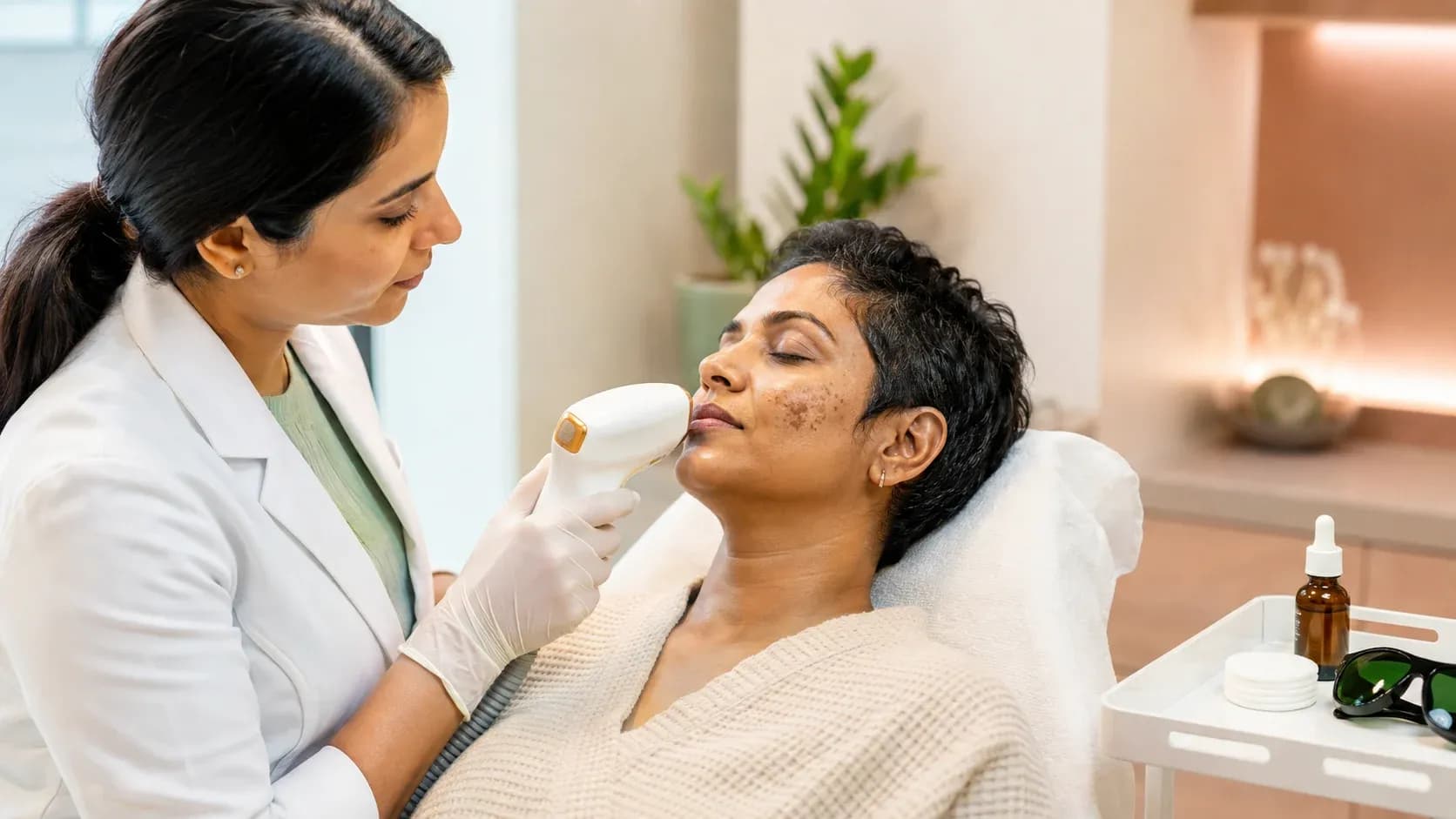
Effective hyperpigmentation treatments include topical agents such as hydroquinone, retinoids, and azelaic acid, as well as procedures such as chemical peels, intense pulsed light (IPL), and laser treatments. Daily sun protection is also important to prevent pigmentation from becoming darker or returning.
Current evidence suggests that treatment should be tailored to the type of hyperpigmentation rather than using one approach for everyone. Dermatology guidance supports a tailored approach, often starting with topical treatments, with prescription medicines and procedures such as chemical peels, microneedling, lasers, or light-based treatments considered when appropriate.
Which Topical Treatments Help Hyperpigmentation?
These ingredients can help fade hyperpigmentation by reducing melanin production, increasing skin-cell turnover, reducing inflammation, or limiting pigment transfer. Common topical options include:
- Hydroquinone: Reduces melanin production through tyrosinase inhibition and remains an established prescription treatment for conditions such as melasma and post-inflammatory hyperpigmentation.
- Retinoids: Increase skin-cell turnover and promote the shedding of pigment-containing keratinocytes, helping improve pigmentation over time.
- Azelaic Acid: Reduces melanin production and inflammation, making it useful for dark spots caused by pimples or other inflammatory conditions.
- Vitamin C: Interferes with melanin formation and provides antioxidant protection, making it a useful supportive treatment.
- Niacinamide: Reduces the transfer of melanosomes from melanocytes to keratinocytes, helping improve uneven skin tone.
- Kojic Acid: Inhibits tyrosinase, an enzyme involved in melanin production, to help fade pigmentation.
- Cysteamine: Acts on several steps involved in melanin production and has been studied for melasma and post-inflammatory hyperpigmentation.
- Thiamidol: Strongly inhibits human tyrosinase and has clinical evidence for improving facial hyperpigmentation.
- Melasyl: Binds reactive melanin precursors before they contribute to visible pigment formation; clinical evidence is still emerging.
What Are The Best Treatment Options For Hyperpigmentation?
There are several treatment options for hyperpigmentation, and the best choice depends on the type and depth of pigmentation, your skin tone, and the underlying cause.
Current dermatology guidance and clinical evidence support topical treatments, prescription medicines, chemical peels, and laser or light-based procedures, with treatment tailored to your skin and pigmentation.
Here are the main hyperpigmentation treatments and how each one can help:
Which Prescription Treatments Are Used For Hyperpigmentation?
Prescription treatments can provide more targeted treatment when hyperpigmentation is persistent or difficult to manage with over-the-counter products. Your dermatologist may choose one treatment or combine several options depending on the type of hyperpigmentation, your skin, and your response to treatment.
Prescription Hydroquinone
Prescription hydroquinone, commonly used at 2 to 4%, helps fade hyperpigmentation by reducing melanin production through tyrosinase inhibition.
It is an established treatment for conditions such as melasma and post-inflammatory hyperpigmentation, but prolonged or unsupervised use can cause adverse effects.
Hydroquinone Combination Creams
Hydroquinone combination creams pair hydroquinone with other prescription ingredients to target pigmentation through different pathways.
A well-established triple combination contains 4% hydroquinone, 0.05% tretinoin, and 0.01% fluocinolone acetonide and is used for moderate-to-severe melasma under medical supervision.
Tretinoin
Tretinoin helps improve hyperpigmentation by increasing skin-cell turnover and promoting the shedding of pigment-laden keratinocytes. It may be used alone or alongside other treatments, particularly for melasma and post-inflammatory hyperpigmentation.
Oral Tranexamic Acid
Oral tranexamic acid can help reduce melasma by inhibiting plasmin-related pathways involved in pigmentation. It may be considered for selected patients when topical treatment is insufficient, but a dermatologist should assess clotting risk and other contraindications before prescribing it.
Which Chemical Peels Are Used For Hyperpigmentation?
Chemical peels help improve selected forms of hyperpigmentation by causing controlled exfoliation and skin renewal. The peeling agent, concentration, depth, and your skin type all influence which peel is appropriate. Chemical peels are generally used as an additional or maintenance treatment rather than a universal first-line option.
Glycolic Acid Peels
Glycolic acid is an alpha-hydroxy acid (AHA) that helps fade hyperpigmentation by exfoliating the outer skin layers and promoting cell turnover. It has been studied for melasma and post-inflammatory hyperpigmentation, including in darker skin tones.
Salicylic Acid Peels
Salicylic acid is a beta-hydroxy acid (BHA) that helps improve hyperpigmentation through controlled exfoliation and its anti-inflammatory action. Its oil-soluble nature can make it particularly useful when pigmentation occurs alongside acne.
TCA Peels
Trichloroacetic acid (TCA) peels create a controlled chemical injury that promotes skin renewal and can improve selected pigmentation concerns. Stronger or deeper TCA treatments carry a greater risk of post-inflammatory hyperpigmentation, hypopigmentation, and scarring, particularly in darker skin tones.
Which Laser And Light Treatments Help Hyperpigmentation?
Laser and light-based treatments can improve selected forms of hyperpigmentation by targeting melanin or pigment-containing cells. The choice of device, wavelength, and settings depends on the type of pigmentation and your skin tone, as treatment-related inflammation can sometimes worsen pigmentation.
Q-Switched Lasers
Q-switched lasers deliver short, high-energy pulses that target melanin and break up pigment.
They can help selected pigmentary conditions, but conservative settings are important in darker skin tones to reduce the risk of post-inflammatory hyperpigmentation.
Picosecond Lasers
Picosecond lasers deliver ultra-short pulses that can fragment pigment through a predominantly photoacoustic effect, limiting heat exposure.
They show potential for selected pigmentary conditions, but current evidence for melasma remains mixed and does not establish them as universally superior to topical treatment.
Fractional Lasers
Fractional lasers create controlled microscopic areas of skin injury to stimulate skin renewal and remodelling.
They may improve selected cases of melasma and post-inflammatory hyperpigmentation, but more aggressive treatment can increase the risk of further pigmentation, particularly in darker skin tones.
Intense Pulsed Light (IPL)
IPL uses broad-spectrum light to target melanin and can improve selected superficial pigmentation, such as solar lentigines and freckles.
It requires careful patient selection because its heat can worsen melasma or trigger post-inflammatory hyperpigmentation, particularly in darker skin tones.
Important: Laser and light treatments are generally considered adjunctive rather than automatically superior to established topical treatments. Current evidence supports selecting them according to the diagnosis, skin tone, and risk of treatment-induced pigmentation.
Which Other Procedures Can Help Hyperpigmentation?
Some procedures can support hyperpigmentation treatment, particularly when used alongside topical therapy. Microneedling has been studied for melasma, while microdermabrasion mainly provides gentle exfoliation and may offer modest improvement in selected pigmentation concerns.
Microneedling
Microneedling creates controlled microscopic punctures in the skin that stimulate healing and may improve the delivery of topical depigmenting treatments.
It can help selected cases of melasma and post-inflammatory hyperpigmentation, but excessive skin trauma can trigger inflammation and worsen pigmentation, particularly in darker skin tones.
Microdermabrasion
Microdermabrasion gently removes the outermost layer of dead skin cells to promote superficial skin renewal and improve uneven tone.
It may help mild surface pigmentation but has limited effects on deeper pigment, so it is generally used as an adjunct rather than a primary treatment.
How Can You Choose The Right Hyperpigmentation Treatment?
The right treatment of hyperpigmentation depends on what is causing it, how deep the pigment is, your skin tone, and how your skin responds to treatment. Dermatologists tailor treatment to these factors rather than using one approach for everyone.
There is no single best treatment for every type of hyperpigmentation, so dermatologists tailor treatment to the type of pigmentation, your skin, and your individual needs, as shown below:
| Your Pigmentation or Situation | Treatment Options to Consider | Why They May Help |
|---|---|---|
| Mild or superficial pigmentation | Topical treatments | Gradually reduce excess pigment and improve uneven skin tone. |
| Persistent pigmentation | Prescription treatments | Provide stronger or more targeted pigment control under medical supervision. |
| Pigmentation with acne or inflammation | Azelaic acid, retinoids, or other targeted treatments | Treat the underlying inflammation while helping fade acne pigmentation and dark marks. |
| Selected superficial pigmentation | Chemical peels | Exfoliate the skin and improve surface pigment through controlled skin renewal. |
| Stubborn or selected pigmentary conditions | Laser or light-based treatments | Target pigment directly and may help when topical treatment alone is insufficient. |
| Melasma or pigmentation prone to recurrence | Combination treatment | Combines approaches such as sun protection, topical treatment, and selected procedures for longer-term control. |
Note: If you have darker skin or a history of post-inflammatory hyperpigmentation, treatment selection is particularly important because aggressive treatments can cause skin barrier damage, irritation, and further pigmentation.
Current evidence also shows that no single treatment consistently works for everyone, reinforcing the need for an individualised approach.
Clear Ritual’s Perspective On Hyperpigmentation Treatment
Effective hyperpigmentation treatment starts with understanding the cause and choosing targeted options that suit your skin. Consistent treatment and sun protection can help improve pigmentation and reduce recurrence.
At Clear Ritual, we believe pigmentation care should be personalised, with the right ingredients and a gentle routine for your skin.
The Clear Ritual Skin Test can help you understand your skin type and concerns and choose a suitable routine.
Clear Ritual Skin Test
Find a Suitable Routine for Your Pigmentation
Take the free skin test to assess pigmentation, acne marks, sensitivity, barrier health, and other concerns, then get a routine suited to your skin.
Take the Free Skin Test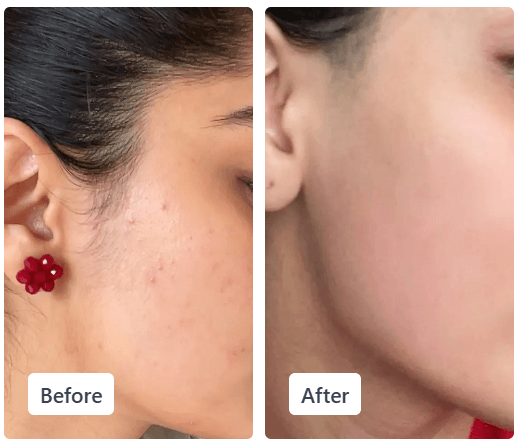
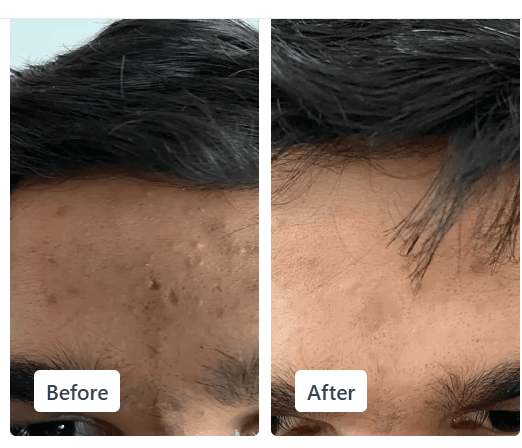
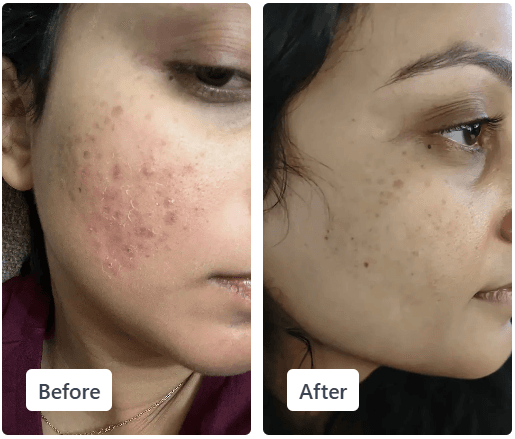
Frequently Asked Questions
1. Which procedure is best for hyperpigmentation?
There is no single best procedure for hyperpigmentation. The right option depends on the type and depth of pigmentation, your skin tone, and how your skin responds to treatment.
2. What are the most effective treatments for hyperpigmentation?
The most effective treatment depends on the cause and type of pigmentation. Dermatologists may use topical medicines, prescription treatments, chemical peels, or procedures, often combining approaches when appropriate.
3. How do Koreans treat hyperpigmentation?
Treatment is not specific to nationality or ethnicity. Dermatologists may use topical treatments, sun protection, chemical peels, or selected procedures based on the person's pigmentation, skin tone, and individual needs.
4. How can you permanently get rid of hyperpigmentation?
There is no guaranteed permanent cure for all hyperpigmentation. Treatment can fade existing pigmentation, but conditions such as melasma can recur, especially when triggers such as sunlight continue.
5. How long does hyperpigmentation treatment take?
Improvement usually takes weeks to months, depending on the type and depth of pigmentation and the treatment used. Some pigmentation may take 6 to12 months or longer to fade.
6. Can hyperpigmentation return after treatment?
Yes, hyperpigmentation can return after treatment, particularly when the underlying trigger continues. Consistent sun protection and management of the underlying cause can help reduce recurrence.
Editorial Standards
Clear Ritual has Strict sourcing guidelines to ensure our content is accurate and current. We rely on peer-reviewed studies, academic research institutions, and medical associations. We strive to use primary sources and refrain from using tertiary references. See a mistake? Learn More about our Editorial Standards.