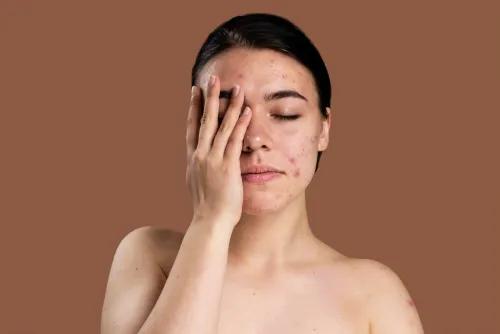
Glowing Skin Tips: Complete Guide to Naturally Radiant Skin
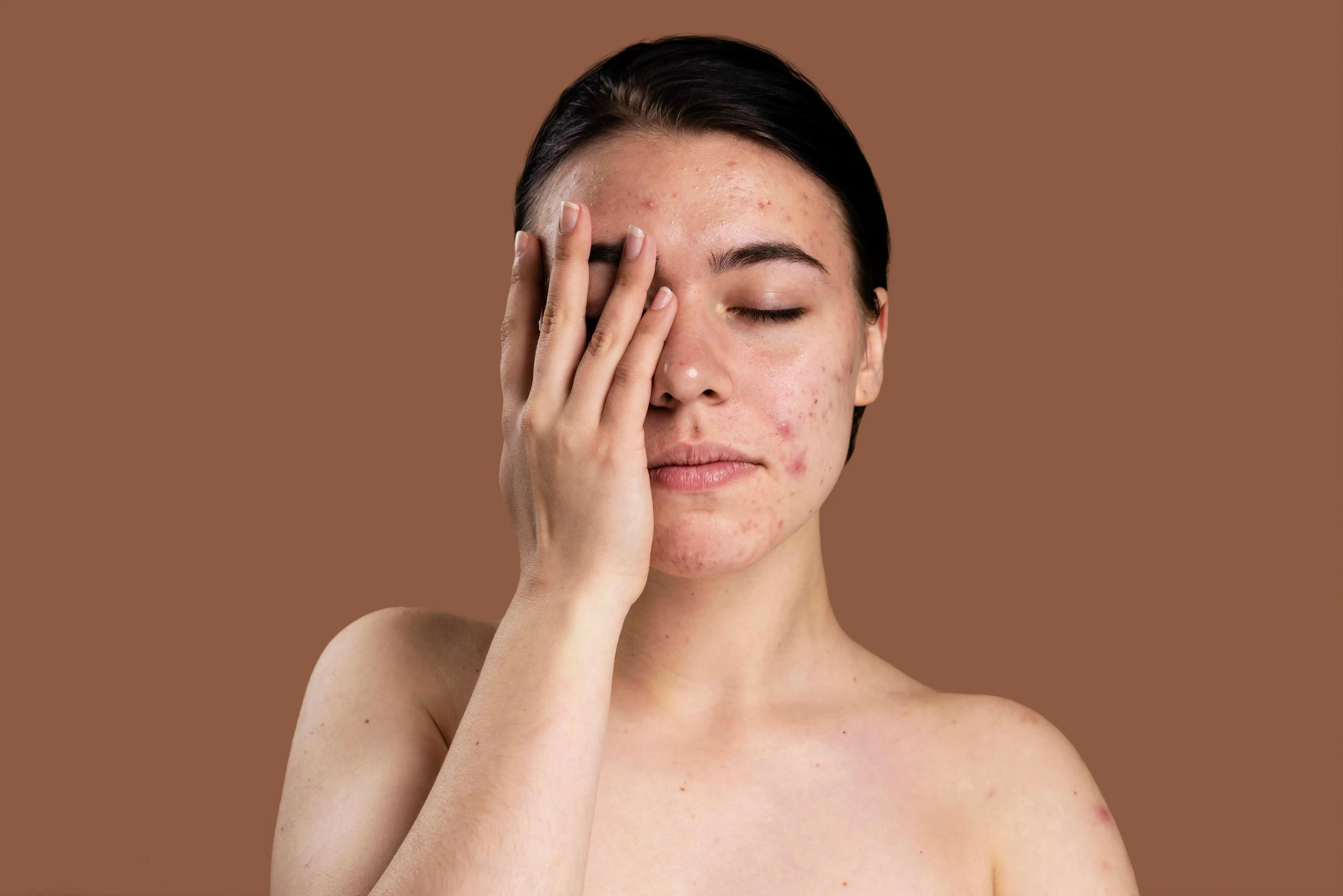
Glowing skin comes from a simple routine done consistently: gentle cleansing, moisturising, daily sunscreen, and one suitable brightening active. Avoid harsh scrubs, too many new products, and DIY ingredients that sting or irritate. Persistent pigmentation, redness, acne, or sudden skin changes should be assessed by a dermatologist.
What Is Glowing Skin? A Clear Definition
Glowing skin refers to skin that appears luminous, even-toned, and well-hydrated, with minimal dullness, dark spots, or rough texture. It is not the same as oily or shiny skin. Glowing skin reflects light evenly because the surface is smooth, hydrated, and free of dead cell buildup.
Traya's dermatology-aligned team defines glowing skin across three visible markers:
- Even skin tone, reduced hyperpigmentation and redness
- Smooth texture, minimal pores, flaking, or rough patches
- Adequate hydration, skin that appears plump and firm, not flat or creased
Glowing skin is achievable for all skin types [oily, dry, combination, and sensitive] when the routine matches the skin's specific needs.
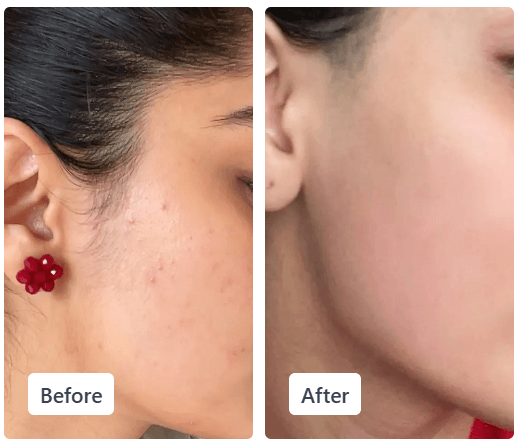
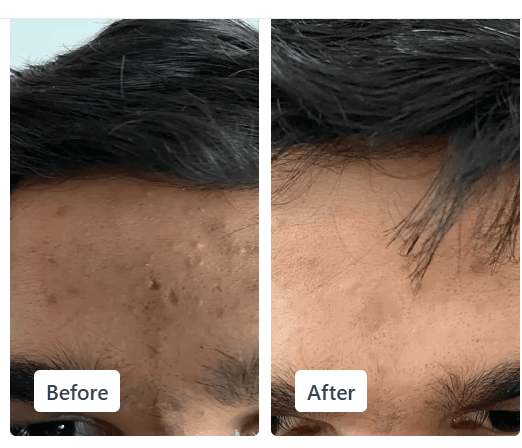
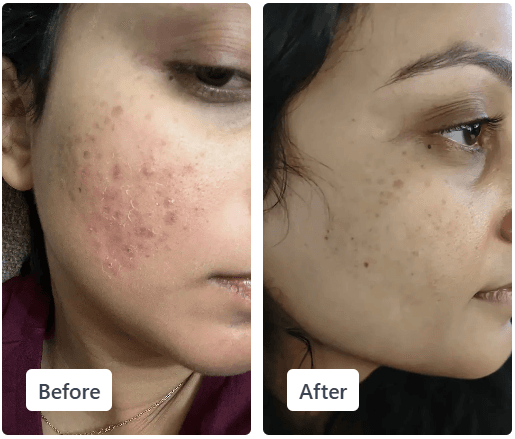
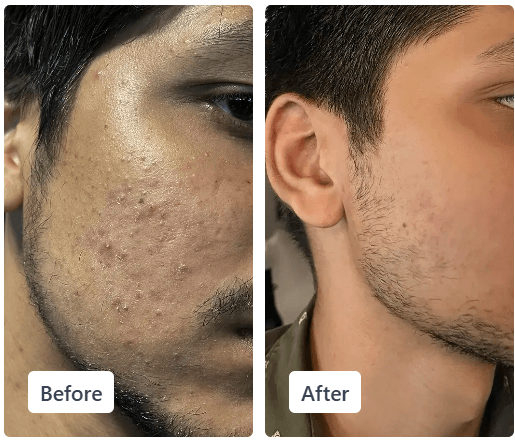
See real results, then start your own
Take the free Clear Ritual Skin Test and get a personalized routine built for your skin's unique patterns.
Why Skin Loses Its Glow: Key Causes
Skin loses its natural radiance when one or more of the following factors disrupts the skin's renewal cycle or protective barrier.
Primary causes of dull skin:
- Dead skin cell buildup, skin naturally sheds cells every 28 to 40 days; without exfoliation, dead cells accumulate and make skin look flat
- Dehydration, skin lacking water appears sunken and dull; even a 10% reduction in skin moisture visibly affects radiance
- UV exposure, sun damage triggers melanin overproduction, leading to dark spots and uneven tone over time
- Poor sleep, during deep sleep, skin repairs itself; less than 6 hours per night reduces cellular regeneration by up to 30% [1]
- High stress levels, cortisol elevation increases inflammation and breaks down collagen
- Nutritional deficiencies, low Vitamin C, Vitamin E, and zinc intake can impair skin repair and elasticity
- Smoking and alcohol, both reduce blood circulation to the skin and deplete antioxidants
Understanding the root cause of your specific dullness helps determine which glowing skin tips to prioritise first.
How to Get Glowing Skin: Step-by-Step Guide
Achieving glowing skin follows a repeatable, layered process. Each step below builds on the previous one, skipping steps reduces overall effectiveness.
Prerequisites before starting:
- A gentle, pH-balanced cleanser suitable for your skin type
- A broad-spectrum sunscreen (SPF 30 or higher)
- A moisturiser with humectants (hyaluronic acid, glycerin)
- A Vitamin C or niacinamide serum (choose one to start)
Step 1: Cleanse Twice Daily (Morning and Night) Use a gentle, sulfate-free cleanser morning and night. Over-cleansing strips the skin barrier; under-cleansing allows buildup. This step works because a clean surface allows active ingredients in subsequent steps to absorb properly.
Step 2: Exfoliate 2 to 3 Times Per Week Use a chemical exfoliant, AHAs (glycolic or lactic acid) for dry skin, BHAs (salicylic acid) for oily or acne-prone skin. Chemical exfoliants dissolve dead cell bonds rather than scrubbing them off, making them more effective and less irritating. Studies suggest AHA use at 8 to 10% concentration can improve skin luminosity within 4 weeks [2].
Step 3: Apply a Targeted Brightening Serum Apply a Vitamin C serum (10 to 20% L-ascorbic acid) in the morning or a niacinamide serum (5%) at any time. Vitamin C works by inhibiting the enzyme tyrosinase, which controls melanin production, reducing dark spots by up to 25% with consistent 8-week use [3]. Niacinamide reduces the transfer of melanin to skin cells and strengthens the barrier.
Step 4: Moisturise Immediately After Serums Apply moisturiser while skin is slightly damp to seal in hydration. Look for ingredients like hyaluronic acid, ceramides, or squalane. Moisturised skin reflects light better, which directly improves the appearance of radiance.
Step 5: Apply Sunscreen Every Morning (Non-Negotiable) UV radiation is the single biggest driver of premature skin ageing and dark spots. Use SPF 30 to 50 broad-spectrum every morning, including cloudy days. Reapply every 2 hours if outdoors. Traya's skin experts identify sunscreen as the highest-return step in any glowing skin routine.
Step 6: Use a Weekly Face Mask Once a week, apply a brightening or hydrating mask, kaolin clay for oily skin, hyaluronic acid or honey-based masks for dry or combination skin. Masks deliver concentrated ingredients over 10 to 20 minutes, allowing deeper penetration than serums alone.
Step 7: Support From Within, Nutrition and Hydration Drink at least 2 to 2.5 litres of water daily. Include foods high in Vitamin C (citrus, bell peppers), Vitamin E (almonds, sunflower seeds), and antioxidants (berries, green tea). Skin hydration from the inside complements topical routines.
Common Mistakes to Avoid:
- Using too many active ingredients at once, this causes irritation and sensitisation, not faster results
- Skipping sunscreen on overcast days, UV rays penetrate clouds and cause cumulative damage
- Over-exfoliating, more than 3 times per week with chemical exfoliants can damage the skin barrier
- Applying Vitamin C and AHAs together without building tolerance, start with one and introduce the other gradually
- Expecting results in under 2 weeks, most brightening ingredients need 6 to 12 weeks of consistent use
See real results, then start your own
Take the free Clear Ritual Skin Test and get a personalized routine built for your skin's unique patterns.
Types of Glowing Skin Tips: Matched to Skin Type
Different skin types respond to different approaches. Using the wrong method can worsen dullness or cause breakouts.
| Skin Type | Best Brightening Approach | Ingredients to Prioritise | Avoid |
|---|---|---|---|
| Oily / Acne-Prone | Lightweight actives, oil-free products | Niacinamide, salicylic acid, zinc | Heavy oils, pore-clogging moisturisers |
| Dry | Rich hydration + gentle exfoliation | Lactic acid, squalane, hyaluronic acid | Alcohol-heavy toners, over-exfoliation |
| Combination | Zone-targeted routine | Niacinamide (all over), BHA (T-zone) | Blanket application of strong actives |
| Sensitive | Minimal actives, barrier focus | Centella asiatica, azelaic acid, aloe | Fragrance, high-strength AHAs |
| All Skin Types | Daily SPF + Vitamin C | L-ascorbic acid, broad-spectrum SPF | Skipping sunscreen |
Skin-type matched home remedies:
- Turmeric, suits all skin types; anti-inflammatory and brightening; mix with honey or yogurt and apply for 10 minutes
- Honey, best for oily and acne-prone skin; natural antibacterial and humectant
- Aloe vera, suitable for all types, especially sensitive; soothes and hydrates without clogging pores
- Olive oil, best for dry skin only; rich in fatty acids; avoid if you have acne-prone skin
- Lemon juice, use with caution; high acidity can cause irritation; always dilute and patch test first
Key Benefits of Following a Glowing Skin Routine
Following a consistent, personalised glowing skin routine delivers both short-term and long-term benefits.
Short-term benefits (within 2 to 4 weeks):
- Improved skin hydration and reduced dryness
- Reduced surface roughness and flakiness
- More even skin tone with reduced redness
Long-term benefits (8 to 24 weeks):
- Visibly reduced dark spots and hyperpigmentation
- Smoother skin texture with reduced pore appearance
- Stronger skin barrier, less sensitivity to environmental triggers
- Slower rate of visible ageing, consistent SPF use can reduce photoageing by up to 24% over 4.5 years [4]
- Greater skin confidence, clinically linked to reduced social anxiety in dermatological studies
Short-term vs. long-term benefit comparison:
| Timeframe | What to Expect |
|---|---|
| Week 1 to 2 | Better hydration, reduced dryness, skin feels softer |
| Week 3 to 4 | Early glow from exfoliation; fewer rough patches |
| Month 2 | Brightening ingredients begin reducing dark spots |
| Month 3 to 6 | Visible tone evenness; reduced hyperpigmentation |
| 6 months+ | Sustained barrier health; long-term photoprotection benefits |
Glowing Skin Tips vs. Alternatives: An Honest Comparison
People seeking glowing skin often choose between a full skincare routine, home remedies alone, professional treatments, or supplement-only approaches. Each has a different profile of effectiveness, cost, and effort.
| Approach | Effectiveness | Cost | Time to Results | Suitable For |
|---|---|---|---|---|
| Daily skincare routine (Traya approach) | High, addresses multiple causes | Low-moderate (INR 500 to 2,000/month) | 4 to 12 weeks | All skin types; daily commitment |
| Home remedies only | Moderate, supportive but limited | Very low | 6 to 16 weeks | Mild dullness; supplement to routine |
| Professional treatments (peels, lasers) | Very high, fast results | High (INR 3,000 to 15,000/session) | 1 to 4 sessions | Severe pigmentation or scarring |
| Supplement-only approach | Low as standalone | Moderate | 12 to 24 weeks | Best as support, not primary method |
| No routine (no action) | None | None | No improvement expected | Not recommended |
Recommendation from Traya's skin team: A structured daily skincare routine [cleanser, active serum, moisturiser, SPF] provides the best balance of effectiveness, cost, and sustainability for most people. Home remedies and supplements can support this routine but should not replace it.
Glowing Skin Tips Results: What to Expect and When
Results from a glowing skin routine vary depending on the consistency of the routine, the products used, baseline skin condition, and lifestyle factors like sleep, diet, and stress.
Realistic week-by-week timeline:
| Week | Expected Improvement |
|---|---|
| Week 1 to 2 | Skin feels more hydrated and softer to the touch |
| Week 3 to 4 | Reduced surface dullness from exfoliation; early brightening |
| Week 5 to 8 | Visible reduction in minor dark spots; tone appears more even |
| Week 9 to 12 | Significant improvement in overall radiance; texture smoother |
| Week 13 to 24 | Sustained results; dark spots continue fading with Vitamin C |
How to glow skin in 7 days, realistic expectations: Within 7 days, you can improve skin hydration, reduce surface roughness through 2 to 3 exfoliation sessions, and achieve a temporary brightness boost from a face mask. Structural changes like dark spot reduction or significant tone correction require 6 to 12 weeks minimum.
Factors that affect your results:
- Consistency, missing routine days delays results proportionally
- Sunscreen use, without daily SPF, brightening actives are counteracted by ongoing UV damage
- Starting skin condition, those with moderate-to-severe pigmentation will need longer timelines
- Hormonal fluctuations, can cause recurring dullness or breakouts regardless of routine quality
Are home remedies effective for glowing skin? Home remedies like turmeric, aloe vera, and honey can improve skin hydration and mildly reduce inflammation, but they work best when used alongside a structured routine. They are unlikely to produce significant brightening results on their own, particularly for moderate hyperpigmentation. Traya recommends treating home remedies as supportive additions, not primary treatments.
Editorial Standards
Clear Ritual has Strict sourcing guidelines to ensure our content is accurate and current. We rely on peer-reviewed studies, academic research institutions, and medical associations. We strive to use primary sources and refrain from using tertiary references. See a mistake? Learn More about our Editorial Standards.