Sunscreen for Oily and Acne-Prone Skin: Non-Comedogenic Options
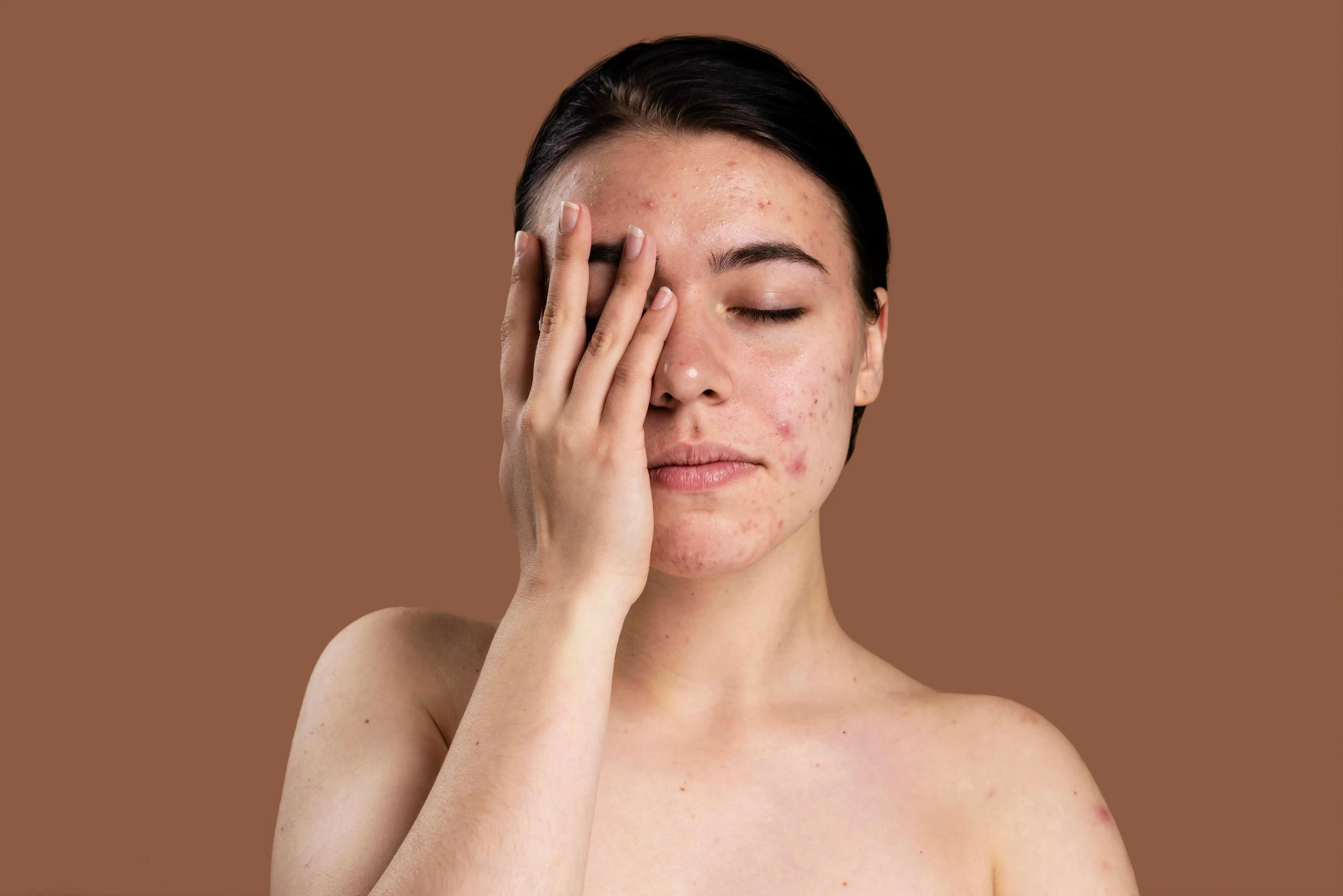
Sunscreen is an essential daily step for oily, acne-prone skin because UV exposure can darken post-acne marks and worsen visible inflammation. Choose a broad-spectrum, non-comedogenic sunscreen with at least SPF 30, apply enough product as the final step of your morning routine, and reapply when you are outdoors, sweating, or exposed to strong sunlight.
What Is Sunscreen for Oily Acne-Prone Skin?
Sunscreen for oily, acne-prone skin is a UV-filtering product specifically formulated to block UVA and UVB rays without triggering breakouts, clogging pores, or worsening shine. Standard sunscreens often contain heavy emollients or occlusive oils that can increase comedone formation in acne-prone skin. Formulas designed for oily skin replace those with lightweight, water-based, or gel textures that absorb quickly.
Key terms defined:
- SPF (Sun Protection Factor): Measures UVB protection. SPF 30 blocks ~97% of UVB rays; SPF 50 blocks ~98%.
- Broad-spectrum: Protects against both UVA (ageing, hyperpigmentation) and UVB (burning, DNA damage).
- Non-comedogenic: Formulated to not block pores [a critical label for acne-prone skin].
- PA rating: An Asian rating system indicating UVA protection (PA+++ or PA++++ recommended for daily use).
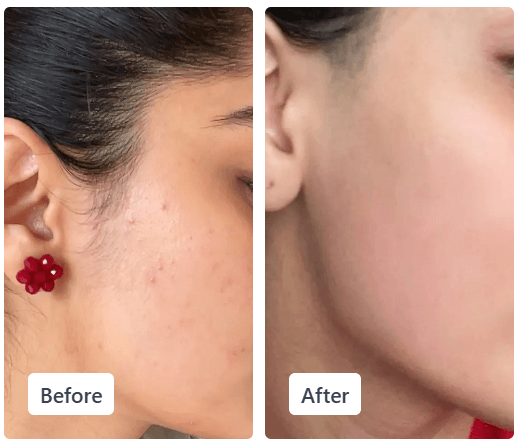
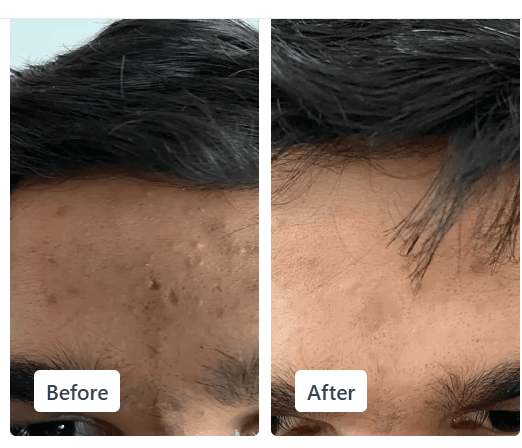
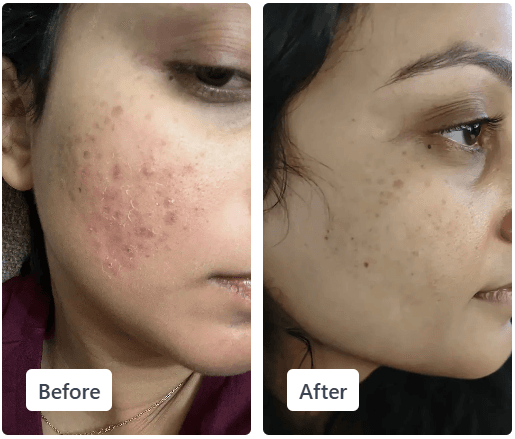
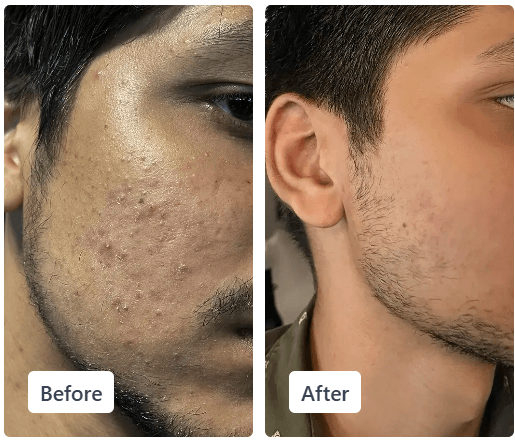
See real results, then start your own
Take the free Clear Ritual Skin Test and get a personalized routine built for your skin's unique patterns.
How Does Sunscreen for Oily Acne-Prone Skin Work?
Sunscreen for oily, acne-prone skin works by combining UV-filtering agents with sebum-controlling and pore-respecting ingredients. Here is the mechanism, step by step:
-
UV filters absorb or reflect radiation. Chemical filters (like avobenzone or octinoxate) absorb UV photons and convert them to heat. Mineral filters (zinc oxide, titanium dioxide) sit on the skin surface and physically deflect UV rays before they penetrate.
-
Mattifying agents absorb excess sebum. Ingredients like silica, niacinamide, or kaolin clay bind to surface oil, reducing shine without stripping the skin barrier. This prevents the greasy finish that causes many oily-skin users to skip sunscreen.
-
Non-comedogenic carriers prevent pore blockage. Instead of petrolatum or coconut oil, these formulas use cyclopentasiloxane, dimethicone in trace amounts, or water-gel bases [carriers that spread evenly without settling inside follicles].
-
Anti-inflammatory actives reduce UV-triggered acne flares. UV radiation elevates inflammatory cytokines in the skin, which can worsen existing acne. Formulas containing niacinamide (typically 2-5%) or centella asiatica help suppress this response.
-
Film-forming polymers maintain SPF integrity through sweat. Oily skin tends to produce sweat and sebum that dilute sunscreen. Polymers like acrylates/C10-30 alkyl acrylate crosspolymer stabilise the UV filter film across the skin surface for up to 2-3 hours of moderate activity.
Common misconception cleared up: Sunscreen does not cause breakouts. Clinical evidence consistently shows that comedogenic ingredients inside some sunscreens cause breakouts, not UV protection itself. Switching to a certified non-comedogenic formula typically resolves this issue within 4-6 weeks.
Key Benefits of Sunscreen for Oily Acne-Prone Skin
Sunscreen for oily, acne-prone skin delivers both immediate and long-term benefits when used consistently.
Short-term benefits (within days to 4 weeks):
- Reduced post-acne mark darkening: UV exposure deepens post-inflammatory hyperpigmentation (PIH) within 48 hours of sun contact. Blocking UV slows this process immediately.
- Mattified finish throughout the day: Silica-based formulas can reduce measured sebum levels on the skin surface by up to 30% over 4 hours compared to wearing nothing.
- Reduced UV-triggered inflammation: Studies suggest broad-spectrum SPF use lowers skin surface inflammation markers within 2 weeks of consistent application [1].
Long-term benefits (4 weeks to 6 months):
- Faster PIH clearance: Dermatology research indicates that PIH fades approximately 33-40% faster when SPF 30+ is applied daily versus no sun protection [2].
- Reduced risk of acne scarring: UV radiation degrades collagen and slows wound healing, increasing the probability of permanent scarring. SPF use preserves collagen turnover.
- Prevention of premature ageing: UVA penetrates dermis and breaks down elastin. Consistent SPF use reduces visible photoageing by up to 24% over a 4.5-year period [3].
- Supports active acne treatment efficacy: Retinoids, AHAs, and benzoyl peroxide all increase photosensitivity. Sunscreen use preserves the effectiveness of these treatments and reduces the risk of chemical burn.
Who benefits most: Individuals using prescription-strength retinoids, those with Fitzpatrick skin types III-VI (higher PIH risk), and anyone spending more than 20 minutes outdoors daily.
According to The Clear Ritual's formulation team, consistent SPF use is one of the highest-return interventions in any acne management protocol.
See real results, then start your own
Take the free Clear Ritual Skin Test and get a personalized routine built for your skin's unique patterns.
Types of Sunscreen for Oily Acne-Prone Skin: Which Is Right for You?
Three primary types of sunscreen are relevant for oily, acne-prone skin. Each works through a different mechanism and suits different preferences.
Mineral Sunscreen
Mineral sunscreen uses zinc oxide and/or titanium dioxide as active ingredients. These sit on top of the skin and physically deflect UV rays. Zinc oxide also carries mild anti-inflammatory and antimicrobial properties, which may reduce acne-causing bacteria on the skin surface.
- Best for: Sensitive, reactive, or cystic acne-prone skin; individuals who are post-procedure (peels, laser).
- Limitation: Can leave a white cast, especially on deeper skin tones.
Chemical Sunscreen
Chemical sunscreen uses organic UV-absorbing compounds (avobenzone, homosalate, octisalate, tinosorb). These are absorbed into the upper skin layers and convert UV energy to heat. Chemical formulas tend to be lighter and invisible on skin.
- Best for: Users who need a seamless, no-white-cast formula; those who layer sunscreen under makeup.
- Limitation: Some chemical filters (oxybenzone) may cause sensitivity in reactive skin types. Requires 20 minutes to activate after application.
Hybrid (Mineral + Chemical) Sunscreen
Hybrid formulas combine mineral and chemical filters to balance broad-spectrum coverage with cosmetic elegance. They typically achieve PA+++ or PA++++ ratings with lighter textures than pure mineral formulas.
- Best for: Most oily, acne-prone users who want broad coverage without white cast or heaviness.
- Limitation: Slightly more complex ingredient lists; patch testing is advisable.
Type Comparison Table
| Feature | Mineral | Chemical | Hybrid |
|---|---|---|---|
| UV mechanism | Physical deflection | Absorption + heat conversion | Both |
| White cast risk | High | Low | Low-Medium |
| Acne benefit | Anti-inflammatory (zinc) | Minimal | Moderate |
| Activation time | Immediate | 20 minutes | 15-20 minutes |
| Best skin type | Sensitive, reactive | Normal-oily | Oily, acne-prone |
| PA rating achievable | PA+++ | PA++++ | PA++++ |
Matte vs. Dewy Sunscreen, and Mineral vs. Chemical: An Honest Comparison
Matte or Dewy Sunscreen: Which Is Better for Oily Skin?
Matte-finish sunscreens are clearly better suited to oily, acne-prone skin. Dewy-finish formulas typically contain glycerin, hyaluronic acid, or humectant levels that increase surface moisture, which, on already-oily skin, amplifies shine and may increase the likelihood of makeup slippage or pore congestion.
Matte sunscreens contain oil-absorbing particles (silica, talc, starch) that manage sebum production throughout the day. Clinically, matte formulas show higher user compliance in oily skin types because they do not intensify the appearance of shine within 2 hours of application.
Is Mineral or Chemical Sunscreen Better for Oily Skin?
For most oily, acne-prone individuals, chemical or hybrid sunscreens offer a better cosmetic experience and equivalent UV protection. Mineral sunscreens can feel chalky and may ball up under makeup. However, for those with both oily and sensitive or reactive skin, mineral formulas with zinc oxide are preferable because zinc carries inherent anti-inflammatory properties that can reduce acne lesion count over time.
Feature-by-Feature Breakdown
| Factor | Matte Formula | Dewy Formula |
|---|---|---|
| Shine control | Excellent | Poor |
| Moisture delivery | Minimal | High |
| Makeup compatibility | High | Low-Medium |
| Recommended for oily skin | Yes | No |
| PIH prevention | Equivalent | Equivalent |
Pros and Cons
Matte Sunscreen
- ✅ Controls shine for 4-6 hours
- ✅ Layers under makeup without pilling
- ✅ Higher compliance in oily skin types
- ❌ Can feel dry on combination skin in winter
- ❌ May require reapplication in high-humidity environments
Dewy Sunscreen
- ✅ Hydrates dry or combination skin
- ✅ Imparts a healthy-looking finish
- ❌ Worsens shine and greasiness on oily skin
- ❌ More likely to cause makeup breakdown
- ❌ May increase perception of pore size
How to Apply Sunscreen for Oily Acne-Prone Skin: Step-by-Step Guide
Prerequisites
- Cleanser suited to oily skin (gel or foaming)
- Lightweight, non-comedogenic moisturiser (optional but recommended)
- Broad-spectrum SPF 30+ non-comedogenic sunscreen
Step-by-Step Application
-
Cleanse your face. Use a gentle gel or foaming cleanser to remove overnight sebum and debris. Sunscreen applied to dirty skin sits unevenly and reduces SPF efficacy.
-
Apply moisturiser if needed. Oily skin still needs hydration. A lightweight water-gel moisturiser prevents the skin barrier from over-producing sebum in response to dehydration. Wait 60 seconds for absorption.
-
Dispense the correct amount of sunscreen. Use approximately ¼ teaspoon (1.25 mL) for the face, or the "two-finger rule" [two full stripes of product along the index and middle finger]. Studies show most users apply only 25-50% of the recommended amount, reducing effective SPF by half [4].
-
Apply in sections, not all at once. Dot sunscreen across forehead, both cheeks, nose, and chin. This ensures even coverage rather than heavy application in one area.
-
Spread gently in outward strokes. Avoid rubbing aggressively, which disrupts the UV filter film. Pat any remaining product around the eye contour area.
-
Wait the required activation time. Chemical and hybrid formulas require 15-20 minutes before UV exposure. Mineral formulas are effective immediately.
-
Reapply every 2 hours during sun exposure. SPF degrades with UV exposure, sweat, and touch. In oily skin, reapplication using SPF-infused powder or a lightweight mist can minimise adding layers to skin.
Common Mistakes to Avoid
Do not: Apply sunscreen as the first step. It should follow all active treatments and moisturiser. Do not: Use less than the recommended quantity, under-application reduces effective SPF exponentially. Do not: Skip sunscreen on cloudy days. Up to 80% of UV radiation penetrates cloud cover [5]. Do not: Rely on SPF in foundation alone, cosmetic SPF rarely achieves even distribution.
Quick-Start Checklist
- [ ] Non-comedogenic label confirmed
- [ ] Minimum SPF 30, broad-spectrum
- [ ] Matte or gel-finish formula selected
- [ ] ¼ teaspoon measured and applied
- [ ] Reapplication planned for 2-hour intervals
Who Should Use Sunscreen for Oily Acne-Prone Skin?
| Ideal For | Not Ideal Without Adjustment |
|---|---|
| Active acne with PIH or dark marks | Extremely dry or flaky skin (may need richer formula) |
| Users on retinoids, AHAs, BHAs, or benzoyl peroxide | Allergy to specific chemical UV filters (switch to mineral) |
| Fitzpatrick skin types III-VI (higher PIH risk) | Users with skin conditions requiring specialist guidance |
| Anyone spending 20+ minutes outdoors daily | Those expecting sunscreen to replace other acne treatments |
| Post-procedure skin (peels, microneedling) | People who rely only on moisturiser with SPF |
| Teenagers and adults with oily T-zone | Those seeking a dewy finish (matte formula required instead) |
Sunscreen for oily, acne-prone skin is appropriate for nearly every adult and teenager who has acne or oily skin, with formula selection adjusted based on individual sensitivity. It is not a standalone acne treatment but an essential protective layer that prevents UV-induced worsening of active acne and marks.
What to Expect: Timeline and Results
Results from consistent sunscreen use in oily, acne-prone skin follow a predictable progression. Outcomes vary based on SPF consistency, sun exposure levels, skin tone, and whether active acne treatments are being used alongside.
Week 1-2
- Reduced darkening of new acne marks with consistent reapplication.
- Mattifying formulas show visible reduction in midday shine within the first week.
- Some users experience a brief adjustment period (1-2 weeks) when switching formulas, minor congestion is possible and typically self-resolves.
Month 1
- PIH spots appear lighter or at minimum have not deepened further.
- Acne inflammation is less likely to produce new dark marks.
- Skin texture may appear more even due to reduced UV stress on the epidermal barrier.
Month 3
- Visible lightening of existing PIH in 60-70% of users who combine sunscreen with a vitamin C serum or niacinamide [2].
- Reduced frequency of UV-triggered flares in photosensitive acne types.
- Collagen preservation becomes
Editorial Standards
Clear Ritual has Strict sourcing guidelines to ensure our content is accurate and current. We rely on peer-reviewed studies, academic research institutions, and medical associations. We strive to use primary sources and refrain from using tertiary references. See a mistake? Learn More about our Editorial Standards.