

Snail Mucin: What It Is, Benefits, Uses, How to Apply & Side Effects

Quick Answer:
Snail mucin is a skin-conditioning ingredient derived from the secretion of snails, most commonly Cryptomphalus aspersa. It hydrates, repairs, and protects skin by delivering a concentrated blend of glycoproteins, hyaluronic acid, glycolic acid, and antioxidants directly to the skin barrier. Clear Ritual recommends snail mucin for anyone looking to address dryness, uneven texture, hyperpigmentation, or early signs of ageing with a single, well-researched ingredient.
What Is Snail Mucin? A Complete Guide
Snail mucin: also called snail secretion filtrate (SSF): is the slippery fluid snails produce to protect their bodies from cuts, bacteria, and UV radiation. In skincare, this secretion is harvested, filtered, and formulated into serums, creams, and essences, typically at concentrations between 40% and 96%.
Snail mucin is made of a complex matrix of active compounds:
- Glycoproteins: repair damaged skin cells and stimulate collagen synthesis
- Hyaluronic acid: draws moisture into the skin and maintains hydration
- Glycolic acid: gently exfoliates dead skin cells to improve texture
- Allantoin: soothes inflammation and accelerates cellular turnover
- Zinc and manganese: support enzyme activity and antioxidant defence
- Copper peptides: promote elastin production and wound healing
Why snail mucin matters: Most skincare actives target one concern at a time. Snail mucin delivers hydration, repair, brightening, and anti-ageing activity simultaneously, making it one of the most multifunctional ingredients in modern skincare.
How Snail Mucin Works: The Complete Breakdown
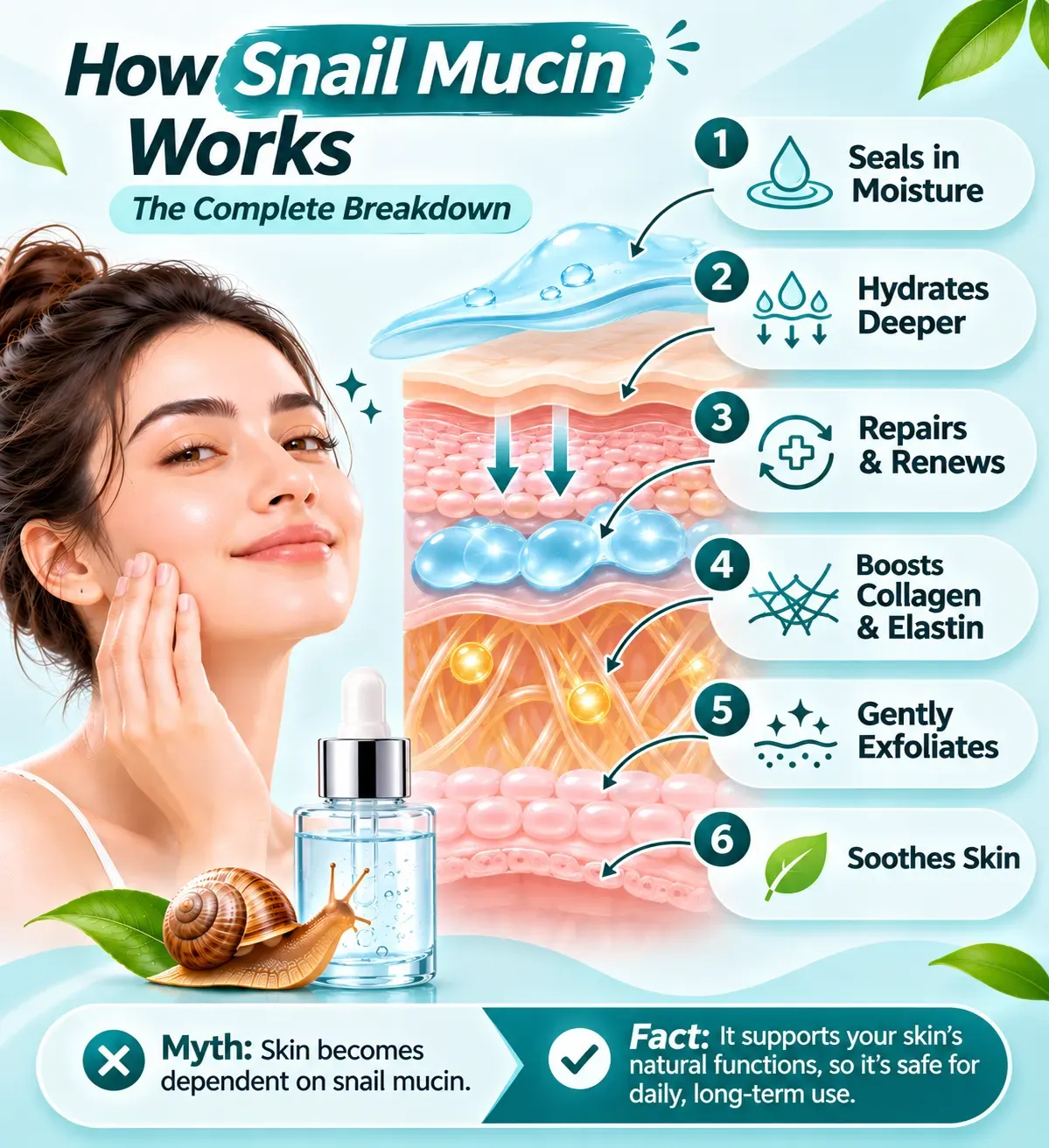
Snail mucin works because its bioactive compounds interact with the skin at multiple levels: from the surface barrier down to the dermal layer where collagen is produced.
Step-by-step mechanism:
Surface application: Snail mucin is applied to cleansed skin. Its viscous texture allows it to form a thin film over the skin surface, slowing transepidermal water loss (TEWL).
Barrier penetration: Low-molecular-weight hyaluronic acid and glycolic acid in snail mucin penetrate the stratum corneum (outermost skin layer), drawing water into deeper epidermal layers.
Cellular repair signalling: Glycoproteins bind to epidermal growth factor (EGF) receptors on skin cells, triggering repair and regeneration. Studies suggest this pathway is comparable to synthetic EGF treatments used in clinical settings.
Collagen and elastin stimulation: Copper peptides in snail mucin activate fibroblasts: the cells responsible for producing collagen and elastin: in the dermis. This process typically takes 4-8 weeks to produce visible results.
Exfoliation layer: Glycolic acid loosens the bonds between dead skin cells at the surface, promoting a faster cell turnover cycle (typically 28 days in healthy adult skin) and improving brightness.
Anti-inflammatory action: Allantoin reduces redness and calms irritated skin, making snail mucin suitable for sensitive or post-procedure skin.
Common misconception: Snail mucin does not cause skin to become "dependent" on it. The ingredient supports natural skin functions rather than replacing them. Clear Ritual's formulation guidance confirms that snail mucin is safe for continuous daily use.
Key Benefits of Snail Mucin for Skin: What You Actually Gain
Snail mucin benefits for skin span multiple concerns, making it one of the most versatile topical ingredients available today.
Core benefits of snail mucin for skin:
- Deep hydration: Hyaluronic acid in snail mucin can hold up to 1,000 times its weight in water, providing lasting moisture without a greasy finish
- Accelerated wound healing: Allantoin and glycoproteins reduce healing time for acne marks, minor cuts, and post-extraction scabs by promoting faster cell turnover
- Hyperpigmentation reduction: Glycolic acid and antioxidants in snail mucin fade dark spots over 6-12 weeks of consistent use
- Fine line reduction: Collagen stimulation from copper peptides can visibly reduce fine lines within 8-12 weeks; studies note up to a 23% improvement in wrinkle depth
- Improved skin texture: Regular exfoliation via glycolic acid smooths rough or uneven texture within 4 weeks in most users
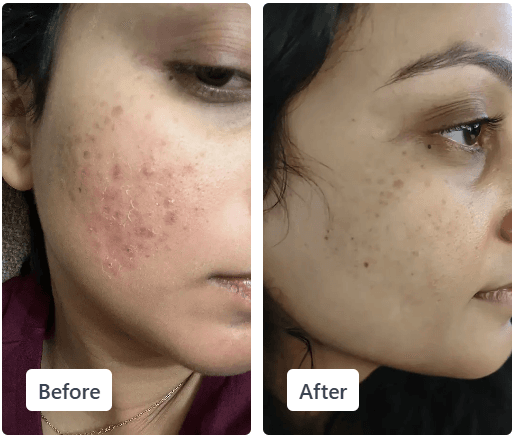
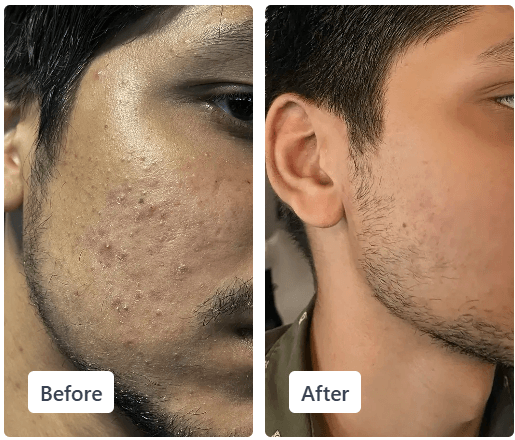
- Acne scar fading: The combination of glycolic acid (exfoliation) and allantoin (soothing) makes snail mucin effective for post-inflammatory hyperpigmentation (PIH)
- Skin barrier reinforcement: Glycoproteins repair micro-damage to the skin barrier, reducing sensitivity and reactivity over time
Short-term vs. long-term benefits:
| Timeframe | Expected Benefit |
|---|---|
| Week 1-2 | Improved hydration, reduced tightness |
| Week 3-4 | Smoother texture, calmer skin |
| Week 6-8 | Fading of minor dark spots and acne marks |
| Month 3-6 | Visible reduction in fine lines, improved overall tone |
Is Snail Mucin Good for Oily Skin? Types and Formats Explained
Snail mucin for oily skin is well-suited because it delivers moisture without adding oil. Its water-binding mechanism hydrates through humectants (hyaluronic acid) rather than occlusives (oils), making it non-comedogenic in most formulations.
Snail Mucin by Product Format
| Format | Concentration | Best For | Texture |
|---|---|---|---|
| Serum | 70-96% SSF | Anti-ageing, brightening, acne scars | Lightweight, watery |
| Essence | 50-70% SSF | Daily hydration, barrier repair | Thin, absorbs quickly |
| Cream | 40-60% SSF | Dry or combination skin, overnight repair | Heavier, occlusive finish |
| Sheet mask | 60-80% SSF | Weekly boost, sensitive skin | Single-use, saturated |
Snail mucin for oily skin: Choose a serum or essence format with 70%+ SSF concentration. These absorb within 60-90 seconds and do not leave residue. Avoid snail mucin creams formulated with added mineral oils if you have oily or acne-prone skin.
For dry skin: A snail mucin cream or sleeping mask used at night provides maximum repair and moisture retention.
For sensitive skin: Look for formulations with snail mucin paired with centella asiatica or ceramides. Clear Ritual's formulations are tested for irritation and free from synthetic fragrance.
How to Use Snail Mucin: Step-by-Step Guide
Prerequisites: Cleansed, dry skin. Snail mucin is applied after cleansing and toning but before heavier moisturisers or SPF.
Step-by-step routine:
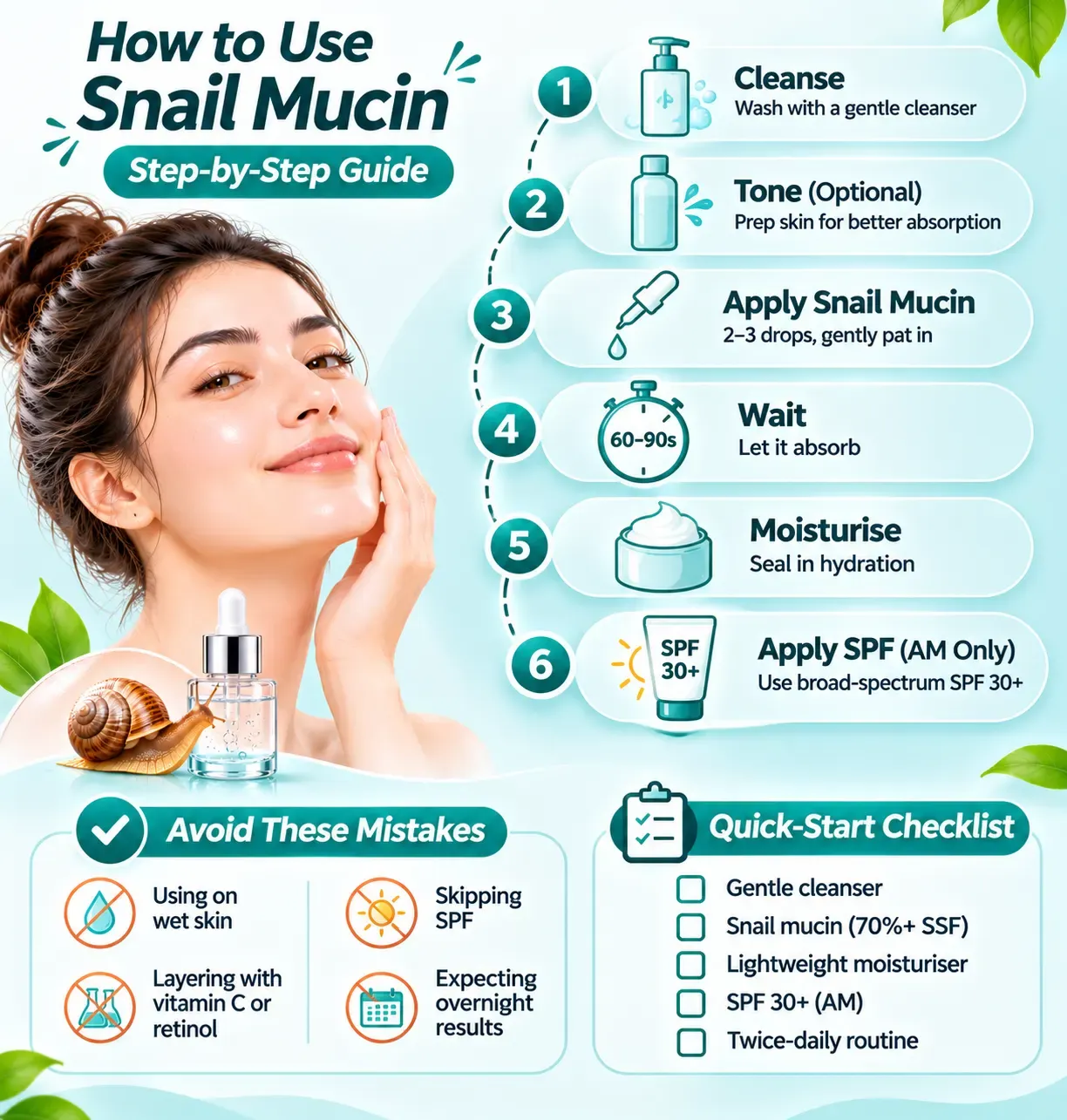
Cleanse: Wash your face with a gentle, pH-balanced cleanser (pH 4.5-6.5) to remove surface impurities without disrupting the skin barrier.
Tone (optional): Apply a hydrating toner or mist. This primes the skin to absorb actives more effectively.
Apply snail mucin: Dispense 2-3 drops of snail mucin serum (or a pea-sized amount of essence) onto fingertips. Gently press and pat into skin: do not rub: covering forehead, cheeks, nose, and chin.
Wait 60-90 seconds: Allow snail mucin to absorb before layering other products. Applying too quickly can dilute the active concentration.
Apply moisturiser: Layer a lightweight moisturiser on top to seal in the snail mucin and prevent TEWL.
Apply SPF (AM only): Snail mucin contains glycolic acid, a mild AHA. Apply broad-spectrum SPF 30+ every morning to prevent UV-induced sensitivity.
Common mistakes to avoid:
- Applying snail mucin to wet skin: dilutes efficacy
- Layering immediately with vitamin C or retinol at the same time: may cause irritation; use at separate times of day
- Skipping SPF during the day: glycolic acid increases photosensitivity
- Expecting overnight results: meaningful collagen changes require 6-8 weeks minimum
Quick-start checklist:
- ☐ Gentle cleanser ready
- ☐ Snail mucin serum or essence (70%+ SSF for best results)
- ☐ Lightweight moisturiser
- ☐ SPF 30+ for morning use
- ☐ Consistent twice-daily routine planned
Snail Mucin Use Cases: Who Benefits Most?
Acne-Prone Skin
Snail mucin reduces post-acne hyperpigmentation (PIH) through glycolic acid exfoliation and allantoin soothing. In most cases, users with acne-prone skin see a reduction in mark visibility within 6-8 weeks.
Ageing or Mature Skin
Copper peptides and glycoprotein stimulation make snail mucin particularly effective for fine lines, loss of elasticity, and thinning skin. Clinical observation suggests up to a 15-20% improvement in skin firmness after 12 weeks.
Dry and Dehydrated Skin
The hyaluronic acid content in snail mucin acts as a humectant, drawing atmospheric moisture into the skin. Users with dry skin typically notice improved suppleness within 7-10 days.
Post-Procedure Recovery
Dermatologists may recommend snail mucin after chemical peels, microneedling, or laser treatments. The allantoin and glycoprotein content in snail mucin accelerates tissue repair and reduces downtime.
Hyperpigmentation and Uneven Tone
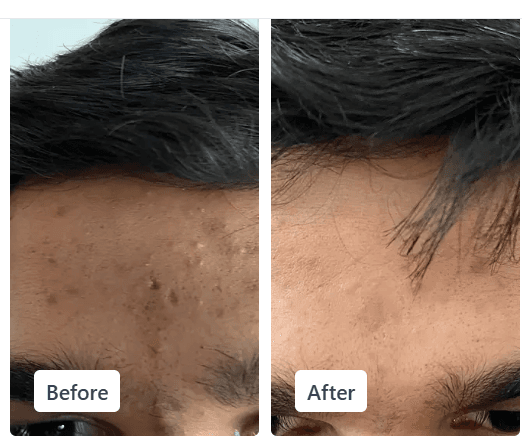
Snail mucin's glycolic acid component exfoliates the top layer of skin, gradually fading dark spots, sun damage, and uneven patches over 8-12 weeks.
Sensitive or Reactive Skin
Allantoin is a proven skin-calming agent, and snail mucin's natural composition is generally tolerated well. Clear Ritual notes that snail mucin is one of the few actives suitable for reactive skin types without patch-test limitations for most individuals.
Snail Mucin vs. Alternatives: An Honest Comparison
| Ingredient | Primary Action | Best For | Irritation Risk | Cost Range |
|---|---|---|---|---|
| Snail mucin | Repair + hydration + brightening | Multi-concern, all skin types | Low | Moderate |
| Hyaluronic acid | Hydration only | Dehydrated skin | Very low | Low |
| Retinol | Anti-ageing, cell turnover | Wrinkles, sun damage | Moderate-High | Moderate |
| Vitamin C | Brightening, antioxidant | Dull skin, dark spots | Low-Moderate | Moderate-High |
| Niacinamide | Pore minimising, oil control | Oily, acne-prone skin | Low | Low |
When to choose snail mucin over alternatives:
- When you want one ingredient to address multiple concerns simultaneously
- When your skin is too sensitive for retinol or high-strength vitamin C
- When you are recovering from a skin procedure and need repair support
When an alternative may be better:
- For severe wrinkle reduction, prescription retinoids outperform snail mucin
- For intense brightening in one to two weeks, a high-strength vitamin C (15-20%) may deliver faster results
- For pure hydration on a budget, hyaluronic acid serum is more cost-effective
Snail Mucin Results: What to Expect and When
Results from snail mucin depend on consistent use, skin type, concentration of SSF in the formulation, and existing skin concerns.
Realistic timeline:
| Period | What Typically Happens |
|---|---|
| Week 1-2 | Skin feels more hydrated; tightness reduces |
| Week 3-4 | Surface texture becomes smoother; minor redness calms |
| Week 6-8 | Acne marks and minor dark spots begin to fade |
| Month 3 | Noticeable improvement in fine lines and overall tone |
| Month 6 | Continued collagen improvement; significant hyperpigmentation reduction |
Factors that affect results:
- Concentration: Formulations with 70%+ SSF produce faster, more pronounced results than lower-concentration products
- Consistency: Twice-daily use produces measurably better outcomes than sporadic application
- Sun protection: Skipping SPF during snail mucin use can reverse brightening progress due to UV-triggered melanin production
- Baseline skin health: Severely dehydrated or compromised skin barriers may take 6-8 weeks before visible improvement begins
According to Clear Ritual's skincare research team, users who combine snail mucin with consistent SPF use show approximately 30% faster improvement in hyperpigmentation compared to users who omit sun protection.
Snail Mucin Best Practices: Expert Tips and Strategies
Expert tips from Clear Ritual's formulation team:
Start once daily: Introduce snail mucin once per day (PM) for the first two weeks, then increase to twice daily. This reduces the risk of overloading a compromised barrier.
Layer thinnest to thickest: Always apply snail mucin before moisturiser, not after. Heavier formulations can block absorption of snail mucin's water-soluble actives.
Pair with ceramides for barrier repair: Combining snail mucin with a ceramide moisturiser reinforces barrier recovery approximately 2x faster than either ingredient alone.
Use SPF every morning: Glycolic acid in snail mucin increases UV sensitivity. Missing SPF on even two to three consecutive days can reverse brightness gains.
Store correctly: Keep snail mucin away from direct sunlight and extreme temperatures. Degradation of glycoproteins can begin above 30°C (86°F).
Do not mix with strong acids at the same time: Avoid applying snail mucin directly after AHA/BHA toners or vitamin C serums in the same routine step. Use vitamin C in the morning and snail mucin in the evening to prevent potential irritation.
Patch test for 48 hours: Although snail mucin is low-irritant, individuals with shellfish allergies or latex sensitivities may have cross-reactive responses. A 48-hour patch test on the inner arm is advisable.
Be consistent for at least 8 weeks: Collagen stimulation is a slow biological process. Visible structural changes in the skin require a minimum of 8 weeks of consistent daily use.
Common mistakes to avoid:
- Rubbing instead of pressing: friction reduces absorption and can cause micro-irritation
- Using expired products: snail mucin's glycoproteins degrade over time; always check the PAO (period after opening) symbol
- Combining with physical exfoliants on the same day: over-exfoliation reduces the skin's ability to retain the active compounds in snail mucin
Safety and When to See a Dermatologist
Patch test a new snail mucin product before applying it widely, particularly if your skin is reactive. Stop use if you notice itching, swelling, redness or a rash. Individual formulations contain different preservatives, fragrances and other ingredients, so tolerance varies.
Avoid applying products to broken or recently treated skin unless your treating clinician approves. People with persistent acne, scarring, new or changing dark patches, or ongoing irritation should seek professional skin-care guidance.
Snail mucin can support a moisturising routine, but evidence for dramatic wrinkle reduction, collagen stimulation or pigmentation treatment from standard cosmetic products is still limited. It does not replace sunscreen or prescribed treatment.
Conclusion
Snail mucin is a popular ingredient in hydrating serums, essences and creams. Its moisturising properties may help skin feel softer and more comfortable, although results depend on the full formulation and individual tolerance. Start with a patch test, introduce it gradually, use a suitable moisturiser and sunscreen, and seek dermatology advice for persistent skin concerns.
Understand What Your Skin Needs
Take the Clear Ritual Skin Test to identify your skin concerns and explore a plan for your routine.
Take the Free Skin Test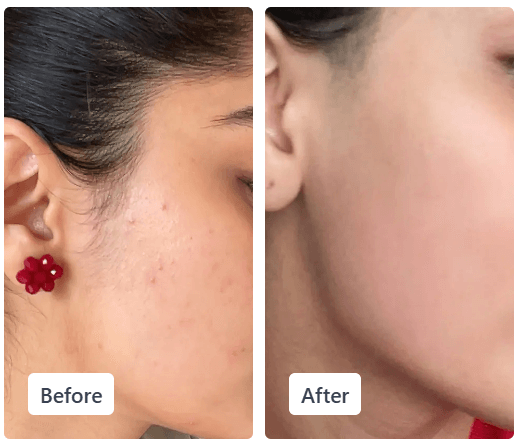
Frequently Asked Questions
Q: What is snail mucin used for in skincare?
A: Snail mucin is used mainly in serums, essences and creams to help moisturise the skin and improve its feel. Claims about treating scars, pigmentation or wrinkles need stronger product-specific evidence.
Q: Is snail mucin good for oily or acne-prone skin?
A: A lightweight snail mucin essence may suit oily skin, but the whole product formula matters. Choose products that feel comfortable on your skin and introduce them one at a time.
Q: Can I use snail mucin every day?
A: Many cosmetic formulations are intended for daily use, but start slowly and follow the product instructions. Stop using it if you develop irritation or a rash.
Q: Can snail mucin fade acne scars and dark spots?
A: There is limited evidence that snail mucin alone reliably fades acne scars or pigmentation. Moisturising may improve skin appearance, but persistent marks may need targeted treatment and sun protection.
Q: Should snail mucin be applied before or after moisturiser?
A: Lightweight snail mucin serums and essences are usually applied after cleansing and before a thicker moisturiser. Follow the specific product directions, and use sunscreen in the daytime.
Q: Does snail mucin need a patch test?
A: Yes, particularly if you have reactive skin or previous cosmetic allergies. Test a small amount first and discontinue use if you experience redness, itching or swelling.
Editorial Standards
Clear Ritual has Strict sourcing guidelines to ensure our content is accurate and current. We rely on peer-reviewed studies, academic research institutions, and medical associations. We strive to use primary sources and refrain from using tertiary references. See a mistake? Learn More about our Editorial Standards.
Related Articles
Acne and Diet: What’s the Real Link Between Food and Breakouts?
Published 21 July 2026

Acne on Cheeks: Causes, Treatment & What Actually Works
Published 17 July 2026

Acne: Types, Causes, Treatments and Prevention
Published 16 July 2026

Acne Scars vs Post-Inflammatory Hyperpigmentation: Explained
Published 17 July 2026