Best Face Masks for Acne and Healthier-Looking Skin
Quick Answer:
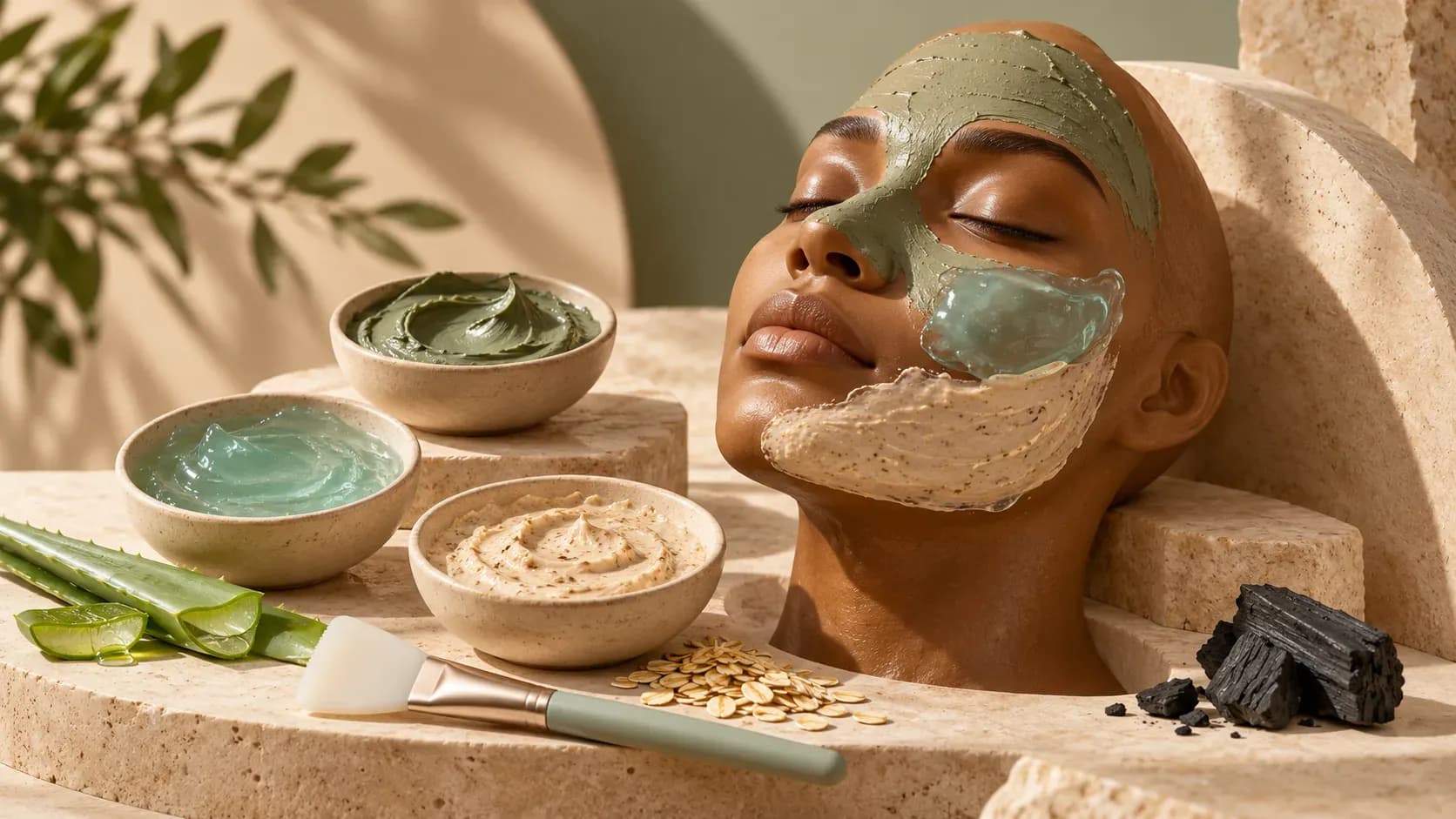
Face masks for acne can help manage excess oil and clogged pores while supporting healthier-looking skin. The best face masks for acne may contain ingredients such as salicylic acid or kaolin clay, which can help exfoliate, absorb excess oil, and reduce congestion without unnecessarily drying or irritating the skin.
Which Face Masks Are Best for Acne?
The best face masks for acne prone skin depend on your skin’s needs. If you have acne-prone skin, look for ingredients that help manage excess oil and clogged pores without causing unnecessary dryness or irritation.
| Face Mask Type | How It May Help |
|---|---|
| Clay masks | Absorb excess oil and reduce shine |
| Salicylic acid masks | Help unclog pores and manage breakouts |
| Soothing masks | Help calm redness and irritation |
| Hydrating masks | Help relieve dryness, especially when acne treatments leave your skin dry |
Are Homemade Face Masks Good for Oily, Acne-Prone Skin?
Homemade face masks for oily skin and acne may temporarily absorb excess oil or soothe the skin, but they are not necessarily safer than formulated products.
Some DIY face masks for acne can cause irritation and worsen acne-prone skin. Avoid harsh DIY ingredients such as:
- Lemon juice, which can irritate the skin.
- Baking soda, which may disrupt the skin barrier.
- Undiluted essential oils, which can cause irritation or allergic reactions.
If you prefer a simpler approach, choose a gentle clay mask for excess oil, a soothing mask for irritation, or a properly formulated salicylic acid mask for clogged pores.
How Often Should You Use a Face Mask for Acne?
Usually, once or twice a week may be enough, but the right frequency depends on the mask, its ingredients and how your skin tolerates it.
- Follow the product instructions: Use the mask as directed rather than assuming more frequent use will work better.
- Avoid ingredient overload: Don’t layer multiple exfoliating products with a mask, especially if your routine already contains acids or other potentially irritating ingredients.
- Watch your skin’s response: Stop using the mask if you develop burning, significant redness or persistent irritation.
- Moisturise afterwards: If the mask leaves your skin feeling dry or tight, apply a gentle moisturiser afterwards.
For face masks for acne-prone skin, consistency matters more than using a mask frequently. Homemade face masks for oily skin and acne or DIY face masks for acne should also be approached cautiously, as some kitchen ingredients can irritate acne-prone skin.
What Ingredients Should You Look For in Face Masks for Acne?
Look for ingredients that target excess oil, clogged pores or irritation without unnecessarily drying your skin.
| Ingredient | How It May Help |
|---|---|
| Clay | May absorb excess oil and reduce shine. |
| Salicylic acid | Helps unclog pores and manage breakouts. |
| Aloe vera | May help soothe irritated skin. |
| Colloidal oatmeal | May help calm and support irritated skin. |
You do not need a mask packed with multiple active ingredients. Choose based on what your skin needs and how well it tolerates the formula.
Understand Your Acne-Prone Skin
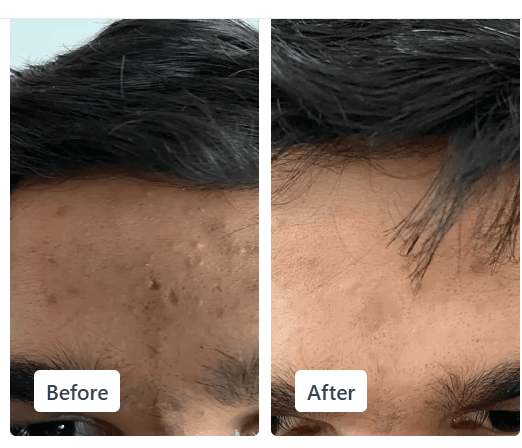
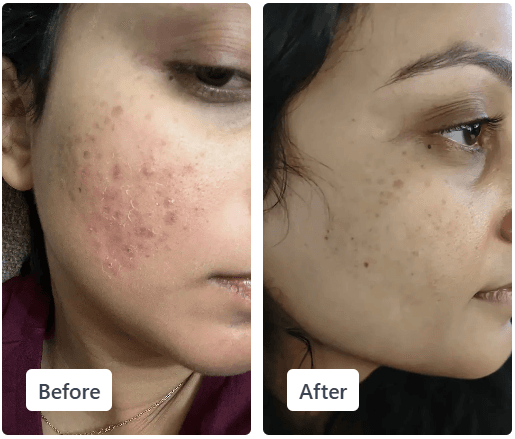
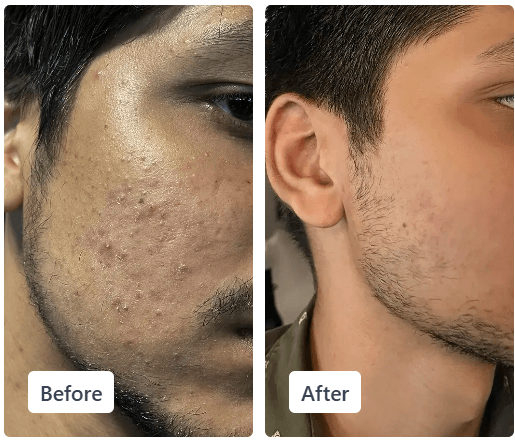
The Clear Ritual Skin Test can help you identify your skin type and concerns, making it easier to build a routine suited to your skin’s needs and choose care that complements your acne-prone skin.
Take the Free Skin Test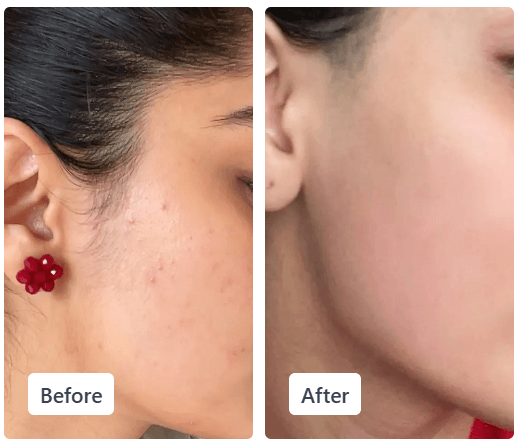
What Should You Avoid in Face Masks for Acne-Prone Skin?
Not every face mask is suitable for acne-prone skin. Avoid ingredients or habits that can strip, irritate or physically stress your skin.
- Harsh scrubbing particles: They can cause friction and worsen irritation.
- Lemon juice: Its acidity can irritate sensitive or acne-prone skin.
- Baking soda: It can be too harsh and drying for facial skin.
- Undiluted essential oils: These may trigger irritation or sensitivity.
- Strong fragrances: Consider avoiding them if your skin is easily irritated.
- Leaving masks on too long: Follow the recommended time, especially with clay or exfoliating masks.
When choosing face masks for acne prone skin, a gentler formula is generally easier to fit into an acne-friendly routine.
Can Face Masks Treat Acne?
Face masks may support acne-prone skin, but they are not a complete acne treatment. Some masks may help temporarily with excess oil, dryness or irritation, depending on their ingredients.
However, they do not replace treatments that target the underlying causes of acne.
If you have persistent, painful, cystic or scarring acne, a dermatologist can recommend evidence-based treatment based on the type and severity of your acne.
Clear Ritual’s Perspective on Face Masks for Acne
Skin care for acne should not be about adding more products to your routine. Start by understanding your skin and acne pattern, including concerns such as excess oil, clogged pores, dryness, irritation or recurring breakouts.
At Clear Ritual, we believe understanding your skin concerns is the first step towards building a routine that supports your skin without unnecessary products or irritation.
The Clear Ritual Skin Test can help you identify your skin type and concerns, making it easier to build a routine suited to your skin’s needs and choose care that complements your acne-prone skin.
Frequently Asked Questions
1. Can face masks cure acne?
Some face masks may help manage excess oil or soothe skin, but they cannot replace evidence-based acne treatments.
2. What is the best face mask for acne-prone skin?
There is no single best mask. Choose one suited to your skin type, concerns and tolerance, without unnecessary irritating ingredients.
3. Are clay masks good for oily acne-prone skin?
Clay masks may temporarily absorb excess oil, but overuse can dry or irritate acne-prone skin.
4. Can you use homemade face masks for acne?
Some DIY ingredients can irritate acne-prone skin. Avoid lemon juice, baking soda, harsh scrubs and undiluted essential oils.
5. How often should you use a face mask for acne?
Usually once or twice a week may be enough, but follow the product instructions and adjust based on your skin’s tolerance.
References
- American Academy of Dermatology (AAD), Do facial masks work, and should I add one to my skin care routine?
- American Academy of Dermatology (AAD), 10 skin care habits that can worsen acne
- American Academy of Dermatology (AAD), American Academy of Dermatology issues updated guidelines for the management of acne
- American Academy of Dermatology (AAD), Adult acne treatment dermatologists recommend
- American Academy of Dermatology (AAD), Moisturizer: Why you may need it if you have acne
- American Academy of Dermatology (AAD), How to safely exfoliate at home
Disclaimer
This article is intended for general informational purposes and is not a substitute for personalised medical advice, diagnosis or treatment. If acne is persistent, painful, severe or causing scarring, consult a qualified dermatologist.
Editorial Standards
Clear Ritual has Strict sourcing guidelines to ensure our content is accurate and current. We rely on peer-reviewed studies, academic research institutions, and medical associations. We strive to use primary sources and refrain from using tertiary references. See a mistake? Learn More about our Editorial Standards.
Related Articles
Acne After Waxing: Why Skin Breaks Out After Hair Removal
Published 16 July 2026
Acne and Diet: What’s the Real Link Between Food and Breakouts?
Published 21 July 2026

Acne Around the Mouth: Causes, Triggers and Treatment Options
Published 16 July 2026
Acne Caused by Makeup: Understanding Acne Cosmetica
Published 17 July 2026