Clay Mask For Blackheads: Complete Guide — How It Works, Benefits & Best Practices
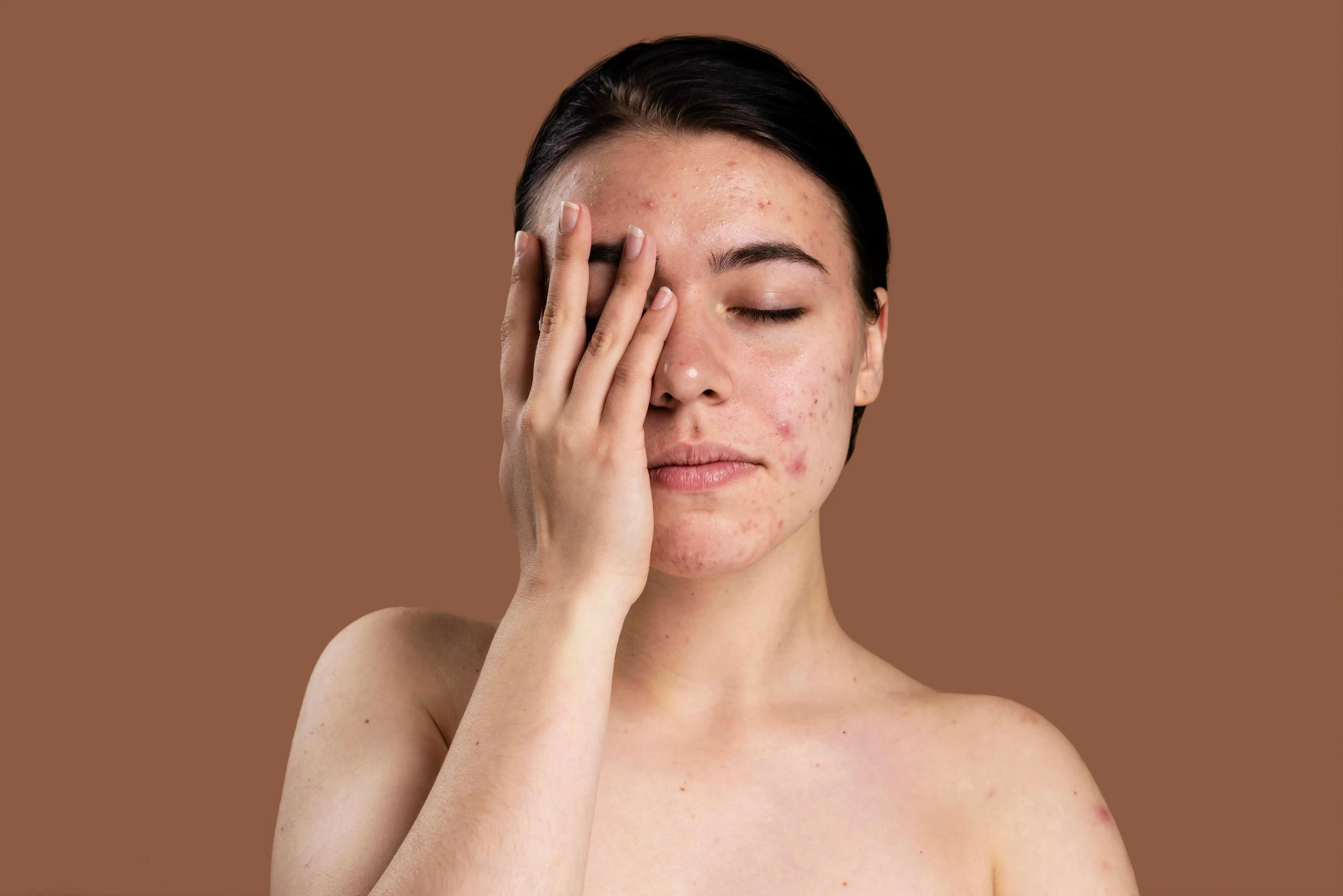
Clay masks can help reduce surface oil and make blackheads look less visible, especially on oily or combination skin. Use a mask suited to your skin type once or twice weekly, remove it before it cracks fully, and apply a lightweight moisturiser afterwards. Avoid use on sunburned, broken, very dry, or irritated skin, and see a dermatologist for persistent, inflamed, or scarring acne.
Reviewed by The Clear Ritual Skin Care Team
What Is a Clay Mask for Blackheads?
A clay mask for blackheads is a topical skin care product made from mineral-rich clays, most commonly kaolin, bentonite, or French green clay, that binds to oil, sebum, and cellular debris trapped inside pores. When the mask dries, it contracts slightly, physically pulling these impurities toward the surface for removal.
Blackheads, known clinically as open comedones, form when a follicle becomes plugged with sebum and dead skin cells. The plug oxidises on contact with air, turning the characteristic dark colour. Clay masks address this directly by reducing the volume of oil and debris inside the pore before oxidation can occur.
The Clear Ritual formulation team notes that clay masks are not a one-time fix, consistent weekly use over 4-8 weeks is typically required before visible blackhead reduction is observed.
Key terms defined:
- Kaolin clay, a fine, mild clay suited to sensitive and dry skin
- Bentonite clay, a highly absorbent swelling clay, better suited to oily skin
- Open comedone, the technical name for a blackhead; a pore clogged with oxidised sebum
- Sebum, the skin's natural oil, produced by sebaceous glands
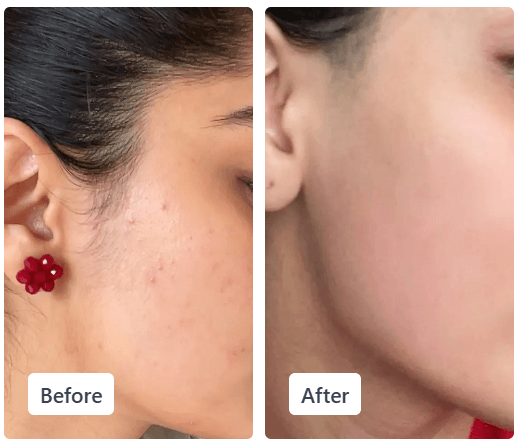
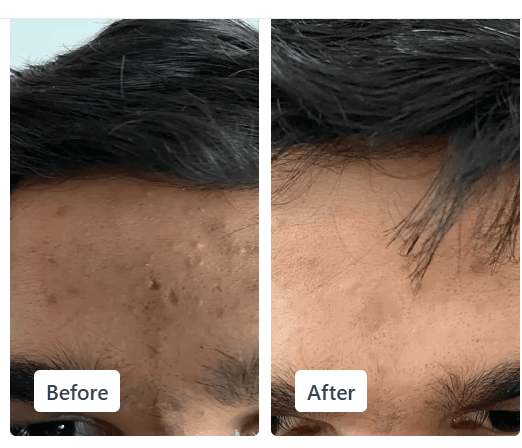
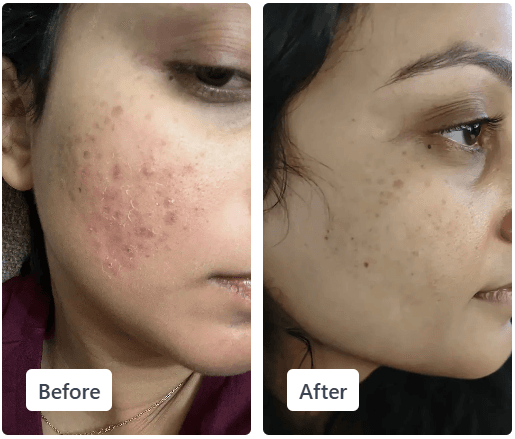
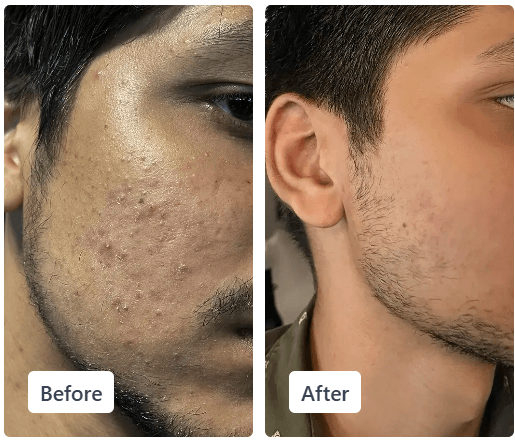
See real results, then start your own
Take the free Clear Ritual Skin Test and get a personalized routine built for your skin's unique patterns.
How Does a Clay Mask for Blackheads Work?
A clay mask for blackheads works because clay minerals carry a net negative electrical charge, which attracts positively charged ions in sebum and toxins, pulling them out of the follicle through adsorption, not absorption.
Step-by-step mechanism:
- Application, The wet clay paste is spread over the skin in a thin, even layer. At this stage, the clay is fully hydrated and its pores are open.
- Drying phase, Over 10-20 minutes, water evaporates from the mask. As moisture leaves, the clay particles contract and tighten against the skin surface.
- Adsorption, During drying, clay minerals bind to sebum, dead skin cells, and surface bacteria inside the follicle. Studies on bentonite clay show adsorption capacity of up to 6 times its own weight in oil [1].
- Removal, When rinsed off, the bound impurities are carried away with the clay. This leaves the follicle partially cleared.
- Post-mask state, The follicle opening appears temporarily reduced in size because it holds less material. Pores do not permanently shrink, but they may appear smaller for 12-24 hours after use.
Common misconception: Clay masks do not "open" pores. Pores do not have muscles and cannot open or close. Steam before masking softens the plug, making removal easier, but the clay works through adsorption regardless of pre-treatment.
What Are the Benefits of Using a Clay Mask for Blackheads?
Clay masks for blackheads deliver both immediate and cumulative skin benefits, primarily by reducing excess sebum and clearing follicular debris.
Short-term benefits (visible within 1-2 uses):
- Skin surface feels less oily within hours of a single application
- Pores may appear visibly smaller for up to 24 hours post-use
- Skin texture feels smoother due to light exfoliation from clay particles
- Mild anti-inflammatory effect can reduce redness around congested pores
Long-term benefits (visible after 4-8 weeks of consistent use):
- Reduction in the frequency of new blackhead formation
- Decreased overall sebum production in oily skin types with regular use
- Improved skin clarity and more even tone
- Reduced risk of blackheads progressing to inflammatory acne (papules, pustules)
Can clay masks help improve the appearance of pores?
Yes, clay masks can temporarily improve the appearance of enlarged pores by clearing the debris that stretches them. Research published in the International Journal of Cosmetic Science found that kaolin-based masks reduced sebum output by approximately 22% in participants with oily skin after four weeks of twice-weekly use [2]. The Clear Ritual team notes that pore size itself is genetically determined; clay masks improve appearance, not anatomy.
| Benefit | Timeframe | Evidence Level |
|---|---|---|
| Reduced surface oiliness | Immediate (same day) | High |
| Temporarily smaller-looking pores | 12-24 hours | High |
| Fewer new blackheads | 4-8 weeks | Moderate |
| Smoother skin texture | 2-4 weeks | Moderate |
| Reduced inflammatory acne risk | 6-12 weeks | Low-Moderate |
See real results, then start your own
Take the free Clear Ritual Skin Test and get a personalized routine built for your skin's unique patterns.
Types of Clay Masks for Blackheads: Which Is Right for You?
Different clay types suit different skin concerns and skin types. Choosing the wrong clay can over-dry sensitive skin or under-deliver for very oily skin.
Kaolin Clay Masks
Kaolin is the mildest clay available. It absorbs oil without stripping the skin barrier, making it suitable for dry, sensitive, and combination skin. Kaolin clay masks are generally safe for daily use on targeted areas.
Bentonite Clay Masks
Bentonite is a volcanic ash clay with high swelling capacity and strong adsorption. It is best suited to oily and acne-prone skin types. Bentonite masks should typically be used no more than twice per week, as overuse can cause dryness and irritation.
French Green Clay Masks
French green clay contains decomposed plant material alongside mineral content, giving it mild exfoliating properties in addition to oil absorption. It suits normal-to-oily skin and those dealing with both blackheads and dull texture simultaneously.
Multani Mitti (Fuller's Earth)
Multani mitti is widely used in South Asian skin care. It has strong oil-absorbing properties comparable to bentonite and is cost-effective. Best for oily skin; may over-dry sensitive or dry skin with frequent use.
Comparison table by skin type:
| Clay Type | Best Skin Type | Oil Absorption | Frequency | Key Benefit |
|---|---|---|---|---|
| Kaolin | Dry, sensitive, combination | Mild | Up to daily | Gentle; preserves barrier |
| Bentonite | Oily, acne-prone | High | 1-2x per week | Deep pore clearing |
| French Green | Normal to oily | Moderate | 1-2x per week | Exfoliation + absorption |
| Multani Mitti | Oily | High | 1-2x per week | Affordable, effective |
The Clear Ritual recommends patch-testing any new clay mask on the inner forearm for 24 hours before full-face application.
How to Use a Clay Mask for Blackheads: Step-by-Step Guide
Prerequisites and what you need:
- A clay mask suited to your skin type (see types section above)
- Clean face cloth or muslin cloth
- Lukewarm water
- Moisturiser for post-mask application
Step-by-step application:
- Cleanse your face, Wash with a gentle, non-stripping cleanser to remove surface makeup and sunscreen. Applying a clay mask over product residue reduces contact between clay and skin.
- Optional steam step, Hold your face over a bowl of warm steam for 3-5 minutes, or apply a warm damp cloth. This softens the sebum plug inside blackheads and may improve removal.
- Apply the mask, Using clean fingers or a brush, apply an even layer approximately 2-3 mm thick. Avoid the eye area and lips. Cover blackhead-prone zones: nose, chin, and forehead.
- Leave on for 10-20 minutes, Do not leave clay masks on until fully cracked and extremely tight. Remove when the mask has dried to a matte finish but before it cracks significantly. Over-drying can irritate the skin barrier.
- Rinse thoroughly, Use lukewarm water and a soft cloth to remove all clay residue. Avoid hot water, which can trigger excess oil production in response.
- Apply moisturiser immediately, Clay masks temporarily reduce hydration levels. Apply a non-comedogenic moisturiser within 2 minutes of patting dry to restore the moisture barrier.
- Frequency, Use 1-2 times per week for oily skin; once per week or once per fortnight for dry and sensitive skin.
Common mistakes to avoid:
- Leaving the mask on for longer than 20 minutes does not improve results, it increases dryness risk
- Applying to broken, sunburned, or actively inflamed skin can worsen irritation
- Skipping moisturiser after masking causes rebound oil production in some skin types
- Using a mask more than twice weekly on dry or sensitive skin disrupts the skin barrier
Clay Mask for Blackheads vs. Alternatives: An Honest Comparison
Clay masks are not the only treatment for blackheads. The right choice depends on blackhead severity, skin type, and tolerance for active ingredients.
| Treatment | Mechanism | Best For | Frequency | Key Limitation |
|---|---|---|---|---|
| Clay mask | Adsorption of sebum and debris | Mild to moderate blackheads, all skin types | 1-2x per week | Does not dissolve the plug chemically |
| Salicylic acid (BHA) | Dissolves sebum inside the follicle | Oily, acne-prone skin | Daily (low %) or 2-3x/week (higher %) | Can over-dry; not for sensitive skin |
| Pore strips | Physical adhesive removal | Quick, surface-level clearing | Max 1x per week | Only removes surface of plug; can damage capillaries |
| Retinoids | Speeds cell turnover; prevents plug formation | Persistent blackheads, ageing skin | 3x per week to nightly | Requires adaptation period; not for pregnancy |
| Professional extraction | Manual removal by a professional | Stubborn or deep blackheads | Monthly | Cost; risk of scarring if performed incorrectly |
The Clear Ritual's recommendation: Clay masks work best as part of a multi-step routine. Used alongside a low-concentration salicylic acid cleanser (0.5-2%), clay masks can address both the cause (excess sebum production) and the result (trapped plug) of blackheads more effectively than either product used alone.
Pore strips vs. clay masks: Pore strips remove only the top portion of the blackhead plug and do not address oil production. They may also cause trauma to dilated pores and surrounding capillaries with repeated use. Clay masks address the underlying sebum issue more comprehensively, though results appear more gradually.
Clay Mask for Blackheads Results: What to Expect and When
Results from using a clay mask for blackheads typically build over 4-8 weeks of consistent use rather than appearing after a single application.
Realistic timeline:
| Timeframe | What You May Notice |
|---|---|
| After first use | Reduced surface oiliness; skin feels cleaner and smoother |
| Week 2-3 | Existing blackheads may appear less prominent; fewer new ones forming |
| Week 4-6 | Visible reduction in blackhead density on nose and chin in most cases |
| Week 8-12 | Sustained improvement in overall pore appearance and skin clarity |
How long should you leave a clay mask on?
Leave a clay mask on for 10-15 minutes for sensitive or dry skin, and up to 20 minutes for oily skin. The key indicator is when the mask has dried to a matte finish. Remove before it cracks extensively, as this stage indicates over-drying has begun.
Should you use a clay mask before or after cleansing?
Always cleanse before applying a clay mask. Applying clay over sunscreen, makeup, or excess surface oil creates a barrier between the clay minerals and the skin, reducing adsorption effectiveness. Apply the mask to clean, damp skin.
Factors that affect results:
- Skin type: oily skin typically shows faster and more pronounced improvement
- Consistency: twice-weekly use produces faster results than once-weekly
- Clay type: bentonite shows stronger sebum reduction than kaolin in oily skin
- Supporting routine: use alongside non-comedogenic products for best outcomes
- Hormonal factors: hormonal acne and blackheads may require additional medical treatment
Is a Clay Mask for Blackheads Right for You?
Clay masks for blackheads are broadly suitable, but outcomes vary by skin type and blackhead cause.
| Ideal For | Not Ideal For (Consider Alternatives) |
|---|---|
| Oily and combination skin types | Dry or dehydrated skin as a primary treatment |
| Mild to moderate blackhead density | Severe or deeply embedded blackheads (consider professional extraction) |
| Preventive maintenance | Active inflammatory acne (papules, cysts), consult a dermatologist |
| Those seeking a non-medicated option | Rosacea-prone skin, clay can trigger flares |
| Weekly skin care routine adherents | Those with very sensitive skin or compromised barrier function |
| Ages 15 and above | Those with known allergies to mineral clays |
The Clear Ritual recommends clay masks as a first-line, accessible option for anyone managing mild blackheads or excess sebum. For moderate-to-severe acne or persistent blackheads that do not respond after 8-12 weeks of consistent use, a dermatologist consultation is appropriate.
Clay Mask for Blackheads Best Practices: Expert Tips
Expert tips for best results:
- Use on damp skin, not dry, Applying clay to slightly damp skin helps it spread evenly and may improve mineral contact with the follicle surface.
- Apply to targeted zones only if needed, Full-face application is suitable for oily skin; combination skin types may benefit from applying clay only to the T-zone.
- Always follow with a non-comedogenic moisturiser, This step is non-negotiable. Skipping it can trigger rebound oil production, which worsens blackheads.
- Do not mix clay masks with active acids at the same time, Using a retinol or AHA/BHA product in the same routine as a clay mask increases irritation risk significantly.
- Store clay masks correctly, Exposure to air degrades clay quality. Ensure the lid is sealed tightly after each use. Avoid contaminating the jar with wet fingers.
- Use a brush for application, A flat silicone or synthetic brush applies clay more evenly than fingers and reduces waste.
- Apply sunscreen the morning after masking, Clay masks increase temporary photosensitivity in some skin types. SPF 30 or higher is recommended the following morning.
- Time your masking session correctly, Mask in the evening, not the morning. Cleansing and masking in the morning removes the natural sebum layer the skin produced overnight, which can over-dry skin before daytime exposure.
Advanced strategies for persistent blackheads:
- Incorporate a 2% salicylic acid cleanser 3-4 days per week alongside weekly masking
- Consider a niacinamide serum on non-mask days, niacinamide reduces sebum production by up to 25% in some clinical studies [3]
- Use a gentle physical exfoliant (not both physical and chemical on the same day) to remove dead skin cells that contribute to pore blockage
Research and Data: What the Evidence Says About Clay Masks for Blackheads
The science behind clay masks for blackheads is well-established at the ingredient level, with several peer-reviewed studies supporting their efficacy.
Key studies and findings:
[1] Bentonite adsorption capacity (Williams, Haydel et al., 2008), Published in the International Geology Review, this study confirmed that natural bentonite clay has significant antimicrobial properties alongside high adsorption capacity. Bentonite reduced bacterial populations on skin by over 90% in laboratory conditions, supporting its role in reducing acne-causing bacteria alongside sebum. Takeaway: bentonite is not just an oil absorber, its antimicrobial action may contribute to reducing blackhead-to-acne progression.
[2] Kaolin and sebum reduction (Draelos & DiNardo, 2006), This study in the International Journal of Cosmetic Science found that kaolin-based masks reduced sebum output by approximately 22% after four weeks of twice-weekly application in participants with oily skin. Takeaway: even mild kaolin clay produces measurable sebum reduction with consistent use.
How Clear Ritual Supports Personalized Skincare Decisions
Clear Ritual understands that blackheads are more than a surface issue. They are shaped by genetics, skin renewal cycles, environmental factors, and the products you use.
Because blackheads form when a follicle becomes plugged with sebum and dead skin cells that oxidise on contact with air, generic solutions rarely bring lasting improvement. Clear Ritual combines traditional wisdom and modern science to address the underlying causes of blackheads.
The Clear Ritual Skin Test analyses your skin's unique patterns and daily influences to help identify the best routine for supporting healthy skin and reducing blackhead recurrence.
See real results, then start your own
Take the free Clear Ritual Skin Test and get a personalized routine built for your skin's unique patterns.
Conclusion
Clay masks can be a useful supportive step for mild blackheads and excess oil, especially for oily or combination skin. They can improve the look of congestion over time, but they do not permanently shrink pores or replace treatments needed for persistent acne.
Use a clay mask at a frequency your skin tolerates, remove it before it becomes cracked and tight, and moisturise afterwards. Seek advice from a dermatologist for inflamed, painful, scarring, or stubborn blackheads that do not improve with consistent care.
Frequently Asked Questions
Can a clay mask remove blackheads?
Clay masks can reduce surface oil and loosen some debris around clogged pores, making blackheads look less noticeable. They may not fully remove deep or stubborn blackheads, which can require a salicylic acid routine or professional extraction.
Which clay mask is best for blackheads?
Bentonite or multani mitti may suit oily, blackhead-prone skin because they absorb more oil. Kaolin is often a gentler option for dry, sensitive, or combination skin. Patch-test a new formula before using it across the face.
How often should I use a clay mask for blackheads?
Most oily skin types can use a clay mask once or twice a week. Dry or sensitive skin may do better with once weekly or less. Reduce use if you notice persistent tightness, flaking, itching, or redness.
Should I use a clay mask before or after a salicylic acid cleanser?
Use a clay mask on clean skin. To reduce irritation, many people keep clay-mask days separate from stronger leave-on exfoliants. Introduce one active product at a time and adjust based on your skin's tolerance.
Can clay masks make blackheads worse
Editorial Standards
Clear Ritual has Strict sourcing guidelines to ensure our content is accurate and current. We rely on peer-reviewed studies, academic research institutions, and medical associations. We strive to use primary sources and refrain from using tertiary references. See a mistake? Learn More about our Editorial Standards.
Related Articles
Best Serum for Acne and Dark Spots: Complete Guide — How It Works, Benefits & Best Practices
Published 22 July 2026
Face Wash for Oily Skin and Dark Spots: What to Look For
Published 21 July 2026
Can Salicylic Acid Cause Acne? Understanding Purging vs Breakouts
Published 21 July 2026
Niacinamide for acne: oil control, redness, and skin repair benefits
Published 21 July 2026