Best Serum for Acne and Dark Spots: Complete Guide — How It Works, Benefits & Best Practices
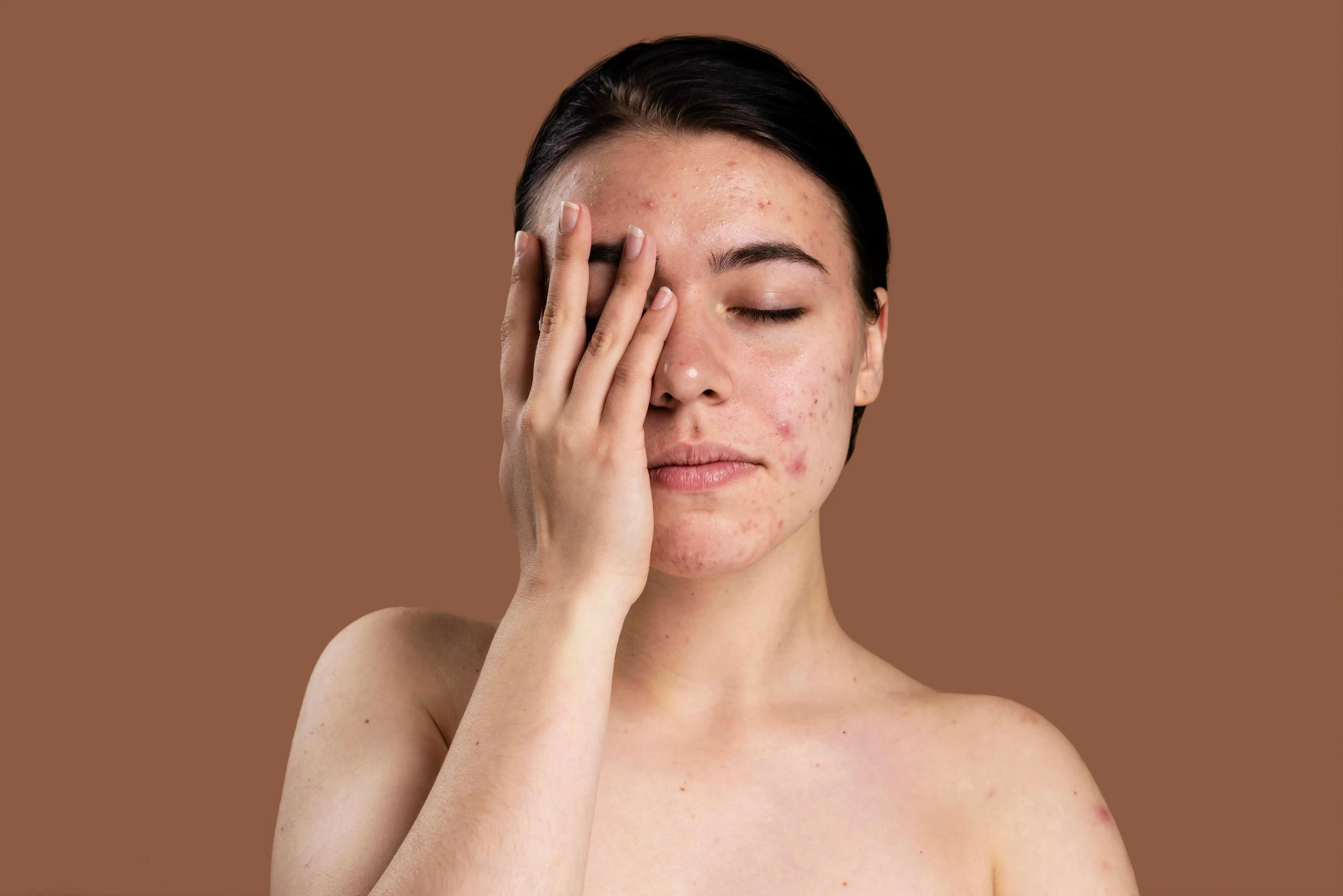
A serum for acne and dark spots can support acne control and help improve the appearance of post-acne marks over time. Ingredients such as salicylic acid, niacinamide, vitamin C, and retinol work in different ways, so the best option depends on your skin type, sensitivity, and main concern. Use one active routine consistently, moisturise well, apply sunscreen daily, and seek dermatologist guidance for painful, persistent, or scarring acne.
What Is a Serum for Acne and Dark Spots?
A serum for acne and dark spots is a lightweight, high-concentration skincare formula designed to deliver active ingredients directly into the skin's deeper layers. Unlike moisturisers, serums have smaller molecular structures that allow faster absorption and higher ingredient efficacy. effective serums in this category typically address two distinct skin concerns:
- Acne and active breakouts [caused by excess sebum, clogged follicles, and Cutibacterium acnes bacteria]
- Dark spots and hyperpigmentation [residual discolouration left after pimples heal, triggered by localised melanin overproduction]
Key terms defined:
- Hyperpigmentation: Darkening of skin patches due to excess melanin
- Post-inflammatory hyperpigmentation (PIH): Dark marks specifically caused by acne inflammation
- Actives: Clinically studied ingredients with measurable effects on skin (e.g., niacinamide, salicylic acid, vitamin C)
These serums matter because treating acne alone, without addressing PIH, leaves skin with visible dark marks for months. A dual-action serum shortens that recovery window significantly.
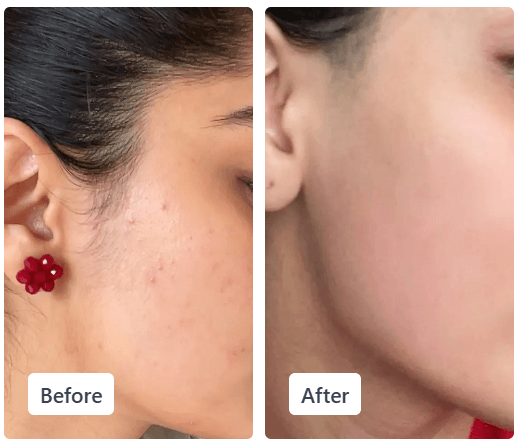
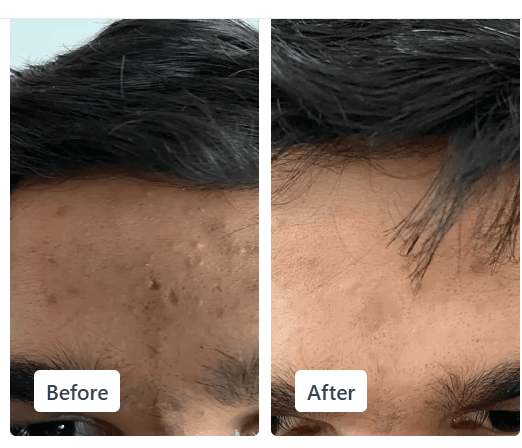
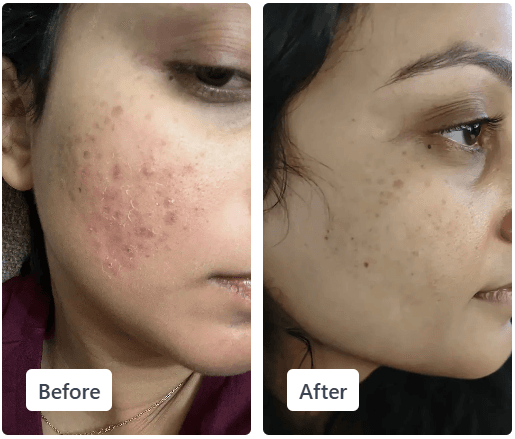
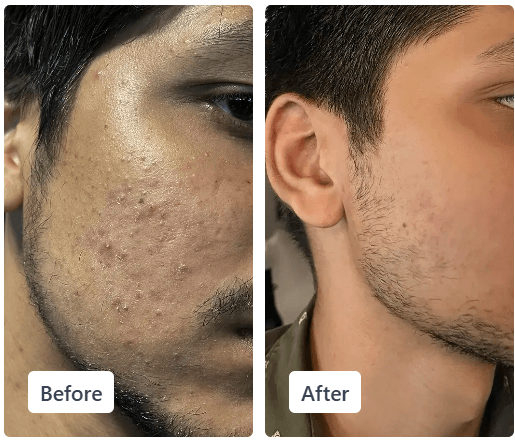
See real results, then start your own
Take the free Clear Ritual Skin Test and get a personalized routine built for your skin's unique patterns.
How Does a Serum for Acne and Dark Spots Work?
A serum for acne and dark spots works through a multi-step mechanism targeting both the cause of breakouts and the pigmentation they leave behind.
Step 1, Exfoliation of clogged pores Ingredients like salicylic acid (a BHA) penetrate oil-filled follicles and dissolve the debris that causes blackheads and whiteheads. Salicylic acid works because it is lipid-soluble, allowing it to enter sebaceous glands directly.
Step 2, Reduction of inflammation Niacinamide (vitamin B3) reduces skin redness and inflammatory responses. Studies suggest niacinamide at 4-5% concentration can reduce inflammatory acne lesions by up to 82% over 8 weeks [1].
Step 3, Inhibition of melanin transfer Vitamin C and niacinamide block the enzyme tyrosinase, which is responsible for producing melanin. By interrupting melanin transfer to skin cells, these actives prevent dark spots from deepening and accelerate the fading of existing ones.
Step 4, Cell turnover acceleration Retinol and AHAs stimulate collagen production and speed up skin cell renewal. Faster cell turnover means pigmented skin cells are replaced more quickly, reducing the lifespan of dark spots.
Step 5, Barrier reinforcement Ingredients like hyaluronic acid and ceramides maintain hydration and strengthen the skin barrier, which is often compromised in acne-prone skin.
Key Benefits of the Best Serum for Acne and Dark Spots
The best serum for acne and dark spots delivers both immediate and long-term skin improvements when used correctly.
Short-term benefits (weeks 1-4):
- Reduced sebum production and pore congestion
- Decreased redness and inflammation around active pimples
- Smoother skin texture due to surface exfoliation
- Reduced frequency of new breakouts
Long-term benefits (weeks 6-12+):
- Visible fading of post-acne dark spots and PIH
- More even skin tone across the face
- Improved skin elasticity from collagen stimulation
- Fewer deep cystic lesions with consistent use
Who benefits most:
- People with oily and combination skin experiencing recurring breakouts
- Individuals with medium-to-deep skin tones, who are more prone to PIH
- Those aged 15-35, where hormonal acne is most prevalent
- Anyone completing an active acne treatment who wants to clear residual marks
See real results, then start your own
Take the free Clear Ritual Skin Test and get a personalized routine built for your skin's unique patterns.
Types of Serums for Acne and Dark Spots: Which Is Right for You?
Serums for acne and dark spots are not one-size-fits-all. The right type depends on your skin type, acne severity, and primary concern.
| Serum Type | Key Ingredient | Best For | Skin Type |
|---|---|---|---|
| Salicylic acid serum | 0.5-2% BHA | Active acne, clogged pores | Oily, combination |
| Niacinamide serum | 5-10% vitamin B3 | PIH, redness, oil control | All skin types |
| Vitamin C serum | 10-20% ascorbic acid | Brightening, dark spot fading | Normal, dry, dull skin |
| Retinol serum | 0.025-0.3% retinol | Cell renewal, acne scarring | Normal, tolerant skin |
| Multi-active serum | BHA + niacinamide + Vit C | Combined acne + dark spots | Oily, combination, sensitive |
Guidance on choosing:
- Oily skin with active acne: Prioritise salicylic acid + niacinamide
- Dry skin with dark spots: Choose vitamin C + hyaluronic acid
- Sensitive skin: Start with niacinamide at 5%; avoid high-strength retinol initially
- All concerns combined: A multi-active formulation from The Clear Ritual that combines BHA, niacinamide, and a brightening agent covers all bases
How to Use a Serum for Acne and Dark Spots: Step-by-Step Guide
Using a serum for acne and dark spots correctly determines how effective it will be. Applying it in the wrong order or using incompatible products can reduce efficacy or cause irritation.
Prerequisites:
- Patch test on the inner arm 24 hours before first use
- Know your current actives to avoid over-layering (e.g., do not combine high-strength retinol with strong AHAs)
- Use SPF 30+ sunscreen every morning, actives like vitamin C and retinol increase photosensitivity
Step-by-step routine:
- Cleanse, Wash your face with a gentle, pH-balanced cleanser to remove dirt and excess sebum. Pat dry. Clean skin allows the serum to absorb without barrier interference.
- Tone (optional), Apply a hydrating, alcohol-free toner to balance skin pH. This prepares the skin surface for better absorption.
- Apply serum, Dispense 3-4 drops of serum onto fingertips. Press (do not rub) gently into the skin, covering acne-prone zones and dark spot areas. Patting, rather than rubbing, reduces friction-induced irritation.
- Wait 60 seconds, Allow the serum to absorb fully before the next step.
- Moisturise, Apply a lightweight, non-comedogenic moisturiser to seal in actives and maintain the skin barrier.
- Apply SPF (morning only), Finish with broad-spectrum sunscreen. UV exposure worsens hyperpigmentation by up to 40%, making SPF non-negotiable.
Common mistakes to avoid:
- Applying serum to damp skin with water still on the face (dilutes actives)
- Using vitamin C in the same step as niacinamide at high concentrations (may cause flushing in some skin types)
- Skipping moisturiser when using salicylic acid (leads to over-drying and rebound oiliness)
- Stopping use as soon as acne clears (dark spots require continued treatment)
Best Serum for Acne and Dark Spots vs. Alternatives: An Honest Comparison
Choosing the right serum for acne and dark spots depends on ingredient transparency, formulation quality, and clinical backing. Below is an honest comparison of leading options available in India.
| Serum | Key Actives | Price Range (INR) | Best For | Limitation |
|---|---|---|---|---|
| **The Clear Ritual Clarifying Serum** | BHA + niacinamide + vitamin C | ₹799-₹999 | Combined acne + PIH | Requires consistent use for 8+ weeks |
| **The Deconstruct Brightening Serum** | Niacinamide 10% + zinc 1% | ₹549-₹699 | Oil control, mild dark spots | Does not target active acne directly |
| **Plum 15% Vitamin C Serum** | Vitamin C + hyaluronic acid | ₹695-₹895 | Brightening, dull skin | Less effective on active breakouts |
| **Neutrogena Rapid Tone Repair** | Retinol + vitamin C | ₹899-₹1,200 | Dark spot correction, ageing | Not ideal for sensitive or acne-prone skin |
| **Clinique Even Better Clinical** | Vitamin C + haloxyl | ₹2,500-₹3,200 | Severe hyperpigmentation | High price point; fragrance-included |
Which serum is best for pigmentation in India?
For pigmentation specifically, a vitamin C or niacinamide serum performs best. Niacinamide at 5-10% concentration is particularly effective for PIH on Indian skin tones because it works across multiple melanin pathways without causing irritation.
Which serum is best for acne scars?
Acne scars (textural) respond best to retinol serums that stimulate collagen production. Flat dark marks (PIH) respond better to vitamin C and niacinamide. Most users benefit from a multi-active serum that addresses both.
What Results to Expect: A Realistic Timeline
Results from a serum for acne and dark spots vary based on skin type, acne severity, consistency of use, and SPF adherence. Below is a general expectations timeline based on clinical observations.
| Timeframe | What Typically Happens |
|---|---|
| **Week 1-2** | Possible initial purging (minor breakouts) as BHA clears pores; skin may feel slightly drier |
| **Week 3-4** | Reduced new breakouts; pores appear less congested; skin texture begins to improve |
| **Week 6-8** | Existing dark spots begin to visibly lighten; redness around acne lesions decreases |
| **Week 10-12** | Noticeable reduction in PIH; skin tone appears more even; acne frequency significantly lower |
| **Month 4-6** | Sustained clear skin; older, deeper dark spots continue fading with ongoing use |
Factors that affect results:
- Sun exposure: UV radiation is the single biggest factor that slows dark spot fading
- Skin tone: Deeper skin tones typically take longer to fully clear PIH
- Acne severity: Cystic or hormonal acne may require prescription treatment in addition to serum use
- Product concentration: Higher active concentrations typically produce faster results but require gradual introduction
Is a Serum for Acne and Dark Spots Right for You?
Not every skin concern requires a dedicated acne-and-dark-spot serum. Understanding whether this product fits your specific skin profile prevents wasted spend and potential irritation.
| Ideal For | Not Ideal For |
|---|---|
| Oily or combination skin with regular breakouts | Very dry or dehydrated skin (without added moisturiser) |
| Post-acne dark marks and PIH on face | Deep atrophic scars (textural), require professional treatment |
| Adults 15-40 with hormonal or stress-induced acne | Active rosacea or eczema flare-ups, consult a dermatologist first |
| Anyone wanting to consolidate multiple actives into one product | Those using prescription retinoids, avoid overlap without guidance |
| Indian and South Asian skin tones prone to PIH |
Editorial Standards
Clear Ritual has Strict sourcing guidelines to ensure our content is accurate and current. We rely on peer-reviewed studies, academic research institutions, and medical associations. We strive to use primary sources and refrain from using tertiary references. See a mistake? Learn More about our Editorial Standards.
Related Articles
Face Wash for Oily Skin and Dark Spots: What to Look For
Published 21 July 2026
Can Salicylic Acid Cause Acne? Understanding Purging vs Breakouts
Published 21 July 2026
Niacinamide for acne: oil control, redness, and skin repair benefits
Published 21 July 2026
Retinoids for acne: how they work and best types explained
Published 21 July 2026