Face Wash for Oily Skin and Dark Spots: What to Look For
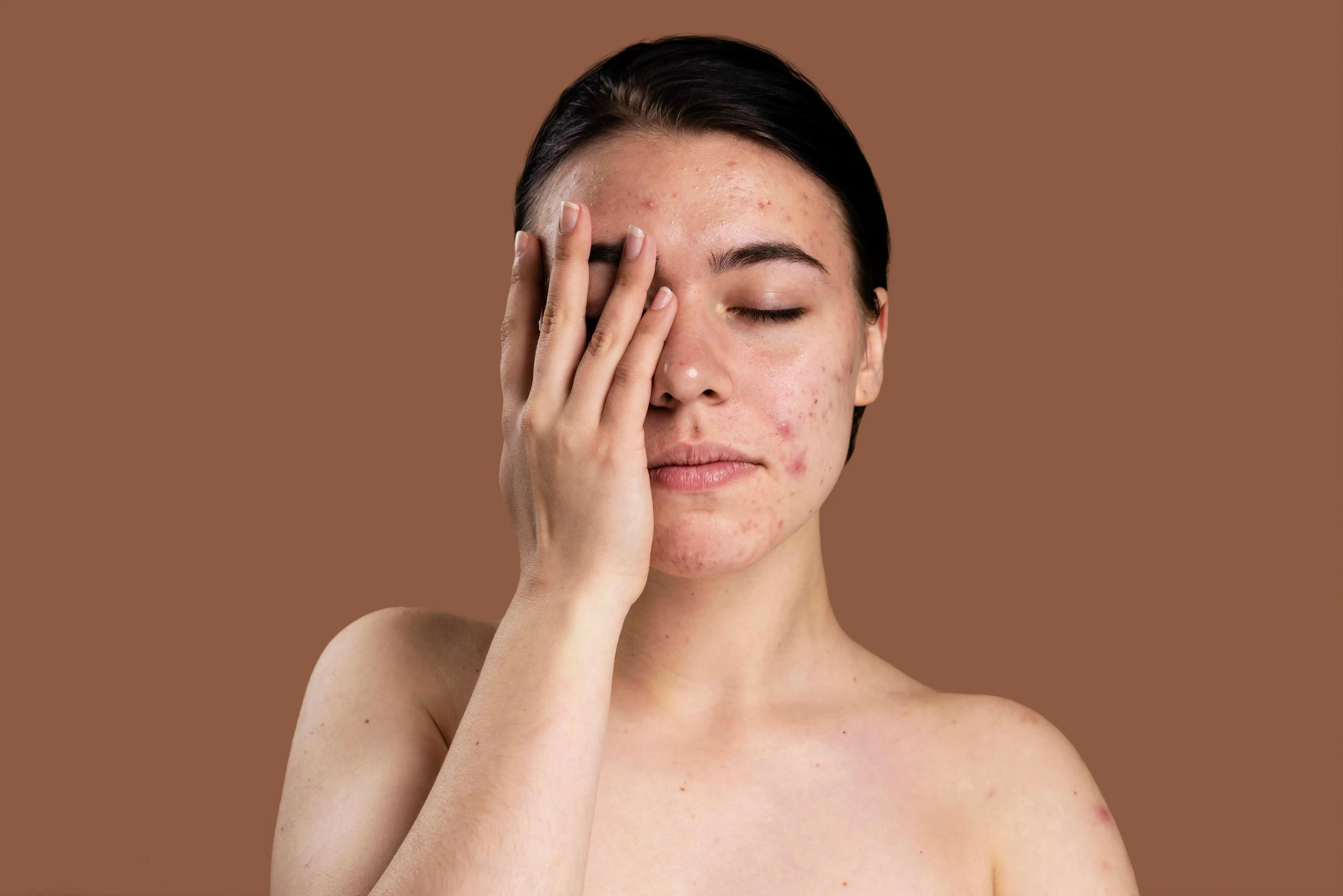
A face wash for oily skin, pimples, and dark spots can help remove excess oil and keep pores clearer. A cleanser with salicylic acid may help with whiteheads and pimples, but dark spots usually need patience, daily sun protection, and a gentle routine alongside acne control. Use the cleanser as directed, follow with a lightweight moisturiser, and avoid picking or scrubbing active breakouts.
What Is a Face Wash for Oily Skin, Pimples, and Dark Spots?
A face wash for oily skin, pimples, and dark spots is a gel or foam cleanser that addresses three connected skin concerns in a single step: excess oil production, active acne, and hyperpigmentation left behind by healed breakouts.
Unlike a basic cleanser, this type of face wash contains active ingredients, typically salicylic acid, niacinamide, tea tree oil, or kojic acid, that work beyond simple cleaning. These actives penetrate the skin's surface to regulate sebum, neutralise bacteria, and interrupt the melanin production that causes dark spots.
Key terms defined:
- Sebum: The natural oil secreted by skin glands. Overproduction clogs pores and triggers acne.
- Post-inflammatory hyperpigmentation (PIH): The dark marks left after a pimple heals. Not scarring, PIH is a pigmentation response.
- Comedolytic: Able to break down or prevent comedones (blackheads and whiteheads).
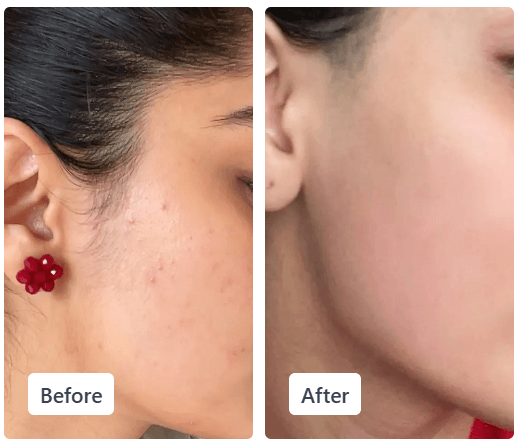
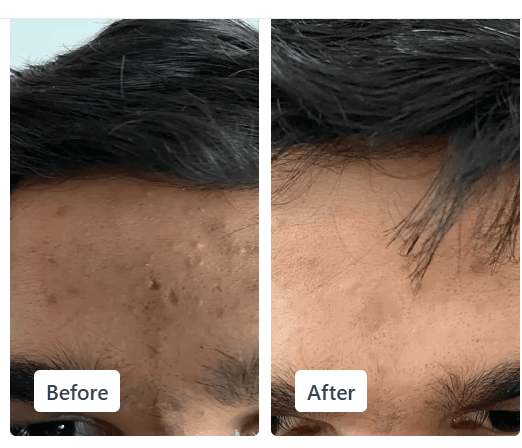
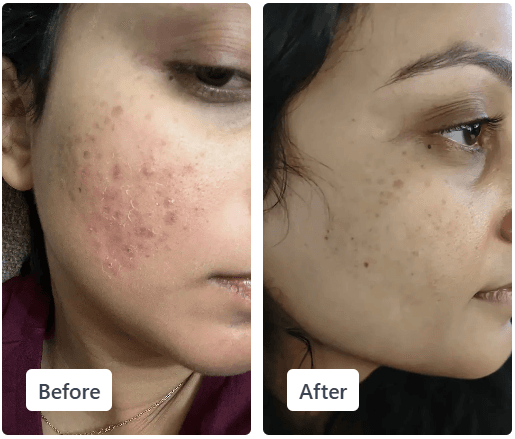
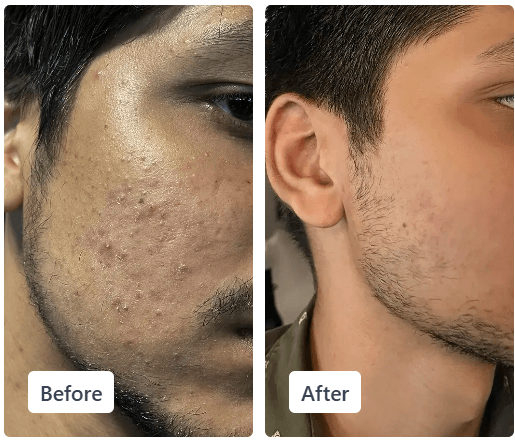
See real results, then start your own
Take the free Clear Ritual Skin Test and get a personalized routine built for your skin's unique patterns.
How Does a Face Wash for Oily Skin, Pimples, and Dark Spots Work?
A face wash for oily skin, pimples, and dark spots works through a multi-step mechanism: it removes surface oil, penetrates the follicle to clear debris, kills or suppresses acne-causing bacteria, and delivers brightening agents to melanin-producing cells.
Step-by-step mechanism:
- Surfactants remove surface sebum. Mild surfactants like sodium lauryl sulfosuccinate lift oil and dirt without stripping the skin's acid mantle.
- Salicylic acid exfoliates inside the pore. As a beta-hydroxy acid (BHA), salicylic acid is oil-soluble, which means it dissolves into sebum and exfoliates the dead skin cells lining the follicle wall, the primary cause of clogged pores.
- Antibacterial actives reduce Cutibacterium acnes. Ingredients like tea tree oil and zinc inhibit the bacteria responsible for inflammatory acne. Studies suggest tea tree oil at 5% concentration reduces acne lesion count by approximately 43% over 45 days [1].
- Brightening agents interrupt melanin synthesis. Niacinamide and kojic acid work by blocking the enzyme tyrosinase, which triggers dark spot formation after skin inflammation. Niacinamide at 4-5% has been shown to reduce hyperpigmentation by up to 35-68% in 8 weeks [2].
- Rinse-off clears residue without prolonged exposure. Because actives are rinsed away, irritation risk is lower than in leave-on products, making cleansers a safe first step for sensitive oily skin.
Why this matters: Each of these mechanisms targets a different stage of the oily-acne-dark spot cycle. A face wash that addresses all three stages breaks the cycle rather than just managing symptoms.
Key Benefits of a Face Wash for Oily Skin, Pimples, and Dark Spots
A properly formulated face wash for oily skin, pimples, and dark spots delivers both immediate and progressive benefits when used consistently.
Short-term benefits (weeks 1-4):
- Reduced skin shine and excess oiliness within 1-2 weeks of daily use
- Fewer new whiteheads and blackheads as pores stay clearer
- Cleaner skin texture due to gentle surface exfoliation
- Reduced redness around active pimples
Long-term benefits (weeks 4-12+):
- Visibly smaller pores over 6-8 weeks of consistent use
- Lighter dark spots and more even skin tone from 8-12 weeks
- Fewer breakout cycles as the sebum-bacteria-clog loop is disrupted
- Improved response to other skincare products (serums and moisturisers absorb better on clean, unclogged skin)
At a glance:
| Benefit | Onset | Key Ingredient Responsible |
|---|---|---|
| Oil control | 1-2 weeks | Salicylic acid, zinc |
| Fewer pimples | 3-4 weeks | BHA, tea tree oil |
| Faded dark spots | 8-12 weeks | Niacinamide, kojic acid |
| Smaller pores | 6-8 weeks | Salicylic acid |
| Even skin tone | 10-12 weeks | Niacinamide, vitamin C |
See real results, then start your own
Take the free Clear Ritual Skin Test and get a personalized routine built for your skin's unique patterns.
Types of Face Wash for Oily Skin, Pimples, and Dark Spots: Which Is Right for You?
Face washes for oily, acne-prone skin with dark spots fall into four main categories, each suited to a different severity level or skin sensitivity.
Gel Cleansers with Salicylic Acid
Best for moderate-to-severe oily skin and active breakouts. Salicylic acid (0.5-2%) penetrates sebum-filled pores. Typically clear to translucent in texture. Suitable for daily use on resilient skin.
Foam Cleansers with Niacinamide
Best for oily skin with visible dark spots but fewer active pimples. Foaming base provides a deep clean, while niacinamide targets PIH. Gentle enough for twice-daily use on most skin types.
Clay-Based Cleansers
Best for very oily skin prone to congestion. Kaolin or bentonite clay absorbs excess sebum and draws impurities. Use once daily; overdrying is a risk if used twice daily on already-irritated skin.
Micellar or Low-Lather Gel Cleansers
Best for oily skin that is also sensitive or reactive. Lower surfactant load minimises barrier disruption. Suitable if other cleansers cause redness, flaking, or tightness.
Which type is right for you?
| Skin Profile | Recommended Type |
|---|---|
| Very oily, frequent breakouts | Salicylic acid gel |
| Oily with dark spots, few pimples | Foam + niacinamide |
| Extremely oily, congested pores | Clay-based |
| Oily but sensitive or reactive | Micellar gel |
| Oily + dry patches (combination) | Foam + niacinamide |
How to Use a Face Wash for Oily Skin, Pimples, and Dark Spots: Step-by-Step Guide
Using a face wash for oily skin, pimples, and dark spots correctly is as important as choosing the right formulation. Incorrect use can trigger dryness, irritation, or product overuse that worsens oiliness.
What you need before starting:
- The cleanser
- Lukewarm water (hot water strips the skin barrier)
- A clean, soft face towel or single-use wipes for drying
- Oil-free moisturiser (non-negotiable for oily skin, even after active cleansers)
Step-by-step routine:
- Wet your face with lukewarm water. This opens the follicle slightly and softens surface debris.
- Dispense a 10-15p coin-sized amount of cleanser. More product does not mean better cleansing; excess surfactant increases irritation risk.
- Lather gently between your palms before applying. This activates the formula and ensures even distribution.
- Massage onto face in small circular motions for 60 seconds. Sixty seconds is the minimum contact time for salicylic acid to begin working in the follicle.
- Pay extra attention to the T-zone. The forehead, nose, and chin produce the most sebum and are where blackheads and pimples most commonly appear.
- Rinse thoroughly with lukewarm water. Any residue left behind can cause irritation, especially with BHA cleansers.
- Pat dry, do not rub. Rubbing with a towel creates micro-friction that irritates active pimples and slows dark spot healing.
- Apply moisturiser within 60 seconds of patting dry. This locks in skin moisture before transepidermal water loss occurs.
Common mistakes to avoid:
- Using the face wash more than twice daily, this stimulates compensatory sebum overproduction
- Using hot water, weakens the skin barrier and worsens redness
- Skipping moisturiser, dehydrated oily skin produces even more oil
- Scrubbing over active pimples, spreads bacteria and deepens PIH
Face Wash for Oily Skin, Pimples, and Dark Spots: Results Timeline
A face wash for oily skin, pimples, and dark spots produces results progressively. Visible changes follow a consistent timeline for most users, though individual factors such as acne severity, hormonal activity, and sun exposure affect pace.
Week-by-week and month-by-month expectations:
| Timeframe | What to Expect |
|---|---|
| Week 1-2 | Reduced surface oil, skin feels cleaner. Some users may experience a brief adjustment purge (not a reaction, normal). |
| Week 3-4 | Fewer new pimples. Existing dark spots unchanged at this stage. |
| Week 6-8 | Noticeable reduction in blackheads and pore congestion. Early lightening of recent dark spots. |
| Month 3 | Dark spots visibly lighter. Skin tone more even. Active breakouts less frequent. |
| Month 6 | Significant PIH reduction (up to 50-68% in studies using niacinamide-based formulas). Clear, balanced complexion with consistent use. |
Factors that affect results:
- Sun exposure: UV light darkens existing PIH significantly. Daily SPF 30+ is essential alongside a brightening face wash.
- Hormonal fluctuation: Hormonal acne (common in women aged 20-35) may continue to trigger new spots despite consistent cleansing.
- Diet and hydration: High-glycaemic diets are associated with increased sebum production and acne severity.
- Consistency: Skipping days resets progress, particularly for sebum regulation.
Face Wash for Oily Skin, Pimples, and Dark Spots vs. Alternatives: An Honest Comparison
Several product categories claim to address oily skin, pimples, and dark spots. A face wash is one part of a complete routine, but it competes for the "active step" position with toners, serums, and spot treatments.
Which face wash is best for pimples?
For active pimples, salicylic acid face washes (0.5-2%) are clinically the most evidence-backed choice. A 2% salicylic acid formula is considered the standard effective concentration for over-the-counter acne cleansers.
Salicylic Acid: Best Ingredient for Pimples
Salicylic acid is a BHA that exfoliates inside the pore, making it the most targeted ingredient for blackheads, whiteheads, and inflammatory acne. It works because it is oil-soluble, unlike AHAs, it reaches sebum deposits directly.
Myth: Expensive Face Washes Always Work Better
Price does not correlate with efficacy in clinical skincare. Ingredient concentration and pH level determine effectiveness. A face wash with 2% salicylic acid at pH 3.5-4.0 will outperform an expensive product with the same ingredient at a cosmetically inactive concentration.
Feature-by-feature comparison:
| Product Type | Best For | Key Ingredient | Dark Spot Benefit | Risk |
|---|---|---|---|---|
| Salicylic acid face wash | Active acne, oily skin | Salicylic acid 2% | Indirect (clears PIH triggers) | Dryness at high frequency |
| Niacinamide foam cleanser | Dark spots, mild oiliness | Niacinamide 4-5% | Direct (tyrosinase inhibition) | Minimal |
| Clay cleanser | Very oily, congested | Kaolin/bentonite clay | None direct | Over-drying |
| AHA toner (alternative) | Dull skin, surface dark spots | Glycolic acid | Direct | Sun sensitivity |
| Vitamin C serum (alternative) | Brightening, not cleansing | Ascorbic acid | Strong direct effect | Oxidisation, cost |
Who Should Use a Face Wash for Oily Skin, Pimples, and Dark Spots?
A face wash for oily skin, pimples, and dark spots is not universally appropriate. Understanding whether your skin profile matches the product's design prevents irritation and wasted effort.
Editorial Standards
Clear Ritual has Strict sourcing guidelines to ensure our content is accurate and current. We rely on peer-reviewed studies, academic research institutions, and medical associations. We strive to use primary sources and refrain from using tertiary references. See a mistake? Learn More about our Editorial Standards.
Related Articles
Can Salicylic Acid Cause Acne? Understanding Purging vs Breakouts
Published 21 July 2026

Niacinamide for acne: oil control, redness, and skin repair benefits
Published 21 July 2026
Retinoids for acne: how they work and best types explained
Published 21 July 2026
Benzoyl peroxide for acne: benefits, usage, and side effects
Published 21 July 2026