Hyaluronic Acid for Acne-Prone Skin: Benefits and How to Use It
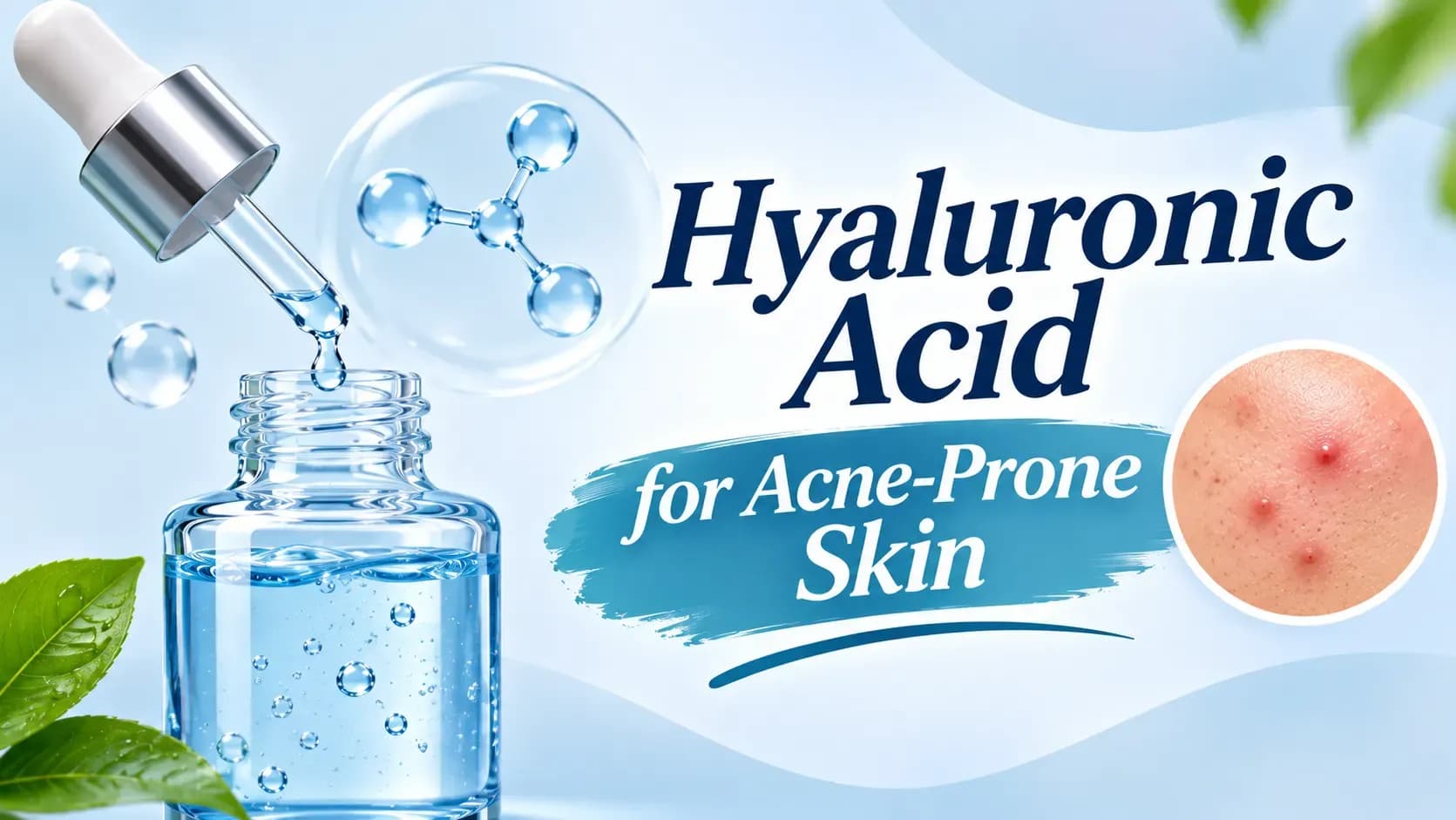
Hyaluronic acid (HA) is a safe, lightweight, non-comedogenic, moisture-binding ingredient that hydrates acne-prone skin. It helps all skin types retain water without heavy oils and supports the skin barrier.
Hydration is important for both oily and dry skin. Hyaluronic acid can help relieve dryness, improve skin softness, and support your skin barrier, making it a useful addition to an acne-prone skincare routine.
What Is Hyaluronic Acid?
Hyaluronic acid (HA) is a naturally occurring substance found in your skin and other connective tissues. It is a humectant, meaning it attracts and holds water to help maintain skin hydration without adding oil to the surface.
To use skincare products with hyaluronic acid as a main ingredient, try commonly available serums, moisturisers, and cleansers. It is generally lightweight and suitable for different skin types, including oily, dry, combination, and acne-prone skin.
What Does Hyaluronic Acid Do for Your Skin?
Hyaluronic acid helps retain moisture in the outer layers of your skin and complements your existing acne-care routine. When your skin is adequately hydrated, it can feel softer, smoother, and less tight.
It also supports the skin barrier by protecting it from external irritants. However, hyaluronic acid does not directly unclog pores, control excess sebum, or treat active acne.
Benefits of Hyaluronic Acid for Skin
Adding hyaluronic acid to your skincare routine can offer several hydration-related benefits.
| Benefits | How it works |
|---|---|
| Keeps Your Skin Hydrated | Attracts water to reduce dryness and tightness, especially after cleansing or using acne treatments. |
| Supports a Healthy Skin Barrier | Maintains your skin's moisture balance by preventing excessive moisture loss and protecting it from external irritants. |
| Helps Reduce Dryness and Tightness | Helps provide additional hydration by improving skin moisture and making it feel more comfortable when your skin feels tight. |
| Makes Your Skin Feel Softer and Smoother | Temporarily improves the appearance of dehydration-related fine lines by helping the skin retain moisture and feel more supple. |
| Provides Lightweight Hydration | Unlike heavy oils, it attracts water rather than adding an oily layer, giving you hydration without a heavy, greasy feel. |
Is Hyaluronic Acid Suitable for Different Skin Types?
Hyaluronic acid generally suits most skin types because its primary function is to maintain hydration. The table explains how it may work for your skin type:
| Skin type | How it can help |
|---|---|
| Oily skin | Provides hydration without a heavy, oily feel |
| Acne-prone skin | Helps maintain hydration alongside acne treatments |
| Dry skin | Helps attract and retain moisture |
| Combination skin | Supports hydration in areas that feel dry |
| Sensitive skin | Can help maintain hydration, depending on the formulation |
If you have sensitive skin, be cautious and review the full ingredient list. Fragrance and other ingredients may cause irritation, even if the product contains hyaluronic acid.
Tips to Choose a Hyaluronic Acid Moisturiser for Oily Skin
If your skin produces excess oil, the right formulation matters as much as the ingredients. Look for:
- Lightweight gel or gel-cream textures that hydrate without feeling heavy.
- Non-comedogenic formulations designed to be less likely to clog pores.
- Another humectant like glycerin helps attract and retain moisture.
- Ceramides help support your skin barrier and reduce moisture loss.
You do not necessarily need a separate hyaluronic acid serum and moisturiser. If your moisturiser already contains hyaluronic acid and provides enough hydration, you may not need an additional serum.
How to Use Hyaluronic Acid in Your Skincare Routine
To get the benefits of hyaluronic acid, how you use it matters. Follow these steps to get the most out of your serum.
Step 1: Cleanse your face
Start with a gentle cleanser to remove dirt, excess oil, sweat, and sunscreen. If you plan to use it in your evening routine, use double cleansing (an oil-based cleanser followed by a water-based cleanser). Avoid harsh cleansers that leave your skin feeling tight.
Step 2: Apply hyaluronic acid on slightly damp skin
After cleansing, leave your skin slightly damp. Avoid rubbing your face with a towel and be gentle. Take a few drops of hyaluronic acid serum and spread a thin layer evenly across your face. Don't use too much product, as it can leave your skin feeling sticky.
Step 3: Follow with a moisturiser
Apply a moisturiser immediately after your serum. This helps seal in moisture and prevents your skin from feeling dry. If you have oily or acne-prone skin, choose a lightweight, non-comedogenic gel or gel-cream moisturiser.
Step 4: Apply sunscreen in the morning
Finish your morning routine with a broad-spectrum SPF 30 or higher sunscreen. This protects your skin from UV damage and helps maintain overall skin health.
Note: You can generally use hyaluronic acid in both your morning and evening routines, depending on your skin's needs.
Can You Use Hyaluronic Acid with Other Skincare Ingredients
Yes. Hyaluronic acid is generally compatible with most skincare ingredients. It can also complement acne treatments that sometimes cause dryness, such as salicylic acid, benzoyl peroxide, and topical retinoids.
However, don't overwhelm your skin by introducing several strong active ingredients at once. If you have acne-prone or sensitive skin, layering multiple exfoliating or treatment products can increase the risk of dryness, redness and irritation.
Here is how you can combine hyaluronic acid with other ingredients.
| Ingredient | Compatibility | Application order | Best For Skin Type/ Concerns |
|---|---|---|---|
| Niacinamide | Excellent | Niacinamide → hyaluronic acid → Moisturiser | Oily, combination |
| Salicylic Acid (BHA) | High | BHA → Let absorb → hyaluronic acid → Moisturiser | Acne-prone and large pores |
| Retinol | High | PM routine: Light Moisturiser → Retinol → Moisturiser (Sandwich method) | Ageing and acne-prone |
| Vitamin C | Excellent | AM routine: Vitamin C → hyaluronic acid → Moisturiser → Sunscreen | Dull skin, uneven tone, dark spots |
An important tip: You do not need to avoid combining hyaluronic acid with active ingredients altogether. However, avoid introducing retinol, salicylic acid, AHAs, and other strong actives at the same time, especially if your skin is already irritated.
Introduce one new active at a time and allow your skin to adjust. If you experience persistent burning, redness or peeling, simplify your routine and consult your dermatologist.
Clear Ritual's Perspective About Hyaluronic Acid for Skin
At Clear Ritual, we believe hydration is essential in maintaining healthy-looking skin. However, using the right ingredients is only one part of your skincare routine.
Your skin's needs may change depending on your acne triggers, lifestyle, existing routine, and skin conditions. So when you use a hyaluronic acid serum, pair it with either a deep-hydration or acne-safe moisturiser to target your individual concerns.
The Clear Ritual Skin Test helps you explore potential acne triggers, understand your skin concerns, and build a routine that supports your skin. With a personalised approach to skincare, you can use active ingredients if needed without layering multiple products unnecessarily.
Understand What Your Skin Needs
Take the Clear Ritual Skin Test to identify your skin concerns and explore a plan for your routine.
Take the Free Skin Test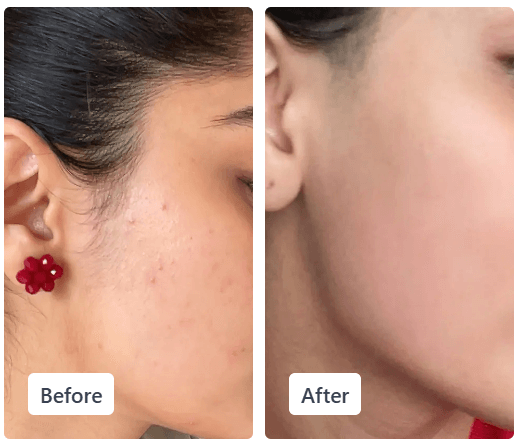
Frequently Asked Questions
Q. Can hyaluronic acid cause pimples or acne?
A. Hyaluronic acid itself may not cause acne. However, it depends on the other ingredients in the serum or moisturiser, which may not suit your skin and trigger acne.
Q. Can you use hyaluronic acid every day?
A. Yes. You can generally use hyaluronic acid once or twice daily, depending on your skin's needs. Moisturise adequately, use sun protection, and follow the product instructions.
Q. Should you apply hyaluronic acid before or after moisturiser?
A. If you use a hyaluronic acid serum, apply it after cleansing but before your moisturiser. Alternatively, use a gentle cleanser, then a targeted active ingredient-based serum, and finish with a moisturiser containing hyaluronic acid.
Q. Can hyaluronic acid help with acne marks?
A. Hyaluronic acid does not directly fade post-acne marks or pigmentation. It improves hydration when used with active ingredients like azelaic acid and niacinamide, which help address uneven skin tone.
Q. Is hyaluronic acid good for oily and acne-prone skin?
A. Yes, hyaluronic acid works well for oily, acne-prone skin because it helps maintain hydration and can help prevent breakouts when used with acne-targeting treatments.
Disclaimer: This article is for general information only and is not a substitute for diagnosis or treatment from a qualified dermatologist. Follow your product label and your clinician’s advice, especially during pregnancy, breastfeeding, or when treating a diagnosed skin condition.
Editorial Standards
Clear Ritual has Strict sourcing guidelines to ensure our content is accurate and current. We rely on peer-reviewed studies, academic research institutions, and medical associations. We strive to use primary sources and refrain from using tertiary references. See a mistake? Learn More about our Editorial Standards.
Related Articles
Acne Mechanica: How Friction from Helmets, Masks & Tight Clothing Causes Breakouts
Published 17 July 2026
Acne in Perimenopause: Hormonal Changes Behind Adult Breakouts
Published 16 July 2026
Acne Caused by Makeup: Understanding Acne Cosmetica
Published 17 July 2026
Acne on Neck: Why It Appears and How to Treat It by Cause
Published 10 August 2026