Isotretinoin for Acne: How It Works, Uses and Side Effects
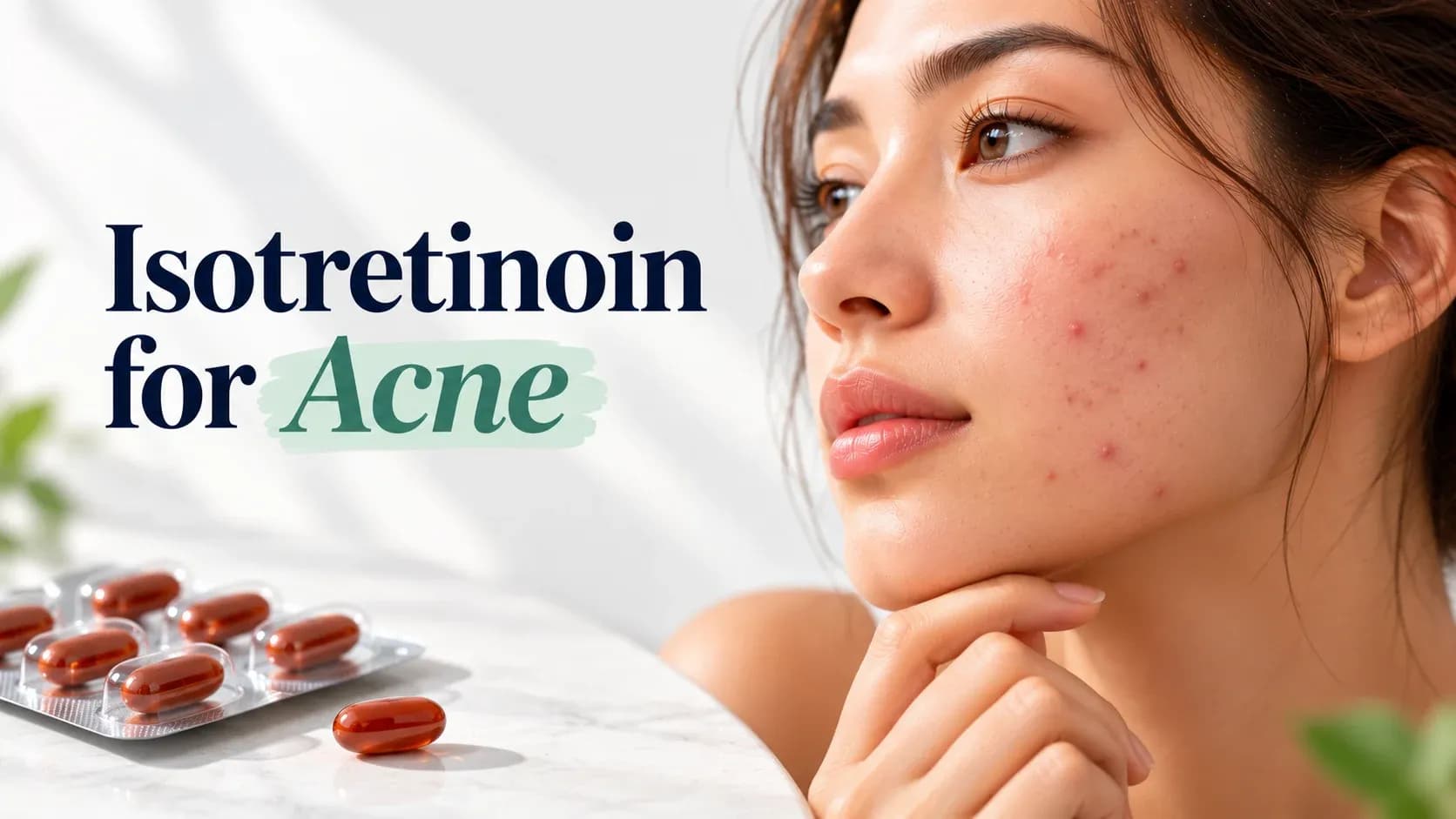
Isotretinoin is a powerful form of retinoid, a medicine derived from vitamin A, that is taken orally to treat severe nodular or cystic acne that has not responded to other treatments, such as antibiotics or ointments. It reduces excess oil production, helps prevent clogged pores, and calms inflammation, making it an effective option for deep, painful acne that may otherwise lead to scarring.
Although isotretinoin can make a considerable difference to acne, it requires careful medical supervision because it can cause significant side effects, such as liver problems, high blood fat levels, severe mood changes, and birth defects if taken during pregnancy.
What Is Isotretinoin?
Isotretinoin is a prescription medicine that belongs to the retinoid family. Unlike topical retinoids, which are applied directly to the skin, isotretinoin is taken by mouth.
Dermatologists generally prescribe it for severe, persistent acne, particularly when other treatments have not worked well enough, or the acne is likely to cause permanent scars. It can also be considered when acne significantly affects your emotional well-being or quality of life.
How Does Isotretinoin Work for Acne?
Isotretinoin targets several processes that lead to acne breakouts, such as sebum production and pore clogging. Here is a closer look at how isotretinoin helps your skin:
- Reduces Sebum (Oil) Production
Sebum is the natural oil produced by sebaceous glands in your skin. Excess sebum can contribute to clogged pores and create conditions that favour acne-causing bacteria.
Isotretinoin shrinks these glands, which reduces sebum production. This helps make the skin less oily and reduces one of the main factors behind acne.
- Prevents Pore Clogging
Your skin regularly sheds old, dead cells and generates new ones. Sebum can cause these dead skin cells to stick together and clog the pores.
Isotretinoin prevents dead skin cells from sticking, which allows them to slide out of the pores more easily, reducing the formation of clogged pores.
- Reduces Inflammation
Inflammation contributes to the redness, swelling, and tenderness that is associated with acne. Isotretinoin helps calm this response by reducing signals that trigger the skin’s immune response.
- Reduces Bacterial Activity
Cutibacterium acnes (or C. acnes) is a bacterium that lives naturally on the skin but can contribute to inflammatory acne. It needs oil or sebum to thrive.
When isotretinoin reduces sebum production, it also helps curb the activity of C. acnes, which further prevents inflammatory acne breakouts.
How Can You Use Isotretinoin for Acne?
Isotretinoin is available in the form of oral capsules, and to use it for treating acne, you need a dermatologist’s guidance.
Your dosage and treatment duration of isotretinoin will be determined by your dermatologist, based on your acne severity, how your skin responds to treatment, and the side effects you may experience.
Here are a few general instructions that you may need to follow for using isotretinoin:
- Swallow the capsules whole with water. Do not crush, chew, or break them.
- Take your dose at the recommended time each day.
- Complete the prescribed course. Do not change your dosage, extend treatment, or stop taking isotretinoin without consulting your dermatologist.
- Attend follow-up appointments. Your dermatologist may recommend blood tests to monitor liver function and blood fat levels, along with regular assessments of your skin and overall health.
- Seek urgent medical attention if you develop side effects.
Since isotretinoin is derived from vitamin A, which is fat-soluble, you may need to take your capsule with a meal that contains enough fat to help your body absorb it properly.
When Should You Take Isotretinoin for Acne?
Dermatologists usually consider isotretinoin when acne is severe, deep, painful, or resistant to other treatments. It may be recommended when standard treatments have failed, caused troublesome side effects, or have not adequately controlled recurring breakouts.
Not everyone with acne needs isotretinoin. A dermatologist will assess your skin, medical history, previous treatments, and potential risks before recommending it.
How Effective Is Isotretinoin for Acne?
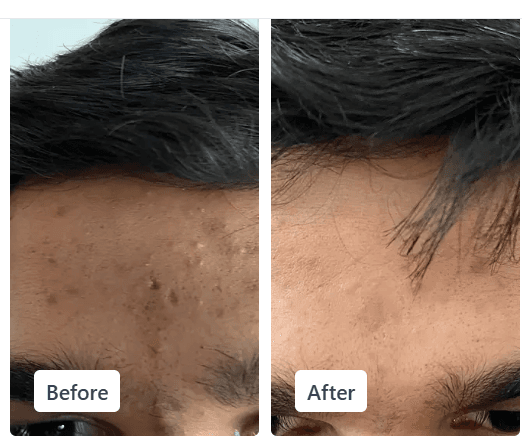
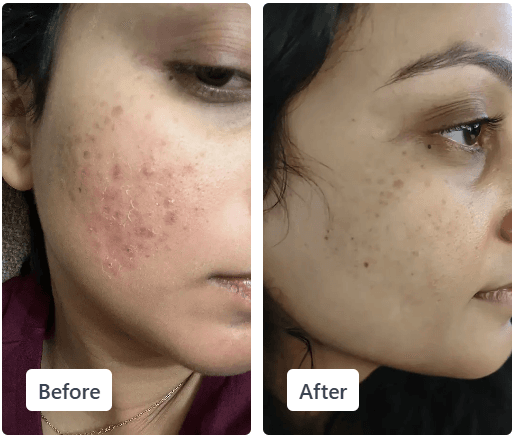
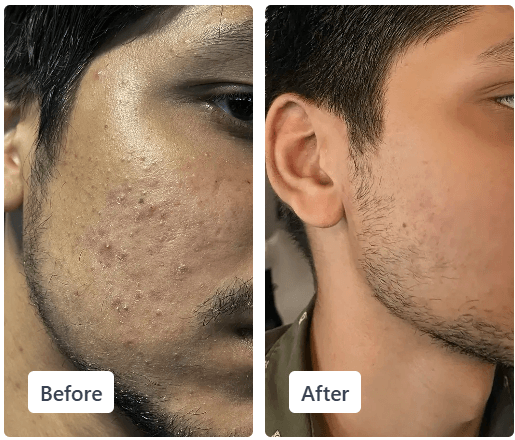
Isotretinoin is one of the most effective treatments for severe acne and can provide long-lasting improvement after a completed course. According to a patient information article published in JAMA Dermatology, around four in five patients who complete isotretinoin treatment for acne experience lasting improvement.
Unlike treatments that mainly control acne while you use them, isotretinoin can produce prolonged remission. However, results vary from person to person, and acne can return after treatment.
You may not notice clear skin immediately. Some people experience an initial worsening of acne before it begins to improve. The full course often lasts several months, depending on the prescribed regimen and how your skin responds.
Your dermatologist may adjust your dose according to your progress and tolerance. Completing the course as prescribed and attending follow-up appointments can help your dermatologist assess the response and decide whether further treatment is needed.
What Are the Side Effects of Isotretinoin?
Isotretinoin can cause side effects because it affects oil production and other processes throughout the body. Common, mild side effects, such as skin dryness, can often be managed with proper skincare, while more serious side effects may require prompt medical attention.
Common Side Effects of Isotretinoin
These side effects are often manageable with appropriate skincare and medical guidance:
- Dry, cracked lips: Reduced oil production can leave your lips dry and sore. You can use a lip balm to keep your lips moisturised and prevent them from cracking further.
- Dry skin: Your skin may feel tight or irritated. Use a gentle moisturiser to keep your skin hydrated and ease discomfort.
- Dry eyes: You may experience discomfort in your eyes, especially if you wear contact lenses. Lubricating eye drops may help, but check with your doctor or pharmacist before using them.
- Nasal dryness: Dryness inside the nose can sometimes cause nosebleeds. A saline nasal spray may help keep the nasal passages moist.
- Increased sun sensitivity: Your skin may burn more easily, so make sure you always use a broad-spectrum sunscreen with SPF 30 or higher and limit direct sun exposure.
- Muscle or joint discomfort: Some people experience aches, particularly during physical activity. Let your dermatologist know if the discomfort persists or affects your daily activities.
Severe Side Effects of Isotretinoin
Although these effects are less common, it is important to know about them, so you can take prompt steps if needed:
- Liver problems or high blood fats: Isotretinoin can affect liver function and cholesterol or triglyceride levels. Blood tests help identify these changes.
- Mood changes: Report new or worsening depression, anxiety, unusual behaviour, or thoughts of self-harm promptly.
- Severe headache or vision changes: A persistent headache accompanied by nausea, vomiting, or blurred vision needs urgent medical assessment.
- Severe abdominal pain: Seek prompt medical care in case of this side effect, particularly if the pain occurs with persistent vomiting or other concerning symptoms.
- Serious allergic reactions: Swelling of the face or throat, or difficulty breathing, requires emergency care.
- Pregnancy-related harm: Exposure to isotretinoin during pregnancy can cause severe birth defects or pregnancy loss. Contact your doctor immediately if pregnancy occurs or is suspected during treatment.
Do not take vitamin A supplements or certain antibiotics, such as tetracyclines, alongside isotretinoin unless your prescriber has specifically reviewed their safety. Always tell your dermatologist about your medicines and supplements.
Who Should Not Use Isotretinoin?
Isotretinoin is not suitable for the following people:
- People who are pregnant
- People with medical conditions that may make treatment unsuitable or require closer monitoring (such as liver disease and high blood fats).
- People taking interacting medicines or supplements, such as vitamin A supplements and tetracycline antibiotics.
Breastfeeding also requires medical review before treatment. Never use isotretinoin prescribed to someone else or share your own capsules.
Clear Ritual’s Perspective on Isotretinoin
Isotretinoin can be an effective treatment option when severe acne persists despite other treatments. However, it also poses considerable side effects. Acne-free skin should not come at the expense of your overall health.
Isotretinoin also does not address the underlying cause of your acne.
At Clear Ritual, we believe the first step to treat acne is knowing more about your skin health and understanding your skin’s specific needs, triggers, and concerns.
The Clear Ritual Skin Test can help you know your skin better and allow you to identify areas that may need more attention.
Frequently Asked Questions
Q. Does isotretinoin have side effects?
A. Yes, isotretinoin can cause side effects, most commonly dry lips, dry skin, dry eyes, and increased sun sensitivity. Some people also experience muscle or joint discomfort. More serious effects can involve liver function, blood fats, mood, or vision. Regular follow-ups help your dermatologist monitor these risks and guide you on managing symptoms safely.
Q. Can acne come back after isotretinoin?
A. Yes, acne can return after isotretinoin treatment, although many people experience long-lasting improvement. The likelihood of relapse varies with factors such as acne severity, treatment response, and individual characteristics. If breakouts return, consult your dermatologist before restarting treatment or changing your skincare routine.
Q. Can isotretinoin cause skin darkening?
A. Isotretinoin can make your skin more sensitive to sunlight, which increases the risk of sunburn and potentially worsening dark marks after inflammation or irritation. Sun exposure is not the same as a direct skin-darkening effect from the medicine. Use broad-spectrum sunscreen and follow your dermatologist’s advice to help protect your skin.
Q. Can you take isotretinoin forever?
A. No, isotretinoin is not to be taken indefinitely to treat acne. Its dosage usually follows a prescribed course that lasts 4 to 6 months. In some cases, the treatment may be prescribed for a few more weeks if needed, with the dose and duration tailored to your response and side effects. Longer or repeat courses may be considered in selected cases, but only under specialist supervision.
Q. What is the age limit for taking isotretinoin?
A. The US Food and Drug Administration (FDA) has approved isotretinoin for treating severe, treatment-resistant acne in people aged 12 years and older. However, suitability depends on the individual’s condition and medical history, so a dermatologist should determine whether it is appropriate.
Q. Does isotretinoin work for acne scars?
A. No, isotretinoin does not remove existing acne scars or restore scarred skin to its previous texture. However, it can reduce severe inflammatory breakouts that may cause new scars, thereby preventing future scarring.
Q. Does isotretinoin help with back acne?
A. Yes, isotretinoin can help treat severe or persistent back acne, including deep, painful nodules and cysts. Because it reduces oil production and inflammation throughout the body, it can work on acne affecting areas beyond the face. A dermatologist can assess whether it is suitable for your back acne.
Q. Is isotretinoin good for hormonal acne?
A. Isotretinoin can improve severe or stubborn acne influenced by hormonal changes because it significantly reduces oil production and inflammation. However, it does not directly correct an underlying hormonal imbalance. If hormonal factors continue to contribute to breakouts, your dermatologist may discuss other treatments alongside or after isotretinoin.
References:
1. Mayo Clinic. (n.d.). Isotretinoin (Oral Route): Description. Mayo Clinic.
2. StatPearls Publishing. (n.d.). Isotretinoin. StatPearls, NCBI Bookshelf.
3. Barbieri, J. S. (2023). Isotretinoin for Treatment of Acne. JAMA Dermatology, 159(12), 1403. DOI: 10.1001/jamadermatol.2023.2065.
4. WebMD. (n.d.). Isotretinoin (Accutane): Side Effects. WebMD.
5. American Academy of Dermatology Association. (n.d.). Isotretinoin: Side Effects. AAD.
6. Agarwal, U. S., Besarwal, R. K., & Bhola, K. (2011). Oral Isotretinoin in Different Dose Regimens for Acne Vulgaris: A Randomized Comparative Trial. Indian Journal of Dermatology, Venereology and Leprology, 77(6), 688–694. DOI: 10.4103/0378-6323.86482.
7. Sheth, R., & Poonevala, V. (2001). Isotretinoin: An Indian Experience. Indian Journal of Dermatology, Venereology and Leprology, 67(4), 180–182.
8. Medanta. (n.d.). Isotretinoin: Uses, Side Effects, Dosage and Precautions. Medanta.
9. Cleveland Clinic. (n.d.). Isotretinoin Capsules: Uses and Side Effects. Cleveland Clinic.
10. Paichitrojjana, A., & Paichitrojjana, P. (2023). Oral Isotretinoin and Its Uses in Dermatology: A Review. Drug Design, Development and Therapy, 17, 2573–2591.
11. Rajput, I., & Anjankar, V. P. (2024). Side Effects of Treating Acne Vulgaris With Isotretinoin: A Systematic Review. Cureus, 16(3), e55946. DOI: 10.7759/cureus.55946.
12. Dermatology Group of the Carolinas. (n.d.). Decoding the Magic: How Does Isotretinoin Work for Clear Skin?
13. Oakley, A., & Rademaker, M. (2016; updated 2025). Isotretinoin. DermNet.
14. Layton, A. (2009). The Use of Isotretinoin in Acne. Dermato-Endocrinology, 1(3), 162–169. DOI: 10.4161/derm.1.3.9364.
15. NHS. (n.d.). Isotretinoin Capsules (Roaccutane): About Isotretinoin. NHS.
Understand What Your Skin Needs
Take the Clear Ritual Skin Test to identify your skin type, concerns, and potential triggers before building your routine.
Take the Free Skin Test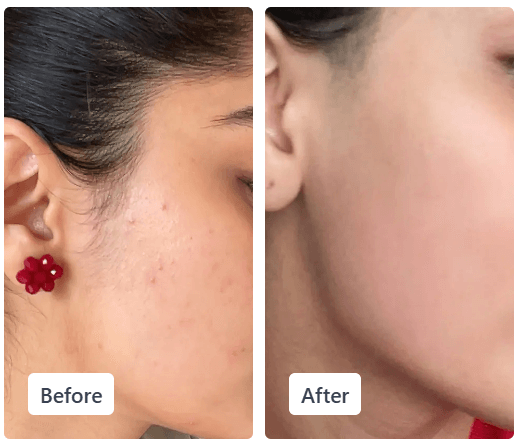
Disclaimer: This article is for educational purposes only and does not replace personalised medical advice, diagnosis or treatment. Consult a dermatologist for persistent, severe or scarring acne.
Editorial Standards
Clear Ritual has Strict sourcing guidelines to ensure our content is accurate and current. We rely on peer-reviewed studies, academic research institutions, and medical associations. We strive to use primary sources and refrain from using tertiary references. See a mistake? Learn More about our Editorial Standards.
Related Articles
Acne Mechanica: How Friction from Helmets, Masks & Tight Clothing Causes Breakouts
Published 17 July 2026
Acne on Cheeks: Causes, Treatment & What Actually Works
Published 17 July 2026
Acne on Chin: Causes, Types, and How to Treat It
Published 17 July 2026
Acne in Perimenopause: Hormonal Changes Behind Adult Breakouts
Published 16 July 2026