Salicylic Acid: Uses, Benefits, Skincare Guide & How to Use It
Quick Answer:
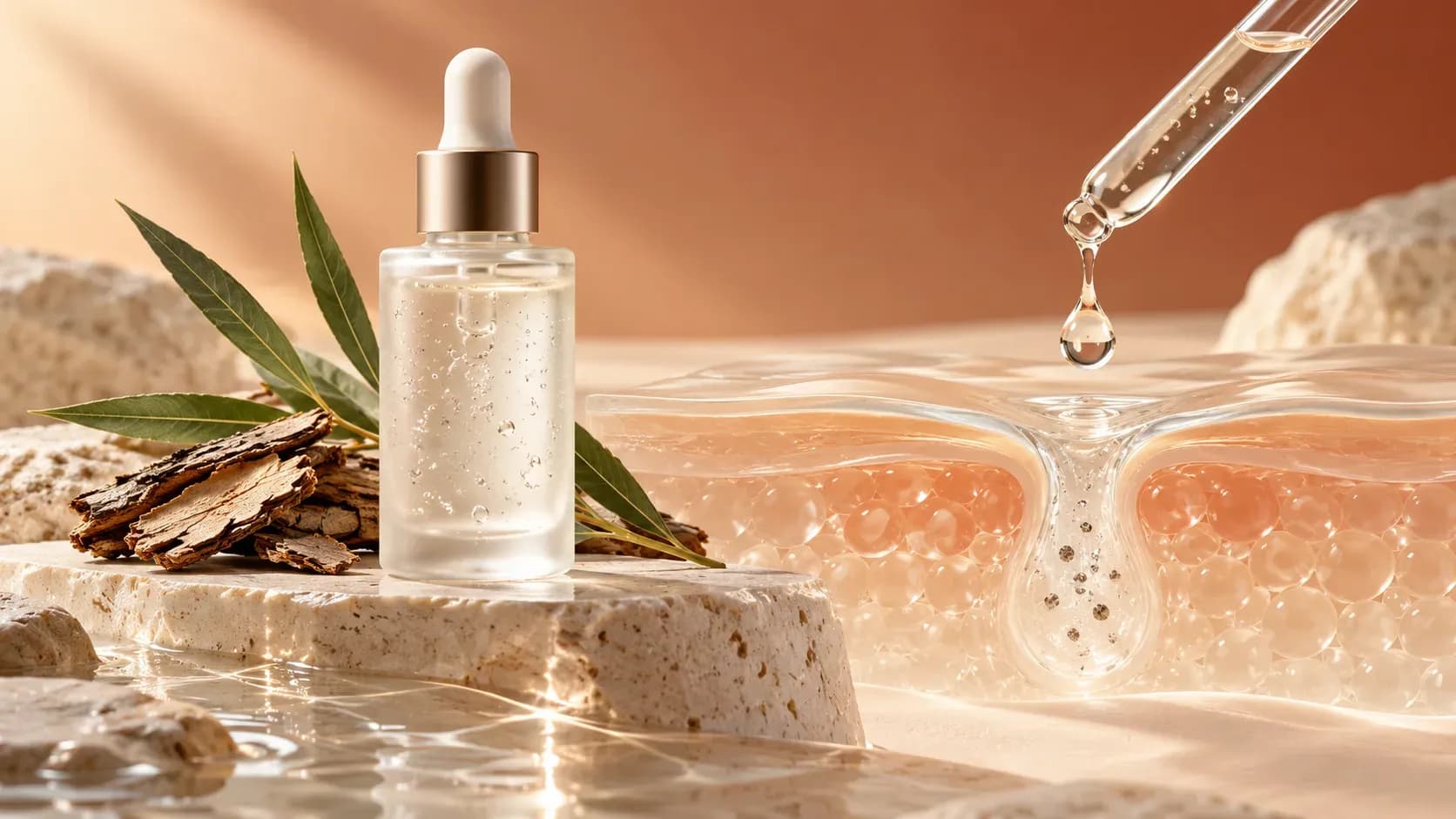
Salicylic acid is a beta hydroxy acid (BHA) that works inside your pores. It loosens the oil and dead skin cells that clog pores; it dissolves in oil. This makes it a good fit for blackheads, whiteheads, and mild acne, especially if your skin is oily. Most acne products contain 0.5% to 2%. Start with two to three times a week; apply a thin layer to clean, dry skin, and moisturise afterwards. Wear sunscreen every morning. If your skin burns or peels, stop and check with a dermatologist.
What Is Salicylic Acid?
Salicylic acid is a beta hydroxy acid (BHA) that works inside pores, where excess oil and dead skin cells can build up. It is oil-soluble, which helps to exfoliate your skin, manage clogged pores, and reduce inflammation.
Benefits of Salicylic Acid for Skin
Salicylic acid dissolves in oil and penetrates into your pores. Adding salicylic acid to your routine may help you manage several common skin concerns.
- Unclogs pores: Helps loosen the buildup of dead skin cells inside pores.
- Improves skin texture: Exfoliation may help your skin feel smoother over time.
- Manages excess oil and congestion: Can help reduce the buildup associated with oily, blemish-prone skin.
- Makes pores look less noticeable: Keeping pores clear may make them appear less prominent, although salicylic acid does not permanently shrink them.
- Fights and helps prevent acne: Helps unclog pores by removing dead skin cell buildup, which can reduce blackheads, whiteheads, and some acne breakouts.
- Controls excess oil: Helps clear oil and dead skin cell buildup from pores, making it useful for oily, congestion-prone skin.
- Soothes the appearance of redness: By helping manage clogged pores and some acne-related inflammation, salicylic acid may gradually improve the appearance of blemish-associated redness. However, it can also cause irritation and redness, particularly if you overuse it.
Your results depend on the product, how consistently you use it, and how well your skin tolerates it.
Uses of Salicylic Acid for Skin
Salicylic acid is particularly useful when your skin is prone to clogged pores. Here is how it may help with two common concerns.
Salicylic Acid for Blackheads
Salicylic acid helps manage blackheads and whiteheads by loosening the buildup of oil and dead skin cells. If blackheads persist despite regular use, a dermatologist can recommend other options for a blackhead-removal skincare routine.
Salicylic Acid for Acne
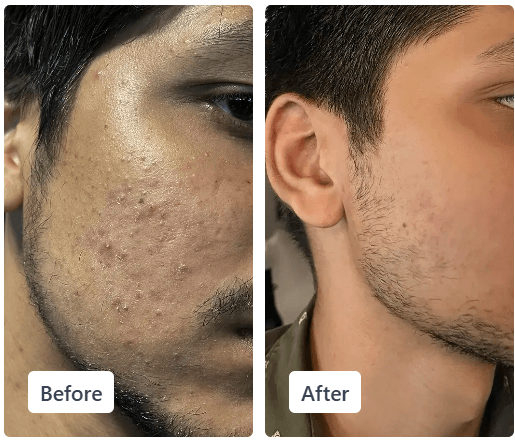
If you experience mild acne, salicylic acid may help clear clogged pores and reduce the formation of blackheads and whiteheads. It may also help with some small pimples, although it may not be enough to manage moderate or severe acne breakouts on its own.
How to Use Salicylic Acid on Your Face?
Choose a salicylic acid cleanser, serum, or spot treatment. Avoid applying it to your eyes, lips, and irritated or broken skin. You can introduce salicylic acid into your skincare routine with these steps:
- Cleanse your face: Use a gentle cleanser to remove dirt, sweat and excess oil. Double cleanse (use an oil-based cleanser first, then a water-based cleanser such as a gel, foam, or cream wash) to remove sunscreen or makeup.
- Apply serum: Apply salicylic acid as directed, let it settle, and then apply niacinamide if both are leave-on serums.
- Moisturise: Apply a gentle, non-comedogenic (non-pore-clogging) moisturiser to help maintain your skin barrier.
- Use sunscreen: Apply broad-spectrum SPF 30 or higher during the day.
- Introduce it gradually: Start with occasional use and increase frequency only if your skin tolerates it. Avoid introducing several exfoliating products at once, as this can increase irritation.
Note: Follow the product instructions if either formula recommends a different application order. If you experience persistent burning, redness or peeling, stop using the product and seek professional advice.
Can You Use Salicylic Acid Daily?
No. Don't apply a salicylic acid serum daily, as it can dry out or irritate your skin. Instead, apply it three nights a week on alternate nights to clear pores without over-exfoliating.
You may use a face wash or cleanser that contains salicylic acid. However, start using it three times a week, and if it suits you well, try using it once daily. Avoid using it twice daily as it may dry out your skin.
Who Should Avoid Salicylic Acid?
Anyone with a compromised skin barrier, irritated skin, sensitive skin, or eczema should avoid using salicylic acid. Teenagers, beginners, or people who have sensitive skin should consult a dermatologist before using it. If you are pregnant or breastfeeding, ask your healthcare professional which salicylic acid products are appropriate for you.
Clear Ritual’s Perspective on Salicylic Acid
Salicylic acid can treat acne and works well if your skin tolerates it. However, it may make your skin more sensitive to the sun and irritate it if used incorrectly. At Clear Ritual, we believe that you need to use an active ingredient safely without damaging your skin barrier.
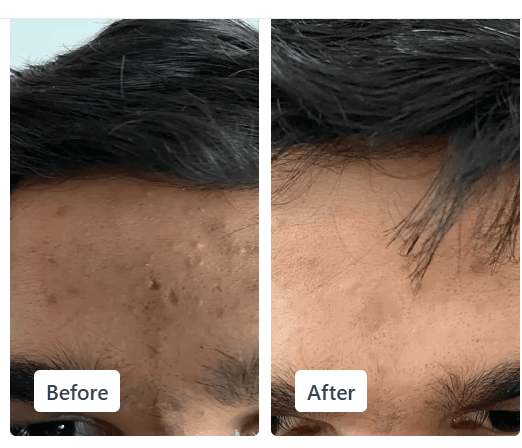
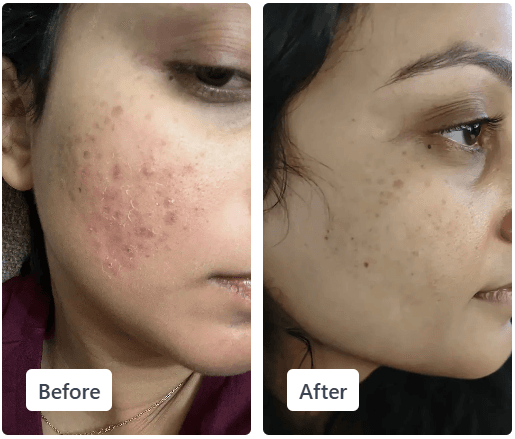
The Clear Ritual Skin Test helps you build a personalised routine to target your skin issues and get a complete solution. You do not need to treat every skin issue in the same way or find quick fixes. A holistic approach that targets the root cause helps you achieve long-lasting results.
Understand What Your Skin Needs
Take the Clear Ritual Skin Test to identify your skin type, concerns, and potential triggers before building your routine.
Take the Free Skin Test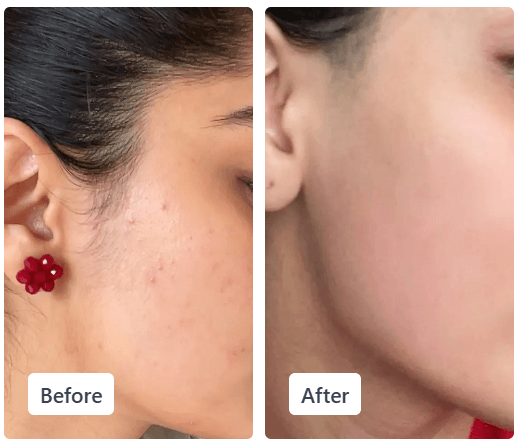
Frequently Asked Questions
Q. What does salicylic acid do to skin?
A. Salicylic acid helps loosen the buildup of dead skin cells inside pores. This makes it useful for managing congestion and certain types of acne.
Q. How long does salicylic acid take to work?
A. You may need several weeks of consistent use to notice an improvement. For acne treatments, allow around six to eight weeks to assess whether a product is helping.
Q. Can you use salicylic acid with other skincare ingredients?
A. Yes, you can use salicylic acid with other skincare ingredients, but you must pair them carefully to avoid severe skin irritation or cancelling out their benefits. Because it is a potent exfoliant, mixing it with other active ingredients, such as retinoids, benzoyl peroxide, or other exfoliating acids requires strategic timing.
Q. When should you use salicylic acid in a skincare routine?
A. Salicylic acid serum should be applied to clean, dry skin 2 to 3 times a week during your evening skincare routine. While BHAs do not make skin directly reactive to sunlight, they do expose fresh skin cells through exfoliation, so you must follow up with a broad-spectrum sunscreen the next morning.
Q. Can you apply salicylic acid daily?
A. Yes, you can apply salicylic acid daily if your skin gets used to it when using it three times a week. You can decide based on whether it irritates your skin, suits your skin type, and the type of product you are using.
References
- Arif T. Salicylic acid as a peeling agent: a comprehensive review. Clin Cosmet Investig Dermatol. 2015;8:455-461. Published 2015 Aug 26. doi:10.2147/CCID.S84765
- The American Academy of Dermatology Acne: Tips for managing (Last Updated: November 2022)
- The American Academy of Dermatology Acne: Diagnosis and treatment (Last Updated: June 2024)
- The American Academy of Dermatology Adult acne treatment dermatologists recommend (Last Updated: January 2023)
Editorial Standards
Clear Ritual has Strict sourcing guidelines to ensure our content is accurate and current. We rely on peer-reviewed studies, academic research institutions, and medical associations. We strive to use primary sources and refrain from using tertiary references. See a mistake? Learn More about our Editorial Standards.
Related Articles
Acne Diet Chart: Simple Food Plan for Clear Skin
Published 22 July 2026
Acne Breakout: Why It Happens All at Once and How to Calm It
Published 8 August 2026
Acne on Chin: Causes, Types, and How to Treat It
Published 17 July 2026

Acne Prone Skin: Complete Guide to Symptoms, Causes, Triggers and Long-Term Skin Management
Published 20 July 2026