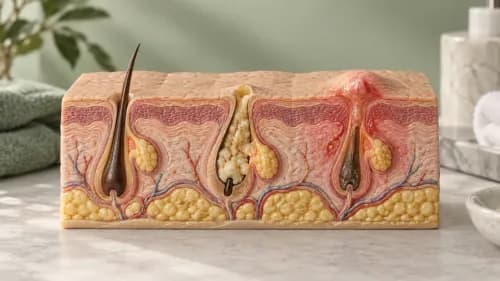
Symptoms of Comedonal Acne
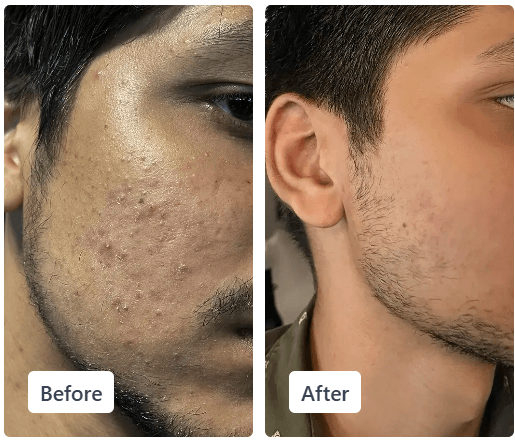
Comedonal acne shows up as small, skin colored or dark bumps, whiteheads and blackheads, that make the skin feel rough and bumpy to the touch, especially across the forehead, nose, and chin. Unlike inflammatory acne, these bumps stay flat, non red, and pain free because they form from trapped sebum and dead skin cells rather than bacterial infection. Common triggers include oil based products, over-cleansing, hormonal fluctuations, and barrier damage.
- Whiteheads: closed, flesh colored bumps beneath the skin
- Blackheads: open pores with oxidized, dark colored plugs
- No redness, swelling, or pain, unlike inflammatory acne
- Skin feels bumpy or rough to the touch
When you run your fingers across your skin, comedonal acne creates a distinctly bumpy texture. The surface feels uneven, almost like fine sandpaper, particularly noticeable across the forehead, nose, and chin areas where sebaceous glands are most concentrated.
These bumps appear in two forms. Closed comedones, called whiteheads, look like small flesh-colored or white bumps beneath the skin surface. The trapped material sits under a thin layer of skin that hasn't opened. Open comedones, known as blackheads, have a dilated opening where oxidized sebum and dead cells create a dark appearance. The darkness comes from melanin oxidation and has nothing to do with dirt.
The texture difference is often the first thing people notice. Your skin might look relatively clear from a distance but feel rough and bumpy when you touch it. In good lighting, especially natural daylight, you can see tiny bumps creating shadows across affected areas.
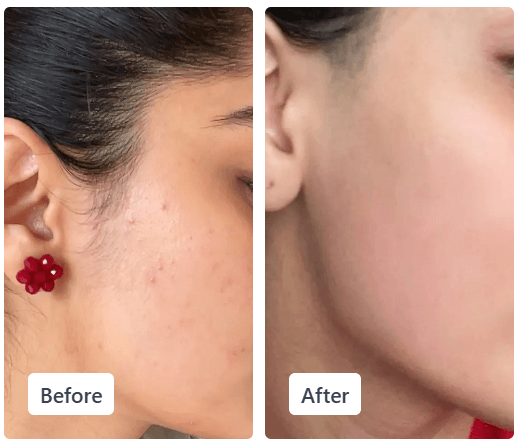
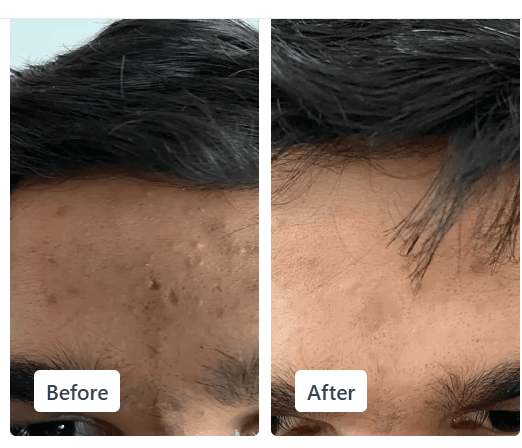
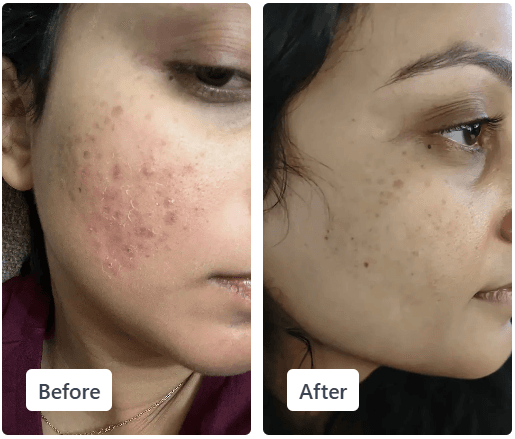
See real results, then start your own
Take the free Clear Ritual Skin Test and get a personalized routine built for your skin's unique patterns.
How Comedones Form Inside Your Pores
Understanding what happens inside your follicles helps explain why these bumps persist. Each hair follicle contains a sebaceous gland that produces sebum, an oily substance that normally flows to the skin surface to maintain barrier function and hydration.
The follicle lining constantly sheds dead skin cells, just like the outer skin surface. In normal circumstances, these cells detach and move upward with sebum flow, eventually reaching the surface and washing away. When this process goes wrong, dead cells stick together instead of separating. They mix with sebum, creating a plug that blocks the follicle opening.
The plug grows as more sebum and dead cells accumulate behind it. This stretches the follicle wall, creating the visible bump you see on the surface. Because the blockage happens without significant bacterial involvement, inflammation stays minimal. The bump remains skin-colored or slightly raised rather than red and angry.
Your skin's natural oil production continues despite the blockage. Sebum keeps building up behind the plug, which is why comedones can persist for weeks or months without resolving on their own. The follicle essentially becomes a small storage pocket filled with trapped material.
Why Your Skin Develops Comedones
Several factors determine whether your follicles develop these plugs. Sebum production plays a central role. When sebaceous glands produce more oil than your skin can effectively clear, the excess creates a thicker mixture with dead cells. This dense combination clogs pores more easily than lighter sebum flow.
The rate of skin cell turnover matters just as much as oil production. Some people naturally shed follicle lining cells faster than others. When turnover speeds up but the cells don't detach properly, they accumulate quickly inside the follicle. Slow turnover causes problems too, allowing dead cells to sit longer and form stubborn plugs.
Hormonal fluctuations influence both sebum production and cell turnover. Androgens, particularly testosterone and its derivatives, stimulate sebaceous glands to enlarge and produce more oil. These hormones also affect how quickly follicle cells multiply and shed. This explains why comedonal acne often appears during puberty, menstrual cycles, pregnancy, or times of hormonal transition.
The skin barrier's condition affects comedone formation in ways most people overlook. When you strip away surface lipids through harsh cleansing or aggressive exfoliation, your skin responds by increasing sebum production to restore protection. This rebound effect floods follicles with more oil, creating ideal conditions for blockages. Damaged barriers also allow more moisture loss, which makes dead cells stickier and harder to shed normally.
See real results, then start your own
Take the free Clear Ritual Skin Test and get a personalized routine built for your skin's unique patterns.
Common Triggers That Worsen Comedones
Certain products and habits consistently aggravate comedonal acne, even when people think they're helping their skin. Heavy moisturizers and makeup containing comedogenic ingredients sit on the skin surface and gradually work into follicle openings. Ingredients like coconut oil, cocoa butter, and certain silicones create an occlusive layer that traps sebum and dead cells beneath.
Excessive face washing disrupts the natural balance your skin needs to function properly. Stripping away too much oil triggers increased sebum production throughout the day. The cycle of over-cleansing and rebound oiliness keeps follicles constantly flooded with more material than they can clear.
Physical pressure and friction contribute more than most people realize. Resting your chin in your hands, phone contact against your cheek, or sleeping on one side creates constant pressure that can push surface oils and debris into pores. Tight headbands, hats, and helmet straps do the same across the hairline and forehead.
Climate and environmental conditions play supporting roles. High humidity keeps the skin surface moist, which can soften follicle openings and make blockages more likely. Pollution particles settle on skin throughout the day, mixing with sebum and potentially contributing to pore congestion. Indoor heating and air conditioning create dryness that prompts more oil production as compensation.
Sleep deprivation and chronic stress elevate cortisol levels, which influence both sebum production and skin barrier function. High cortisol increases oil output while simultaneously impairing the barrier's ability to maintain normal moisture balance and cell turnover. Poor sleep also reduces the skin's overnight repair processes, including the normal shedding of dead follicle cells.
Dietary patterns affect some people more than others. High glycemic foods that spike blood sugar can increase insulin and insulin-like growth factor, both of which stimulate sebaceous glands. Dairy products contain hormones and bioactive molecules that may influence sebum production in sensitive individuals. These effects vary significantly based on individual metabolism and hormonal sensitivity.
Recognizing Different Severities
| Severity Level | Appearance | Distribution | Texture Changes |
|---|---|---|---|
| Mild | Scattered bumps | One or two zones | Slightly rough in areas |
| Moderate | Clusters of comedones | Multiple facial zones | Noticeably bumpy texture |
| Severe | Dense bump coverage | Widespread across face | Significantly rough surface |
Mild comedonal acne involves scattered whiteheads or blackheads concentrated in one or two areas, typically the forehead or chin. The texture feels slightly uneven but doesn't dominate your skin's appearance. Most people can cover mild comedones easily with makeup.
Moderate cases show clusters of bumps across multiple facial zones. You might have dozens of whiteheads across your forehead plus blackheads concentrated around your nose and chin. The bumpy texture becomes obvious to touch and increasingly visible in normal lighting.
Severe comedonal acne creates dense coverage across most facial areas. Bumps crowd together so closely that the skin feels consistently rough rather than occasionally bumpy. This level often includes both open and closed comedones mixed together, creating varied texture and appearance.
How Comedonal Acne Differs From Inflammatory Acne
The absence of significant inflammation separates comedonal acne from other acne types. Comedones don't hurt when you touch them. They remain the same size for extended periods rather than growing rapidly over hours or days. The skin around them stays normal-colored instead of turning red or purple.
Inflammatory acne develops when bacteria, particularly Cutibacterium acnes, multiply inside blocked follicles and trigger immune responses. White blood cells flood the area, creating pus and swelling. The follicle wall can rupture, spreading bacteria and inflammatory compounds into surrounding tissue. This cascade produces the painful, red bumps characteristic of papules, pustules, and cysts.
Comedones contain the same bacteria but in much smaller numbers. Without significant bacterial overgrowth, the immune system doesn't mount a strong inflammatory response. The bump stays relatively stable rather than progressing through stages of inflammation, pus formation, and eventual rupture or absorption.
This distinction matters for management approaches. Inflammatory acne often requires antimicrobial treatments to reduce bacterial populations. Comedonal acne responds better to methods that prevent plug formation and help existing blockages resolve without necessarily targeting bacteria.
Early Warning Signs
Before obvious bumps appear, your skin often sends subtler signals. The texture might feel slightly rougher when you cleanse, even though you can't see distinct bumps yet. Your forehead or chin might look less smooth in certain lighting angles, with tiny shadows that weren't there before.
Increased oiliness, particularly in specific zones, often precedes comedone formation. If your forehead becomes noticeably shinier by midday when it used to stay relatively matte, your sebaceous glands may be ramping up production. This excess oil creates the raw material for future blockages.
Makeup and sunscreen might start sitting differently on your skin. Products that previously blended smoothly may now emphasize texture or settle into areas that look slightly uneven. This happens because forming comedones create microscopic surface irregularities that interfere with product application.
Pores may appear larger in areas where comedones are developing. As follicles stretch to accommodate trapped material, their openings become more visible. This enlarged appearance persists even after thorough cleansing because the structural stretching doesn't reverse immediately.
When Comedones Require Professional Attention
Most comedonal acne responds to consistent home management, but certain situations warrant dermatological evaluation. If bumps persist unchanged for several months despite improved cleansing and product choices, the underlying cause may need professional assessment. Stubborn comedones sometimes indicate hormonal imbalances or metabolic factors that require testing and targeted treatment.
Sudden onset of widespread comedones in someone who previously had clear skin deserves investigation. Rapid development can signal hormonal changes, medication effects, or exposure to comedogenic substances that need identification and removal.
When comedones begin transitioning to inflammatory acne, professional intervention prevents worsening. If you notice previously stable bumps becoming red, tender, or developing pus, the situation has shifted from simple blockage to active infection and inflammation.
Comedonal acne that significantly affects your confidence and quality of life merits professional help regardless of severity. Dermatologists can provide extraction techniques, prescription options, and personalized guidance that accelerate improvement beyond what home care achieves alone.
Managing Comedonal Acne Effectively
Gentle, consistent cleansing removes surface oil and debris without triggering the rebound oil production that harsh washing causes. Lukewarm water and mild cleansers clean effectively while preserving the barrier lipids your skin needs. Washing twice daily provides adequate cleansing for most people. More frequent washing usually backfires by stripping protective oils.
Exfoliation helps prevent comedone formation when done appropriately. Chemical exfoliants containing salicylic acid penetrate oil-filled pores and help dissolve the plugs that create blockages. This ingredient also has mild anti-inflammatory properties that keep follicles calmer. Starting with lower concentrations several times weekly prevents irritation while still providing benefits.
Product selection makes enormous difference in comedone-prone skin. Non-comedogenic moisturizers and sunscreens provide necessary hydration and protection without adding pore-clogging ingredients. Lightweight, oil-free formulations work better than rich, heavy creams. Mineral sunscreens sometimes suit comedone-prone skin better than chemical filters, though individual testing determines what works for your specific skin.
Avoid picking or squeezing comedones, despite the strong temptation. Improper extraction pushes material deeper into the follicle and can damage the follicle wall. This creates inflammation where none existed and can lead to scarring. Professional extractions performed with proper technique and tools prove safer and more effective.
Understanding Lifestyle Factors
| Factor | Impact on Comedones | Skin Mechanism Affected |
|---|---|---|
| Sleep quality | Moderate to high | Cell turnover and barrier repair |
| Stress levels | Moderate | Sebum production and inflammation |
| Hydration status | Low to moderate | Skin barrier function |
| Dietary patterns | Variable by person | Hormonal signaling and sebum output |
Sleep quality directly affects how efficiently your skin completes overnight renewal processes. During deep sleep, cell turnover accelerates and repair mechanisms work most actively. Consistent sleep deprivation interferes with the normal shedding of follicle lining cells, allowing dead cells to accumulate more easily.
Chronic stress elevates cortisol and other stress hormones that stimulate sebaceous gland activity. This hormonal state also impairs barrier function and can slow the skin's natural renewal processes. Finding effective stress management approaches helps regulate the hormonal environment that influences comedone formation.
Adequate hydration supports skin barrier function and normal cell detachment processes. When you're consistently dehydrated, the skin compensates by conserving moisture, which can make dead cells stickier and harder to shed. Drinking enough water helps maintain the fluid balance that supports healthy cell turnover.
The Role of Skin Barrier Health
Your skin barrier's integrity determines how well your skin handles the daily challenges that contribute to comedones. A healthy barrier maintains proper moisture balance, regulates oil production appropriately, and supports normal cell turnover. When barrier function declines, all these processes become dysregulated.
Barrier damage from over-cleansing, harsh products, or environmental stress triggers a cascade of responses. Moisture escapes more rapidly through the compromised barrier, signaling sebaceous glands to increase oil production. The skin also speeds up cell production to repair the damage, flooding follicles with more cells than usual. Meanwhile, inflammation increases throughout the skin as the weakened barrier allows more irritant penetration.
Rebuilding barrier health requires patience and appropriate products. Ceramide-containing moisturizers help restore the lipid matrix that holds barrier cells together. Niacinamide supports barrier repair while also regulating sebum production. Avoiding harsh ingredients and excessive cleansing gives the barrier time to recover its normal structure and function.
How Clear Ritual Supports Personalized Skincare Decisions
Clear Ritual understands that comedonal acne is more than a surface issue. It is shaped by genetics, skin renewal cycles, environmental factors, and the products you use.
Because comedonal acne forms when sebum and dead skin cells become trapped inside pores without triggering the bacterial inflammation seen in other acne types, generic solutions rarely bring lasting improvement. Clear Ritual combines traditional wisdom and modern science, drawing on Ayurveda, modern dermatology, and advanced skin science, to address the underlying causes of comedonal acne.
The Clear Ritual Skin Test analyses your skin's unique patterns and daily influences, including hormonal function, metabolic influences, inflammatory tendencies, and lifestyle factors, to help identify the best routine for supporting healthy skin and reducing comedonal acne recurrence.
Editorial Standards
Clear Ritual has Strict sourcing guidelines to ensure our content is accurate and current. We rely on peer-reviewed studies, academic research institutions, and medical associations. We strive to use primary sources and refrain from using tertiary references. See a mistake? Learn More about our Editorial Standards.