Can Hard Water Cause Acne? How Minerals Trigger Breakouts
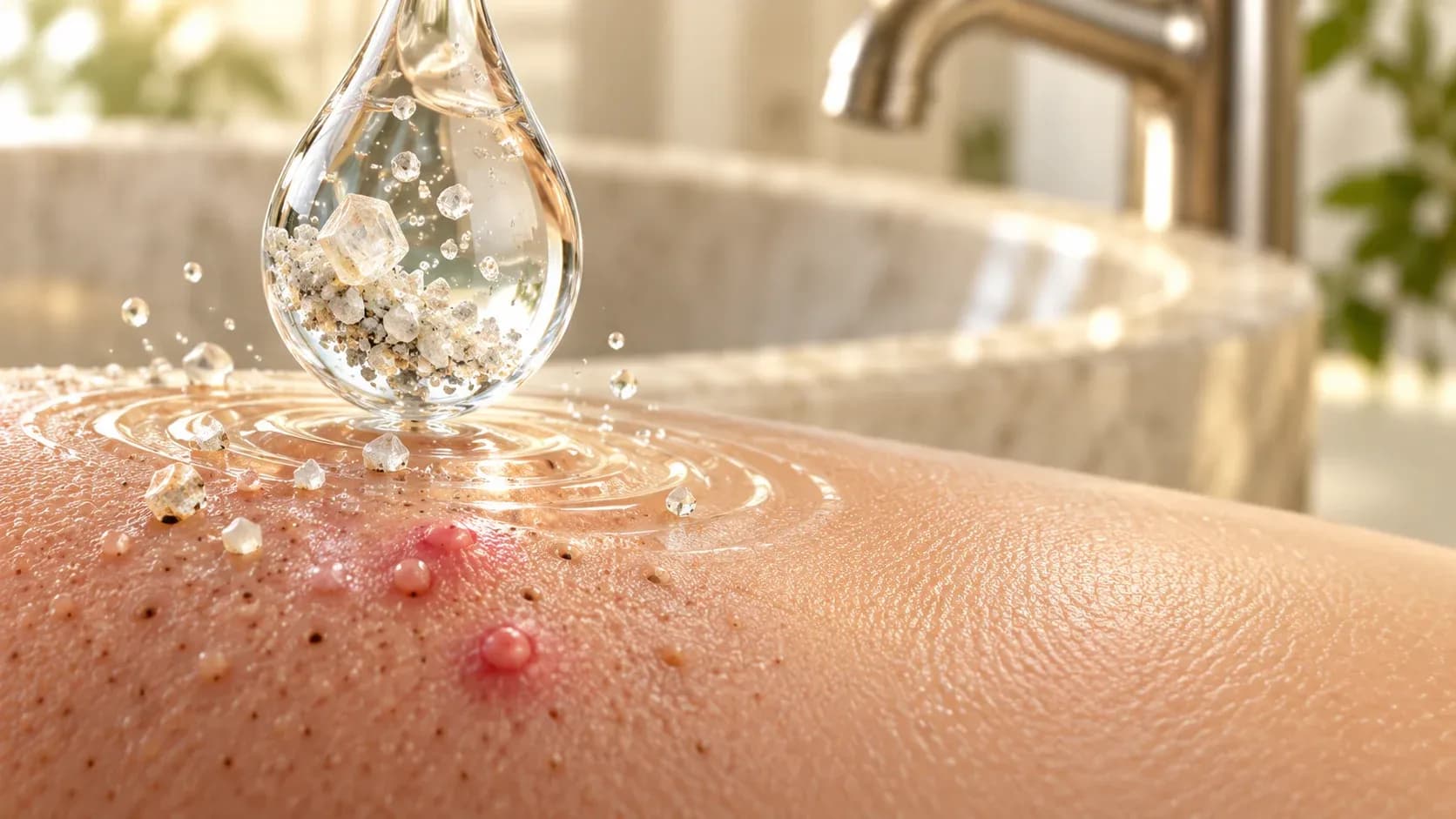
Quick Answer: Hard water may contribute to acne by leaving calcium and magnesium residue on the skin and increasing irritation during cleansing. The effect is usually cumulative rather than immediate, and hard water may worsen breakouts by interfering with effective cleansing and weakening an already sensitive skin barrier.
What Is Hard Water and Why Does It Affect Skin?
Hard water is water with elevated dissolved mineral content, primarily calcium carbonate and magnesium, absorbed as water passes through limestone, chalk, or gypsum deposits underground. Mineral concentration is measured in parts per million (ppm). Water above 120 ppm is classified as hard; above 180 ppm is considered very hard.
When you wash your face with hard water, these dissolved minerals do not simply rinse away. They bind with fatty acids in your cleanser and the natural oils on your skin surface, forming an insoluble soap scum. This microscopic film adheres to the skin and sits over pore openings, preventing proper cleansing and blocking normal skin cell turnover.
Hard water also has an alkaline pH of 7.5–8.5. Your skin's natural, protective pH sits between 4.5 and 5.5. Regular exposure to alkaline water shifts your skin's acid mantle upward, weakening the barrier that keeps harmful microbes, irritants, and inflammation in check.
According to Clear Ritual's dermatology team, the combination of mineral deposition and pH disruption is what makes hard water a distinct and compounding acne trigger, separate from, and additive to, factors like hormones or diet.
How Hard Water Causes Acne: The 4-Step Mechanism
Hard water does not cause acne in a single step. It initiates a four-part chain reaction that explains why hard water breakouts are persistent and slow to clear with conventional acne treatments alone.
Step 1, Mineral film forms on skin. When hard water contacts your skin, calcium and magnesium ions bind with fatty acids in your cleanser and your skin's natural oils. This creates an insoluble soap scum that does not rinse away. It adheres to the skin surface as a thin, hardening mineral film.
Step 2, Pores get physically blocked. The mineral film acts like microscopic cement over follicle openings. Dead skin cells that would normally shed, your skin sheds approximately 30,000–40,000 cells per minute, get trapped beneath this layer. They mix with sebum beneath the surface to form microcomedones: the invisible precursors to every visible blackhead, whitehead, and papule.
Step 3, The skin barrier breaks down. Hard water's alkaline pH of 7.5–8.5 dissolves the ceramide-rich lipid matrix that holds skin cells together. This creates gaps in the barrier, accelerates transepidermal water loss, and triggers a reactive increase in oil production. Dehydrated skin compensates by producing more sebum, which then gets trapped under mineral deposits and restarts the cycle.
Step 4, Bacteria multiply and inflammation ignites. Trapped sebum inside blocked pores creates low-oxygen conditions. Cutibacterium acnes is an anaerobic bacterium, it thrives without oxygen. As it metabolises trapped oil, it releases inflammatory byproducts that activate your immune system. White blood cells rush to the area, producing the redness, swelling, and tenderness of inflammatory acne lesions.
Because hard water is applied to skin repeatedly every day, each step reinforces the next. This is why hard water acne tends to be persistent, and why it does not respond reliably to conventional acne treatments that do not address the mineral source.
What Does Hard Water Acne Look Like? Identifying the Pattern
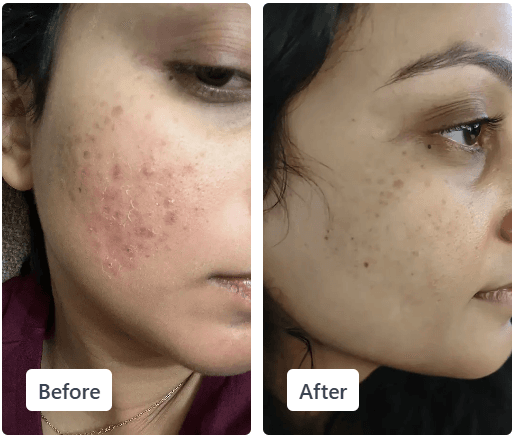
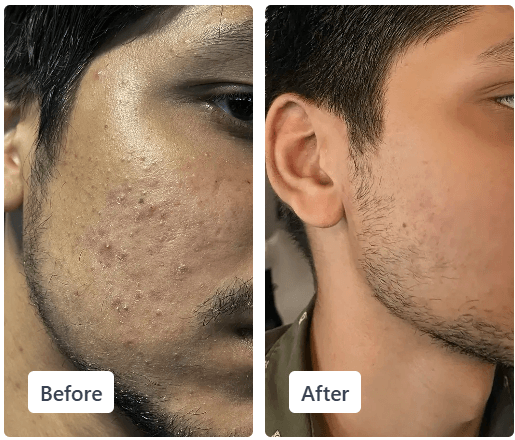
Hard water acne follows recognisable patterns that help distinguish it from hormonal or diet-related breakouts. Clear Ritual's clinical team identifies three categories of signs.
Location clues:
- Breakouts concentrated along the jawline, chin, and cheeks, areas where water lingers longest during face washing
- Congestion along the hairline and temples where shower water drips
- Body acne on the chest, upper back, and shoulders, high shower-contact zones
Skin texture clues:
- Skin feels tight and squeaky clean immediately after washing, then becomes visibly oily within 60–90 minutes, a sign of barrier disruption and reactive sebum production
- Serums and moisturisers sit on the skin surface rather than absorbing, because mineral film blocks penetration
- Persistent small closed comedones that do not come to a head, microcomedones physically sealed beneath mineral deposits
Timing clues:
- Breakouts worsened after moving to a new city or home
- Skin improved noticeably when travelling to a region with softer water
- Breakouts are worse in winter, when indoor heating compounds barrier damage
How is hard water acne different from hormonal acne? Hormonal acne is typically cyclical, worsening in the days before menstruation, and clusters on the lower face. Hard water acne is non-cyclical, appears wherever water contacts skin longest, and is accompanied by characteristic texture signs: tightness after washing, poor product absorption, and visible white mineral residue on taps and faucets. Both can coexist; hard water amplifies hormonal acne by increasing baseline inflammation.
How Hard Water Disrupts the Skin Barrier
Hard water compromises the skin barrier through two simultaneous mechanisms, mineral deposition and alkaline pH exposure, and the damage is measurably progressive.
Your skin barrier consists of skin cells held together by lipids: ceramides, cholesterol, and fatty acids that form a waterproof seal. This barrier prevents transepidermal water loss (TEWL) and keeps irritants, pathogens, and allergens from penetrating deeper skin layers.
Hard water disrupts this structure in the following ways:
- Alkaline pH dissolves the lipid matrix that holds skin cells together, creating microscopic gaps in the barrier
- Mineral deposits interfere with desquamation, the natural process by which dead skin cells shed, causing them to accumulate in follicle openings instead
- Barrier gaps accelerate water loss, prompting sebaceous glands to overproduce sebum as compensation, creating oily skin over dehydrated deeper layers
- Altered skin pH disrupts the microbiome, causing beneficial bacterial species to decline and opportunistic acne-associated bacteria to gain advantage
Research published in the Journal of Investigative Dermatology found that washing with hard water increased surfactant deposits on the skin. These deposits were associated with increased transepidermal water loss and irritation, particularly in people already prone to skin barrier impairment.
Earlier research in Contact Dermatitis also found that cleansing in hard water was associated with greater dryness, redness, reduced hydration, and increased soap binding compared with deionised water.
The practical implication: hard water does not just feel unpleasant. It measurably degrades two of the skin's core defence mechanisms, the lipid barrier and antimicrobial peptide activity, through distinct pathways.
Why Hard Water Acne Gets Worse Over Time
Hard water damage is cumulative, not immediate. The first few washes may cause no noticeable change. With each exposure, however, more minerals deposit on the skin surface. The barrier weakens progressively. The pH shifts further from optimal. The microbiome becomes increasingly disrupted.
After weeks or months of consistent hard water exposure, skin reaches a tipping point where it can no longer compensate. This explains why people often report sudden skin changes after moving to a new location, the cumulative effect becomes visible all at once.
Several habits accelerate this accumulation:
- Hot water increases the rate at which calcium and magnesium bind to skin proteins, worsening mineral deposition per wash
- Long showers allow more mineral contact time with skin
- Washing more than twice daily multiplies total mineral exposure, particularly counterproductive because people with acne often wash more frequently to manage oiliness
- Winter conditions compound barrier damage: indoor heating reduces humidity, and barrier-compromised skin dehydrates more rapidly in dry air
Skin does not truly adapt to hard water over time. While skin may seem to improve temporarily, this typically reflects fluctuations in other acne triggers rather than genuine adaptation.
Who Is Most Affected by Hard Water Acne?
Hard water can worsen breakouts in any skin type, but the presentation and severity differ. Understanding which skin type profile applies to you helps predict how hard water acne will manifest.
Oily and combination skin: These skin types see the most dramatic increase in breakouts. Already-active sebaceous glands produce additional sebum in response to barrier damage, creating excessive oil that gets trapped under mineral deposits.
Sensitive skin: Reacts quickly to barrier disruption and pH shifts. These individuals may notice burning or stinging during washing, followed by redness and papules that emerge rapidly after water exposure.
Dry skin: Can develop hard water acne, though the pattern differs. Reduced sebum production limits bacterial fuel, so large inflammatory lesions are less common. Congestion and small closed comedones predominate, alongside persistent flaking, tightness, and sensitivity.
Skin with pre-existing conditions: People with rosacea, eczema, or perioral dermatitis often find hard water exacerbates their primary condition while simultaneously triggering acne-like breakouts. The weakened barrier creates vulnerability to multiple skin problems occurring simultaneously.
According to Clear Ritual's assessment framework, identifying your skin type and its specific response to water quality is an essential first step in determining how aggressively to address hard water as an acne trigger.
How to Test Whether Hard Water Is Affecting Your Skin
Before overhauling a skincare routine, confirming water hardness level provides an objective baseline. Clear Ritual recommends this as a first step rather than making assumptions.
How to check water hardness:
- Order a home water testing kit from a hardware store or online retailer, test strips or digital meters both work
- Download your municipality's annual water quality report, usually available on your water supplier's website; reports list mineral content in ppm
- Request a reading from your water supplier directly if you have difficulty locating the report
| Water Hardness Level | Mineral Content (ppm) | Skin Impact Risk |
|---|---|---|
| Soft | 0–60 | Minimal barrier disruption |
| Moderately hard | 61–120 | Mild effects; may worsen sensitive skin |
| Hard | 121–180 | Noticeable pore clogging and pH disruption |
| Very hard | 180+ | Significant acne trigger and barrier damage |
Water above 120 ppm warrants action. Above 180 ppm, hard water is likely a significant contributor to persistent breakouts, particularly if combined with the skin texture and location signs described earlier.
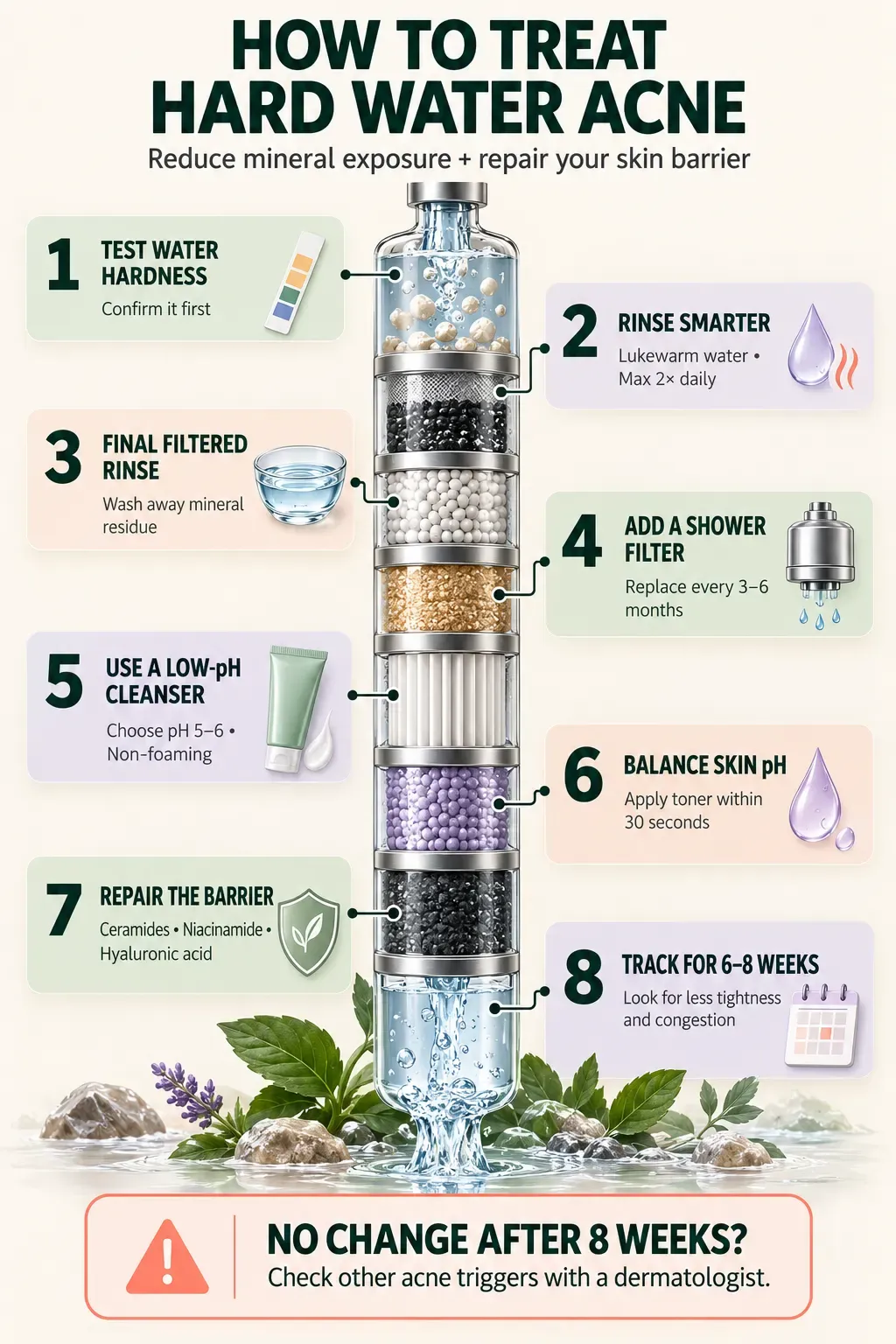
How to Treat Hard Water Acne: Step-by-Step
Treating hard water acne requires working on two fronts simultaneously: reducing mineral exposure at the source, and repairing the barrier damage that has already accumulated. Neither approach alone is sufficient.
Step 1: Test your water hardness first. Confirm hard water is actually a factor before changing anything. Use a home testing kit or check your municipality's annual water quality report. Acting without this data means you may overhaul your routine unnecessarily.
Step 2: Change how you rinse, not how often you wash. Use lukewarm water instead of hot. Heat increases mineral binding to skin proteins. Limit rinse time to approximately 30 seconds of thorough splashing. Do not wash more than twice daily, additional washes multiply mineral exposure without reducing oil production long-term.
Step 3: Do a filtered-water final rinse. After cleansing with tap water, fill a small bowl or spray bottle with filtered or bottled water and rinse as a final step. This removes the mineral residue left by tap water immediately. It is the lowest-cost, highest-impact change most people can implement immediately, no installation required.
Step 4: Install a shower filter. For body and hair exposure, a shower filter fitted to the shower head reduces mineral content significantly. Look for filters using KDF-55 or activated carbon media. These typically require replacement every 3–6 months. Cost: approximately £20–£80 (UK) or $25–$100 (US).
Step 5: Switch to a low-pH, non-foaming cleanser. Foaming cleansers with pH above 6 create maximum soap scum in hard water. Switch to a cream or gel cleanser formulated at pH 5–6. Avoid sodium lauryl sulphate (SLS) as a primary surfactant, it maximises mineral binding and barrier stripping simultaneously.
Step 6: Apply a pH-balancing toner within 30 seconds of cleansing. Hard water shifts skin pH to 7.5–8.5. Your skin takes 1–2 hours to naturally reacidify. Applying a pH 4.5–5.5 toner immediately after cleansing, while skin is still slightly damp, resets the acid mantle quickly and limits the window during which acne bacteria can proliferate. Look for lactic acid, gluconolactone, or panthenol-based toners. Avoid high-alcohol astringents, which create temporary tightness through further barrier disruption.
Step 7: Repair the barrier with ceramides, niacinamide, and hyaluronic acid. These three ingredients address the three specific damage pathways hard water creates:
- Ceramides replace the lipids dissolved by alkaline mineral exposure
- Niacinamide (vitamin B3 at 4–10%) stimulates your skin's own ceramide production and regulates reactive sebum output
- Hyaluronic acid draws water into dehydrated skin layers, reducing the compensatory oil production that feeds further breakouts
Apply barrier-repair products to slightly damp skin to maximise absorption before mineral residue can settle.
Step 8: Track progress over 6–8 weeks. Skin cell turnover takes approximately 28 days. Most people see initial improvement, reduced congestion, less post-wash tightness, within 2–4 weeks. Complete clearing of existing breakouts typically takes 6–8 weeks. If no improvement occurs after 8 weeks of consistent implementation, other acne triggers are likely the dominant factor.
Hard Water Acne Solutions Compared
No single solution fits every situation. Your best approach depends on whether you rent or own your home, your budget, and how severe your skin's response to hard water is.
| Solution | How It Works | Approximate Cost | Best For | Limitations |
|---|---|---|---|---|
| Filtered/bottled water final rinse | Removes mineral residue post-cleanse | £0–£5/month | Renters; mild impact; immediate start | Face only; no benefit for body or hair |
| Shower head filter | KDF or activated carbon reduces minerals and chlorine | £25–£100 + cartridges | Renters; face, body, and hair exposure | Less effective than full softener; needs regular replacement |
| Whole-house water softener | Ion exchange removes calcium and magnesium from all water | £500–£2,000 installed | Homeowners with very hard water (180+ ppm) and severe skin response | High cost; sodium-based softened water not ideal for drinking without separate filter |
| Low-pH cleanser switch | Minimises soap scum formation; protects acid mantle | £8–£25/product | Everyone using hard water | Does not remove minerals already in water; must be combined with other steps |
| pH-balancing toner | Resets skin pH post-wash; supports acid mantle recovery | £10–£30/product | Everyone; especially reactive or sensitive acne-prone skin | Addresses aftermath, not mineral source |
| Barrier-repair skincare (ceramides + niacinamide + HA) | Restores lipid barrier and reduces reactive sebum | £20–£60/month | Everyone; essential for lasting improvement | Treats consequence of hard water; must be paired with water management |
Most cost-effective starting stack for most people: Filtered rinse + low-pH cleanser + pH toner + ceramide moisturiser. This combination costs under £40/month and can be implemented immediately without installation.
When to consider a whole-house softener: If your water tests above 180 ppm, your skin reacts severely, and you own your home, the long-term cost of skincare and dermatology appointments makes a water softener a financially reasonable investment over a 3–5 year period.
Best Ingredients for Skin Affected by Hard Water
When hard water regularly disrupts the skin barrier, ingredient selection matters more than usual. The following ingredients have the strongest evidence for addressing hard water-specific skin damage.
For barrier repair:
- Ceramides (types 1, 3, 6-II), directly replace lipids dissolved by alkaline mineral exposure
- Cholesterol and fatty acids work synergistically with ceramides to rebuild the complete lipid profile
- Panthenol helps soothe irritation and supports moisture retention
For hydration and oil balance:
- Hyaluronic acid supports hydration in skin that feels tight after washing
- Niacinamide may support barrier function and help manage excess oil
- Glycerin attracts water into the outer skin layers without adding heaviness
For clogged pores:
- Salicylic acid can enter oily pores and help loosen accumulated sebum and dead skin cells
- Azelaic acid can support acne-prone skin while helping manage redness and post-breakout marks
Introduce one active ingredient at a time. When the barrier is irritated, start with hydration and barrier support before adding exfoliating acids.
What Should You Avoid When Hard Water Is Irritating Your Skin?
Hard water exposure can make the skin more reactive, so aggressive skincare may increase dryness and inflammation instead of clearing breakouts.
- Harsh physical scrubs that create friction on already irritated skin
- High-alcohol astringents that worsen dryness and tightness
- Very hot water and unnecessarily long cleansing sessions
- Washing more than twice daily unless advised by a dermatologist
- Layering several exfoliating acids or strong active ingredients at once
- Picking or squeezing clogged pores and inflamed spots
When Should You See a Dermatologist?
Hard water may contribute to irritation and congestion, but it is rarely the only possible reason for persistent acne. Seek dermatologist guidance if:
- Breakouts remain unchanged after 6 to 8 weeks of consistent care
- Acne is painful, deep, widespread, or leaving scars
- Your skin burns, cracks, or develops persistent redness after washing
- You suspect eczema, rosacea, perioral dermatitis, or another skin condition
- Breakouts continue despite reducing hard water exposure
A dermatologist can help distinguish hard water-related irritation from hormonal, comedonal, inflammatory, or product-related acne and recommend appropriate care.
Clear Ritual's Perspective on Hard Water Acne
Hard water may be one part of a broader breakout pattern rather than the only cause. The most useful approach is to confirm your water hardness, reduce unnecessary exposure, use gentle cleansing, and support the skin barrier consistently.
At Clear Ritual, we believe understanding your skin type, breakout pattern, and environmental triggers is the first step towards building a routine that supports your skin without unnecessary irritation.
Understand What May Be Triggering Your Breakouts
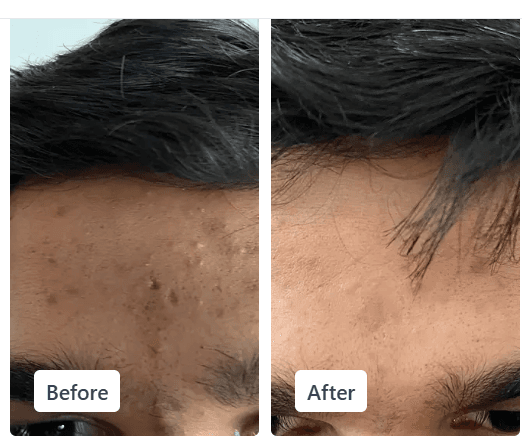
Take the free skin test to assess oiliness, sensitivity, clogged pores, barrier concerns, and environmental triggers, then build a routine suited to your skin.
Take the Free Skin Test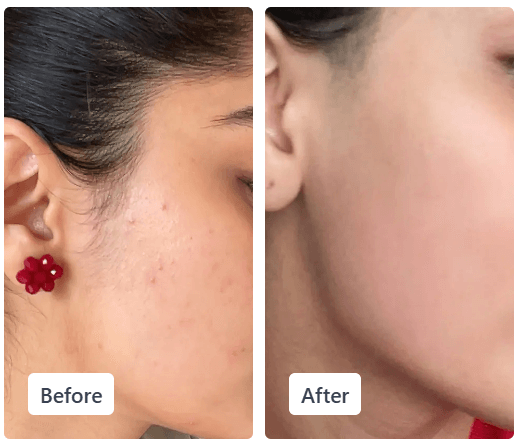
Frequently Asked Questions
Q: Can hard water cause acne?
A: Hard water is not a proven standalone cause of acne, but mineral and cleanser residue may contribute to irritation, dryness, congestion, and barrier disruption that can worsen breakouts in some people.
Q: What does hard water acne look like?
A: It may appear as small clogged bumps, increased congestion, redness, tightness after washing, or breakouts in areas frequently exposed to tap or shower water.
Q: How can you test whether your water is hard?
A: Use a water-hardness test strip, check your water supplier's quality report, or request the mineral concentration directly from the supplier.
Q: Can a shower filter remove hard water minerals?
A: Many standard shower filters reduce chlorine or sediment but do not fully remove calcium and magnesium. An ion-exchange water softener is generally more effective for reducing hardness minerals.
Q: How long does hard water acne take to improve?
A: Initial improvements in tightness or irritation may appear within a few weeks, but clogged pores and active breakouts may take 6 to 8 weeks or longer to improve.
References
- Danby SG, Brown K, Wigley AM, et al. The effect of water hardness on surfactant deposition after washing and subsequent skin irritation in atopic dermatitis patients and healthy control subjects. Journal of Investigative Dermatology. 2018;138(1):68-77. View study.
- Warren R, Ertel KD, Bartolo RG, et al. The influence of hard water (calcium) and surfactants on irritant contact dermatitis. Contact Dermatitis. 1996;35(6):337-343. View study.
- American Academy of Dermatology. Acne: Tips for Managing.
- National Institute of Arthritis and Musculoskeletal and Skin Diseases. Acne: Types, Causes, and Risk Factors.
Disclaimer: This article is for general educational purposes and is not a substitute for personalised medical advice. Consult a qualified dermatologist for persistent, painful, widespread, or scarring acne.
Editorial Standards
Clear Ritual has Strict sourcing guidelines to ensure our content is accurate and current. We rely on peer-reviewed studies, academic research institutions, and medical associations. We strive to use primary sources and refrain from using tertiary references. See a mistake? Learn More about our Editorial Standards.
Related Articles
Hair gels and styling products causing acne: how they clog pores
Published 16 July 2026
Acne in Perimenopause: Hormonal Changes Behind Adult Breakouts
Published 16 July 2026
Acne During Menopause: Why Breakouts Start Later in Life
Published 16 July 2026
Pimples After Waxing: Causes, Treatment, and Prevention
Published 12 October 2026