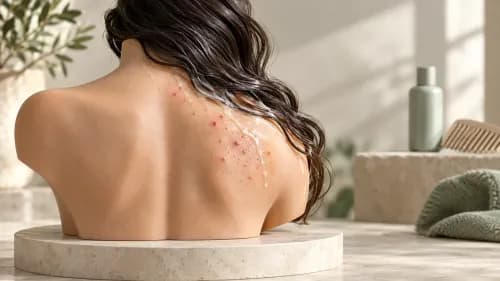
Heat Pimples on Body: Causes, Prevention, and Treatment
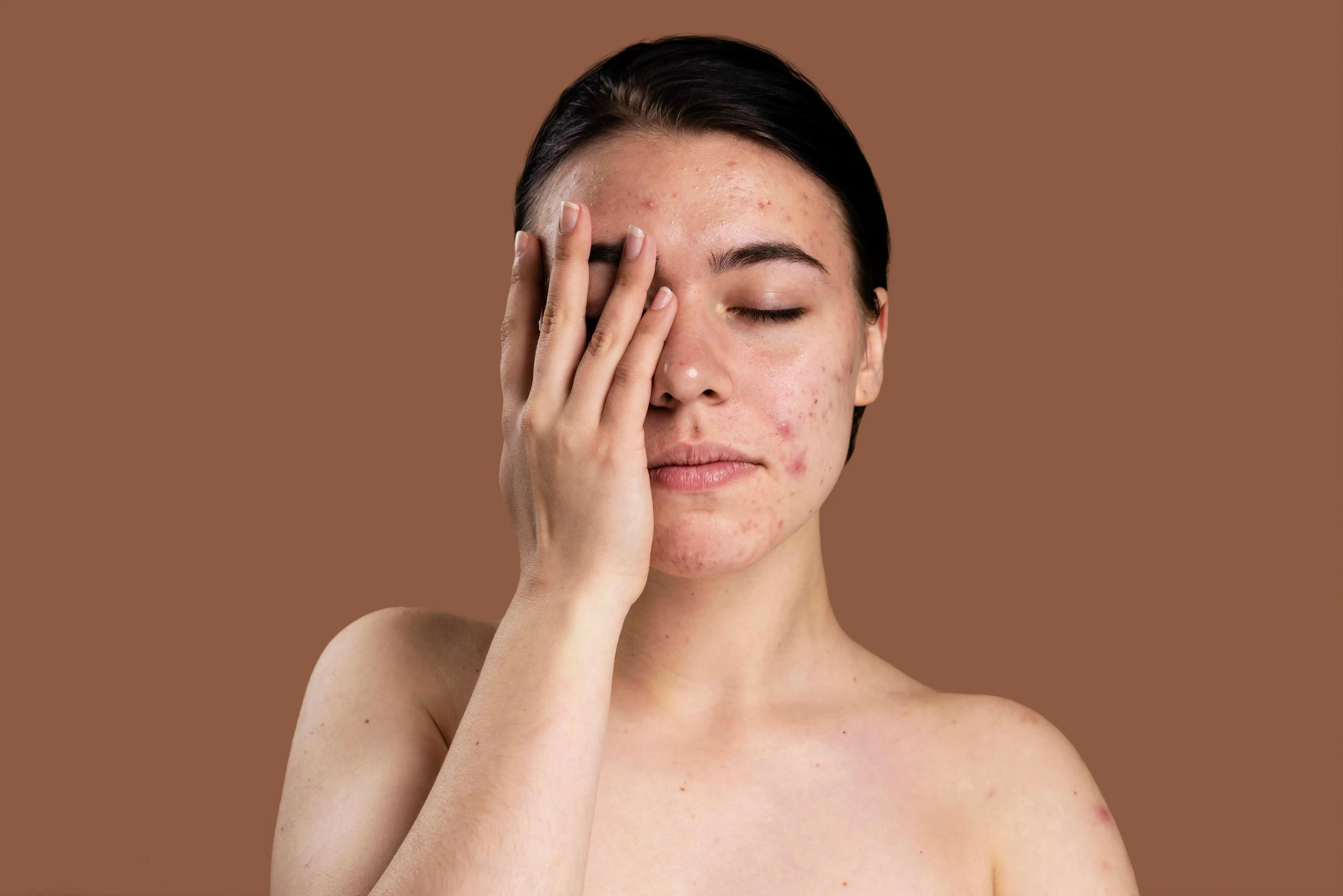
Quick Answer Heat pimples on the body are usually small, itchy, prickly bumps caused by trapped sweat, heat, humidity, and friction. They often appear on the chest, back, neck, underarms, thighs, groin, or under the breasts. Cooling the skin, changing out of sweaty clothes, wearing loose breathable fabrics, and avoiding heavy creams can help them settle. If the bumps are painful, pus-filled, spreading, or do not improve within a few days, they may be body acne, folliculitis, or another rash that needs medical advice.
What Are Heat Pimples on the Body?
“Heat pimples” is a common term for tiny bumps that appear after sweating heavily or spending time in hot and humid weather. In many cases, they are actually heat rash, also called prickly heat or miliaria, rather than regular acne.
Heat rash develops when sweat becomes trapped under the skin because sweat ducts are blocked or irritated. This can cause small raised bumps along with itching, stinging, burning, or a prickly feeling.
Heat pimples can appear anywhere on the body, but they are especially common in areas that stay warm, sweaty, covered, or exposed to friction.
Common areas include:
- Chest and upper back
- Neck and shoulders
- Underarms
- Stomach and waistline
- Groin and inner thighs
- Under the breasts
- Buttocks
- Elbow creases and skin folds
On lighter skin, heat pimples may look red or pink. On deeper skin tones, they may look darker, greyish, purple, or lighter than the surrounding skin.
How Do Heat Pimples Form?
Heat pimples form when the body produces sweat but the sweat cannot evaporate normally from the skin.
Step-by-step mechanism:
- Heat or humidity increases sweating. Sweating is the body’s natural way of cooling itself.
- Sweat ducts become blocked or irritated. Tight clothing, friction, heavy products, and prolonged sweating can contribute.
- Sweat gets trapped beneath the skin. Instead of evaporating, it remains in the upper layers of the skin.
- The trapped sweat irritates the skin. This can cause clusters of tiny bumps, itching, burning, or prickling.
- Friction and scratching may worsen the rash. Rubbing the affected area can make the skin more inflamed and uncomfortable.
Heat rash is more likely during humid weather, outdoor workouts, long commutes, travel, or after staying in sweaty clothing for too long.
Heat Pimples on Body: Common Symptoms
Heat pimples may look different depending on how much sweat is trapped and how irritated the skin has become.
Tiny Clear or White Bumps
Some people notice very small clear or white bumps that are not painful. These may look like tiny droplets or beads on the skin.
Red, Itchy, or Prickly Bumps
This is the more common type of heat rash. It may cause clusters of raised bumps with itching, stinging, burning, or a prickly sensation.
Inflamed Bumps
When the skin is repeatedly rubbed, scratched, or exposed to sweat for long periods, the bumps may become redder and more irritated.
Pus-Filled Bumps
Pus-filled or painful bumps are not always simple heat rash. They can sometimes suggest folliculitis, body acne, or a secondary infection and should be checked if they worsen or do not settle.
At a glance:
| Symptom | What It May Feel Like |
|---|---|
| Small raised bumps | Rough or uneven skin texture |
| Itching | Mild to intense, especially after sweating |
| Prickling | A tingling or pin-like sensation |
| Burning | More common in irritated areas |
| Redness or discolouration | Can look pink, red, brown, purple, or grey |
| Skin sensitivity | Clothing may feel uncomfortable against the affected area |
## Heat Pimples on Body: Main Causes
Heat pimples usually appear because of sweating, heat, humidity, blocked sweat ducts, or friction.
Hot and Humid Weather
Humid weather makes it harder for sweat to evaporate. When sweat stays trapped against the skin, it can irritate the sweat ducts and trigger heat rash.
Tight or Synthetic Clothing
Tight leggings, shapewear, fitted jeans, polyester tops, sports bras, and synthetic innerwear can trap sweat and reduce airflow around the skin.
Exercise and Workouts
Workouts raise body temperature and increase sweating. Sweat combined with tight activewear can trigger bumps on the back, chest, thighs, waistline, and underarms.
Staying in Sweaty Clothes for Too Long
Remaining in damp gym clothes, wet innerwear, or sweat-soaked clothing can keep the skin warm and moist for long periods.
Heavy Creams, Oils, or Ointments
Thick body butters, petroleum-based products, and heavy oils can trap heat and moisture in some people, especially when applied to sweat-prone areas in hot weather.
Skin-to-Skin Friction
Heat pimples are more common under the breasts, around the groin, inner thighs, stomach folds, and underarms because these areas stay warmer and more moist.
Heat Pimples vs Body Acne: What Is the Difference?
Heat pimples and body acne can look similar at first, but they develop for different reasons.
| Feature | Heat Pimples / Heat Rash | Body Acne |
|---|---|---|
| Main trigger | Heat, sweating, humidity, friction | Oil buildup, clogged pores, hormones, bacteria |
| Appearance | Tiny itchy or prickly bumps | Whiteheads, blackheads, red pimples, cysts |
| Common areas | Neck, chest, back, folds, thighs, groin | Back, chest, shoulders, buttocks |
| Itching | Very common | Less common |
| Pain | Usually mild | Can be tender or painful |
| Timing | Often starts after heat exposure | Can persist in all weather |
| Improvement | Often settles after cooling skin | Usually needs a consistent acne routine |
Heat pimples often appear quickly after sweating or overheating. Body acne usually takes longer to develop and may include [blackheads](https://theclearritual.com/blog/types-of-acne/all-about-blackheads), whiteheads, or painful bumps.
Heat Pimples vs Other Body Rashes
Not every itchy body rash in summer is heat rash.
| Condition | Common Signs | Key Difference |
|---|---|---|
| Heat rash | Tiny, prickly, itchy bumps after sweating | Improves after cooling the skin |
| Folliculitis | Bumps or pustules around hair follicles | May be tender and resemble acne |
| Contact dermatitis | Itchy red rash after a product or fabric exposure | Often linked to a new soap, fragrance, detergent, or material |
| Fungal rash | Itchy, scaly patches in moist areas | May spread outward or have a defined border |
| Jock itch | Itchy rash around groin or inner thighs | Often fungal and can be ring-shaped |
Contact dermatitis can occur after exposure to irritants or allergens such as fragrances, cosmetics, detergents, jewellery, or fabrics. A fungal rash in the groin or inner thighs may be itchy and have a defined or ring-like edge.
How to Treat Heat Pimples on the Body
The main goal is to cool the skin, reduce sweating, and avoid further friction. Mild heat rash often clears once the skin cools down and the trigger is removed.
Step 1: Move to a Cooler Area
Get out of direct heat where possible. Sit in a well-ventilated room, use a fan, stay in the shade, or use air conditioning.
Step 2: Take a Cool or Lukewarm Shower
Use cool or lukewarm water to remove sweat and reduce skin temperature. Avoid hot showers because they can increase irritation and sweating.
Step 3: Pat the Skin Dry
Use a clean, soft towel and gently pat the skin dry. Do not rub aggressively because friction can make the bumps feel itchier.
Step 4: Wear Loose, Breathable Clothing
Choose loose cotton or other lightweight breathable fabrics. Avoid tight synthetic clothes until the rash settles.
Step 5: Use a Cool Compress
A cool damp cloth or wrapped cold pack can help calm itching and prickling. Avoid placing ice directly on the skin. The NHS suggests using a cool compress for up to 20 minutes at a time.
Step 6: Avoid Heavy Products
Avoid thick creams, oils, ointments, body butters, and fragranced lotions on the affected area until the skin feels calmer.
Step 7: Avoid Scratching
Scratching can damage the skin and make the rash more inflamed. Try tapping or patting the itchy area instead.
What Can You Apply on Heat Pimples?
The safest approach is usually to keep the routine simple and avoid products that trap heat or sting.
| Skin Concern | Helpful Approach |
|---|---|
| Mild prickling | Cool shower, fan, loose clothing |
| Itching | Cool compress, fragrance-free soothing product |
| Sweat-prone skin folds | Keep the area clean, dry, and well ventilated |
| Sensitive or irritated skin | Avoid scrubs, acids, perfumes, and harsh body washes |
| Persistent itching | Speak with a pharmacist or dermatologist |
Calamine lotion may help some people with itch relief. However, avoid self-treating with steroid, antibiotic, antifungal, or medicated creams unless a healthcare professional has advised the right option for your rash.
Heat Pimples on Body: Results Timeline
Heat rash often improves once the skin is kept cool and the person avoids sweating, friction, and tight clothing.
| Timeframe | What You May Notice |
|---|---|
| First few hours | Less prickling after cooling the affected area |
| Day 1–2 | Reduced itching and skin irritation |
| Day 2–4 | Bumps may begin flattening if skin stays cool and dry |
| Within a few days | Mild heat rash often settles significantly |
| After healing | Temporary darker or lighter marks may remain in some people |
Mild heat rash often clears quickly once the skin cools down. More severe, painful, or persistent rashes may need professional assessment.
Who Is More Likely to Get Heat Pimples?
Heat pimples can affect anyone, but certain environments and routines increase the risk.
| Higher-Risk Group | Why It Happens |
|---|---|
| People living in hot, humid climates | Sweat does not evaporate as easily |
| People who exercise outdoors | More sweat, heat, and clothing friction |
| People who wear tight clothes | Heat and sweat stay trapped against the skin |
| People with skin folds | Moisture can collect under breasts, stomach folds, groin, and thighs |
| People who sweat heavily | More frequent moisture exposure |
| Babies and young children | Sweat ducts are still developing |
| People with fever or prolonged bed rest | Warmth and sweating can affect covered skin areas |
Heat rash is especially common in warm, humid environments and in areas of the body covered by clothing or affected by friction.
How to Prevent Heat Pimples on the Body
Prevention focuses on reducing trapped sweat, moisture, and friction.
Best prevention habits:
- Wear breathable fabrics. Choose loose cotton, linen, or lightweight moisture-managing workout clothes.
- Change out of sweaty clothes quickly. Shower and change after workouts, outdoor travel, or long commutes.
- Avoid tight waistbands and shapewear in hot weather. This reduces rubbing around the waist, stomach, groin, and thighs.
- Take cool showers after sweating. This helps remove sweat and cool the skin.
- Keep sleeping spaces cool. Use lightweight bedding, a fan, or air conditioning where possible.
- Avoid heavy oils on sweat-prone areas. Choose lighter, fragrance-free products when needed.
- Dry skin folds gently after bathing. Pay attention to underarms, under breasts, groin folds, and inner thighs.
- Exercise during cooler hours. Early mornings or evenings may be more comfortable than peak afternoon heat.
- Stay hydrated. Drinking fluids supports the body’s ability to manage heat.
The American Academy of Dermatology recommends keeping the skin cool with methods such as fans, cool showers, and air conditioning when possible.
When Should You See a Dermatologist?
Heat rash is often mild, but medical advice is important when the bumps do not look or behave like a simple heat-related rash.
See a dermatologist or healthcare professional if:
- The rash does not improve after a few days
- The bumps become painful, swollen, warm, or pus-filled
- The rash spreads quickly
- You have fever, chills, or feel unwell
- The skin is broken, crusted, or appears infected
- You have severe burning or discomfort
- You are unsure whether it is heat rash, body acne, folliculitis, a fungal rash, or an allergy
- A baby or young child has a rash that concerns you
Mild heat rash usually settles after cooling measures, but more severe forms or rashes with signs of infection may need treatment from a healthcare professional.
Conclusion
Heat pimples on the body are usually linked to sweat, humidity, tight clothes, trapped moisture, and skin friction. They can feel uncomfortable, but mild cases often improve with simple measures such as cooling the skin, showering after sweating, changing into loose clothing, and avoiding heavy products.
The most important thing is not to treat every heat-related bump as acne. Avoid harsh scrubs, squeezing, strong exfoliants, or multiple active products while the skin is irritated. Give the skin time to cool and recover.
If bumps are painful, pus-filled, spreading, or persistent, it is best to get a proper diagnosis from a dermatologist.
Frequently Asked Questions
1. 1. Are heat pimples and heat rash the same thing?
In many cases, yes. “Heat pimples” is a common term people use for heat rash or prickly heat. These bumps often appear after sweating heavily or spending time in hot and humid weather.
2. 2. How long do heat pimples on the body last?
Mild heat pimples often improve within a few days once the skin is kept cool, dry, and free from friction. Persistent or worsening bumps should be checked by a dermatologist.
3. 3. Can heat pimples turn into acne?
Heat rash itself does not turn into acne. However, sweat, friction, tight clothing, and oil buildup can trigger body acne or folliculitis at the same time.
4. 4. Should I use body scrub for heat pimples?
No. Scrubs, loofahs, exfoliating gloves, and body acids can irritate heat pimples further. Use gentle cleansing and avoid rubbing the affected skin.
5. 5. Can I use calamine lotion for heat rash?
Calamine lotion may help soothe itching for some people. Speak with a pharmacist or dermatologist if you are unsure which product is suitable for your symptoms.
6. 6. Do heat pimples spread from person to person?
Heat rash is not contagious. However, rashes caused by fungal or bacterial infections can spread or worsen, so a persistent rash should be assessed properly.
7. 7. Why do I get heat pimples under my breasts or on my thighs?
These are high-friction areas where sweat and moisture can get trapped. Skin-to-skin contact, tight clothing, bras, and humid weather can make heat rash more likely.
8. 8. Can heat pimples leave dark spots?
They can leave temporary darker or lighter marks after the inflammation settles, especially in deeper skin tones. Avoid scratching or picking the bumps, as this can increase the chance of marks.
9. 9. Is heat rash common during workouts?
Yes. Exercise increases body temperature and sweating, while fitted workout clothes can trap moisture against the skin. Changing out of sweaty clothes soon after exercise can help reduce flare-ups.
Editorial Standards
Clear Ritual has Strict sourcing guidelines to ensure our content is accurate and current. We rely on peer-reviewed studies, academic research institutions, and medical associations. We strive to use primary sources and refrain from using tertiary references. See a mistake? Learn More about our Editorial Standards.
Related Articles
Can Antibiotics Cause Fungal Acne? Causes, Treatment & Recovery
Published 15 October 2026

What Is Comedonal Acne? Causes, Types, and Treatment
Published 15 September 2026
Genetic Causes Behind Acne-Prone Skin And Treatment Options
Published 16 July 2026
Does Conditioner Cause Back Acne? Direct Answer + Fix
Published 8 October 2026