Pimples After Threading: Causes, Treatment & Prevention
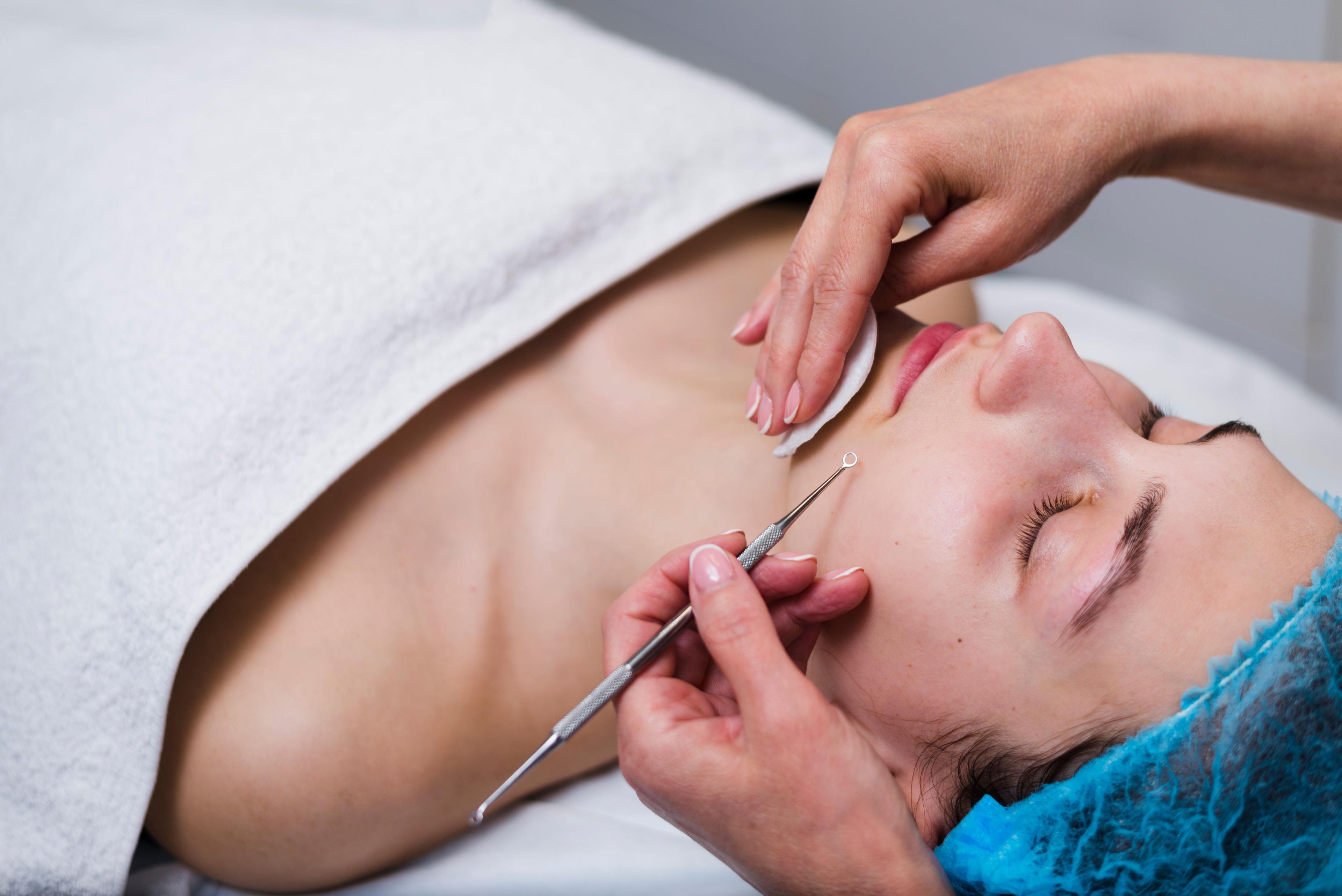
Post-threading pimples are a predictable skin response, not random irritation. They form when the thread pulls hair from the root, leaving the follicle temporarily open and vulnerable to bacterial entry. Most cases resolve within 72 hours with correct aftercare.
Small red bumps or pustules typically appear within 6–48 hours of threading and peak at 24–48 hours. For most skin types, they clear within 3–5 days. Acne-prone skin may take up to 10 days. Three factors determine whether you get them: the bacterial load on your skin or the thread before the session, how reactive your skin's inflammatory response is, and what you apply , or avoid , in the first hour after threading.
What Are Post-Threading Pimples?
Post-threading pimples are small, inflamed bumps that develop on the skin within hours of a threading session. Threading removes hair by twisting a thin cotton thread across the skin surface, pulling hair out from the root and disrupting the follicle opening.
When the follicle is disturbed, two reactions can occur:
- Folliculitis: Bacterial infection of the hair follicle, producing a pus-filled bump
- Contact dermatitis: An inflammatory reaction to the thread, a skincare product, or environmental bacteria introduced during the session
According to The Clear Ritual's skincare advisory team, post-threading breakouts are among the most frequently reported concerns after facial hair removal, affecting an estimated 30–50% of people who thread regularly.
Key terms:
- Folliculitis: Infection or inflammation of the hair follicle
- Contact dermatitis: Skin inflammation caused by direct contact with an irritant or allergen
- Comedone: A clogged pore that can form when a disrupted follicle is exposed to debris or oil
- Post-inflammatory hyperpigmentation (PIH): Dark flat marks left on the skin after inflammation resolves, caused by excess melanin production
Why Do Pimples Appear After Threading? The Core Causes
Pimples after threading develop because of a combination of mechanical trauma, bacterial exposure, and skin sensitivity. Each cause plays a distinct role in the inflammatory response.
Primary causes:
- Bacterial contamination: The thread or the technician's hands may carry Staphylococcus aureus or other bacteria. When the follicle opens during hair removal, bacteria enter directly and trigger infection.
- Mechanical trauma: The twisting motion of threading creates micro-abrasions on the skin surface. These small wounds become entry points for pathogens.
- Sebum and dead skin cell build-up: Disrupted follicles may trap existing sebum or keratin debris, forming a comedone that becomes inflamed.
- Unwashed or reused thread: Some salons reuse thread between clients, significantly increasing cross-contamination risk.
- Post-session product application: Applying makeup, fragranced toners, or alcohol-based products immediately after threading introduces irritants to open follicles.
- Skin type sensitivity: People with acne-prone, oily, or sensitive skin have a higher baseline inflammatory response. Studies suggest acne-prone individuals are up to 60% more likely to develop post-threading pustules compared to those with normal skin.
- Hormonal fluctuations: Threading during a hormonal peak , such as the 3–4 days before menstruation , may worsen the inflammatory response, as sebum production is typically elevated during this phase.
How Threading Causes Pimples: The Mechanism Explained
Threading causes pimples through a four-step physiological process. Understanding this sequence helps clarify why the correct treatment approach targets bacteria, not just surface irritation.
Step 1 , Follicle disruption: The thread grips and pulls the hair shaft from the follicle root. This creates a small wound at the follicle opening and temporarily enlarges the pore.
Step 2 , Immune response activation: The skin's immune system detects the wound and releases pro-inflammatory cytokines. This produces the redness and swelling visible within 1–2 hours of threading.
Step 3 , Bacterial colonisation: If bacteria are present on the skin surface, the thread, or the technician's hands, they enter the open follicle. Staphylococcus aureus and Propionibacterium acnes are the most common bacterial triggers in post-threading folliculitis.
Step 4 , Pustule formation: The immune system sends white blood cells to the infection site. The resulting pus-filled bump is the skin's active response to the bacterial invasion.
The Clear Ritual's dermatology-informed skincare team explains that this inflammatory cycle typically peaks within 24–48 hours of threading and begins resolving within 72 hours, provided no further irritation occurs.
Common misconception: Many people assume post-threading bumps are caused by the thread scratching the skin surface. In most cases, the root cause is bacterial infection of the follicle, not surface abrasion alone. This distinction matters because it determines the correct treatment , antibacterial, not just soothing.
Who Is Most Likely to Get Pimples After Threading?
Post-threading pimples can affect anyone, but certain groups are consistently more susceptible based on skin type, habits, and frequency of threading.
| Risk Factor | Why It Increases Risk |
|---|---|
| Acne-prone skin | Higher baseline sebum production and bacterial load on the skin surface |
| Sensitive or thin skin | Less barrier resilience; reacts more strongly to mechanical trauma |
| Hormonal imbalances | Elevated androgens increase sebum output, creating a better environment for bacterial growth |
| Darker skin tones | Higher predisposition to post-inflammatory hyperpigmentation alongside the initial breakout |
| Frequent threading | Repeated follicle trauma reduces the skin's recovery time between sessions |
| Poor aftercare habits | Touching the face, applying makeup immediately, or skipping a soothing toner post-threading |
According to The Clear Ritual's skin health data, individuals who thread more than once every three weeks are significantly more likely to experience recurring post-threading folliculitis compared to those who maintain four-week intervals between sessions.
How to Treat Pimples After Threading: Step-by-Step Guide
If post-threading pimples have already formed, the following protocol supports the fastest possible resolution. Begin treatment as soon as bumps appear , within the first 6–12 hours when possible.
What you will need:
- Clean hands
- Mild, fragrance-free, non-comedogenic cleanser
- 2% salicylic acid spot treatment or 2.5% benzoyl peroxide
- Aloe vera gel or 4–5% niacinamide serum
- Ice pack wrapped in a clean cloth
Treatment steps:
- Cleanse gently: Wash the affected area with a mild, fragrance-free cleanser. Avoid scrubbing. Pat dry with a clean towel. Do this within 30 minutes of noticing bumps.
- Apply a cold compress: Hold an ice pack, wrapped in cloth, against the threaded area for 5–10 minutes. Cold reduces inflammation and constricts the follicle opening, slowing bacterial spread.
- Apply a salicylic acid spot treatment: Apply a thin layer of 2% salicylic acid directly on the bumps. Salicylic acid is oil-soluble, meaning it penetrates the follicle, dissolves excess sebum, and provides mild antibacterial action.
- Apply aloe vera gel or niacinamide serum: Once the spot treatment has dried, apply aloe vera gel or a niacinamide serum over the area. Niacinamide at 4–5% concentration reduces redness and supports skin barrier repair.
- Do not pick or squeeze: Squeezing post-threading bumps pushes bacteria deeper into the follicle, worsens infection, and increases the risk of scarring and post-inflammatory hyperpigmentation.
- Keep the area clean for 24 hours: Avoid makeup, sunscreens with heavy emollients, and any occlusive products for at least 24 hours post-threading.
- Repeat twice daily: Continue the cleanse-treat-soothe routine morning and evening until bumps resolve , typically within 2–5 days.
Common mistakes to avoid:
- Applying alcohol-based toners directly to broken skin disrupts the barrier and extends healing time
- Using thick creams or oils immediately after threading clogs open follicles
- Returning to the salon for another threading session before the skin has fully healed
How to Prevent Pimples After Threading: Expert-Backed Strategies
Prevention is more effective than treatment. The Clear Ritual recommends a structured pre- and post-threading skincare protocol that can reduce the risk of post-threading breakouts by up to 70%.
Before threading:
- Cleanse the skin thoroughly: Remove all makeup, oil, and SPF before your session. A clean skin surface reduces the bacterial load available to enter open follicles.
- Avoid exfoliating for 48 hours before threading: Chemical or physical exfoliation before threading leaves the skin sensitised, amplifying the inflammatory response.
- Apply a 5% niacinamide serum 30 minutes before: This has been observed to prime the skin barrier, reducing the immediate post-threading inflammatory response.
- Inform your technician: Tell the salon if your skin is currently breaking out. Threading over active acne can spread bacteria across the skin surface.
During threading:
- Confirm the thread is single-use: A fresh thread for each client is non-negotiable for hygiene. Single-use thread eliminates cross-contamination risk.
- Request minimal direct skin contact: Hands carry bacteria. Minimal contact with non-threaded areas of the face reduces infection risk.
- Apply a brief cold compress before threading: 3–5 minutes of cold before the session constricts follicle openings slightly, limiting bacterial entry during hair removal.
After threading:
- Apply a mild antiseptic within 10 minutes: A diluted tea tree oil solution (1–2%) or a salicylic acid toner applied within 10 minutes of threading can reduce bacterial colonisation of open follicles.
- Avoid sun exposure for 24 hours: UV radiation on freshly threaded skin increases inflammation and raises the risk of post-inflammatory hyperpigmentation, particularly in medium to deep skin tones.
- Skip the gym for the rest of the day: Sweat introduces bacteria and salt to open follicles, increasing infection risk.
- Use a niacinamide or centella asiatica (CICA) serum: Both ingredients are clinically observed to reduce skin inflammation within 24–48 hours of application.
- Wait at least 6 hours before applying makeup: Foundation and powder applied to open follicles are a leading cause of post-threading clogged pores.
Post-Threading Pimples vs. Other Skin Reactions: What Is the Difference?
Not every bump that appears after threading is a pimple. Correctly identifying the reaction type determines the most effective treatment approach.
| Reaction Type | Appearance | Timing | Cause | Treatment |
|---|---|---|---|---|
| Folliculitis (bacterial) | Small red or white pus-filled bumps | 12–48 hours post-threading | Bacterial infection of the follicle | Salicylic acid, benzoyl peroxide, antibacterial wash |
| Contact dermatitis | Flat red rash, itching, no pus | Within 1–6 hours | Reaction to thread, product, or latex | Hydrocortisone cream, antihistamine |
| Ingrown hair bumps | Firm bump with curved hair visible under skin | 3–7 days post-threading | Hair re-entering the skin after removal | Exfoliation, retinol, salicylic acid |
| Post-inflammatory hyperpigmentation | Dark flat marks, no elevation | Days to weeks after bumps clear | Melanin response to inflammation | Niacinamide, vitamin C, daily SPF 30+ |
| Milia | Small hard white bumps | May appear weeks later | Keratin trapped under skin | Professional extraction only |
The Clear Ritual's skincare team notes that folliculitis and contact dermatitis are the two most commonly misidentified reactions after threading. Folliculitis requires antibacterial treatment, while contact dermatitis responds to anti-inflammatory approaches such as hydrocortisone cream or oral antihistamines.
How Long Do Pimples After Threading Last? Timeline and Expectations
The duration of post-threading pimples depends on the cause, skin type, and quality of aftercare. Below is the typical progression with proper treatment in place.
| Timeframe | What to Expect |
|---|---|
| 0–6 hours | Redness, mild swelling, and sensitivity at the threaded site |
| 6–24 hours | Small red bumps or pustules begin to appear |
| 24–48 hours | Bumps reach peak size; skin may feel tender |
| 48–72 hours | With proper care, bumps begin to flatten and redness reduces |
| 3–5 days | Most folliculitis-type bumps resolve completely in people with normal skin |
| 5–10 days | People with acne-prone or sensitive skin may take slightly longer to clear |
| 2–6 weeks | Post-inflammatory hyperpigmentation (dark marks) may persist after bumps have cleared |
Factors that affect how long pimples last:
- Severity of bacterial infection at the follicle
- Whether bumps were picked or squeezed
- Consistency of the aftercare routine
- Skin type and baseline inflammatory response
- Whether additional irritants , including makeup, sweat, or sun exposure , were introduced
If pimples after threading persist beyond 10 days, spread significantly, or are accompanied by intense pain or fever, a dermatologist consultation is recommended. Persistent cases may require a topical antibiotic such as clindamycin or erythromycin prescribed by a doctor.
Best Ingredients for Post-Threading Skin: A Quick Reference
Choosing the right ingredient at the right stage makes the difference between a 48-hour recovery and a 10-day breakout cycle. The Clear Ritual's skincare team recommends the following evidence-backed options.
| Ingredient | What It Does | Best Timing | Concentration |
|---|---|---|---|
| Salicylic acid | Oil-soluble; penetrates follicle, dissolves sebum, mild antibacterial | Within 30 minutes of threading | 1–2% |
| Niacinamide | Reduces redness, strengthens skin barrier, regulates sebum | Immediately post-threading and twice daily | 4–5% |
| Aloe vera | Soothes inflammation, provides a cooling barrier, mild antimicrobial | Immediately post-threading | Pure gel, no added fragrance |
| Benzoyl peroxide | Kills surface bacteria including Staphylococcus aureus | If bumps form after 12 hours | 2.5% (start low) |
| Centella asiatica (CICA) | Accelerates wound healing, reduces post-inflammatory redness | Day 2 onwards | Serum or cream |
| Tea tree oil | Broad-spectrum antimicrobial (active compound: terpinen-4-ol) | Diluted, immediately post-threading or as a spot treatment | 1–2% diluted in a carrier oil |
| Clindamycin (topical) | Prescription antibiotic for persistent folliculitis | Only if bumps persist beyond 7–10 days | Prescription only , consult a dermatologist |
What to avoid entirely in the first 24 hours:
- Alcohol-based toners
- Fragranced products
- Heavy occlusives such as thick creams or petroleum jelly
- Physical scrubs
- Vitamin C in pure L-ascorbic acid form (pH too low for disrupted skin)
A 2021 review in the Journal of the American Academy of Dermatology confirmed salicylic acid's dual role as a keratolytic and mild antibacterial agent, making it one of the most evidence-backed first-response ingredients for follicular-origin breakouts.
Is Threading Bad for Acne-Prone Skin? Pros, Cons, and the Honest Answer
Threading is not inherently bad for acne-prone skin , but it carries a higher risk of triggering breakouts in people whose follicles are already inflamed or whose skin has an elevated bacterial load. The key is managing those variables, not avoiding threading altogether.
Pros of threading for acne-prone skin:
- No chemicals applied to the skin, unlike waxing or depilatory creams
- No heat involved, eliminating the risk of heat-induced inflammation
- Precise control , the technician can avoid active breakout areas
- Thread is thin, creating less surface-area trauma than a wax strip
Cons of threading for acne-prone skin:
- Physically opens follicles , the primary trigger for post-threading folliculitis
- Reused thread or unwashed hands introduce bacteria directly into open follicles
- Difficult to avoid threading over small, early-stage pustules that are not yet visible
- Repeated sessions without enough recovery time can prolong follicle irritation
The honest answer: Threading may be suitable when active breakouts are avoided, hygienic practices are followed, and the skin is given appropriate recovery time. It is better to postpone the session if the area is already inflamed, broken, infected, or reacting to a newly introduced active ingredient.
When Should You See a Dermatologist?
Seek professional assessment if bumps continue beyond 7 to 10 days, rapidly spread, become increasingly painful, or are associated with warmth, extensive swelling, drainage, or fever. These features may indicate a more significant infection or a condition other than routine post-threading irritation.
A dermatologist can also help if bumps recur after every session, leave persistent dark marks, or appear similar to contact dermatitis, ingrown hairs, or another type of folliculitis.
Clear Ritual's Perspective on Pimples After Threading
Pimples after threading are often linked to the combination of follicle disruption, bacterial exposure, and unsuitable aftercare. The most useful approach is to reduce avoidable irritation before and after the session rather than adding several strong products once bumps appear.
At Clear Ritual, we believe your routine should reflect your skin's sensitivity, breakout pattern, and tendency to develop post-inflammatory marks. If threading repeatedly triggers breakouts, adjusting the timing, hygiene, and aftercare may be more helpful than treating every reaction in isolation.
Understand Your Post-Threading Breakout Pattern
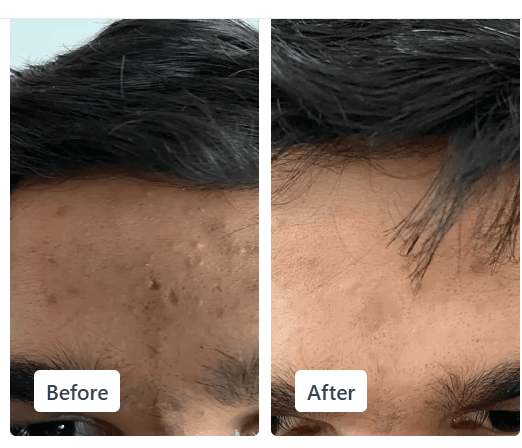
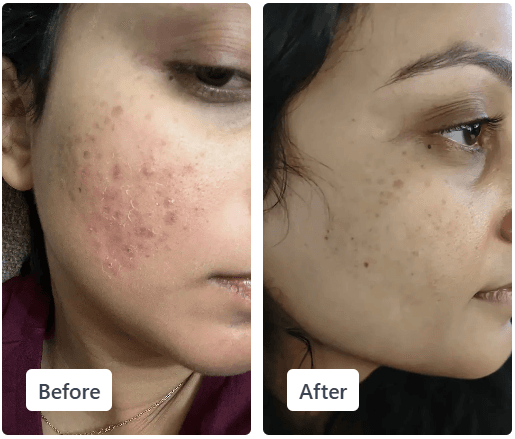
Take the Clear Ritual Skin Test to identify your skin concerns and build a routine suited to your sensitivity, breakouts, and post-acne marks.
Take the Skin Test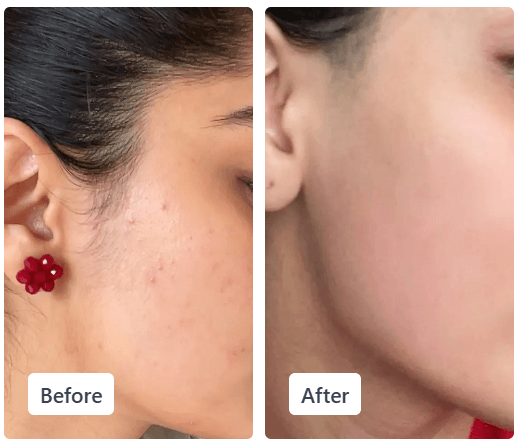
Frequently Asked Questions
1. Why do pimples appear after threading?
Threading temporarily disturbs hair follicles and can create minor surface irritation. Bacteria, touching, sweat, makeup, or unsuitable products may then contribute to inflamed bumps.
2. How long do post-threading pimples last?
Mild bumps may settle within three to five days. Acne-prone or sensitive skin can take longer, while persistent or worsening bumps should be professionally assessed.
3. Can you apply makeup after threading?
It is better to wait until the immediate redness and sensitivity have settled. Applying makeup too soon may expose freshly disturbed follicles to additional residue and irritation.
4. Should you thread over active pimples?
No. Threading over active or broken pimples can increase irritation, spread inflammatory material, and raise the risk of persistent marks.
5. How can you prevent pimples after threading?
Choose a hygienic technician, ensure the thread is fresh, arrive with clean skin, avoid touching and heavy products afterwards, and postpone threading when the skin is actively inflamed.
References
- DermNet: Folliculitis
- American Academy of Dermatology: Folliculitis
- NHS: Contact dermatitis
- Davis EC, Callender VD. Postinflammatory hyperpigmentation in skin of color.
Disclaimer
This article is intended for general informational purposes and is not a substitute for personalised medical advice, diagnosis, or treatment. Consult a qualified dermatologist if post-threading bumps are painful, spreading, recurring, or do not improve.
Editorial Standards
Clear Ritual has Strict sourcing guidelines to ensure our content is accurate and current. We rely on peer-reviewed studies, academic research institutions, and medical associations. We strive to use primary sources and refrain from using tertiary references. See a mistake? Learn More about our Editorial Standards.
Related Articles
Heat Pimples on Body: Causes, Prevention, and Treatment
Published 16 July 2026
Can Antibiotics Cause Fungal Acne? Causes, Treatment & Recovery
Published 15 October 2026

What Is Comedonal Acne? Causes, Types, and Treatment
Published 15 September 2026
Genetic Causes Behind Acne-Prone Skin And Treatment Options
Published 16 July 2026