Dairy and Acne: Does Milk Cause Breakouts?
Yes, dairy, especially skim milk, can trigger acne in sensitive individuals. Milk contains hormones like IGF-1 and precursors to androgens that increase oil production and inflammation, and it also raises your body's own insulin and IGF-1 levels. Not everyone reacts the same way, since genetics, gut microbiome, and baseline hormone levels all play a role. An elimination trial of four to six weeks, followed by careful reintroduction, is the most reliable way to know if dairy is a trigger for you.
If you've noticed more breakouts after having milk or cheese, you're not imagining it. Research shows dairy consumption can trigger acne in some people by influencing hormones that increase oil production and inflammation. The link isn't the same for everyone, but understanding how dairy affects your skin can help you make better choices.
What Happens When You Consume Dairy
When you drink milk or eat dairy products, you're consuming more than just calcium and protein. Milk contains naturally occurring hormones from the cow, including insulin-like growth factor 1 (IGF-1) and precursors to androgens. These compounds don't disappear during pasteurization.
IGF-1 tells your body to grow and produce more cells. In your skin, this means more sebocytes, the cells that produce oil. When sebum production increases, your pores can become congested more easily. The extra oil mixes with dead skin cells and creates an environment where acne bacteria thrive.
Dairy also stimulates your pancreas to release insulin and IGF-1 from your own body. This double effect amplifies the hormone signal. Higher insulin levels trigger a cascade that increases androgens, which are hormones that directly stimulate your oil glands. This is why some people notice their skin becomes noticeably oilier within days of eating more dairy.
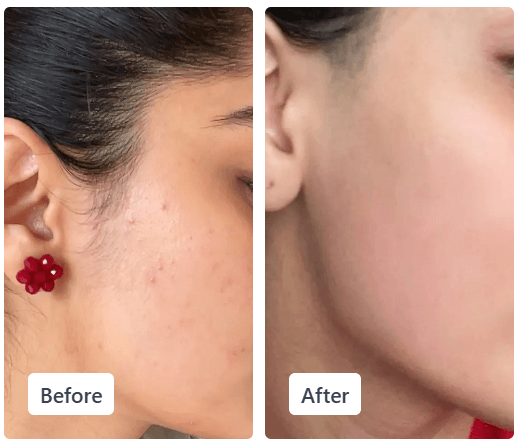
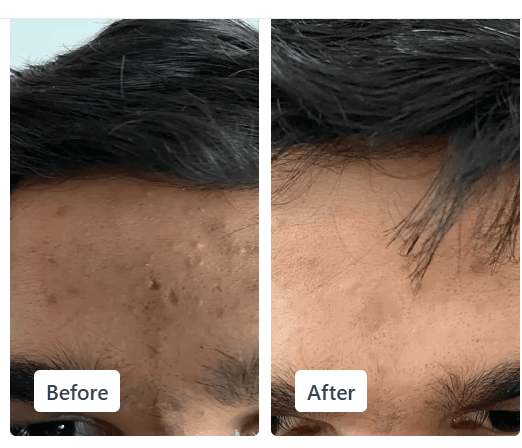
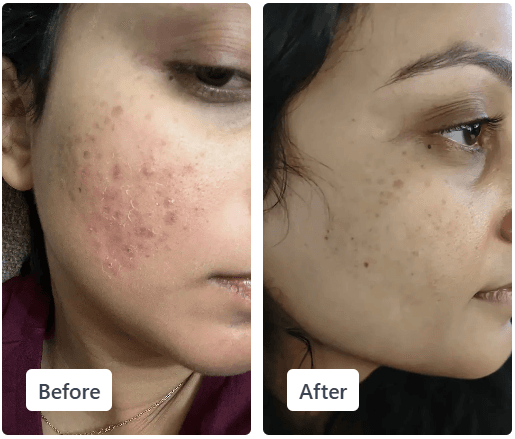
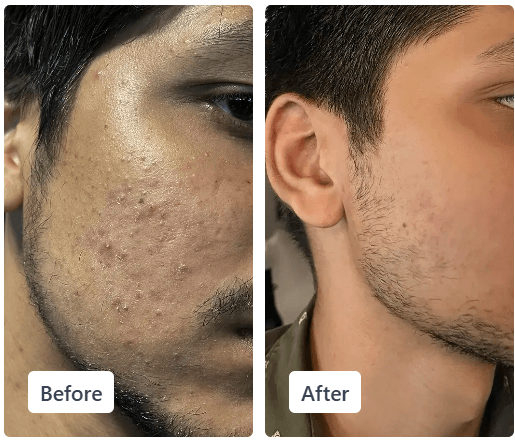
See real results, then start your own
Take the free Clear Ritual Skin Test and get a personalized routine built for your skin's unique patterns.
Why Skim Milk May Be Worse Than Whole Milk
It seems backward, but studies consistently show that skim milk has a stronger association with acne than whole milk. The reason lies in what happens during processing.
When fat is removed from milk, the proportion of whey proteins and hormones becomes more concentrated. Whey protein is particularly powerful at triggering insulin and IGF-1 release. Without fat to slow digestion, these proteins enter your bloodstream faster, creating a sharper hormonal spike.
Whole milk contains fat that moderates this response. The fat slows gastric emptying and reduces the insulin spike. While whole milk still contains the same hormones, the overall glycemic and insulinemic response is lower.
This doesn't mean whole milk is problem-free. Some people react to all forms of dairy regardless of fat content. The protein structure itself, particularly casein and whey, can be inflammatory for certain individuals.
The Inflammation Connection
Beyond hormones, dairy can trigger low-grade inflammation in people with sensitivities. Your immune system may react to dairy proteins as foreign invaders, releasing inflammatory molecules called cytokines. These cytokines don't just cause general inflammation; they specifically signal your sebaceous glands to produce more oil and make your skin cells stick together more.
When pores become lined with sticky, proliferating cells and filled with excess sebum, the stage is set for comedones (blackheads and whiteheads). If acne bacteria colonize these blocked pores, inflammatory papules and pustules develop.
Inflammation also weakens your skin barrier function. A compromised barrier loses moisture more easily and becomes more reactive to external irritants like pollution particles or harsh cleansers. This creates a cycle where your skin becomes increasingly sensitive and breakout-prone.
See real results, then start your own
Take the free Clear Ritual Skin Test and get a personalized routine built for your skin's unique patterns.
Individual Variation: Why Dairy Affects People Differently
Not everyone who drinks milk gets acne. Your individual response depends on several factors:
Your baseline hormone levels matter significantly. If you already have higher androgens due to conditions like polycystic ovary syndrome (PCOS) or simply natural variation, dairy's hormone-stimulating effects push you over the threshold more easily. Someone with lower baseline androgens might consume the same amount of dairy without visible effects.
Genetic differences in how you metabolize dairy proteins and hormones also play a role. Some people clear IGF-1 from their bloodstream quickly, while others process it more slowly, leading to prolonged exposure.
Your gut microbiome influences how you break down and absorb dairy components. An imbalanced microbiome may allow more inflammatory compounds to enter your bloodstream or fail to produce metabolites that regulate your immune response properly.
The amount and frequency of dairy consumption matters too. Having yogurt once a week creates a different hormonal pattern than drinking milk with every meal or consuming multiple servings of cheese daily.
Other Dairy Products and Acne Risk
Different dairy products affect your skin differently based on their processing and composition.
Yogurt and fermented dairy products generally show a weaker association with acne. Fermentation partially breaks down proteins and may produce beneficial compounds that modulate inflammation. However, sweetened yogurts with added sugars can still trigger breakouts through the insulin pathway.
Cheese contains less lactose and whey than milk, but it's highly concentrated in casein and fat. Hard aged cheeses typically cause fewer problems than fresh soft cheeses. The aging process breaks down some problematic proteins.
Ice cream combines dairy with high sugar content, creating a double trigger. The sugar causes its own insulin spike that compounds dairy's hormonal effects.
Butter contains minimal protein and mostly fat, so it rarely triggers acne on its own. The same applies to ghee, which has milk solids removed.
Protein powders derived from whey are particularly problematic for acne-prone individuals. They deliver concentrated whey protein without the buffering effects of other milk components.
How to Identify If Dairy Triggers Your Breakouts
The most reliable way to determine if dairy affects your skin is a structured elimination trial. This means completely removing all dairy products for at least four to six weeks while keeping other variables constant.
During elimination, read labels carefully. Dairy hides in many processed foods as whey, casein, lactose, milk solids, or milk powder. Even small amounts can trigger reactions in sensitive individuals.
Keep your skincare routine, sleep schedule, stress levels, and other dietary factors as consistent as possible. If you change multiple things at once, you won't know what actually made the difference.
After six weeks, assess your skin. Has oiliness decreased? Are you getting fewer new breakouts? Has inflammation reduced? Take photos for comparison because changes can be gradual and easy to miss.
If you notice improvement, the next step is reintroduction. Add dairy back into your diet and watch what happens over the following two to three weeks. A true dairy sensitivity typically causes noticeable changes within this timeframe.
Try reintroducing one type of dairy at a time. You might find you react to milk but tolerate hard cheese, or that yogurt is fine but whey protein causes problems.
What Happens Inside Your Pores
Understanding the mechanism helps explain why dairy doesn't cause immediate breakouts. When you consume dairy, hormones enter your bloodstream within hours, but the effects on your skin unfold over days.
First, IGF-1 and insulin signal your sebaceous glands to enlarge and produce more sebum. This takes 24 to 72 hours to become noticeable. Next, the increased sebum combines with skin cells that are shedding faster and sticking together more due to the hormonal changes.
As pores fill with this mixture, oxygen levels inside drop. Acne bacteria thrive in low-oxygen environments, so they multiply rapidly. The bacteria produce inflammatory compounds, and your immune system responds by sending white blood cells to the area.
This entire process typically takes four to seven days from dairy consumption to visible inflamed acne lesion. Comedones may form faster but take longer to become visible at the skin surface.
This delayed timeline is why many people don't connect their Tuesday ice cream to their Friday breakout. The connection becomes clear only when you track patterns over several weeks.
Dietary Patterns Beyond Dairy
Dairy rarely acts alone. Most people who react to dairy also have other dietary triggers that compound the problem.
High-glycemic foods like white bread, pastries, and sugary drinks spike insulin similarly to dairy. When you combine a glass of milk with cookies, you create a much larger hormonal surge than either food alone.
Processed foods often contain multiple acne triggers including refined carbohydrates, inflammatory oils, and hidden dairy ingredients. A processed protein bar might contain whey protein, added sugars, and vegetable oils that oxidize easily, creating a triple inflammatory hit.
Chronic dehydration concentrates sebum and makes it stickier, worsening the clogging effect. When your skin lacks water, it also produces more oil to compensate, which seems counterintuitive but happens because your skin interprets dehydration as barrier damage.
Lifestyle Factors That Compound Dairy's Effects
Even if dairy triggers your acne, addressing it alone may not clear your skin completely because other factors influence how your skin responds.
Sleep deprivation increases cortisol, your primary stress hormone. Elevated cortisol stimulates oil production and increases inflammation throughout your body, including your skin. When you combine poor sleep with dairy consumption, the effects multiply.
Chronic stress keeps cortisol elevated constantly. Stress hormones also make your skin barrier more permeable, allowing irritants and bacteria to penetrate more easily while moisture escapes faster.
Over-washing or using harsh cleansers strips your lipid barrier. Your skin responds by producing more oil to repair the damage. This rebound oil production combines with dairy-triggered sebum, overwhelming your pores.
Physical friction from face masks, phone contact, or rough towels creates microtrauma that triggers inflammation. Inflamed skin produces more sticky cells and inflammatory sebum, making existing acne worse.
When Removing Dairy Isn't Enough
Some people eliminate dairy completely but still struggle with breakouts. This usually means other significant triggers are at play.
Hormonal acne driven by menstrual cycles, PCOS, or other endocrine conditions needs a different approach. While removing dairy may help somewhat, the underlying hormonal imbalance requires more comprehensive management.
Comedogenic skincare or makeup products can clog pores regardless of diet. Ingredients like coconut oil, isopropyl myristate, or certain silicones trap oil and dead cells inside pores.
An impaired skin barrier from over-exfoliation, harsh actives, or environmental damage makes your skin reactive to everything. Until barrier function recovers, you'll continue breaking out from multiple triggers.
Microbiome imbalance in your gut or on your skin affects inflammation levels and immune responses. Supporting microbiome health through fermented foods, fiber, and gentle skincare often needs to accompany dietary changes.
Dairy Alternatives and Acne
Many people switch to plant-based milks hoping to clear their skin. Some alternatives work better than others.
Almond milk is low in protein and doesn't spike insulin significantly. Unsweetened versions rarely trigger acne. However, some brands add thickeners like carrageenan that can cause inflammation in sensitive individuals.
Oat milk has gained popularity but contains more carbohydrates than other alternatives. While it doesn't have dairy hormones, the higher carb content can still affect insulin in people who are very sensitive.
Soy milk contains phytoestrogens that theoretically might affect hormones, but research doesn't show a strong link to acne. Most people tolerate soy milk well from a skin perspective.
Coconut milk is very low in protein and carbohydrates, making it unlikely to trigger hormonal acne. However, if you're acne-prone, be aware that coconut products can be comedogenic when applied topically.
The key is choosing unsweetened versions. Added sugars in flavored plant milks can trigger the same insulin response as dairy, defeating the purpose of switching.
Supporting Your Skin During Dairy Elimination
When you remove dairy, supporting your skin through other means helps maximize results and speed healing.
Focus on anti-inflammatory foods like fatty fish rich in omega-3s, colorful vegetables loaded with antioxidants, and whole grains that provide fiber for your microbiome. These foods don't just avoid triggering acne; they actively support skin healing.
Adequate hydration helps your skin maintain its barrier function and keeps sebum flowing normally rather than becoming thick and sticky. Water also helps flush metabolic waste products that can contribute to inflammation.
Gentle cleansing preserves your lipid barrier while removing excess oil and impurities. Over-cleansing during this period can confuse your results because it triggers rebound oil production that mimics dairy's effects.
Prioritize sleep quality. During deep sleep, your skin repairs damage, regulates oil production, and balances inflammatory processes. Poor sleep undermines dietary improvements.
Reintroducing Dairy Strategically
If you find dairy triggers your acne, you might still be able to enjoy some dairy products occasionally by being strategic.
Small amounts of aged cheese or butter may not cause problems even if milk does. The key is quantity and frequency. Occasional exposure gives your body time to process and clear the hormonal effects before they accumulate.
Consuming dairy with fiber and healthy fats slows digestion and moderates the insulin response. Having cheese with vegetables and nuts creates a different metabolic effect than eating it with crackers or bread.
Some people tolerate dairy from certain sources better than others. Organic or grass-fed dairy has a different hormone profile than conventional dairy. A2 milk contains a different casein protein structure that some people digest more easily.
Timing matters too. Having dairy earlier in the day may cause fewer problems than evening consumption, possibly because your metabolic and hormonal rhythms differ throughout the day.
Long-Term Patterns and Skin Stability
Understanding whether dairy triggers your acne isn't just about avoiding a food. It's about recognizing patterns in how your skin responds to internal and external factors.
Your sensitivity to dairy may change over time. Hormonal shifts during different life stages, stress periods, or health changes can make you more or less reactive. Someone who couldn't tolerate any dairy in their twenties might find they can have small amounts in their thirties after hormonal stabilization.
The cumulative effect of multiple triggers matters more than any single factor. Dairy alone might not cause breakouts if everything else is optimized, but add poor sleep, high stress, and processed foods, and dairy becomes the tipping point.
Skin barrier health influences how reactive you are to everything, including dietary triggers. Strengthening your barrier through proper hydration, gentle cleansing, and protective skincare can increase your threshold for tolerating potential triggers.
Signs You Should See a Dermatologist
While dietary changes help many people, some situations require professional evaluation.
If you've eliminated dairy and other common triggers for three months without improvement, underlying medical conditions may be driving your acne. Hormonal disorders, medication side effects, or other health issues need proper diagnosis.
Severe acne with deep cysts or nodules can cause permanent scarring. Early intervention with appropriate medical treatment prevents lasting damage that's difficult to correct later.
Sudden onset of acne in adulthood, especially if accompanied by other symptoms like irregular periods, excessive hair growth, or rapid weight changes, may indicate hormonal disorders that need medical attention.
Acne that significantly affects your mental health or quality of life deserves professional help regardless of severity. Effective treatments exist, and you don't need to suffer while experimenting with dietary changes alone.
How Clear Ritual Supports Personalized Skincare Decisions
Clear Ritual understands that dairy related acne is more than a surface issue. It is shaped by genetics, skin renewal cycles, environmental factors, and the products you use.
Because dairy related acne forms when hormones like IGF-1 and insulin stimulate oil production and inflammation, and your individual response depends on genetics, gut microbiome, and baseline hormone levels, generic solutions rarely bring lasting improvement. Clear Ritual combines traditional wisdom and modern science to address the underlying causes of dairy related acne.
The Clear Ritual Skin Test analyses your skin's unique patterns and daily influences to help identify the best routine for supporting healthy skin and reducing dairy related acne recurrence.
See real results, then start your own
Take the free Clear Ritual Skin Test and get a personalized routine built for your skin's unique patterns.
Editorial Standards
Clear Ritual has Strict sourcing guidelines to ensure our content is accurate and current. We rely on peer-reviewed studies, academic research institutions, and medical associations. We strive to use primary sources and refrain from using tertiary references. See a mistake? Learn More about our Editorial Standards.