Sugar and Acne: Does Sugar Cause Pimples?
Yes, high sugar intake can contribute to pimples. Sugar spikes insulin and IGF-1, which stimulate oil glands to produce more sebum, while also increasing inflammation throughout the body. This combination creates conditions where acne bacteria thrive. Reducing sugar intake, along with attention to sleep, stress, and gut health, may help decrease breakout frequency, though individual responses vary based on genetics and hormones.
- Sugar spikes insulin and IGF-1, stimulating oil production
- High glycemic diets increase inflammation linked to acne
- Effects vary by genetics, hormones, and overall diet
What Happens Inside Your Skin When You Eat Sugar
When you consume foods high in sugar or refined carbohydrates, your blood glucose rises rapidly. Your pancreas responds by releasing insulin to help cells absorb this glucose. This insulin spike doesn't just affect blood sugar - it triggers a cascade of events in your skin.
Elevated insulin levels increase the production of insulin-like growth factor 1, commonly called IGF-1. This hormone directly signals your sebaceous glands to enlarge and produce more sebum, the oily substance that keeps skin lubricated. When sebum production exceeds what your pores can handle, it mixes with dead skin cells and creates an environment where acne bacteria thrive.
IGF-1 also increases the availability of androgens, the hormones that further stimulate oil glands. Even if your overall hormone levels appear normal, this localized increase in androgen activity within the skin can be enough to trigger breakouts. The combination of excess oil, trapped dead cells, and bacterial overgrowth creates the perfect conditions for inflammatory acne lesions.
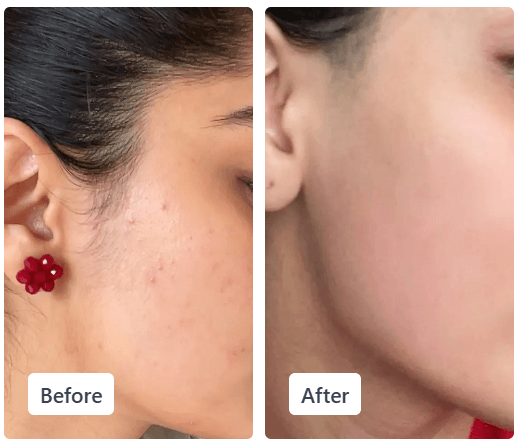
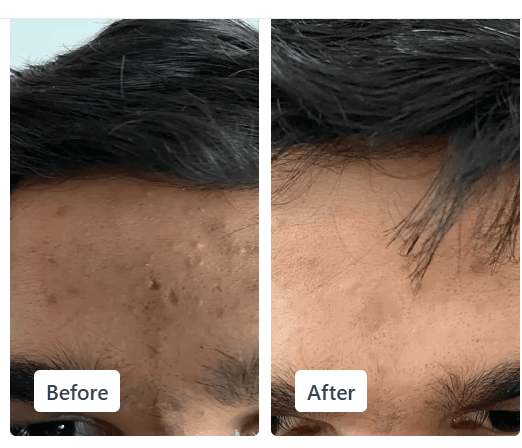
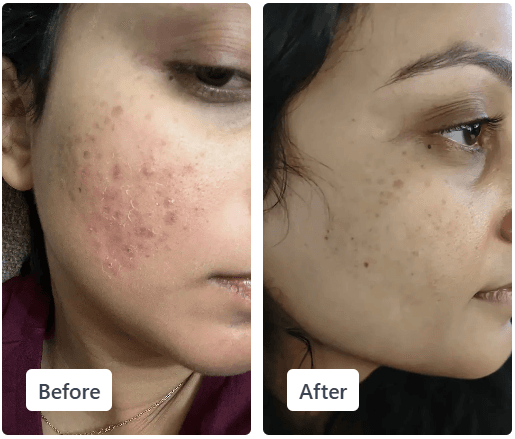
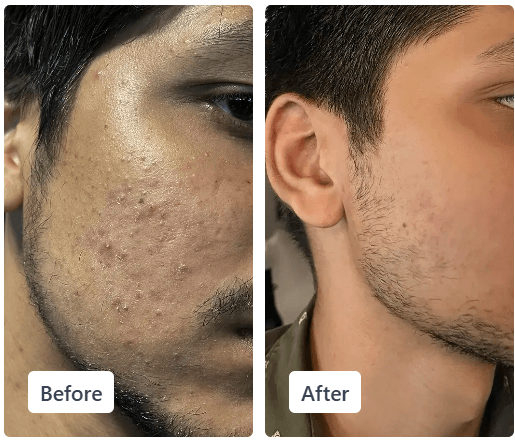
See real results, then start your own
Take the free Clear Ritual Skin Test and get a personalized routine built for your skin's unique patterns.
The Glycemic Index Connection
Not all carbohydrates affect your skin the same way. The glycemic index measures how quickly foods raise blood sugar levels. High glycemic foods cause rapid spikes, while low glycemic foods provide a slower, steadier release of glucose.
Research consistently shows that people who consume high glycemic diets experience more frequent and severe acne compared to those eating low glycemic foods. White bread, pastries, candy, sugary cereals, and sweetened beverages all fall into the high glycemic category. These foods create repeated insulin surges throughout the day.
Low glycemic alternatives include whole grains, legumes, most vegetables, and foods with protein or healthy fats that slow glucose absorption. When you eat an apple with almond butter instead of drinking apple juice, the fiber and fat moderate the blood sugar response. This gentler glucose curve means less insulin release and reduced stimulation of oil glands.
The difference isn't just theoretical. Studies where participants switched from high to low glycemic diets showed measurable improvements in acne within weeks, even without other skincare changes. The skin's oil production normalized, and inflammatory markers decreased.
Sugar and Inflammation: The Hidden Link
Beyond insulin effects, sugar consumption directly increases systemic inflammation. When blood glucose remains elevated, glucose molecules attach to proteins in a process called glycation. These glycated proteins, known as advanced glycation end products or AGEs, accumulate in tissues and trigger inflammatory responses.
Inflammation doesn't stay localized - it affects your entire body, including your skin. Inflammatory chemicals called cytokines circulate through your bloodstream and can worsen existing acne lesions. They make pimples redder, more swollen, and slower to heal. Chronic low-grade inflammation from consistent sugar intake keeps your skin in a reactive state where minor triggers cause disproportionate responses.
Your immune system also becomes less efficient at managing skin bacteria when inflammation runs high. The beneficial microorganisms that normally keep acne bacteria in check get disrupted, allowing problem bacteria to multiply. This imbalance extends beyond your skin - your gut microbiome, which influences skin health through the gut-skin axis, also suffers from high sugar diets.
Inflammation affects wound healing too. When pimples finally clear, inflamed skin takes longer to repair itself, increasing the likelihood of post-inflammatory hyperpigmentation and scarring.
See real results, then start your own
Take the free Clear Ritual Skin Test and get a personalized routine built for your skin's unique patterns.
Individual Variation: Why Some People React More
Not everyone who eats sugar develops acne. Genetic factors influence how sensitive your insulin receptors are, how much IGF-1 your body produces, and how readily your sebaceous glands respond to hormonal signals. Some people have naturally more reactive oil glands or skin that produces inflammatory chemicals more aggressively.
Your baseline diet matters significantly. Someone who occasionally has dessert within an otherwise nutrient-dense, balanced diet will likely experience different effects than someone consuming multiple sugary items daily. The cumulative insulin load throughout the day affects your skin more than single instances.
Hormonal status plays a major role. During puberty, menstrual cycles, pregnancy, or perimenopause, hormone fluctuations already stress the skin. Adding high sugar intake during these periods can push borderline skin into active breakouts. Stress hormones like cortisol also interact with insulin and can amplify sugar's acne-promoting effects.
Existing gut health influences outcomes too. When your digestive system struggles with inflammation or lacks beneficial bacteria, sugar's negative effects become more pronounced. Gut permeability issues allow inflammatory compounds to enter circulation more easily, reaching skin tissue.
Common Sugar Sources That May Trigger Breakouts
| Food Category | High Glycemic Examples | Lower Impact Alternatives |
|---|---|---|
| Breakfast | Sweetened cereals, pastries, pancakes with syrup | Steel-cut oats, eggs with vegetables, Greek yogurt with berries |
| Beverages | Soda, sweetened coffee drinks, fruit juice, energy drinks | Water, unsweetened tea, coffee without sugar, sparkling water with lemon |
| Snacks | Candy, cookies, granola bars, crackers | Nuts, seeds, vegetables with hummus, cheese, whole fruit |
| Condiments | Ketchup, barbecue sauce, sweet dressings | Mustard, vinegar-based dressings, herbs and spices |
Hidden sugars appear in unexpected places. Many "healthy" items like flavored yogurt, protein bars, dried fruit, and bottled smoothies contain substantial added sugars. Reading ingredient labels helps identify sources you might miss otherwise. Ingredients ending in "ose" - glucose, fructose, sucrose, maltose - all represent forms of sugar.
Liquid sugars deserve special attention. Your body processes beverages differently than solid foods. Drinks bypass some of the digestive processes that slow glucose absorption, causing more dramatic blood sugar spikes. A sweetened iced coffee mid-afternoon can trigger insulin release that affects your skin for hours afterward.
How Quickly Does Reducing Sugar Affect Acne
Skin changes don't happen overnight because your current breakouts reflect processes that started days or weeks ago. Acne lesions develop through multiple stages - initial microcomedone formation, bacterial colonization, inflammation, and finally visible pimples appearing at the surface.
When you reduce sugar intake, you're affecting new lesions forming beneath the skin rather than existing visible pimples. Most people notice initial improvements within two to four weeks as the pipeline of developing breakouts slows. Existing inflammation takes time to resolve, so current pimples still need to run their course.
Sebum production adjusts gradually too. Your oil glands don't immediately shrink when insulin levels normalize. It takes sustained lower insulin exposure for sebaceous glands to reduce their activity. By six to eight weeks, many people observe noticeably less oily skin and fewer new breakouts.
Consistency matters more than perfection. Occasional treats within an otherwise balanced diet typically don't derail progress. However, returning to regular high sugar consumption will gradually restart the insulin-IGF-1-sebum cycle. Your skin essentially reflects your average dietary patterns over weeks and months.
Some people experience temporary worsening during the first week of sugar reduction. This happens because the body adjusts to metabolic changes, and some individuals go through a brief detoxification period. This initial phase passes quickly and doesn't indicate that the dietary change isn't working.
Other Dietary Factors That Work With Sugar Reduction
Sugar doesn't act in isolation. Dairy products, particularly skim milk, also elevate IGF-1 levels and may worsen acne in susceptible individuals. The combination of high sugar and high dairy intake creates compounded effects on oil production.
Processed foods often contain both refined carbohydrates and inflammatory fats. Trans fats and excessive omega-6 fatty acids promote inflammation, while omega-3 fatty acids from fish, flaxseeds, and walnuts help reduce it. Balancing fat intake supports better skin responses even when occasionally consuming higher glycemic foods.
Micronutrient deficiencies can make skin more vulnerable to acne. Zinc supports immune function and helps regulate oil production. Vitamin A influences skin cell turnover and prevents pores from becoming clogged. B vitamins assist with stress response and energy metabolism. When these nutrients are insufficient, your skin struggles to maintain normal function even with good blood sugar control.
Adequate hydration helps flush inflammatory compounds and supports the skin barrier. Dehydration concentrates inflammatory chemicals in tissues and impairs the skin's ability to shed dead cells normally. Water intake doesn't cure acne, but chronic dehydration makes every other trigger worse.
Fiber intake slows glucose absorption and feeds beneficial gut bacteria that produce anti-inflammatory compounds. Vegetables, fruits, legumes, and whole grains provide fiber that moderates blood sugar responses and supports the microbiome-skin connection.
Lifestyle Factors That Interact With Sugar and Acne
Sleep deprivation increases insulin resistance, meaning your body needs more insulin to manage the same amount of glucose. Poor sleep also elevates cortisol, which promotes oil production and inflammation. Someone sleeping five hours nightly will experience worse acne from sugar intake than someone getting eight hours consistently.
Chronic stress keeps cortisol elevated, which interferes with insulin signaling and increases blood sugar levels even without eating. Stress also increases sugar cravings, creating a cycle where you're more likely to consume the foods that worsen breakouts while simultaneously making your body more reactive to those foods.
Physical activity improves insulin sensitivity, meaning your cells respond to insulin more effectively and you need less of it. Regular movement helps stabilize blood sugar and reduces the dramatic spikes that trigger sebum production. Exercise also reduces systemic inflammation and supports healthy stress hormone patterns.
Skincare habits interact with internal factors. If you're reducing sugar but using harsh cleansers that strip your skin barrier, you're creating external inflammation that compounds any remaining internal triggers. Over-exfoliating damages the protective acid mantle and allows bacteria to penetrate more easily. Occlusive makeup or comedogenic products physically trap oil and dead cells even when production normalizes.
When Sugar Reduction Alone Isn't Enough
Some people meticulously eliminate sugar but see minimal improvement. This doesn't mean the dietary change was wrong - it means other significant triggers are dominant in their particular case.
Hormonal acne driven primarily by conditions like polycystic ovary syndrome or hormonal fluctuations may require additional approaches beyond diet. While sugar reduction helps, the underlying hormone imbalance needs addressing through other means. You might need consultation with an endocrinologist or dermatologist for comprehensive evaluation.
Genetic factors determine how sensitive your sebaceous glands are to any stimulation. Some people inherit oil glands that produce excess sebum even with optimal insulin levels. For these individuals, diet helps but doesn't completely resolve acne on its own.
Bacterial overgrowth or specific strain patterns sometimes require targeted intervention. If your skin harbors particularly aggressive acne bacteria or lacks sufficient beneficial organisms, dietary changes alone may not restore balance. Topical or systemic treatments might be necessary alongside nutrition improvements.
Medication side effects can cause acne regardless of diet. Corticosteroids, lithium, some anticonvulsants, and androgenic hormones all potentially trigger breakouts through mechanisms unrelated to sugar intake. If your acne began after starting a new medication, discuss alternatives with your prescribing physician.
Red Flags That Warrant Professional Evaluation
Sudden severe acne that appears rapidly may indicate underlying health conditions beyond diet. Hormonal disorders, medication reactions, or systemic illnesses sometimes first manifest through skin changes. If your acne doesn't match typical teenage or adult patterns, evaluation helps rule out these concerns.
Painful cystic acne that causes deep, inflamed nodules under the skin carries higher risks for permanent scarring. These lesions form deeper in the dermis where home care and dietary changes have limited reach. Earlier professional intervention prevents scarring that becomes difficult to treat afterward.
Acne accompanied by other symptoms - irregular periods, unusual hair growth, unexplained weight changes, persistent fatigue - suggests possible hormone imbalances that need medical assessment. These patterns indicate your acne stems from more than dietary triggers alone.
Acne that significantly affects emotional wellbeing deserves professional support regardless of severity. If breakouts cause anxiety, depression, or social withdrawal, seeking help is appropriate. Effective treatments exist, and you don't need to struggle alone or wait indefinitely for dietary changes to work.
Practical Steps for Reducing Sugar Impact
Start by tracking your current intake for a few days without changing anything. This baseline helps identify your main sugar sources and how much you're actually consuming. Many people underestimate their intake significantly.
Focus on removing one category at a time rather than eliminating everything simultaneously. You might start with sweetened beverages, then move to breakfast items, then afternoon snacks. Gradual changes feel more sustainable and help you identify which sources affected your skin most.
Replace rather than just remove. If you simply eliminate foods you enjoy, you'll feel deprived and struggle with consistency. Find genuinely satisfying alternatives - if you love afternoon cookies, try apple slices with almond butter and a small piece of dark chocolate. The combination provides sweetness with fiber, protein, and fat that moderate glucose response.
Prepare for cravings during the first week. Sugar affects brain reward pathways, and your body has become accustomed to regular hits. Cravings peak around day three to five, then decrease substantially. Having filling, protein-rich snacks readily available helps you navigate this transition period without giving up.
Build meals around protein, healthy fats, and fiber-rich vegetables. When these form your meal foundation, you have less room for high glycemic foods and feel satisfied longer. Blood sugar stays more stable throughout the day, reducing both cravings and insulin spikes.
Read labels on packaged foods. Sugar appears under dozens of names - cane juice, syrup, nectar, and various molecular names. Ingredient lists order items by quantity, so if any sugar variant appears in the first few ingredients, that product significantly contributes to your glycemic load.
Don't fear fruit. While fruit contains natural sugars, the fiber content moderates absorption considerably. Whole fruit doesn't trigger the same insulin response as added sugars. Berries particularly offer high nutrient density with lower sugar content compared to tropical fruits.
How Clear Ritual Supports Personalized Skincare Decisions
Clear Ritual understands that acne is more than a surface issue. It is shaped by genetics, skin renewal cycles, environmental factors, and the products you use.
Because acne forms when hormones, inflammation, sebum production, bacterial balance, skin barrier integrity, and genetic predisposition interact, with stress, sleep deprivation, and gut imbalances often compounding sugar's effects, generic solutions rarely bring lasting improvement. Clear Ritual combines traditional wisdom and modern science to address the underlying causes of acne.
The Clear Ritual Skin Test analyses your skin's unique patterns and daily influences to help identify the best routine for supporting healthy skin and reducing acne recurrence.
See real results, then start your own
Take the free Clear Ritual Skin Test and get a personalized routine built for your skin's unique patterns.
Editorial Standards
Clear Ritual has Strict sourcing guidelines to ensure our content is accurate and current. We rely on peer-reviewed studies, academic research institutions, and medical associations. We strive to use primary sources and refrain from using tertiary references. See a mistake? Learn More about our Editorial Standards.