Korean Skincare Routine for Acne-Prone Skin: What Actually Helps

Korean skincare can work well for Indian skin when products are chosen based on your skin type and main concern. Start with a simple routine of cleanser, moisturiser, and sunscreen, then add one targeted product such as niacinamide for dark spots, centella for sensitivity, or salicylic acid for clogged pores. Avoid starting several strong actives at once, patch test new products, and use sunscreen daily.
What Are the Best Korean Skin Care Products Available in India?
The best Korean skin care products in India are skincare formulations developed using the K-beauty philosophy, which prioritises skin barrier health, hydration, and prevention over harsh correction. These products are widely available in India through platforms like Nykaa, Amazon India, Myntra, and dedicated K-beauty retailers.
Korean skincare differs from conventional Western skincare in its approach: instead of stripping the skin, K-beauty formulations build it up through multiple lightweight layers. The philosophy originates from South Korea's multi-step skincare culture, which has been practised for over two millennia and is now supported by modern dermatological research.
Key characteristics of Korean skin care products:
- Lightweight textures (essences, serums, ampoules) that absorb without residue
- Fermented ingredients such as galactomyces and bifida ferment lysate
- High-concentration actives at effective percentages (e.g., 10% niacinamide, 2% salicylic acid)
- Emphasis on SPF protection as the final daily step
- Fragrance-free and pH-balanced formulas suited to sensitive Indian skin
According to The Clear Ritual's skin health team, Korean skincare products succeed in India primarily because they address melanin-related concerns [pigmentation, tan lines, and post-acne marks] which affect a large proportion of Indian skin tones.
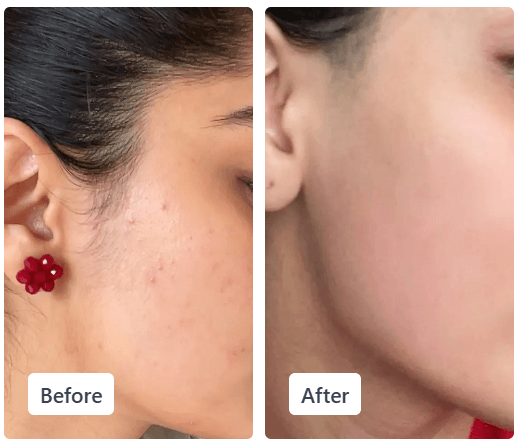
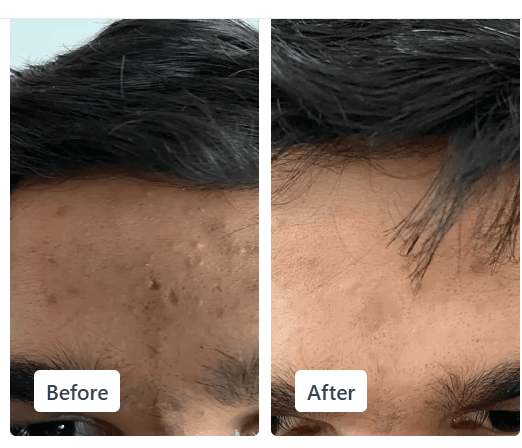
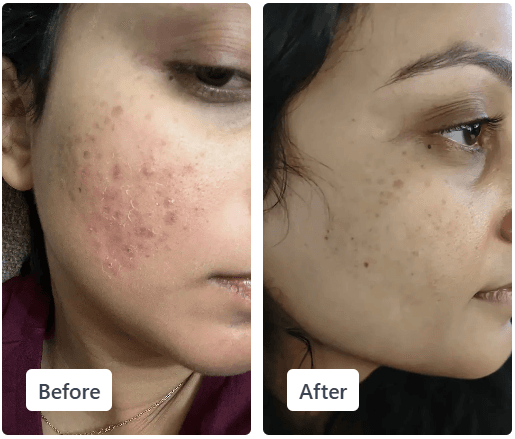
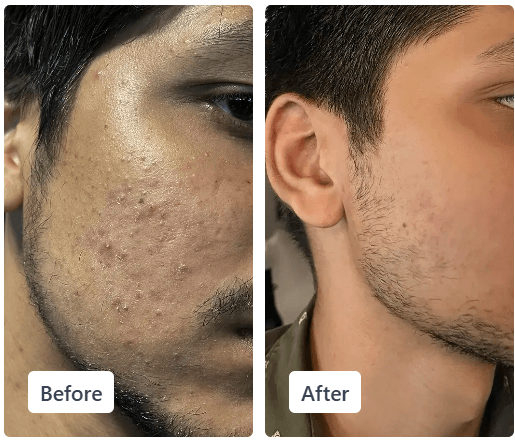
See real results, then start your own
Take the free Clear Ritual Skin Test and get a personalized routine built for your skin's unique patterns.
How Do Korean Skin Care Products Work on Indian Skin?
Korean skin care products work by targeting the skin at multiple functional layers [from surface exfoliation to deep hydration and barrier repair] rather than addressing only one concern at a time.
The core mechanism follows a layered approach:
-
Cleansing (double cleanse): An oil-based cleanser removes sunscreen and sebum. A water-based cleanser removes sweat, pollution, and residue. This is effective because Indian urban environments carry high particulate matter that standard cleansers do not fully remove.
-
Exfoliation: Chemical exfoliants (AHA/BHA) dissolve dead skin cells without physical abrasion. BHA (salicylic acid) penetrates oil-clogged pores, making it particularly effective for oily and acne-prone Indian skin types.
-
Toning / essence application: pH-balancing toners prepare the skin to absorb subsequent actives. Essences deliver fermented ingredients that support microbiome balance and hydration at the cellular level.
-
Serums and ampoules: Concentrated actives (niacinamide for pigmentation, centella asiatica for inflammation, hyaluronic acid for moisture) are applied in small amounts for targeted outcomes.
-
Moisturiser: Locks in active layers and supports the lipid barrier, which may be compromised by heat, pollution, and hard water [all common in Indian urban settings].
-
SPF (daytime only): Korean sunscreens (PA+++ or PA++++) protect against both UVA and UVB radiation. SPF is considered a non-negotiable active step in K-beauty, not an afterthought.
The layering mechanism works because each product is formulated at a specific pH and molecular weight to allow deeper absorption when applied in the correct order.
What Are the Key Benefits of Korean Skin Care Products for Indian Skin?
Korean skin care products offer measurable benefits for Indian skin tones, which range from Type III to Type VI on the Fitzpatrick scale and are genetically predisposed to post-inflammatory hyperpigmentation (PIH).
Short-term benefits (within 2-4 weeks):
- Reduced surface oiliness through BHA-based formulas
- Improved skin texture and smoothness from regular AHA use
- Visible brightening from niacinamide (studies suggest 10% niacinamide reduces hyperpigmentation by up to 68% over 4 weeks) [1]
- Reduced redness and irritation through centella asiatica
Long-term benefits (after 8-12 weeks):
- Faded post-acne marks and sun-induced pigmentation
- Strengthened skin barrier leading to reduced sensitivity
- More even skin tone across the face, neck, and décolletage
- Improved elasticity from ingredients like adenosine and peptides
- Long-term sun damage prevention through consistent SPF application
Additional advantages noted by The Clear Ritual's advisory team:
- Lighter textures reduce the likelihood of heat-induced breakouts common in Indian summers
- Fragrance-free formulations lower the risk of contact dermatitis in sensitive Indian skin types
- More affordable per-use cost compared to many Western dermocosmetics at equivalent active concentrations
See real results, then start your own
Take the free Clear Ritual Skin Test and get a personalized routine built for your skin's unique patterns.
Which Types of Korean Skin Care Products Are Available in India?
Korean skin care products in India span multiple product categories, each targeting a specific step in the skincare routine. Choosing the right type depends on your skin concern, skin type, and the step in your routine.
By Product Category
| Product Type | Key Ingredients | Best For | Skin Type |
|---|---|---|---|
| Oil Cleanser | Jojoba oil, rice bran oil | Removing SPF and pollution | All types |
| Foam/Gel Cleanser | Centella, green tea | Second cleanse | Oily, combination |
| BHA Toner | Salicylic acid (1-2%) | Unclogging pores | Oily, acne-prone |
| Hydrating Toner | Hyaluronic acid, glycerin | Moisture prep | Dry, sensitive |
| Essence | Galactomyces, snail mucin | Barrier repair, glow | All types |
| Serum / Ampoule | Niacinamide, vitamin C, retinol | Pigmentation, ageing | Depends on active |
| Sheet Mask | Variety of actives | Intensive treatment (1-2x/week) | All types |
| Moisturiser | Ceramides, peptides | Barrier lock-in | All types |
| Sunscreen | Zinc oxide, chemical UV filters | Daily UV protection | All types |
By Skin Concern (Most Relevant for Indian Skin)
- Hyperpigmentation / tan: Niacinamide serums, vitamin C ampoules, rice extract toners
- Acne and oiliness: BHA toners, centella-based serums, lightweight gel moisturisers
- Dullness: Galactomyces essences, AHA exfoliants, ginseng ampoules
- Sensitivity and redness: Centella asiatica creams, green tea toners, ceramide moisturisers
- Ageing and loss of firmness: Peptide serums, ginseng extracts, adenosine creams
The Clear Ritual recommends building a Korean skincare routine around your primary concern first [typically sun protection and pigmentation management for most Indian skin types] before adding targeted actives.
How to Build a Korean Skin Care Routine in India: Step-by-Step Guide
Building a Korean skin care routine for Indian skin does not require all 10 steps at once. A streamlined 5-6 step version is effective, manageable, and sustainable for most users.
Prerequisites and What You Need
Before starting, identify your:
- Primary skin concern (acne, pigmentation, dryness, sensitivity)
- Skin type (oily, dry, combination, sensitive)
- Current products and any known irritants or allergies
Step-by-Step Routine for Indian Skin (Morning)
- Gentle foam or gel cleanser [Removes overnight sebum without stripping the barrier]
- Hydrating toner or BHA toner [Choose hydrating for dry/sensitive; BHA for oily/acne-prone]
- Vitamin C or niacinamide serum [Brightens and protects against UV-induced damage] (do not combine vitamin C and niacinamide in the same step)
- Lightweight moisturiser [Gel or water-cream textures work best in Indian humidity]
- Broad-spectrum SPF 50+ sunscreen (PA++++ preferred) [Non-negotiable for Indian UV index levels]
Step-by-Step Routine for Indian Skin (Evening)
- Oil cleanser [Removes SPF, makeup, and pollution particles]
- Foam/gel cleanser [Second cleanse for a clean base]
- Exfoliant (2-3x per week only) [AHA for surface smoothing, BHA for pore control]
- Essence [Snail mucin or galactomyces for barrier repair and glow]
- Treatment serum [Retinol (for ageing), centella (for acne), or niacinamide (for pigmentation)]
- Ceramide moisturiser [Repair and lock-in overnight]
Common Mistakes to Avoid
- Layering too many actives at once: Combining retinol + AHA + vitamin C causes irritation; introduce one active at a time
- Skipping patch testing: Korean actives are potent; always patch test on the inner arm for 24 hours before full application
- Applying sunscreen only on outdoor days: UVA penetrates glass, daily indoor SPF is necessary
- Over-exfoliating in summer: Indian summers accelerate TEWL (transepidermal water loss); limit exfoliation to twice per week during peak heat
Note on exfoliation for Indian skin: Chemical exfoliation is particularly important in India because high humidity and sweat can cause keratin buildup and maskne. However, over-exfoliation disrupts the acid mantle. The Clear Ritual advises starting at once per week and building up gradually.
Korean Skin Care vs. Indian Skin Care Brands: An Honest Comparison
Korean skin care and Indian skincare brands serve overlapping but distinct needs. Understanding the differences helps in making an informed choice based on concern, budget, and skin type.
| Feature | Korean Skin Care | Indian Skin Care Brands | Ayurvedic Formulas |
|---|---|---|---|
| Primary approach | Barrier-building, layered actives | Concern-specific treatment | Herb-based, traditional formulas |
| Texture | Lightweight, watery, gel | Varies, cream to serum | Often thick, oil-based |
| Key actives | Niacinamide, centella, snail mucin | Kojic acid, glycolic acid | Turmeric, neem, manjistha |
| SPF options | Excellent, PA++++ widely available | Limited SPF range | Minimal SPF offerings |
| Fragrance | Mostly fragrance-free | Often fragranced | Aromatic by nature |
| Price range in India | ₹400-₹4,000 per product | ₹200-₹2,500 | ₹150-₹1,500 |
| Clinical evidence | Strong (particularly for niacinamide, retinol) | Moderate | Limited but growing |
| Best for | Hyperpigmentation, oiliness, barrier repair | Acne treatment, brightening | Sensitive skin, natural preference |
Recommendation: Korean skin care products in India perform best for users with hyperpigmentation, acne-prone oiliness, and sun damage, the three most prevalent skin concerns among Indian users. Ayurvedic formulas can complement K-beauty routines in the evening moisturiser or mask step but are generally not adequate as standalone solutions for clinical concerns.
What Results Can You Expect from Korean Skin Care Products in India?
Results from Korean skin care products in India depend on consistency, the correctness of product selection for your skin type, and environmental factors. The timeline below reflects outcomes for users who follow a complete, correctly layered routine.
Realistic Result Timeline
| Timeframe | Expected Outcome |
|---|---|
| Week 1-2 | Improved hydration, reduced tightness, initial glow from essences |
| Week 3-4 | Visible reduction in surface oiliness; minor improvement in skin texture |
| Month 2 | Noticeable brightening; early fading of fresh post-acne marks |
| Month 3 | Significant improvement in hyperpigmentation; smoother skin tone |
| Month 6 | Measurable reduction in deep pigmentation; strengthened barrier with fewer breakouts |
Factors That Affect Outcomes
- Sun exposure: Consistent SPF use is the single biggest factor in whether pigmentation products work; without it, results are minimal
- Skin type: Oily skin types in India typically see faster results from BHA-based routines; dry skin types may need an additional hydrating layer
- Active ingredient concentration: Products with clinically relevant concentrations (e.g., 5-10% niacinamide) produce faster results than low-concentration formulas
- Consistency: Studies suggest that niacinamide, for example, requires minimum 8 weeks of daily use to produce statistically significant pigmentation reduction [1]
According to The Clear Ritual's skin health team, users in Indian metro cities (with higher pollution and UV index) may see slower brightening results without dedicated antioxidant support in their morning routine.
Expert Tips and Best Practices for Using Korean Skin Care in India
Following these best practices can significantly improve outcomes when using Korean skin care products in the Indian climate.
Expert Tips
- Start with a 3-step routine before expanding: cleanser, moisturiser, SPF. This prevents overwhelm and identifies your baseline skin response.
- Introduce one new active every 2 weeks. This allows you to identify which product causes irritation if a reaction occurs.
- Always apply products thinnest to thickest, toner before serum, serum before moisturiser. This ensures maximum absorption.
- Use pH-dependent actives correctly: Apply vitamin C (optimal pH 2.5-3.5) before moisturiser; AHAs (optimal pH 3-4) at night only, followed by barrier repair.
- Refrigerate sheet masks for additional de-puffing and cooling benefits, especially beneficial in Indian heat.
- Reapply SPF every 2 hours if outdoors. Korean sunscreens in India [especially spray or stick formats] make this practical.
- Use a gentle cleanser, not a foaming stripping one. Harsh cleansers disrupt the acid mantle, which is already challenged by hard water in many Indian cities.
- Layer hydration, don't skip it in oily skin. Dehydrated oily skin overproduces sebum; lightweight hydrators regulate this cycle.
Common Mistakes to Avoid
- Using retinol and vitamin C together in the same routine without alternating nights
- Applying sheet masks every night (this can over-hydrate and disrupt the microbiome)
- Confusing physical sun damage (tan) with chemical pigmentation, the treatment timeline differs
- Purchasing unverified Korean products from unregulated sources; always check for BIS certification or authentic import labels in India
What Does the Research Say About Korean Skin Care Ingredients?
Several key ingredients found in Korean skin care products available in India have substantial clinical evidence supporting their efficacy on melanin-rich skin tones, including Indian skin.
Key findings:
-
Niacinamide (Vitamin B3): A 2002 study published in the International Journal of Cosmetic Science found that 5% niacinamide significantly reduced hyperpigmentation and improved skin tone evenness over 8 weeks in Asian skin types [1]. At 10%, the brightening effect is more pronounced.
-
Centella Asiatica: A 2020 review in Molecules confirmed centella asiatica's role in collagen synthesis and wound healing, making it effective for post-acne marks, a prevalent concern in Indian skin [2].
-
Snail Mucin (Snail Secretion Filtrate): Evidence supports its use in improving skin elasticity and reducing atrophic scarring, with measurable outcomes after 8 weeks of consistent use [3].
-
Ginseng (Panax ginseng): Used in Korean medicine for over 2,000 years, ginseng's ginsenosides have demonstrated antioxidant and anti-inflammatory activity in clinical settings, with newer studies confirming UV-induced pigmentation reduction [4].
-
BHA (Salicylic Acid): Well-established clinical evidence supports 1-2% salicylic acid for acne and comedone reduction in oily skin; particularly relevant for the combination-to-oily skin profile common across India [5].
The Clear Ritual's research team notes that while evidence for individual ingredients is strong, fewer large-scale trials specifically study K-beauty product combinations on Indian Fitzpat.
How Clear Ritual Supports Personalized Skincare Decisions
Clear Ritual understands that building an effective Korean skincare routine for acne-prone skin is more than a surface issue. It is shaped by genetics, skin renewal cycles, environmental factors, and the products you use.
Because acne-prone breakouts form when oil-clogged pores, humidity-driven keratin buildup, and disrupted barrier function combine, generic solutions rarely bring lasting improvement. Clear Ritual combines traditional wisdom and modern science to address the underlying causes of acne-prone skin.
The Clear Ritual Skin Test analyses your skin's unique patterns and daily influences to help identify the best routine for supporting healthy skin and reducing acne-prone skin recurrence.
See real results, then start your own
Take the free Clear Ritual Skin Test and get a personalized routine built for your skin's unique patterns.
Conclusion
Korean skincare does not need to be a complicated 10-step routine to be useful. A simple, consistent routine based on your skin type can support hydration, oil control, barrier health, and gradual improvement in concerns such as pigmentation, acne, and uneven texture.
Start with the basics: a gentle cleanser, suitable moisturiser, and daily broad-spectrum sunscreen. Add one targeted active at a time and give your skin several weeks to adjust. Stop using a product if it causes persistent burning, swelling, or irritation, and consult a dermatologist for painful acne, severe pigmentation, eczema, or ongoing skin concerns.
Frequently Asked Questions
Are Korean skincare products suitable for Indian skin?
Korean skincare products can be suitable for Indian skin when chosen based on skin type, climate, and individual concerns. Lightweight textures, barrier-supporting ingredients, and daily sunscreen can be especially helpful in hot and humid conditions.
Which Korean skincare ingredients are best for dark spots?
Niacinamide, vitamin C, rice extract, centella asiatica, and gentle exfoliating acids are commonly used for uneven skin tone and post-acne marks. Daily sunscreen is essential because sun exposure can make pigmentation darker.
Can Korean skincare help oily and acne-prone skin?
Yes. Products containing salicylic acid, niacinamide, centella asiatica, and lightweight gel moisturisers may support oily and acne-prone skin. Avoid layering several exfoliating products at once, as this can cause irritation.
Do I need a 10-step Korean skincare routine?
No. A basic routine of cleanser, moisturiser, and sunscreen is enough for many people. You can add one serum, toner, or treatment product only when needed.
Can I use Korean skincare products with Indian skincare products?
Yes. You can combine products from different skincare categories and brands as long as the ingredients are compatible and your skin tolerates them. Introduce one new product at a time rather than changing your full routine at once.
Should I use Korean sunscreen every day?
Daily sunscreen is helpful for all skin types, especially when managing pigmentation, acne marks, or using exfoliating acids and retinoids. Choose a broad-spectrum sunscreen that feels comfortable enough for regular use.
Are snail mucin products safe for sensitive skin?
Some people with sensitive skin tolerate snail mucin well, but reactions are possible with any skincare ingredient. Patch test first and avoid use if you have a known allergy or experience itching, burning, or redness.
How long does Korean skincare take to show results?
Hydration and skin comfort may improve within a few weeks. Concerns such as acne, dark spots, and uneven texture often take 8-12 weeks or longer of consistent use, especially when pigmentation is involved.
Editorial Standards
Clear Ritual has Strict sourcing guidelines to ensure our content is accurate and current. We rely on peer-reviewed studies, academic research institutions, and medical associations. We strive to use primary sources and refrain from using tertiary references. See a mistake? Learn More about our Editorial Standards.
Related Articles
Combination Skin Care Routine: Complete Guide — How It Works, Benefits & Best Practices
Published 20 July 2026

Night Skin Care Routine For Oily Skin: The Complete Guide
Published 20 July 2026
Winter Skincare Routine: Complete Guide — How It Works, Benefits & Best Practices
Published 20 July 2026
Natural Skin Care Routine for Teenage Girl: Complete Guide
Published 20 July 2026