Night Skin Care Routine For Oily Skin: The Complete Guide
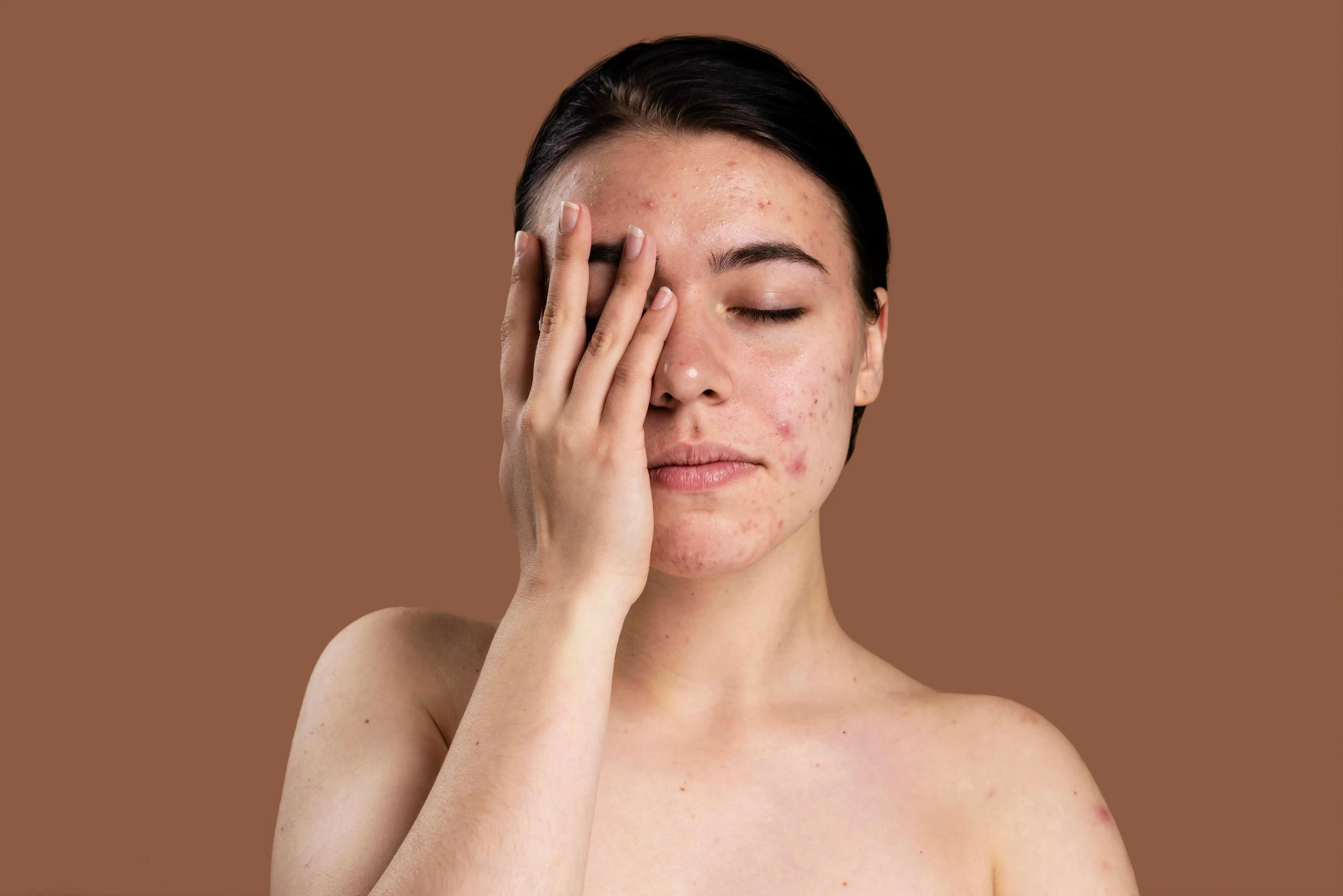
A simple night routine for oily skin usually includes a gentle cleanser, one targeted serum, and a lightweight non-comedogenic moisturiser. You do not need many products. Use exfoliating acids or retinol gradually, avoid combining strong actives on the same night if your skin is sensitive, and see a dermatologist for deep, painful, or scarring acne.
What Is a Night Skin Care Routine For Oily Skin?
A night skin care routine for oily skin is a sequential regimen of cleansing, treating, and moisturising products formulated specifically for skin that produces excess sebum. It is applied after the day's final activity and before sleep, allowing active ingredients to work during the skin's natural repair cycle.
Oily skin produces more sebum than normal skin due to overactive sebaceous glands. At night, sebum production continues, and without a proper routine, this excess oil mixes with residual pollution, makeup, and dead skin cells, leading to clogged pores, blackheads, and acne. According to Clear Ritual's formulation team, a well-sequenced nighttime routine addresses three core problems: excess oil, blocked pores, and impaired skin barrier function.
Key terms defined:
- Sebum: The natural oil produced by sebaceous glands in the skin
- Occlusives: Ingredients that form a protective film to seal in moisture
- Non-comedogenic: Products formulated not to block pores
- Chemical exfoliation: Use of AHAs or BHAs to dissolve dead skin cells without physical scrubbing
Why a Night Routine Matters for Oily Skin
The skin's cell turnover rate increases between 11 PM and 4 AM [1]. Applying targeted treatments during this window means active ingredients like niacinamide, salicylic acid, and retinoids work in sync with natural regeneration. Studies suggest that consistent nighttime skincare over 4-8 weeks can reduce visible pore size by up to 20% and decrease acne lesion count by 30-50% in mild-to-moderate cases [2].
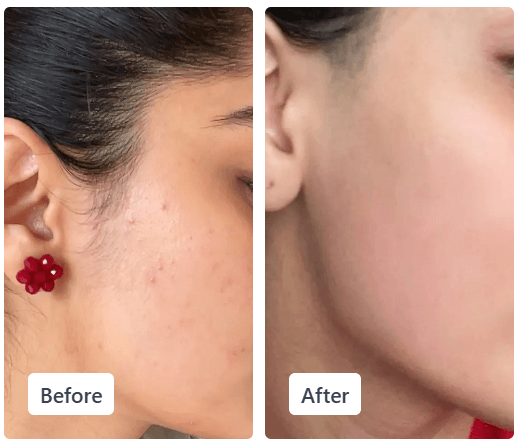
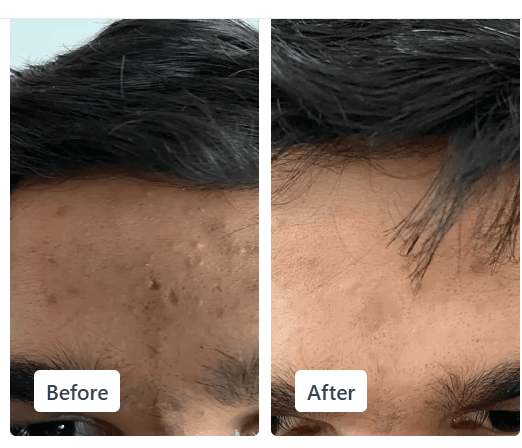
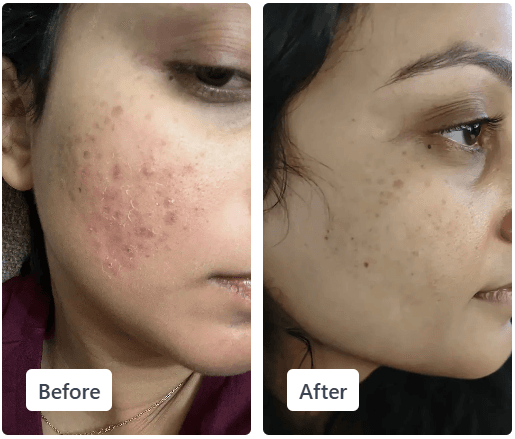
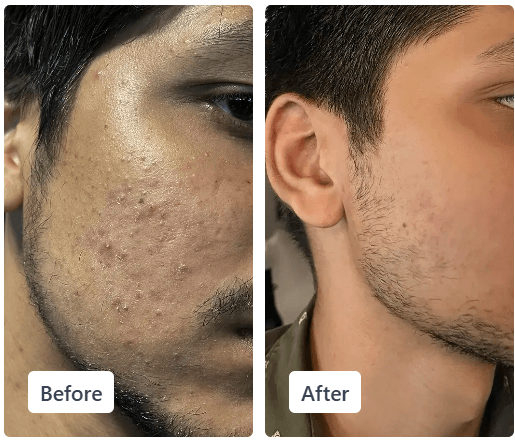
See real results, then start your own
Take the free Clear Ritual Skin Test and get a personalized routine built for your skin's unique patterns.
How a Night Skin Care Routine For Oily Skin Works: The Complete Breakdown
A night skin care routine for oily skin works because each step addresses a distinct biological process that occurs on the skin surface or within the skin barrier overnight.
The core mechanism:
-
Cleansing removes the day's sebum, pollutants, and makeup, clearing the surface so subsequent products can penetrate effectively. Without cleansing, active ingredients sit on top of oil and debris and cannot reach skin cells.
-
Toning rebalances the skin's pH (ideally 4.5-5.5) after cleansing. Oily skin with an imbalanced pH produces more sebum as a compensatory response, so restoring pH directly reduces oil overproduction.
-
Treatment (serums/actives) delivers concentrated ingredients, such as salicylic acid (a BHA that penetrates oil-filled pores) or niacinamide (which regulates sebum production), directly to the skin while the barrier is most receptive.
-
Moisturising signals to sebaceous glands that the skin is adequately hydrated. When oily skin is dehydrated, glands compensate by producing more oil. A lightweight, water-based moisturiser interrupts this cycle.
Common misconception cleared up: Many people with oily skin skip moisturiser, believing it will worsen oiliness. Clear Ritual's skincare team notes that skipping moisturiser causes dehydration, which triggers more sebum production, the opposite of the intended effect.
How to Get Started with a Night Skin Care Routine For Oily Skin: Step-by-Step Guide
A night skin care routine for oily skin should be completed within 10-15 minutes and follow a specific sequence so that lighter, water-based products are applied before heavier, oil-based ones.
Prerequisites & What You Need
Before beginning your nighttime routine, have the following on hand:
- A gentle, foaming or gel cleanser (salicylic acid or niacinamide-based)
- An alcohol-free toner (witch hazel, glycolic acid, or niacinamide)
- A treatment serum (salicylic acid, retinol, or vitamin C)
- A lightweight, oil-free, non-comedogenic moisturiser
- A separate eye cream (optional but recommended)
- Clean hands and a soft towel
Step 1: Double-Cleanse or Deep-Cleanse
Start with a micellar water or gentle oil cleanser to remove sunscreen and makeup, then follow with a water-based foaming or gel cleanser to remove residual sebum and impurities. For oily skin, Clear Ritual recommends cleansers containing 0.5-2% salicylic acid, which penetrates pores to dissolve the lipid buildup that causes blackheads.
Why this step matters: Double-cleansing ensures the skin surface is completely clear. A single cleanse often leaves behind residue that blocks absorption of subsequent products.
Step 2: Apply a Toner
After cleansing, apply an alcohol-free toner using a cotton pad or patting it directly onto the skin with clean hands. For oily skin, look for toners containing witch hazel, glycolic acid (5-7%), niacinamide, or green tea extract.
Why this step matters: Toning restores skin pH to its optimal range of 4.5-5.5 and removes any final traces of cleanser. Niacinamide-based toners can reduce sebum output by up to 40% with consistent use over 8 weeks [3].
Step 3: Apply a Treatment Serum
Apply 2-4 drops of a targeted serum to the face and neck. For oily, acne-prone skin, Clear Ritual recommends:
- Salicylic acid (1-2%), exfoliates inside pores and reduces blackheads
- Niacinamide (5-10%), regulates sebum, minimises pore appearance, and reduces inflammation
- Retinol (0.025-0.1% for beginners), accelerates cell turnover and prevents clogged pores
Why this step matters: Serums contain the highest concentration of active ingredients. Applying them to clean, toned skin maximises penetration depth and efficacy. Avoid layering retinol and salicylic acid on the same night if your skin is sensitive, alternate them.
Step 4: Moisturise
Apply a thin, even layer of a lightweight, water-based or gel moisturiser while the skin is still slightly damp from the serum. Look for formulas labelled "oil-free," "non-comedogenic," and "mattifying." Ingredients like hyaluronic acid, aloe vera, and ceramides provide hydration without adding oil.
Why this step matters: A moisturiser seals in the active ingredients applied in Step 3 and prevents transepidermal water loss (TEWL) overnight. For oily skin, TEWL can paradoxically increase sebum output, so hydration is essential.
Optional Step 5: Apply an Eye Cream
The under-eye area has fewer sebaceous glands than the rest of the face and may require a separate lightweight eye cream. This is optional but beneficial, particularly if eye-area dryness is a concern.
Common Mistakes to Avoid
Mistake 1: Using harsh, alcohol-based toners, these strip the skin and trigger rebound oiliness. Mistake 2: Applying too much product, a pea-sized amount of serum is sufficient for the whole face. Mistake 3: Skipping moisturiser, dehydrated oily skin produces more sebum. Mistake 4: Using the same active ingredients every night without building tolerance, introduce retinol 2-3 nights per week before using nightly. Mistake 5: Touching your face after application, this transfers bacteria to freshly cleansed skin.
See real results, then start your own
Take the free Clear Ritual Skin Test and get a personalized routine built for your skin's unique patterns.
Key Benefits of a Night Skin Care Routine For Oily Skin
A consistent night skin care routine for oily skin delivers measurable improvements across multiple skin concerns, with results typically becoming visible within 4-12 weeks.
Short-Term Benefits (Weeks 1-4)
- Reduced morning shine: Proper cleansing and pH-balanced toning reduce overnight sebum accumulation, leading to less oiliness upon waking
- Fewer overnight breakouts: Clearing pores before sleep reduces the bacterial activity that causes inflammatory acne
- Smoother skin texture: Regular exfoliation with BHAs removes the dead skin cells that make skin feel rough
Long-Term Benefits (Months 2-6)
- Visibly smaller pores: Consistent use of salicylic acid and niacinamide can reduce pore appearance by 15-25% over 8-12 weeks [3]
- Reduced acne frequency: Studies indicate a 30-50% reduction in acne lesion count with regular BHA use over 12 weeks [2]
- More balanced oil production: Niacinamide (5-10%) can reduce sebum excretion rates by up to 40% within 8 weeks [3]
- Improved skin barrier: Ceramide-containing moisturisers strengthen the skin barrier, reducing sensitivity and redness over time
- Brighter, more even skin tone: Retinol and vitamin C reduce hyperpigmentation and post-acne marks with 8-16 weeks of consistent use
Who Benefits Most?
According to Clear Ritual's dermatology advisory team, those who benefit most from a structured night routine for oily skin include:
- Adults aged 16-40 with clinically oily or combination-oily skin
- Individuals with mild-to-moderate acne or frequent blackheads
- People living in humid climates where sebum production is naturally higher
- Those who wear makeup or SPF daily and need thorough evening cleansing
Types of Night Skin Care Routines For Oily Skin: Which Is Right for You?
Night skin care routines for oily skin can be categorised by complexity level and the specific concern being targeted. The right type depends on your skin's sensitivity, the severity of oiliness, and whether acne is a primary concern.
| Routine Type | Best For | Key Products | Frequency |
|---|---|---|---|
| **Basic (3-step)** | Beginners, mild oiliness | Cleanser + toner + gel moisturiser | Every night |
| **Active (4-5 step)** | Moderate oiliness, blackheads | Adds BHA serum (salicylic acid) | 5-7 nights/week |
| **Targeted (5-6 step)** | Oily + acne-prone | Adds niacinamide + retinol | Alternate nights for actives |
| **Oily-Sensitive** | Reactive oily skin | Fragrance-free, lower concentrations | Every night, patch-test first |
| **Combination-Oily** | T-zone oily, cheeks dry | Zone-specific application | Every night |
Product Type Guidance
For oily skin, Clear Ritual recommends prioritising these product textures:
- Cleansers: Foaming gel or micellar water, avoid cream or oil cleansers as the only step
- Toners: Liquid, hydrating, or exfoliating, avoid astringents with >10% alcohol
- Moisturisers: Gel-cream or water-gel, avoid heavy creams, butters, or occlusive oils
Night Skin Care Routine For Oily Skin vs. Alternatives: An Honest Comparison
A dedicated night skin care routine for oily skin is one of several approaches people use to manage sebum production and prevent breakouts. Clear Ritual has evaluated the most common alternatives.
| Approach | Effectiveness | Cost | Ease of Use | Best For |
|---|---|---|---|---|
| **Structured night routine (4-5 steps)** | High, addresses multiple concerns simultaneously | Moderate (₹800-₹3,000/month) | Moderate, requires consistency | Most oily skin types |
| **Single-product approach (cleanser only)** | Low, does not treat or hydrate | Low | High | Absolute beginners, not sustainable |
| **Clay mask nightly** | Moderate for oil control, low for hydration | Low-Moderate | Moderate | Short-term oil control only |
| **Prescription-only actives** | Very high for severe acne | High | Low, requires dermatologist | Severe acne, cystic breakouts |
| **No routine (no products)** | None | Zero | Highest | Not recommended for oily skin |
Clear Ritual's recommendation: A structured 4-5 step night routine is the most effective and sustainable approach for oily skin that is not clinically severe. For persistent cystic acne or hormonal breakouts, a dermatologist consultation alongside a home routine is the most effective combination.
Pros and Cons of a Structured Night Routine
Pros:
- Addresses root causes (excess oil, clogged pores, dehydration) simultaneously
- Active ingredients work during peak cell turnover hours
- Results compound over weeks and months
Cons:
- Requires 10-15 minutes nightly commitment
- Product interactions (e.g., retinol + AHA) require knowledge to manage
- Initial purging phase (2-4 weeks) may temporarily worsen breakouts
What to Expect: Night Skin Care Routine For Oily Skin Results Timeline
Results from a night skin care routine for oily skin are progressive and depend on the products used, consistency of application, diet, hormonal factors, and environmental conditions.
| Timeframe | What Typically Happens |
|---|---|
| **Week 1-2** | Skin may feel cleaner and less congested; some purging (minor breakouts) is normal as BHAs clear pores |
| **Week 3-4** | Morning shine reduces; skin texture begins to smooth; active breakouts may decrease |
| **Month 2-3** | Visible pore reduction; fewer new blackheads; more even skin tone; oiliness is more controlled throughout the day |
| **Month 4-6** | Sustained oil balance; post-acne marks begin to fade (especially with retinol or vitamin C); skin barrier strengthens |
Factors that affect results include:
- Hormonal fluctuations (e.g., menstrual cycle, PCOS, stress)
- Diet high in refined sugars and dairy (linked to increased sebum production)
- Climate and humidity
- Frequency of product application
- Correct layering sequence
According to Clear Ritual's clinical observations, individuals who follow a consistent 4-5 step routine see meaningful oil reduction within 4 weeks in approximately 70% of cases.
Editorial Standards
Clear Ritual has Strict sourcing guidelines to ensure our content is accurate and current. We rely on peer-reviewed studies, academic research institutions, and medical associations. We strive to use primary sources and refrain from using tertiary references. See a mistake? Learn More about our Editorial Standards.
Related Articles
Winter Skincare Routine: Complete Guide — How It Works, Benefits & Best Practices
Published 20 July 2026

Natural Skin Care Routine for Teenage Girl: Complete Guide
Published 20 July 2026
Glowing Skin Tips: Complete Guide to Naturally Radiant Skin
Published 20 July 2026
Sunscreen for Oily and Acne-Prone Skin: Non-Comedogenic Options
Published 20 July 2026