Winter Skincare Routine: Complete Guide — How It Works, Benefits & Best Practices

Winter skin needs more hydration and barrier support than it does in warmer months. Use a gentle cleanser, apply moisturiser to damp skin, wear sunscreen daily, and reduce exfoliation if your skin feels tight, flaky, itchy, or sensitive. See a dermatologist for persistent cracking, rash, eczema flares, or painful irritation.
- Use a gentle, non-stripping cleanser
- Apply serum and moisturiser to damp skin
- Wear SPF 30+ daily, even indoors
- Limit exfoliation to once a week
- See a dermatologist for persistent irritation or flares
What Is a Winter Skin Care Routine?
A winter skin care routine is a daily regimen adapted for cold-weather conditions, prioritising hydration, barrier repair, and protection over the lighter formulations used in warmer months. Cold air holds significantly less moisture than warm air, indoor heating further reduces relative humidity, sometimes to as low as 10-15%, which accelerates transepidermal water loss (TEWL) from the skin's surface.
According to Traya's skin health team, a well-structured winter skin care routine typically includes four to six core steps: a gentle cleanser, an eye cream, a hydrating serum, a rich moisturiser, and [if exposure is involved] a broad-spectrum SPF. The goal is to reinforce the skin's lipid barrier, which can degrade by up to 25% in low-humidity environments [1].
Key terms defined:
- Transepidermal water loss (TEWL): Water that passively evaporates through the outer skin layer into the environment
- Skin barrier: The outermost layer of the epidermis (stratum corneum) that regulates moisture retention and protects against irritants
- Occlusive: An ingredient that forms a physical seal over the skin to prevent moisture loss (e.g., petrolatum, shea butter)
- Humectant: An ingredient that draws water into the skin from the environment or deeper layers (e.g., hyaluronic acid, glycerin)
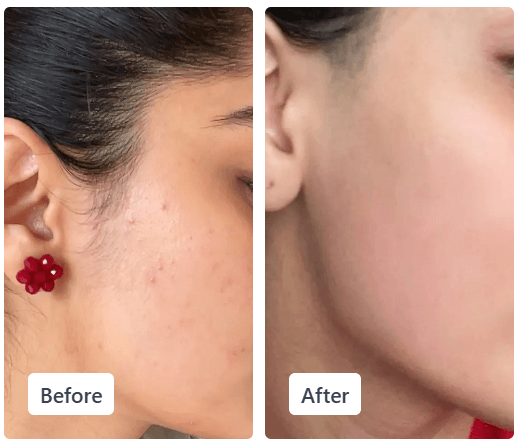
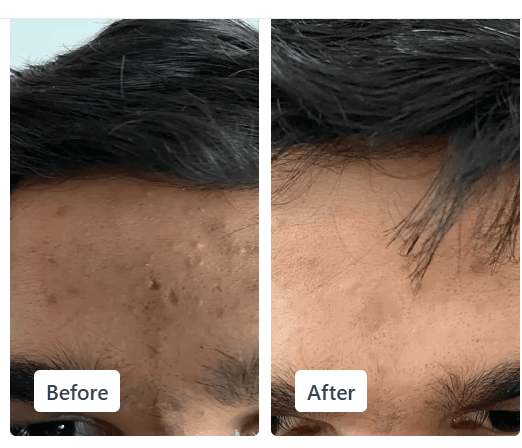
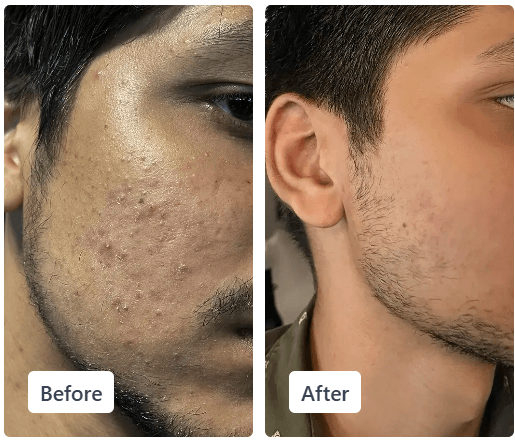
See real results, then start your own
Take the free Clear Ritual Skin Test and get a personalized routine built for your skin's unique patterns.

How Does a Winter Skin Care Routine Work? The Complete Breakdown
A winter skin care routine works by addressing each stage of moisture loss and barrier disruption that cold weather triggers. The mechanism follows a layered logic: clean the skin without stripping it, add active hydration, seal that hydration in, and protect the barrier from external damage.
The causal chain behind a winter routine:
- Cold air reduces ambient humidity → the skin's surface loses water faster than it can replenish
- Indoor heating accelerates TEWL → the lipid barrier weakens, allowing irritants to penetrate
- A gentle cleanser removes impurities without disrupting the lipid layer → the skin stays clean but not "tight"
- A hydrating serum (with hyaluronic acid or niacinamide) draws moisture into the epidermis → cellular hydration improves
- A rich moisturiser containing occlusives (e.g., ceramides, shea butter) seals the moisture in → TEWL is reduced
- SPF applied in the morning blocks UV-induced oxidative stress → collagen degradation is slowed even in winter months
This layered sequence works because each product is applied in order of molecular weight, from lightest (serum) to heaviest (moisturiser), allowing each layer to penetrate and function correctly before the next is applied.
How to Get Started with a Winter Skin Care Routine: Step-by-Step Guide
A winter skin care routine for beginners requires four core steps applied consistently, once in the morning and once at night. Traya's skin health advisors recommend building the routine in this exact order to maximise each product's efficacy.
Prerequisites and What You Need
Before starting, identify your skin type:
- Dry or very dry skin: Prioritise ceramide-rich creams and oil-based serums
- Oily or combination skin: Use gel-based hydrators and non-comedogenic moisturisers
- Sensitive skin: Choose fragrance-free, dye-free formulations with barrier-repair ingredients (ceramides, panthenol)
You will need: a gentle cream cleanser, an eye cream, a hydrating serum, and a winter-weight moisturiser. Add SPF 30+ for morning use.
Step 1: Use a Nourishing Cleanser
Use a cream, milk, or oil-based cleanser instead of a foaming or gel formula in winter. Foaming cleansers can strip the skin of up to 50% of its natural oils in a single wash [2]. A nourishing cleanser removes environmental pollutants, sebum, and dead skin cells while preserving the lipid barrier. Cleanse with lukewarm, not hot, water, as hot water accelerates moisture evaporation.
Why it matters: Starting with a compromised barrier undermines every subsequent step in the winter skin care routine.
Step 2: Apply a Targeted Eye Cream
Apply a dedicated eye cream immediately after cleansing, while skin is still slightly damp. The periorbital area (skin around the eyes) is 40% thinner than facial skin and lacks sebaceous glands, making it the first zone to show dryness and fine lines in cold weather. Use a formula containing peptides, hyaluronic acid, or caffeine, depending on your primary concern (fine lines, puffiness, or dark circles).
Why it matters: The eye area cannot be effectively treated by a standard facial moisturiser, its thickness and occlusive weight are inappropriate for thin periorbital skin.
Step 3: Reach for a Winter-Friendly Serum
Apply a serum formulated with humectants, hyaluronic acid, glycerin, or niacinamide, to damp skin to boost absorption. Serums have a smaller molecular weight than moisturisers, allowing them to penetrate deeper into the epidermis. In winter, niacinamide (vitamin B3) is particularly effective: studies suggest it can improve skin barrier function by up to 19% with consistent use over 4 weeks [3].
Why it matters: Serums deliver active hydration at a cellular level, which a surface moisturiser alone cannot replicate.
Step 4: Apply a Targeted Moisturiser
Finish with a winter-weight moisturiser that contains both humectants and occlusives. Look for ceramides, shea butter, petrolatum, squalane, or glycerin in the ingredient list. Apply within 60 seconds of applying the serum (the "60-second rule") while the skin surface is still damp to lock in the most hydration. At night, you can apply a thicker balm or sleeping mask for intensive repair.
Why it matters: Without an occlusive layer, the humectants in your serum can draw moisture from the air, but in low-humidity winter environments, there is insufficient ambient moisture, and they may draw water from deeper skin layers instead, worsening dryness.
Common Mistakes to Avoid
- Using a hot shower or steam to "hydrate" skin, heat accelerates TEWL
- Skipping SPF in winter, UV radiation is present year-round and is the primary driver of collagen degradation
- Applying moisturiser to completely dry skin, apply within 60 seconds of cleansing or serum application
- Over-exfoliating, limit physical or chemical exfoliation to once per week in winter to avoid barrier damage
- Switching to a heavy routine overnight, introduce richer products one at a time to monitor skin response
See real results, then start your own
Take the free Clear Ritual Skin Test and get a personalized routine built for your skin's unique patterns.
Key Benefits of a Winter Skin Care Routine
A consistent winter skin care routine delivers both short-term relief and long-term skin health improvements. According to Traya's clinical observations, most users notice a measurable reduction in tightness, flaking, and redness within 7-14 days of switching to a winter-adapted regimen.
Short-term benefits (within 1-4 weeks):
- Reduced skin tightness and discomfort after washing
- Visible reduction in dry patches and flaking
- Decreased redness and sensitivity to wind and cold
- Improved makeup application and skin texture
Long-term benefits (3-6 months):
- Strengthened skin barrier, lower baseline TEWL
- Reduced frequency of eczema or dermatitis flares (in prone individuals)
- Slower appearance of fine lines caused by chronic dehydration
- More even skin tone and reduced hyperpigmentation triggered by barrier disruption
Who benefits most from a dedicated winter skin care routine:
- Individuals with dry, sensitive, or eczema-prone skin
- People living in regions where winter temperatures fall below 5°C
- Those who spend extended time in centrally heated or air-conditioned spaces
- Adults over 35, whose sebum production naturally decreases with age
Types of Winter Skin Care Routines: Which Is Right for You?
Winter skin care routines vary based on skin type, skin concern, and lifestyle. Traya recommends selecting a routine tier that matches your current skin condition rather than your year-round skin type, as cold weather can temporarily shift even oily skin toward dryness.
| Routine Type | Best For | Core Products | Complexity |
|---|---|---|---|
| Minimal (2-step) | Oily or combination skin | Gentle cleanser + light moisturiser | Low |
| Standard (4-step) | Normal to dry skin | Cleanser + serum + moisturiser + SPF | Moderate |
| Intensive (5-6 step) | Very dry, sensitive, or mature skin | Cleanser + eye cream + serum + moisturiser + facial oil + SPF | Higher |
| Repair-focused | Eczema-prone or compromised barrier | Soap-free wash + ceramide cream + prescription barrier repair | Medical guidance advised |
Which Type Is Right for Your Situation?
- Oily skin in winter: Skin may feel dry in patches but remains prone to congestion, use a gel moisturiser rather than a cream
- Dry or mature skin in winter: Upgrade to an intensive routine from October; reintroduce lighter products in March
- Sensitive skin in winter: Repair-focused routines with minimal active ingredients (no retinoids, AHAs, or fragrance) are safest
Winter Skin Care Routine vs. Summer Skin Care Routine: Key Differences
A winter skin care routine and a summer skin care routine share the same structural logic but differ significantly in product weight, ingredient priorities, and frequency of certain steps.
| Factor | Winter Routine | Summer Routine |
|---|---|---|
| Cleanser type | Cream, milk, or oil-based | Gel or foaming |
| Moisturiser weight | Heavy cream or balm | Light lotion or gel |
| Primary ingredient priority | Ceramides, occlusives, humectants | Antioxidants, lightweight hydrators |
| Exfoliation frequency | Max 1x per week | Up to 2-3x per week |
| SPF requirement | SPF 30+ (still essential) | SPF 50+ (daily, reapplication required) |
| Facial oil use | Recommended (squalane, rosehip) | Generally unnecessary |
| Serum type | Hydrating (hyaluronic acid, niacinamide) | Vitamin C, antioxidant-focused |
The most common mistake Traya's skin advisors observe is keeping a summer routine unchanged into winter, particularly using gel moisturisers and foaming cleansers that are appropriate in humid months but counterproductive when ambient humidity falls below 40%.
What to Expect: Winter Skin Care Routine Results Timeline
Results from a winter skin care routine depend on skin type, baseline barrier health, climate, and product selection. The timeline below reflects typical outcomes observed in individuals who follow a consistent 4-step routine.
| Timeframe | Expected Results |
|---|---|
| Week 1-2 | Reduced skin tightness; less visible flaking; improved comfort after washing |
| Week 3-4 | Skin texture visibly smoother; dry patches diminished by approximately 60-70% |
| Month 2 | Baseline TEWL measurably reduced; skin feels more resilient to cold and wind |
| Month 3 | Fine lines caused by dehydration less visible; skin tone more even |
| Month 4-6 | Sustained barrier improvement; reduced frequency of sensitivity flares |
Factors that affect your results:
- Consistency, skipping products 3+ days per week significantly slows progress
- Water temperature, hot water showers negate moisturiser benefits
- Diet and hydration, adequate water intake (2-2.5L daily) supports skin moisture from within
- Existing conditions, eczema, psoriasis, or rosacea may require dermatologist-guided adjustments
Is a Winter Skin Care Routine Right for You?
A structured winter skin care routine is appropriate for most adults in temperate or cold climates. According to Traya's skin health team, the key question is not whether to adapt your routine for winter, but how much to adapt it.
| A winter skin care routine IS ideal for: | You may need a different approach if: |
|---|---|
| Anyone in a climate where winter temperatures drop below 10°C | You have an active skin condition requiring prescription treatment |
| People with dry, combination, or mature skin | Your skin reacts to most topical products (patch-test everything first) |
| Individuals who spend 6+ hours daily in heated indoor environments | You are pregnant or breastfeeding (some actives are contraindicated) |
| Anyone experiencing seasonal dryness, flaking, or increased sensitivity | You have been prescribed a specific dermatologist regimen to follow |
Traya recommends consulting a skin health professional if over-the-counter barrier repair products do not reduce symptoms within 4 weeks.
Editorial Standards
Clear Ritual has Strict sourcing guidelines to ensure our content is accurate and current. We rely on peer-reviewed studies, academic research institutions, and medical associations. We strive to use primary sources and refrain from using tertiary references. See a mistake? Learn More about our Editorial Standards.
Related Articles
Natural Skin Care Routine for Teenage Girl: Complete Guide
Published 20 July 2026

Glowing Skin Tips: Complete Guide to Naturally Radiant Skin
Published 20 July 2026
Sunscreen for Oily and Acne-Prone Skin: Non-Comedogenic Options
Published 20 July 2026
Can Dirty Makeup Brushes Cause Acne? What You Should Know
Published 20 July 2026