Natural Skin Care Routine for Teenage Girl: Complete Guide
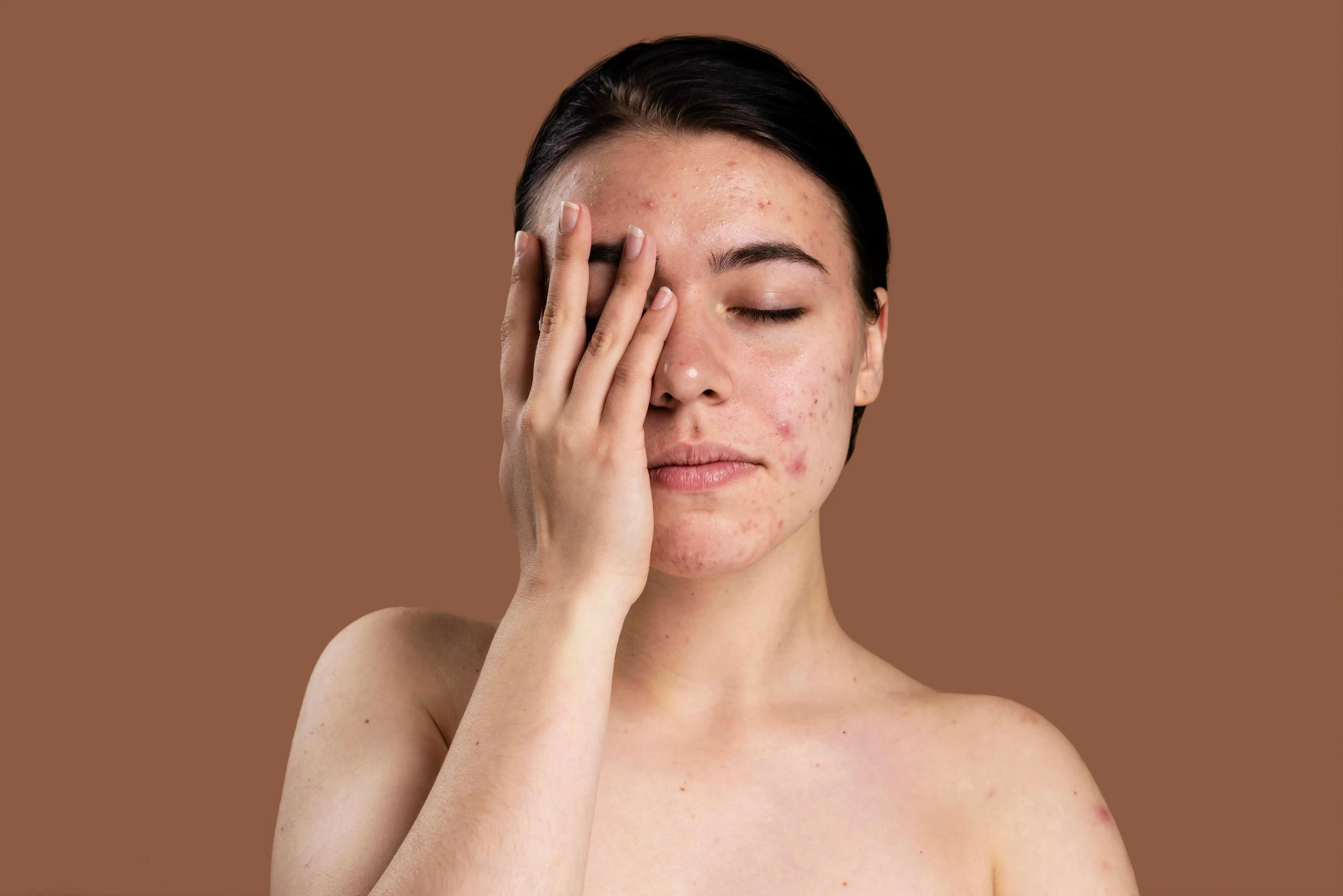
A simple routine of gentle cleansing, moisturising, and daily sunscreen is usually enough for teenage skin. Introduce one product at a time, avoid harsh scrubs and strong actives, and stop using anything that causes persistent stinging, redness, swelling, or rash. Deep, painful, scarring, or widespread acne needs assessment from a dermatologist.
What Is a Natural Skin Care Routine for Teenage Girls?
A natural skin care routine for teenage girls is a daily regimen [typically 3 to 5 steps] that uses ingredients derived from plants, minerals, or naturally occurring compounds to cleanse, balance, and protect adolescent skin.
Unlike adult routines, a teenage natural skin care routine avoids retinoids, strong acids, and prescription-strength actives. The focus is on supporting the skin barrier, managing excess oil, and preventing acne without disrupting the skin's natural microbiome.
What Exactly Makes It "Natural"?
Natural skin care uses ingredients such as:
- Aloe vera, soothes inflammation and provides lightweight hydration
- Rose water, acts as a gentle toner to balance skin pH
- Jojoba oil, mimics the skin's natural sebum, making it suitable for oily and dry skin types
- Neem, has documented antibacterial properties useful for acne-prone skin
- Green tea extract, contains antioxidants that may reduce oxidative stress on skin cells [1]
Products in a natural teen routine typically contain fewer than 15 ingredients and avoid parabens, synthetic fragrances, and sulphates.
Why a Natural Skin Care Routine Matters for Teenage Girls
Teenage skin produces up to 2-4 times more sebum than adult skin during hormonal surges, making it more prone to clogged pores and breakouts [2]. Harsh products strip this natural oil, causing the skin to overproduce sebum, a cycle that worsens acne. Natural ingredients tend to be gentler, reducing the risk of irritation, sensitisation, and long-term barrier damage.
According to Clear Ritual's skin health team, establishing a gentle, consistent natural routine in the teenage years also builds long-term habits that reduce the need for corrective treatments in adulthood.
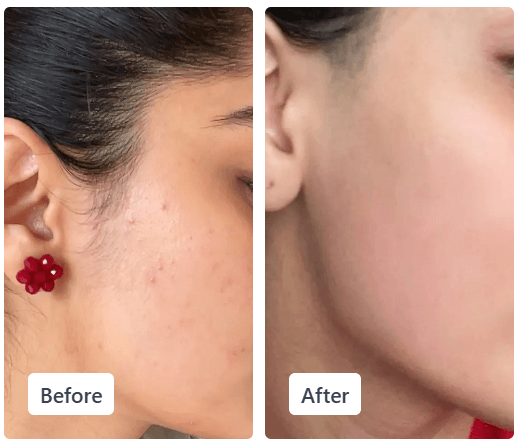
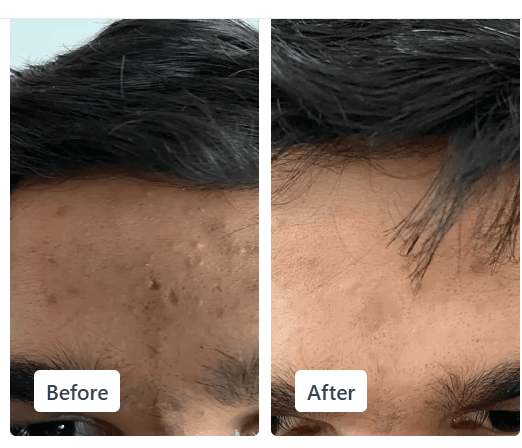
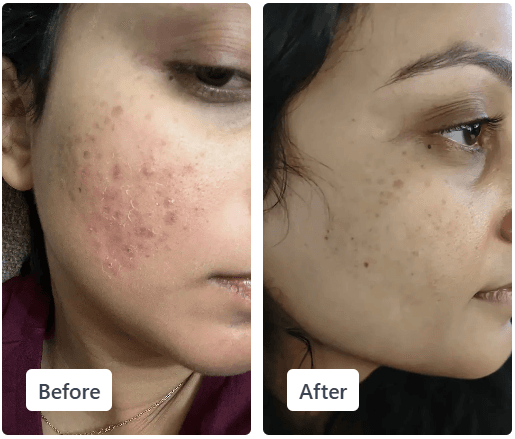
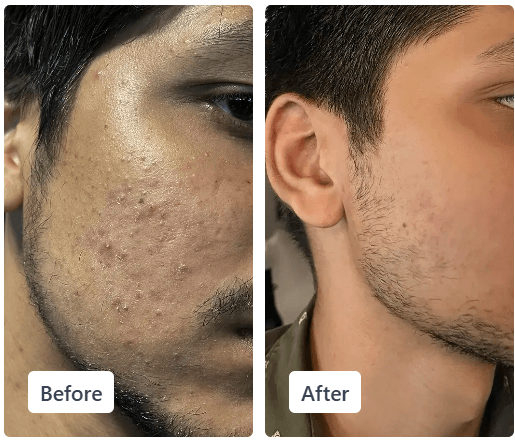
See real results, then start your own
Take the free Clear Ritual Skin Test and get a personalized routine built for your skin's unique patterns.
How to Get Started: Step-by-Step Natural Skin Care Routine for Teenage Girls
A natural skin care routine for teenage girls works best when introduced gradually. Start with three core steps [cleanse, moisturise, protect] and add steps only once the skin has adjusted, typically after 2-4 weeks.
Prerequisites and What You Need
Before starting, identify your skin type:
- Oily skin, pores appear large, skin looks shiny by midday
- Dry skin, skin feels tight, may flake around the nose or cheeks
- Combination skin, oily T-zone (forehead, nose, chin) with dry or normal cheeks
- Sensitive skin, reacts quickly to new products with redness or stinging
You need: a gentle cleanser, a light moisturiser, a broad-spectrum SPF 30+ sunscreen, and one optional treatment (such as a spot gel or toner).
Step-by-Step Daily Routine
Morning Routine:
- Cleanse (60 seconds), Use a gentle, sulphate-free face wash with natural ingredients like neem or aloe vera. This removes overnight oil and environmental residue. Avoid scrubbing, gentle circular motions are sufficient.
- Tone (optional), Apply rose water with a cotton pad to balance skin pH and prep for moisturiser. Skip this step if skin is very dry or sensitive.
- Moisturise (30 seconds), Apply a lightweight, non-comedogenic moisturiser. Look for ingredients like aloe vera gel or hyaluronic acid from natural sources. Even oily skin needs hydration.
- Apply SPF, Use a broad-spectrum SPF 30 or higher. UV exposure is the single largest cause of long-term skin damage. This step is non-negotiable.
Evening Routine:
- Double cleanse (if wearing SPF or makeup), First, use micellar water or a gentle cleansing oil to remove SPF/makeup. Follow with a water-based cleanser.
- Treat (2-3 nights per week), Apply a neem-based spot gel or diluted tea tree oil only on active breakouts. Do not apply across the whole face.
- Moisturise, Use the same morning moisturiser or a slightly richer variant at night.
Common Setup Mistakes to Avoid
- Using too many products at once, Introducing 5+ new products simultaneously makes it impossible to identify what is causing irritation.
- Over-cleansing, Washing the face more than twice daily strips the skin barrier and increases oil production.
- Skipping moisturiser on oily skin, Dehydrated skin compensates by producing more oil, worsening breakouts.
- Using adult-grade actives (retinol, strong AHAs), These are formulated for mature skin and can cause significant irritation in teenagers.
- Picking at breakouts, This transfers bacteria from the hands and increases the risk of post-inflammatory hyperpigmentation (PIH).
How a Natural Skin Care Routine for Teenage Girls Works: The Mechanism
A natural skin care routine for teenage girls works by maintaining the skin's acid mantle [a slightly acidic protective film (pH 4.5-5.5)] while managing the hormonal increase in sebum production.
The Core Mechanism
- Cleansing removes excess sebum and bacteria without stripping the skin barrier. Natural cleansers with a pH close to skin's own acidity cause less disruption than high-alkalinity soaps.
- Toning restores pH balance post-cleanse. Rose water and witch hazel (alcohol-free) bring pH back to the 4.5-5.5 range, where the skin's beneficial bacteria thrive.
- Moisturising prevents transepidermal water loss (TEWL), the evaporation of water through the skin. When TEWL is controlled, skin stays plump and less reactive.
- SPF blocks UVA and UVB radiation, which can trigger melanin overproduction and accelerate collagen breakdown. Studies show that consistent SPF use from teenage years can reduce the risk of premature ageing by up to 24% [3].
- Spot treatments target Cutibacterium acnes (C. acnes), the bacteria most associated with inflammatory acne. Natural antibacterials like tea tree oil and neem have been shown in clinical studies to reduce C. acnes populations by approximately 60% with consistent use [4].
Common Misconceptions
- "Natural means safe for all skin types", Some natural ingredients (e.g., lemon juice, undiluted essential oils) are highly irritating. Always patch test.
- "Oily skin doesn't need moisturiser", Hydration and oil production are separate skin functions. Skipping moisturiser does not reduce oiliness.
- "A more complex routine produces better results", Clear Ritual's skin health team consistently finds that a 3-4 step consistent routine outperforms an 8-10 step routine applied inconsistently.
See real results, then start your own
Take the free Clear Ritual Skin Test and get a personalized routine built for your skin's unique patterns.
Key Benefits of a Natural Skin Care Routine for Teenage Girls
A natural skin care routine for teenage girls offers both immediate and long-term skin health benefits, particularly when compared to routines built around synthetic or heavily processed ingredients.
Short-Term Benefits (Weeks 1-8)
- Reduced surface oiliness, Gentle cleansing regulates sebum without triggering rebound oil production, typically noticeable within 2-3 weeks.
- Fewer active breakouts, Antibacterial naturals like neem and tea tree may reduce new spot formation within 4-6 weeks of consistent use.
- Improved hydration, Lightweight moisturisers using aloe vera or hyaluronic acid can increase skin surface hydration by up to 40% within 2 weeks [5].
- Reduced redness and irritation, Removing harsh synthetic ingredients typically leads to a calmer, less reactive skin tone within 1-2 weeks.
Long-Term Benefits (Month 3 and Beyond)
- Protection against UV-induced damage, Daily SPF use in the teenage years is strongly associated with reduced risk of skin cancer and premature ageing in adulthood.
- Stronger skin barrier, Consistent moisturisation builds a more resilient barrier over 3-6 months, reducing sensitivity to environmental triggers.
- Prevention of post-inflammatory hyperpigmentation (PIH), Managing breakouts gently reduces the likelihood of dark spots forming after acne heals.
- Established long-term habits, Research suggests that routines established in adolescence are maintained into adulthood, providing compounding skin health benefits over decades.
Who Benefits Most from a Natural Teenage Skin Care Routine?
- Girls aged 13-19 experiencing their first breakouts
- Teenagers with sensitive or reactive skin prone to product irritation
- Girls with oily or combination skin types
- Teenagers new to skin care who need a simple, low-risk starting point
Types of Natural Skin Care Routines for Teenage Girls: Which Suits Your Skin?
The right natural skin care routine for a teenage girl depends primarily on skin type. A one-size-fits-all approach is less effective than a routine tailored to specific skin needs.
| Skin Type | Key Concern | Recommended Natural Ingredients | Routine Complexity |
|---|---|---|---|
| Oily | Excess sebum, large pores, acne | Neem, salicylic acid (willow bark), clay | 4 steps (cleanse, tone, light moisturise, SPF) |
| Dry | Flaking, tightness, dullness | Aloe vera, jojoba oil, shea butter | 3 steps (gentle cleanse, rich moisturise, SPF) |
| Combination | Oily T-zone, dry cheeks | Rose water, green tea, lightweight gel moisturiser | 4 steps with zone-specific treatment |
| Sensitive | Redness, stinging, easy reactions | Oat extract, chamomile, fragrance-free aloe vera | 3 steps, minimal actives, always patch test |
| Acne-prone | Active breakouts, blackheads | Tea tree oil (diluted), neem, non-comedogenic moisturiser | 4-5 steps with targeted spot treatment |
Oily Skin Routine
A natural skin care routine for oily teenage skin should prioritise sebum control without over-stripping. Clay-based cleansers or neem-based face washes used twice daily, followed by an alcohol-free toner and a gel moisturiser, typically produce visible oil reduction within 3-4 weeks.
Dry Skin Routine
Dry teenage skin benefits from cream-based natural cleansers and heavier moisturisers containing shea butter or jojoba oil. Avoid foaming cleansers, which increase TEWL in already dry skin.
Acne-Prone Skin Routine
A natural skin care routine for acne-prone teenage girls should include a targeted spot treatment (diluted tea tree oil or neem gel) applied only to active breakouts, not across the full face. Clear Ritual's dermatology team recommends avoiding physical exfoliants on active acne, as they can rupture follicle walls and spread bacteria.
Natural Skin Care Routine for Teenage Girls vs. Conventional Alternatives
A natural skin care routine for teenage girls differs from conventional (synthetic-ingredient) routines in several key areas. Both approaches can be effective, but natural routines carry a lower risk of irritation for younger, more reactive skin.
| Feature | Natural Routine | Conventional Routine | Medical/Prescription |
|---|---|---|---|
| Primary ingredients | Plant-based, mineral | Synthetic actives, lab-derived | Prescription actives (retinoids, antibiotics) |
| Suitable age range | 13+ | 16+ for strong actives | As directed by dermatologist |
| Acne effectiveness | Moderate (mild-moderate acne) | Moderate-high | High (moderate-severe acne) |
| Risk of irritation | Low | Medium | Medium-high |
| Cost (monthly avg.) | ₹500-₹1,500 | ₹800-₹3,000 | ₹1,500-₹5,000+ |
| Availability | OTC, easy access | OTC | Prescription required |
| Best for | First-time users, sensitive skin | Established routines | Persistent or cystic acne |
When to Choose a Natural Routine
A natural teenage skin care routine is the right starting point for girls who are new to skin care, have mild acne or general skin concerns, or have skin that reacts quickly to new products. It is also the appropriate default for girls under 16.
When to Consider Alternatives or Professional Help
If a teenage girl experiences cystic acne (deep, painful nodules), widespread breakouts covering more than 30% of the face, or significant scarring, a consultation with a dermatologist is recommended. Natural routines are not a substitute for medical treatment of moderate-to-severe acne.
What to Expect: Results Timeline for a Natural Teenage Skin Care Routine
A natural skin care routine for teenage girls produces gradual, progressive results. Expecting overnight change increases the likelihood of abandoning the routine prematurely.
| Timeframe | What Typically Happens |
|---|---|
| Week 1-2 | Skin may purge slightly (minor new breakouts as pores clear). Hydration improves. Redness begins to reduce. |
| Week 3-4 | Surface oil production starts to balance. Existing breakouts begin to heal. Skin texture feels smoother. |
| Month 2 | Fewer new breakouts. Skin tone appears more even. Dark spots from old acne may begin to fade. |
| Month 3 | Noticeable improvement in skin clarity for most users. Skin barrier is stronger and less reactive. |
| Month 6 | Consistent results are established. PIH visibly reduced. Routine feels automatic. |
Editorial Standards
Clear Ritual has Strict sourcing guidelines to ensure our content is accurate and current. We rely on peer-reviewed studies, academic research institutions, and medical associations. We strive to use primary sources and refrain from using tertiary references. See a mistake? Learn More about our Editorial Standards.
Related Articles
Glowing Skin Tips: Complete Guide to Naturally Radiant Skin
Published 20 July 2026
Sunscreen for Oily and Acne-Prone Skin: Non-Comedogenic Options
Published 20 July 2026
Can Dirty Makeup Brushes Cause Acne? What You Should Know
Published 20 July 2026
Daily Habits That Can Worsen Cystic Acne
Published 20 July 2026