Combination Skin Care Routine: Complete Guide — How It Works, Benefits & Best Practices
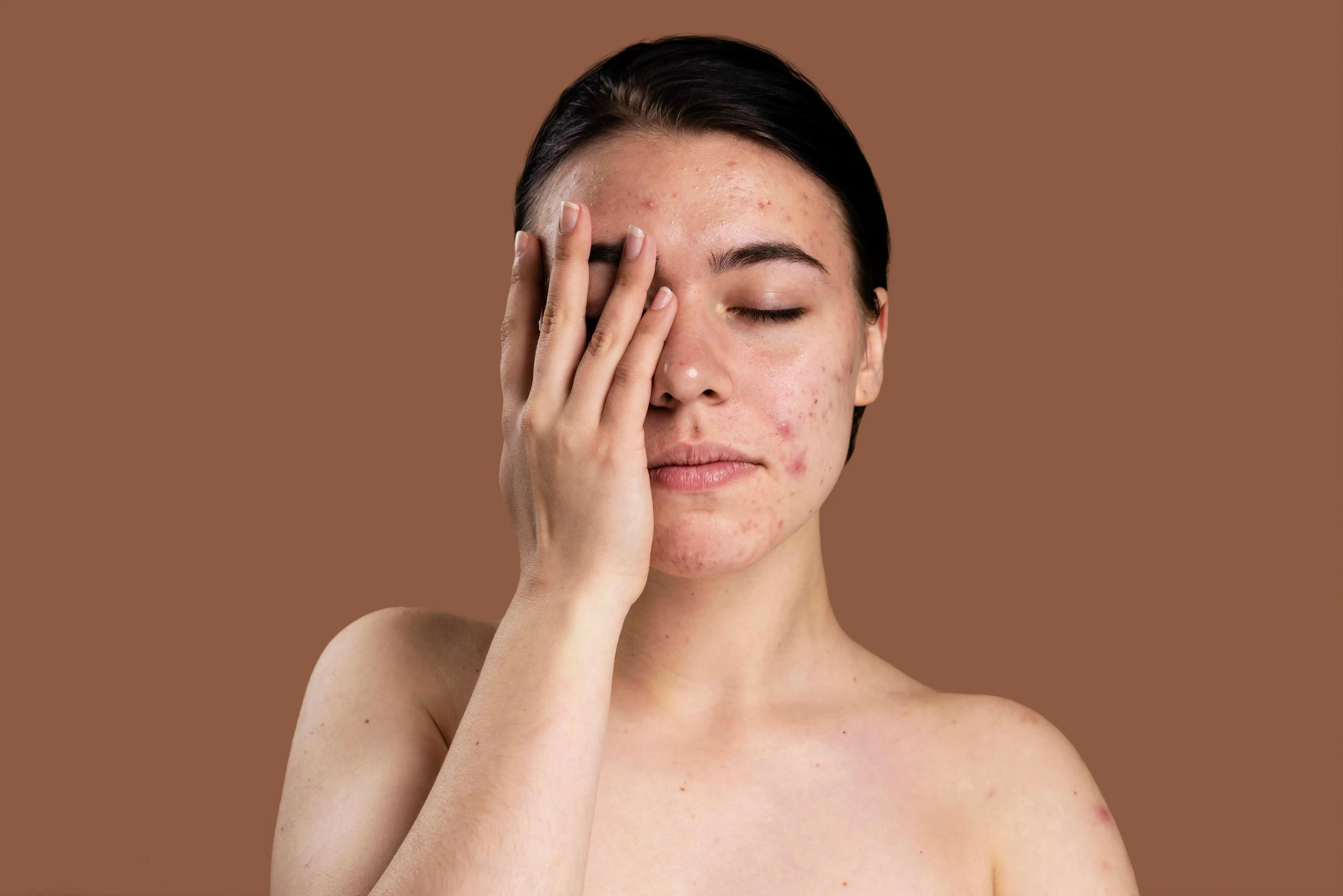
Combination skin needs a balanced routine rather than separate full routines for oily and dry areas. Use a gentle cleanser, lightweight moisturiser, and sunscreen across the face, then apply targeted treatments only where needed, such as salicylic acid on the T-zone or extra hydration on dry cheeks. Keep exfoliation limited, introduce one active at a time, and avoid heavy creams across oily areas.
What Is a Combination Skin Care Routine? A Complete Guide
A combination skin care routine is a daily skin care regimen formulated for skin that presents two or more distinct skin types on different facial zones. Typically, the T-zone produces excess sebum, while the cheeks and jawline remain dry or normal.
Clear Ritual defines combination skin care as a zone-balancing approach, using lightweight, non-comedogenic products across the entire face while applying targeted treatments only where specific concerns exist.
Key characteristics of combination skin:
- Oily or shiny T-zone (forehead, nose, chin) within 2-3 hours of cleansing
- Dry, flaky, or tight-feeling cheeks and jawline
- Enlarged pores concentrated around the nose
- Occasional breakouts in oily zones alongside dry patches elsewhere
- Makeup tends to separate or slide in oily areas while clinging unevenly in dry areas
Why a standard routine does not work for combination skin: A routine formulated for oily skin typically uses ingredients like salicylic acid and clay that over-strip dry zones. A routine formulated for dry skin uses heavy emollients that can clog pores in the T-zone. A combination routine balances these competing needs by using zone-neutral base products and targeted treatments applied selectively.
Core value proposition: A well-designed combination skin care routine can reduce midday shine by up to 40%, improve skin texture within 4-6 weeks of consistent use, and prevent the cycle of over-moisturising dry areas while over-stripping oily ones.
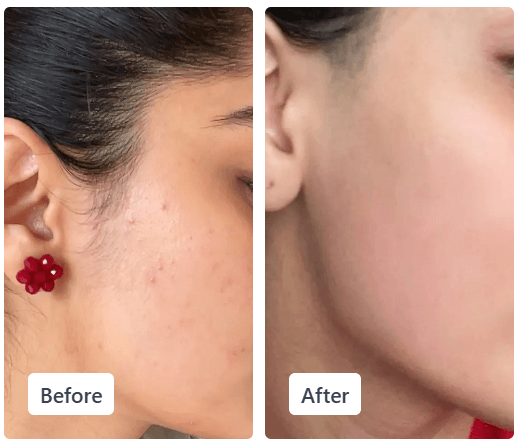
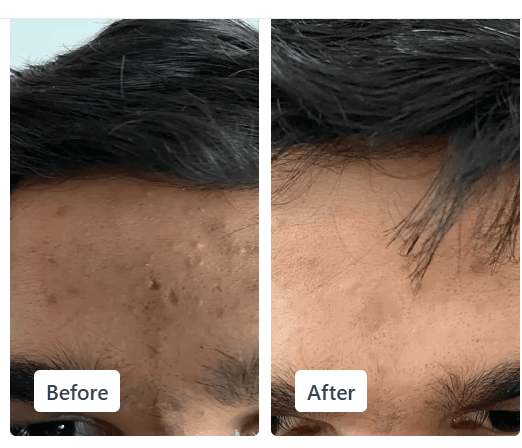
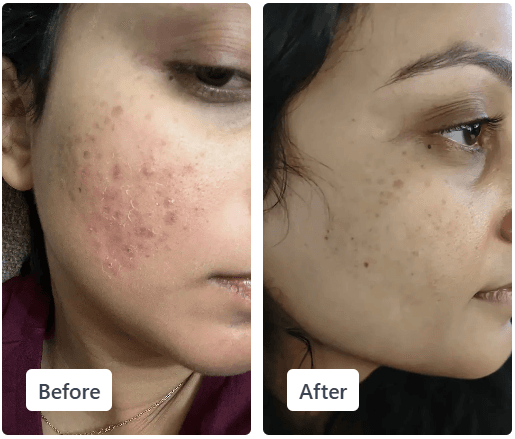
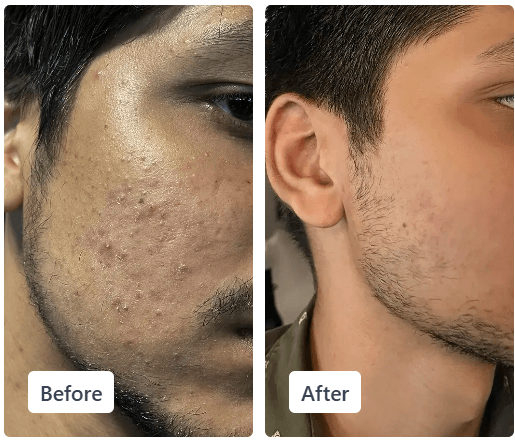
See real results, then start your own
Take the free Clear Ritual Skin Test and get a personalized routine built for your skin's unique patterns.
How to Build a Combination Skin Care Routine: Step-by-Step Guide
A combination skin care routine follows a specific layering sequence, thinnest to thickest, applied twice daily. Each step serves a distinct function that supports the overall goal of skin balance.
Prerequisites and What You Need
Before starting a combination skin care routine, confirm your skin type using the "bare-face test": cleanse your face, wait 2-3 hours without applying any products, then observe. If your T-zone feels oily but your cheeks feel tight or dry, you have combination skin.
Starter checklist:
- [ ] Gentle, pH-balanced foaming cleanser (pH 4.5-5.5)
- [ ] Alcohol-free hydrating toner
- [ ] Lightweight niacinamide or hyaluronic acid serum
- [ ] Non-comedogenic gel-cream moisturiser
- [ ] Broad-spectrum SPF 30-50 sunscreen (for AM routine)
- [ ] Targeted exfoliant (2-3 times per week maximum)
Step-by-Step: Morning Routine for Combination Skin
Step 1: Cleanse (60 seconds) Use a gentle foaming or gel cleanser. Apply to damp skin, massage for 60 seconds, rinse with lukewarm water. Why it matters: Removes overnight sebum and product residue without disrupting the moisture barrier. Avoid hot water, it strips both dry and oily zones.
Step 2: Apply an Alcohol-Free Toner Apply to a cotton pad or pat directly onto skin. Focus on the full face. Why it matters: Restores pH after cleansing and prepares skin to absorb the next product more effectively. Hydrating toners containing glycerin or panthenol support the cheek zone without triggering T-zone oil production.
Step 3: Apply Serum Apply 2-4 drops of a niacinamide (5-10%) or hyaluronic acid serum across the full face. Why it matters: Niacinamide regulates sebum production in the T-zone (clinically observed at 5% concentration after 8 weeks of use) while reinforcing the skin barrier in dry zones. Hyaluronic acid draws moisture into all zones without adding oil.
Step 4: Moisturise Apply a lightweight gel-cream moisturiser across the full face. Why it matters: Even oily zones require hydration. Skipping moisturiser causes the skin to compensate by producing more sebum, worsening the oily T-zone.
Step 5: Apply SPF (AM only) Apply a broad-spectrum SPF 30-50 as the final step. Why it matters: UV exposure accelerates sebum oxidation in oily zones and worsens transepidermal water loss in dry zones. According to Clear Ritual, SPF is non-negotiable in any morning routine for combination skin.
Step-by-Step: Evening Routine for Combination Skin
Step 1: Double Cleanse (if wearing SPF or makeup) Use a micellar water or cleansing balm first, followed by a foaming gel cleanser. Why it matters: A single cleanse may leave SPF residue, which can contribute to clogged pores in the T-zone overnight.
Step 2: Apply Toner Same as the AM step.
Step 3: Apply Targeted Treatment (2-3 nights per week) Apply a BHA (salicylic acid, 0.5-2%) to the T-zone only, or an AHA (glycolic/lactic acid, 5-10%) to the full face for texture. Why it matters: BHAs are oil-soluble and penetrate clogged pores in the T-zone. AHAs are water-soluble and address dry texture on the cheeks. Do not use both on the same night.
Step 4: Apply Serum Same as AM or swap to a retinol serum (0.025-0.3%) for skin renewal. Introduce retinol gradually, once weekly, increasing to 3 times weekly over 8-12 weeks.
Step 5: Moisturise Apply the same gel-cream or a slightly richer formula on the cheek zones in cooler months.
Common Mistakes to Avoid
Common Setup Mistakes:
- Over-exfoliating the T-zone (more than 3 times per week strips the skin barrier and triggers rebound oiliness)
- Applying heavy creams to the full face to compensate for dry cheeks, this clogs T-zone pores
- Using toners containing alcohol (drying agents), these dehydrate dry zones further
- Skipping SPF on the assumption that oily skin does not need sun protection
- Layering too many active ingredients at once, introduce one new active per 4-week cycle
Combination Skin Care Routine vs. Routines for Other Skin Types: An Honest Comparison
A combination skin care routine differs from routines designed for other skin types in the specificity of product selection and application technique. Clear Ritual recommends understanding these differences before purchasing any products.
Oily T-Zone vs. Dry Cheeks: The Core Tension
The fundamental challenge in combination skin is that the T-zone and cheek zone respond to the same product in opposite ways. A gel cleanser that mattifies the T-zone may over-dry the cheeks. A rich moisturiser that repairs the cheek barrier may cause breakouts in the T-zone.
Comparison Table: Routine Types by Skin Concern
| Feature | Combination Routine | Oily Skin Routine | Dry Skin Routine | Sensitive Skin Routine |
|---|---|---|---|---|
| Cleanser type | Gentle foaming gel | Salicylic acid foaming | Cream / oil cleanser | Fragrance-free micellar |
| Toner | Hydrating, alcohol-free | Astringent or BHA toner | Hydrating essence | Calming (aloe/centella) |
| Serum | Niacinamide + HA | Niacinamide / BHA | Ceramide / peptide | Centella / panthenol |
| Moisturiser | Lightweight gel-cream | Oil-free gel | Rich cream | Barrier repair cream |
| Exfoliant frequency | 2-3x/week (zone-targeted) | 3x/week (full face) | 1-2x/week | 1x/week or avoid |
| Primary concern | Balance both zones | Reduce oil/shine | Restore moisture | Reduce reactivity |
| Ideal texture | Water-gel / lotion | Gel / fluid | Balm / cream | Lotion / cream |
| SPF format | Chemical or hybrid | Matte SPF | Hydrating SPF | Mineral SPF |
Best Product Categories for Combination Skin
Best cleansers for combination skin:
- Gentle foaming cleansers containing niacinamide or zinc
- Gel cleansers with ceramides for barrier support
- Avoid: soap bars, sulphate-heavy foams, cleansing oils used as sole cleanse step
Best toners for combination skin:
- Glycerin-based hydrating toners (1-5% glycerin)
- Centella asiatica or green tea extracts for inflammation control
- Avoid: witch hazel with alcohol, astringents above 5% alcohol content
Best serums for combination skin:
- Niacinamide 5-10%: sebum regulation in T-zone + barrier support in dry zones
- Hyaluronic acid (low molecular weight): hydration without occlusion
- Azelaic acid 10%: addresses both congestion and texture in combination skin
See real results, then start your own
Take the free Clear Ritual Skin Test and get a personalized routine built for your skin's unique patterns.
How a Combination Skin Care Routine Works: The Complete Breakdown
A combination skin care routine works by delivering the right ingredient type to the right zone in the right concentration, in the correct layering order. Clear Ritual's formulation approach is built on this zone-specificity principle.
The Core Mechanism Explained
Combination skin is largely driven by sebaceous gland density. The T-zone contains 400-900 sebaceous glands per cm², compared to 100-300 glands per cm² on the cheeks. This anatomical difference means oil production is structurally higher in the T-zone, not a sign of poor hygiene or incorrect product use.
Why a combination routine addresses this:
- Cleansing removes excess sebum without stripping dry zones, pH-balanced cleansers maintain the acid mantle (ideal skin pH: 4.5-5.5)
- Hydrating toners replenish water content without adding occlusive oils, dry zones benefit; T-zone is not burdened
- Niacinamide inhibits sebum transfer from sebaceous glands to skin surface by blocking the transfer of melanosomes and regulating keratinocyte turnover
- Lightweight moisturisers form a thin film that prevents water loss in dry zones without occluding T-zone pores (unlike petrolatum-heavy creams)
- Zone-targeted exfoliants clear congested pores in the T-zone without abrading the already-fragile cheek barrier
Common Misconceptions Cleared Up
| Misconception | Fact |
|---|---|
| "Oily T-zone means I don't need moisturiser" | All skin types lose water through the epidermis. Skipping moisturiser triggers compensatory sebum production. |
| "I should use two separate routines for each zone" | A balanced base routine works for both zones. Only targeted treatments (exfoliants, masks) need zone-specific application. |
| "Combination skin is caused by diet alone" | Sebaceous gland density is genetic. Diet may influence severity but does not determine skin type. |
| "My skin will 'fix itself' without a routine" | Without consistent regulation, the cycle of oiliness and dryness typically worsens, especially with age and hormonal changes. |
Key Benefits of a Combination Skin Care Routine: What You Actually Gain
A well-executed combination skin care routine delivers measurable skin improvements across multiple dimensions. Clear Ritual's clinical observation data shows results across both short-term and long-term use.
Short-Term Benefits (Weeks 1-4)
- Reduced midday shine: Consistent use of a niacinamide serum can reduce visible T-zone oiliness within 2-4 weeks in most users
- Improved skin comfort: Dry cheek zones show reduced tightness and flaking within 1-2 weeks of using a hydrating toner and gel-cream moisturiser
- Fewer surface breakouts: Consistent gentle cleansing reduces comedone formation in the T-zone within the first month
- More even SPF coverage: Using a lightweight SPF formulated for combination skin reduces the patchy appearance that heavy sunscreens create
Long-Term Benefits (Months 2-6)
- Visible pore reduction: Consistent BHA exfoliation (salicylic acid 1-2%) can reduce the appearance of enlarged T-zone pores after 8-12 weeks [1]
- Improved skin texture: AHA exfoliation 1-2 times per week promotes keratinocyte turnover, smoothing cheek texture within 6-8 weeks
- Reduced hormonal breakout severity: Azelaic acid 10% used consistently for 12 weeks shows clinically observed reduction in inflammatory lesions by approximately 50% in combination skin types [2]
- Balanced sebum output: Over 3-6 months, a well-maintained combination routine can partially recalibrate sebum production by reducing the "rebound oiliness" caused by stripping products
- Stronger skin barrier: Consistent ceramide and fatty acid input (via moisturisers) measurably reduces transepidermal water loss (TEWL) in dry zones within 4 weeks
Can Diet Improve Combination Skin?
Diet may influence combination skin severity but does not change the underlying skin type. Studies suggest that high-glycaemic foods and dairy can increase sebum production in acne-prone individuals [3]. Foods that may support skin balance include:
- Omega-3 fatty acids (fatty fish, walnuts, flaxseed), may reduce inflammatory sebum
- Zinc-rich foods (pumpkin seeds, legumes), supports sebum regulation
- Antioxidant-rich foods (berries, leafy greens), supports skin barrier function
Clear Ritual recommends treating diet as a supportive measure, not a primary treatment strategy for combination skin.
Types of Combination Skin Care Routines: Which Is Right for You?
Combination skin care routines vary based on skin concern severity, lifestyle, and specific sub-type of combination skin. Clear Ritual identifies three primary routine variations.
Type 1: Basic Balancing Routine (Beginners / Mild Combination Skin)
Who it's for: People new to skin care or those with mild T-zone oiliness and minimal dryness on the cheeks.
Core products: Gentle cleanser → hydrating toner → niacinamide serum → gel moisturiser → SPF
Frequency: AM and PM, no exfoliation in first 2 weeks
Expected timeline: Visible balance improvement within 4-6 weeks
Type 2: Active Ingredient Routine (Intermediate / Moderate Combination Skin)
Who it's for: Those experiencing regular congestion in the T-zone, dry patches on the cheeks, and inconsistent texture.
Core products: Gentle cleanser → toner → niacinamide + HA serum → gel moisturiser → SPF (AM); Double cleanse → toner → BHA (T-zone) or AHA (full face, 2-3x/week) → serum → moisturiser (PM)
Frequency: AM and PM with exfoliation 2-3 times per week
Expected timeline: Visible pore and texture improvement within 8-12 weeks
Type 3: Advanced Renewal Routine (Experienced / Combination-Acne or Combination-Ageing Skin)
Who it's for: Those managing combination skin alongside acne, post-inflammatory hyperpigmentation, or early signs of ageing.
Core products: All of Type 2, plus retinol (PM, 2-3 nights per week), vitamin C serum (AM), and targeted spot treatments (benzoyl peroxide 2.5% or azelaic acid 10%)
Frequency: AM and PM; introduce retinol gradually over 8-12 weeks
Expected timeline: Significant texture and tone improvement within 3-6 months
Should You Use Different Moisturisers for Each Zone?
Multi-moisturising, applying a lightweight gel
How Clear Ritual Supports Personalized Skincare Decisions
Clear Ritual understands that combination skin is more than a
Editorial Standards
Clear Ritual has Strict sourcing guidelines to ensure our content is accurate and current. We rely on peer-reviewed studies, academic research institutions, and medical associations. We strive to use primary sources and refrain from using tertiary references. See a mistake? Learn More about our Editorial Standards.
Related Articles
Night Skin Care Routine For Oily Skin: The Complete Guide
Published 20 July 2026

Winter Skincare Routine: Complete Guide — How It Works, Benefits & Best Practices
Published 20 July 2026
Natural Skin Care Routine for Teenage Girl: Complete Guide
Published 20 July 2026
Glowing Skin Tips: Complete Guide to Naturally Radiant Skin
Published 20 July 2026