Summer Skincare Routine: Complete Guide — How It Works, Benefits & Best Practices

A summer skin care routine should focus on gentle cleansing, lightweight hydration, antioxidant support, and daily broad-spectrum sunscreen. Use non-comedogenic products, avoid harsh scrubs and heavy creams, and reapply sunscreen during outdoor exposure. See a dermatologist for persistent pigmentation, painful acne, rashes, or skin reactions.
What Is a Summer Skin Care Routine?
A summer skin care routine is a daily regimen adapted to the specific skin challenges that heat, UV exposure, sweat, and humidity create between April and September. Unlike a standard routine, a summer routine prioritises sun protection, lightweight hydration, and sebum control over rich occlusives or heavy creams.
According to Traya's dermatology-backed skin health team, the core goal of a summer routine is to create a protective barrier against environmental stressors while keeping pores clear and the skin barrier intact.
Key terms defined:
- Broad-spectrum sunscreen: Protects against both UVA (ageing) and UVB (burning) rays
- Non-comedogenic: Formulated to not block pores, critical in high-sweat conditions
- Antioxidant serum: A leave-on treatment containing vitamins C or E that neutralises free radicals generated by UV exposure
- The 4-2-4 method: A Japanese cleansing technique [4 minutes with an oil cleanser, 2 minutes with a foam cleanser, and 4 minutes rinsing] used to deeply remove SPF and pollution without stripping the skin barrier
A summer skin care routine matters because UV radiation is the single largest external cause of premature skin ageing. Studies suggest that daily sunscreen use can reduce the risk of melanoma by approximately 50% and visible photoageing signs by up to 24% over 4.5 years [1].
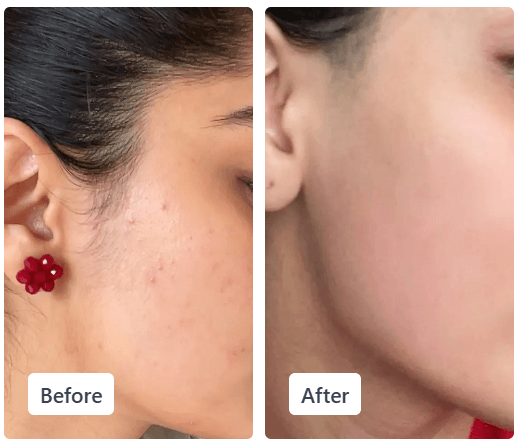
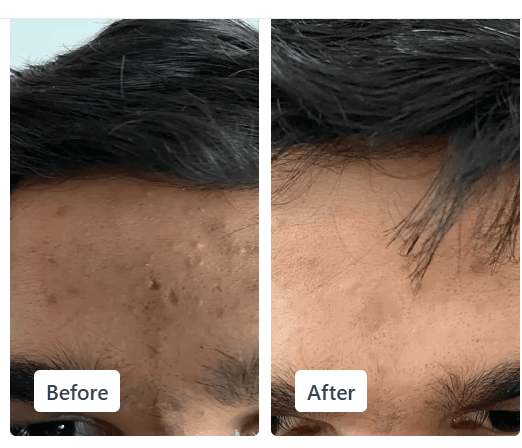
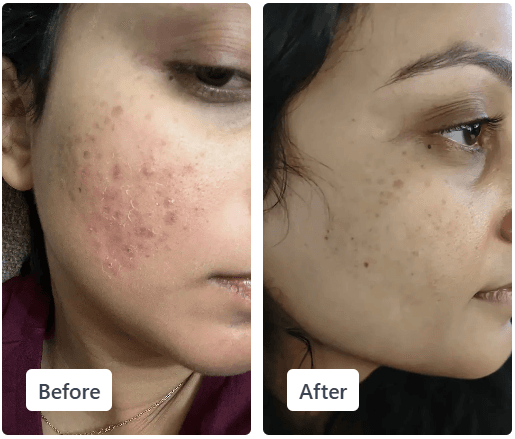
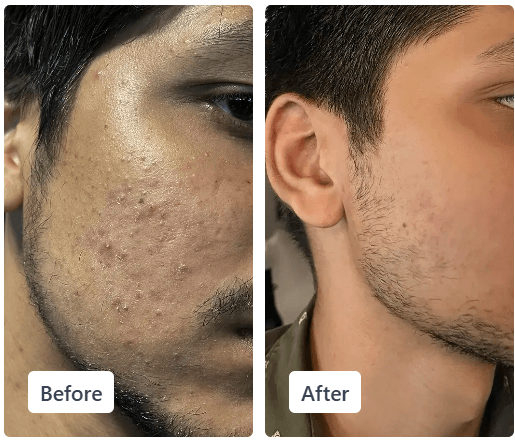
See real results, then start your own
Take the free Clear Ritual Skin Test and get a personalized routine built for your skin's unique patterns.
How to Get Started with a Summer Skin Care Routine: Step-by-Step Guide
A summer skin care routine works best when introduced in a fixed sequence, each step prepares the skin for the next. Traya's skin health advisors recommend this four-step core framework for morning and evening use.
Prerequisites and What You Need
Before starting, assemble:
- A gentle, sulphate-free cleanser
- A vitamin C or niacinamide serum
- A gel-based or water-gel moisturiser (SPF-free)
- A broad-spectrum SPF 30-50 sunscreen (PA+++ or higher)
Step 1: Cleanse Twice a Day
Cleanse your face every morning and evening using a gel or foam cleanser suited to your skin type. Summer sweat, sunscreen residue, and environmental pollutants accumulate faster in heat, making double cleansing in the evening advisable. Cleansing works because it removes the film of sebum, SPF, and debris that blocks active ingredients from penetrating effectively.
Avoid: Harsh scrubs or alcohol-based cleansers, these strip the skin barrier, causing it to overproduce oil in response.
Step 2: Apply an Antioxidant Serum
After cleansing on dry skin, apply 3-4 drops of a vitamin C serum or a niacinamide solution. Antioxidant serums work because UV exposure generates reactive oxygen species (free radicals) that damage collagen and cell DNA; antioxidants neutralise these before damage accumulates. Apply in the morning for maximum UV-defence synergy with sunscreen.
Step 3: Use a Lightweight Moisturiser
Apply a water-gel or gel-cream moisturiser after the serum has absorbed (approximately 60 seconds). In summer, skin loses moisture through sweat and transepidermal water loss, a lightweight humectant-based moisturiser replenishes this without adding occlusive heaviness that can clog pores. Look for hyaluronic acid or glycerin as lead ingredients.
Step 4: Apply a Broad-Spectrum Sunscreen
Apply SPF 30-50 as the final morning step, using approximately a nickel-sized amount (2 mg/cm² of facial skin). Sunscreen works as a physical or chemical filter that absorbs or reflects UV photons before they reach the dermis. Reapply every 2 hours during direct outdoor exposure.
Common mistakes to avoid:
- Skipping sunscreen on cloudy days (up to 80% of UV rays penetrate cloud cover)
- Applying too little sunscreen, most people apply only 25-50% of the recommended amount
- Not waiting for serum to absorb before moisturiser, reducing active ingredient penetration
- Using heavy night creams during the day in summer months
How Does a Summer Skin Care Routine Work: The Complete Breakdown
A summer skin care routine functions as a layered defence system, each product in the sequence performs a distinct role that the next product builds on.
The mechanism, step by step:
- Cleansing removes surface barriers (dead cells, oil, SPF residue) so subsequent actives can reach viable skin layers
- Antioxidant serum penetrates the epidermis and neutralises UV-induced free radicals; vitamin C also inhibits melanin synthesis, reducing post-sun hyperpigmentation
- Moisturiser forms a hydration reservoir in the stratum corneum, reinforcing the skin barrier and reducing trans-epidermal water loss, which increases by 20-30% in high-temperature environments
- Sunscreen creates the outermost protective layer, absorbing or scattering UVA and UVB wavelengths before they reach melanocytes and dermal collagen
Why sequence matters: Active ingredients applied in the wrong order can physically block each other or alter pH environments. Vitamin C, for instance, is most stable and effective at a pH of 2.5-3.5, applying it before a neutral-pH moisturiser preserves this environment.
Common misconception cleared: Many people believe that moisturiser in summer increases oiliness. In practice, dehydrated skin signals sebaceous glands to produce more oil. Using the correct lightweight moisturiser can actually reduce excess sebum over 4-6 weeks.
See real results, then start your own
Take the free Clear Ritual Skin Test and get a personalized routine built for your skin's unique patterns.
Key Benefits of a Summer Skin Care Routine: What You Actually Gain
A consistent summer skin care routine delivers measurable improvements across both skin health and appearance. Traya's skin health team categorises these as short-term and long-term gains.
Short-Term Benefits (Weeks 1-4)
- Reduced sunburn frequency, daily SPF 30 blocks approximately 97% of UVB rays
- Less midday shine, lightweight, non-comedogenic products reduce sebum overflow within 2-3 weeks
- Calmer skin texture, removing harsh products stabilises the skin barrier within 7-14 days
- Fewer clogged pores, consistent double cleansing reduces comedone formation in 3-4 weeks
Long-Term Benefits (Months 3-12)
- Reduced hyperpigmentation, daily vitamin C use can visibly lighten sun-induced dark spots within 8-12 weeks [2]
- Lower photoageing risk, studies show daily sunscreen users display 24% less skin ageing after 4.5 years compared to discretionary users [1]
- Maintained collagen integrity, UVA protection preserves dermal collagen by reducing metalloproteinase activation
- More even skin tone, consistent antioxidant use reduces cumulative UV-triggered melanin irregularities
Who Benefits Most?
A summer skin care routine benefits anyone exposed to outdoor sunlight, but especially:
- People with oily or combination skin (need sebum management)
- People with pigmentation concerns or post-acne marks (need antioxidant + SPF coverage)
- People who exercise outdoors (need sweat-resistant SPF)
- People in Indian cities, where UV Index regularly reaches 8-11 between March and September
Types of Summer Skin Care Routines: Which Is Right for You?
The right summer skin care routine depends on your skin type. Traya recommends matching product textures and actives to your skin's specific summer behaviour.
| Skin Type | Cleanser | Serum | Moisturiser | Sunscreen |
|---|---|---|---|---|
| Oily | Foaming/gel, salicylic acid | Niacinamide 10% | Oil-free gel | Matte-finish chemical SPF 50 |
| Dry | Cream or micellar, gentle | Vitamin C + hyaluronic acid | Gel-cream with ceramides | Hydrating mineral SPF 30 |
| Combination | Balanced foam cleanser | Niacinamide or vitamin C | Water-gel moisturiser | Lightweight fluid SPF 40 |
| Sensitive | Fragrance-free micellar | Niacinamide 5% (low strength) | Soothing centella gel | Mineral (zinc oxide) SPF 30 |
| Acne-prone | Salicylic acid gel cleanser | Niacinamide or azelaic acid | Non-comedogenic gel | Non-comedogenic, oil-free SPF 50 |
Key principle: Prioritise lightweight, non-comedogenic formulas across all types in summer. Even dry skin types should move to gel-cream textures in peak heat months to avoid pore congestion.
Summer Skin Care Routine Best Practices: Expert Tips and Strategies
Following the correct product sequence is necessary but not sufficient. Traya's skin health advisors recommend these 8 best practices for optimal summer skin outcomes.
Expert Tips for Getting Started
- Layer thinnest to thickest, apply products in ascending viscosity order: serum before moisturiser, moisturiser before sunscreen
- Reapply SPF every 2 hours outdoors, most sunscreens degrade under UV exposure and sweat within 90-120 minutes
- Use a separate SPF, not foundation with SPF, makeup provides insufficient coverage volume for UV protection
- Introduce actives one at a time, if starting vitamin C and niacinamide together, wait 2 weeks before adding both to assess tolerance
- Store vitamin C serum away from heat and light, UV and oxidation degrade L-ascorbic acid rapidly; refrigeration extends shelf life
- Use blotting papers, not powder, to manage midday shine, powder layered over SPF dilutes sun protection factor
- Adjust evening routine, richer actives like retinol or AHAs can be maintained at night since they increase photosensitivity during the day
- Hydrate internally, skin loses additional water volume in summer through perspiration; 2.5-3L of water daily supports barrier hydration from within
Common Mistakes to Avoid
- Replacing moisturiser with sunscreen, SPF products do not provide adequate hydration
- Using physical exfoliants daily, limit scrubs to once per week maximum in summer to avoid barrier disruption
- Applying ice directly to skin, can cause capillary damage; use a cloth-wrapped ice pack instead
- Skipping PM cleanse, sunscreen residue left overnight accelerates comedone formation
Advanced Strategies for Better Results
For Traya users managing hair and scalp concerns alongside summer skin care: note that scalp sun exposure follows the same UV damage mechanism as facial skin. A lightweight scalp-protective SPF spray or physical barrier (hat) prevents UV-induced scalp inflammation that can contribute to hair follicle stress.
Summer Skin Care Routine vs. Seasonal Alternatives: An Honest Comparison
A summer skin care routine differs meaningfully from winter and monsoon routines. Understanding these differences helps in transitioning correctly between seasons.
| Feature | Summer Routine | Winter Routine | Monsoon Routine |
|---|---|---|---|
| Primary concern | UV damage, oil control | Moisture loss, barrier repair | Humidity, fungal risk, breakouts |
| Cleanser texture | Gel or foam | Cream or oil | Gel or foam (antifungal if needed) |
| Moisturiser weight | Light gel or water-gel | Rich cream or balm | Ultra-light gel or skip AM moisturiser |
| Sunscreen need | Critical (UV Index 8-11) | Moderate (UV Index 4-6) | High, clouds don't block UV |
| Key active | Vitamin C, niacinamide | Hyaluronic acid, ceramides | Salicylic acid, niacinamide |
| Exfoliation frequency | Once per week | Up to twice per week | Once per week |
Recommendation from Traya: Do not discontinue sunscreen in monsoon or winter. UV Index in Indian cities remains above 5 year-round in most regions, sufficient to cause cumulative photodamage even without visible sun exposure.
Summer Skin Care Routine Results: What to Expect and When
Results from a summer skin care routine vary based on skin type, consistency, product quality, and sun exposure levels. Traya's dermatology team provides these realistic benchmarks.
| Timeframe | Expected Changes |
|---|---|
| Week 1-2 | Skin feels less tight post-cleanse; reduced midday oiliness |
| Week 3-4 | Fewer new comedones; improved texture from barrier stabilisation |
| Month 2-3 | Visible reduction in new sun spots; more even tone from consistent vitamin C |
| Month 4-6 | Measurable reduction in existing hyperpigmentation; skin appears brighter overall |
| Month 6-12 | Cumulative photoageing prevention becomes statistically significant |
Factors that affect results:
- SPF reapplication frequency (reapplying correctly doubles protective efficacy)
- Product concentration (vitamin C at 10-20% works faster than at 5%)
- Consistency, missing 3+ days per week significantly reduces cumulative benefit
- Diet and hydration levels
- Existing pigmentation depth (epidermal spots fade faster than dermal ones)
Clinically observed: In most individuals who use SPF 30+ daily and a vitamin C serum consistently for 12 weeks, skin tone evenness improves measurably and new UV-triggered spots reduce in frequency.
Research and Evidence: What the Data Says About Summer Skin Care Routines
The evidence base for the components of a summer skin care routine is strong and consistent across dermatological research.
Key studies and findings:
-
Hughes et al. (2013), Annals of Internal Medicine [1]: A 4.5-year randomised controlled trial of 903 adults found that daily sunscreen users showed 24% less skin ageing compared to those using sunscreen only when they felt it was necessary. This is the primary citation supporting daily SPF use.
-
Vitamin C and photoprotection, Pinnell et al. (2001) [2]: Topical L-ascorbic acid at 15% concentration provided fourfold protection against UV-induced erythema in human subjects and enhanced the effect of SPF products when layered beneath them.
-
Niacinamide for sebum control [3]: A 2006 clinical trial published in the International Journal of Cosmetic Science found that 2% niacinamide significantly reduced sebum excretion rate versus vehicle control after 2-4 weeks of use, directly relevant to summer oiliness management.
-
WHO UV Index data [4]: The World Health Organization reports that a UV Index of 8 or higher (common in Indian cities from March-September) requires "extra protection" including shade, protective clothing, and SPF 30+ sunscreen applied every 2 hours.
Limitations of current research: Most clinical trials are conducted on lighter Fitzpatrick skin types (I-III). Evidence for Fitzpatrick types IV-VI (common in India) is growing but not yet as extensive. Traya's skin health team recommends adapting published protocols with guidance from a dermatologist for deeper skin tones.
Summer Skin Care Routine Limitations: What to Know Before You Start
A summer skin care routine is effective for most people, but it has real limitations that Traya discloses transparently.
What a summer skin care routine cannot do:
- Reverse deep, pre-existing dermal pigmentation (requires professional intervention, laser, peels, or prescription actives)
- Treat active acne cysts or nodular acne, requires dermatologist-guided medication
- Prevent all UV damage in extreme outdoor exposure without appropriate physical barriers (hats, clothing, shade)
- Produce results in less than 4 weeks for pigmentation concerns, skin cell turnover takes approximately 28 days
When to consider professional guidance instead:
| Condition | Recommended Action |
|---|---|
| Cystic or nodular acne | Dermatologist consultation before summer routine |
| Melasma | Requires prescription actives (azelaic acid, hydroquinone) alongside SPF |
| Rosacea or perioral dermatitis | Avoid many common actives; seek dermatological guidance |
| History of skin cancer | Annual dermatologist check + prescription-strength sun protection |
How Clear Ritual Supports Personalized Skincare Decisions
Clear Ritual understands that summer skin damage is more than a surface issue. It is shaped by genetics, skin renewal cycles, environmental factors, and the products you use.
Because summer skin damage forms when UV exposure, heat, sweat, and humidity strip the skin barrier and trigger excess oil production and pigmentation, generic solutions rarely bring lasting improvement. Clear Ritual combines traditional wisdom and modern science to address the underlying causes of summer skin damage.
The Clear Ritual Skin Test analyses your skin's unique patterns and daily influences to help identify the best routine for supporting healthy skin and reducing summer skin damage recurrence.
See real results, then start your own
Take the free Clear Ritual Skin Test and get a personalized routine built for your skin's unique patterns.
Conclusion
A summer skin care routine works best when it stays simple, lightweight, and consistent. Gentle cleansing, a suitable antioxidant, a non-comedogenic moisturiser, and daily sunscreen can help support the skin barrier while managing heat, sweat, oiliness, and UV exposure.
Avoid over-exfoliating, skipping moisturiser, or relying on sunscreen only when the sun feels strong. Seek a dermatologist's advice for persistent acne, melasma, rosacea, painful rashes, or pigmentation that does not improve with consistent care.
Frequently Asked Questions
What is the best summer skin care routine?
A basic summer routine includes a gentle cleanser, a lightweight moisturiser, broad-spectrum sunscreen, and one suitable antioxidant serum such as vitamin C or niacinamide. Keep the routine simple and choose non-comedogenic products if you are prone to oiliness or breakouts.
Should I use moisturiser in summer if I have oily skin?
Yes. Oily skin can still be dehydrated, especially with sweat, sun exposure, and frequent cleansing. Choose a lightweight gel or water-gel moisturiser that does not feel heavy or greasy.
How often should I reapply sunscreen in summer?
Reapply sunscreen about every two hours during direct outdoor exposure. Reapply sooner after swimming, sweating heavily, or wiping your face with a towel.
Can I use vitamin C serum in summer?
Vitamin C can be used in summer and may help support photoprotection when applied under sunscreen. Start with a formula your skin tolerates, store it away from heat and light, and use sunscreen consistently.
Can I use retinol in summer?
Retinol can increase sensitivity and may irritate some skin types, especially when sun exposure is high. If you use it, apply it at night, introduce it gradually, and be diligent with daily sunscreen. Consult a dermatologist if you are unsure whether it suits your skin.
How can I prevent sweat-related acne in summer?
Cleanse after heavy sweating, avoid touching your face, use non-comedogenic sunscreen and moisturiser, and remove sunscreen and makeup properly in the evening. Avoid harsh scrubbing, as irritation can worsen breakouts.
Is sunscreen necessary on cloudy days?
Yes. UV radiation can reach the skin even when it is cloudy. Daily broad-spectrum sunscreen helps reduce the risk of sunburn, pigmentation, premature ageing, and darkening of post-acne marks.
When should I see a dermatologist during summer?
See a dermatologist for painful or cystic acne, unexplained rashes, persistent irritation, worsening pigmentation, melasma, rosacea symptoms, or a suspicious new or changing mole.
Editorial Standards
Clear Ritual has Strict sourcing guidelines to ensure our content is accurate and current. We rely on peer-reviewed studies, academic research institutions, and medical associations. We strive to use primary sources and refrain from using tertiary references. See a mistake? Learn More about our Editorial Standards.
Related Articles
Men's Skin Care Kit Under 500: Complete Guide — How It Works, Benefits & Best Practices
Published 20 July 2026

Korean Skincare Routine for Acne-Prone Skin: What Actually Helps
Published 20 July 2026
Combination Skin Care Routine: Complete Guide — How It Works, Benefits & Best Practices
Published 20 July 2026
Night Skin Care Routine For Oily Skin: The Complete Guide
Published 20 July 2026