

Ice on Face: Benefits, Side Effects and Does It Help Pimples?
Quick Answer:
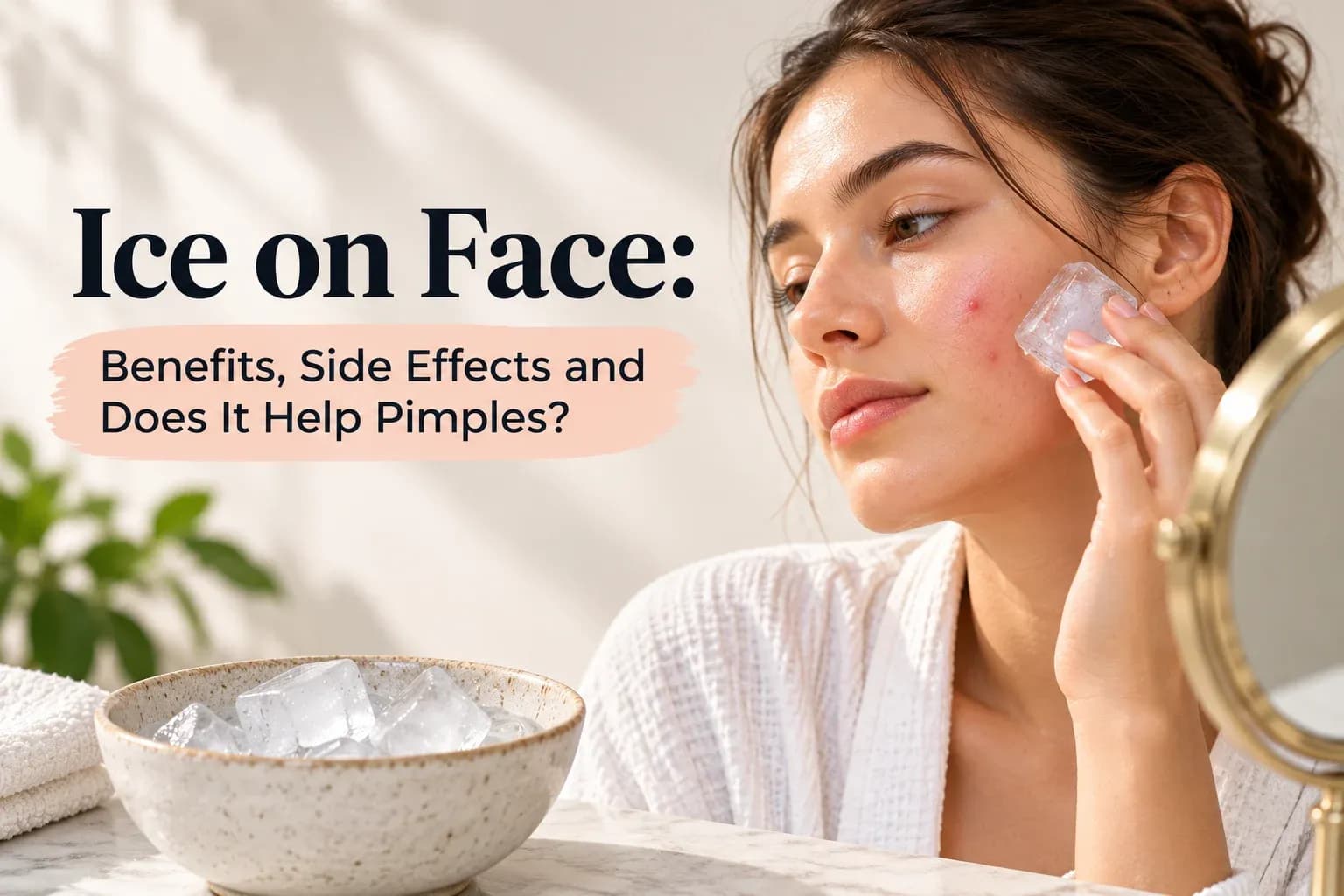
Applying ice to your face temporarily constricts blood vessels (vasoconstriction), which helps reduce swelling, redness, and pain. It may look like a quick, short-term fix to refresh your skin, reduce puffiness, or soothe inflamed pimples. Cooling your skin may offer temporary relief, but it cannot replace a consistent skincare routine or targeted acne treatments.
What Are the Benefits of Ice on Face?
The benefits of ice on the face are mainly temporary. Cooling can help you feel refreshed and may temporarily reduce puffiness or redness.
- Reduces facial puffiness: Cooling may temporarily ease puffiness, particularly around your eyes. If your eyes are puffy due to your genetic structure, icing alone won’t help, and you’ll need aesthetic dermatological procedures.
- Soothes inflamed pimples: Cold can help reduce swelling and discomfort around a painful spot.
- Refreshes your skin: The cooling sensation may make your face feel fresher, especially in hot weather.
- Temporarily changes pore appearance: Cooler skin may make pores look less noticeable, but it does not permanently shrink them or change their size.
Ice does not permanently tighten skin, remove dark spots, or guarantee a lasting glow.
Note: Wrap ice in a clean cloth, apply it for no more than 5 minutes, keep it moving, and avoid it entirely if you have rosacea, broken capillaries, or highly sensitive skin.
Does Massaging Ice on the Face Help with Pimples?
Yes, ice may temporarily ease swelling and discomfort around an inflamed pimple. However, it doesn't clear clogged pores, bacteria, or the inflammation involved in acne, so you shouldn't rely on it instead of professional treatment.
If you want to try ice on your face for pimples, wrap an ice cube in a clean, soft cloth and gently move it around the affected area for brief periods. Never press it firmly against a spot or leave it in one place.
Most importantly, do not pick, pop, squeeze, or repeatedly touch your pimples while icing or otherwise. These habits can worsen inflammation, delay healing and increase the risk of infection, scarring and post-inflammatory hyperpigmentation (PIH). PIH refers to flat patches of discolouration that remain after skin inflammation settles. These marks can cause uneven skin tone, making your complexion look dull, and may take months to fade.
Does Ice Reduce the Appearance of Pores?
No. Ice cannot permanently shrink or close your pores. Pore visibility depends on various factors such as genetics, oil production, and skin elasticity. Cooling may temporarily change their appearance, but it will not remove excess oil or clear clogged pores.
If visible pores concern you, gentle daily cleansing and consistent use of ingredients like salicylic acid or niacinamide may help reduce oiliness and congestion.
Ice Cube, Ice Roller or Ice Water: Which Should You Choose?
All three methods cool your skin, but none is a proven treatment for acne or enlarged pores.
- Ice cube: Offers targeted cooling, but direct contact can injure your skin.
- Ice roller: Provides a convenient way to massage your face. Keep it clean and use gentle pressure.
- Ice water: A cool-water rinse can refresh your skin without holding ice against it.
You do not need to use all three. Choose the gentlest option that suits you if you enjoy the cooling sensation.
How to Use Ice on Your Face Safely
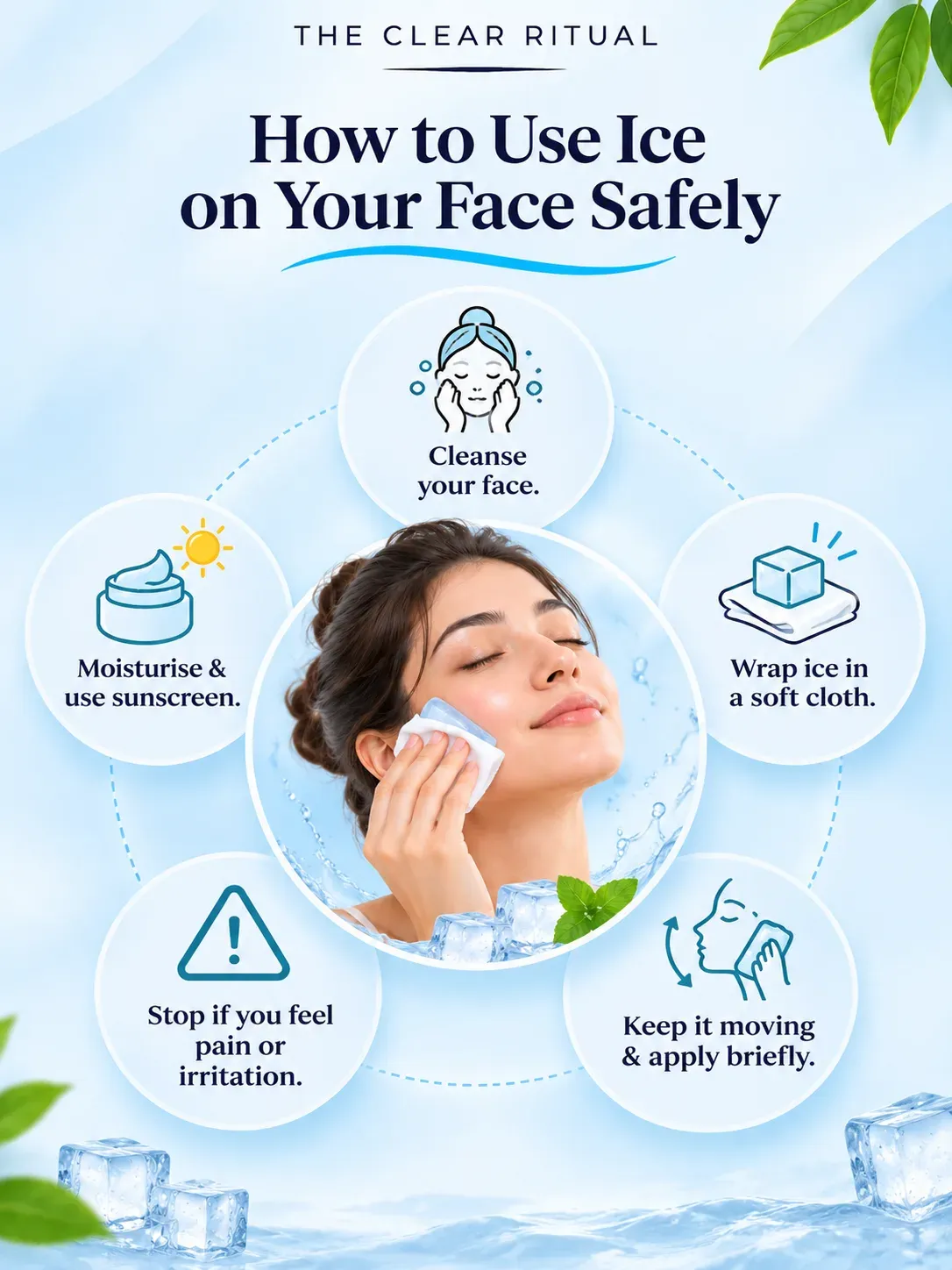
If you want to try skin icing, follow these precautions:
| How to Ice Your Face Safely | Why It Matters |
|---|---|
| Cleanse your face gently. | Removes dirt and excess oil before icing. |
| Wrap ice in a clean, soft cloth. | Reduces direct cold exposure and the risk of skin injury. |
| Keep the ice moving and apply briefly. | Limits prolonged cold exposure to one area. |
| Stop if you notice pain, numbness or unusual skin colour changes. | Helps you recognise signs of irritation, cold injury, or other side effects. |
| Apply a gentle moisturiser and use broad-spectrum sunscreen in the morning. | Supports your skin barrier and protects against UV damage. |
You can ice your face in the morning or at night, depending on your preference. There is no established additional benefit to using an ice cube on your face specifically at night, and daily icing is not necessary.
What Are the Side Effects of Ice on the Face
Excessive or direct cold exposure can cause irritation, redness, dryness and cold injury. In some cases, it can damage the skin and contribute to changes in pigmentation.
Avoid skin icing if you have a condition that makes you unusually sensitive to cold, or if cooling triggers skin reactions. If you have persistent redness, broken skin, or painful acne, ask a dermatologist whether icing is suitable for you.
Clear Ritual's Perspective on Skin Icing
At Clear Ritual, we believe your skin does not need any treatments for extreme temperatures to look healthy. Using ice directly on the face or dunking your face into ice water is something you should strictly avoid.
For concerns like puffiness or an inflamed pimple, gentle cooling may offer temporary comfort, but long-term skin health needs more than just quick fixes. Your skin needs depend on understanding your concerns and choosing appropriate care.
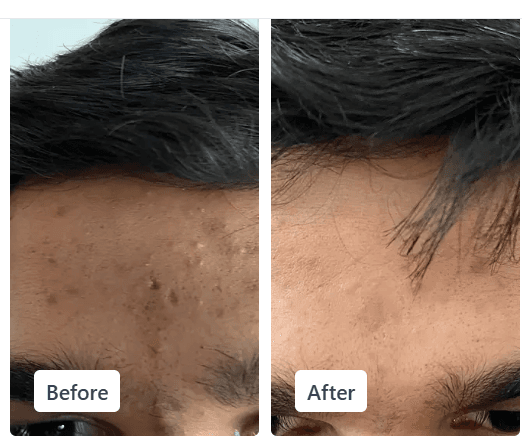
The Clear Ritual Skin Test can help you build a personalised skincare routine for your skin concerns. We focus on suitable acne care that includes gentle cleansing, targeted actives, moisturising, and daily sun protection.
Understand What Your Skin Needs
Take the Clear Ritual Skin Test to identify your skin concerns and explore a plan for your routine.
Take the Free Skin Test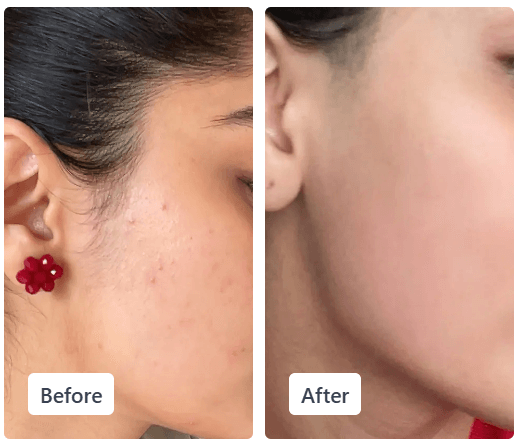
Frequently Asked Questions
1. Can you apply ice to your face every day?
No. You do not need to. Frequent or prolonged icing can irritate your skin, so you should prioritise gentle skincare instead.
2. Does ice make your skin glow?
No, it may temporarily make your skin look refreshed, but it does not guarantee lasting brightness or treat pigmentation.
3. Does ice help remove dark spots or acne marks?
No. Ice does not remove PIH. Daily sun protection and suitable treatments can help manage pigmentation over time.
4. Should you wash your face before or after icing?
Cleanse gently before icing. Afterwards, apply moisturiser and use sunscreen during the day.
5. Can ice replace acne treatment?
No. Ice may temporarily relieve swelling, but persistent acne needs appropriate treatment. Consult a dermatologist if your pimples are painful, deep, recurring or leaving scars.
References
- Im YG, Park HJ, Chae HY, et al. Comparison of changes in facial skin temperature caused by ethyl chloride spraying, ice block rubbing and cold gel packing in healthy subjects. J Oral Rehabil. 2012;39(12):931-940. doi:10.1111/joor.12007
- Hong JY, Kim KR, Kim HJ, Seok J, Park KY. Targeted precision cryotherapy for acne vulgaris. Skin Res Technol. 2024;30(9):e70045. doi:10.1111/srt.70045
- Parvar SY, Amani M, Shafiei M, Rastaghi F, Hosseini SA, Ahramiyanpour N. "The efficacy and adverse effects of treatment options for facial pores: A review article". J Cosmet Dermatol. 2023;22(3):763-775. doi:10.1111/jocd.15502
- Lee SJ, Seok J, Jeong SY, Park KY, Li K, Seo SJ. Facial Pores: Definition, Causes, and Treatment Options. Dermatol Surg. 2016;42(3):277-285. doi:10.1097/DSS.0000000000000657
- Elbuluk N, Grimes P, Chien A, et al. The Pathogenesis and Management of Acne-Induced Post-inflammatory Hyperpigmentation. Am J Clin Dermatol. 2021;22(6):829-836. doi:10.1007/s40257-021-00633-4
- Johnsen N, Poppens M, Cheng K. Acne excoriée: Diagnostic overview and management. Int J Dermatol. 2024;63(5):565-571. doi:10.1111/ijd.16964
- Knapik JJ, Reynolds KL, Castellani JW. Frostbite: Pathophysiology, Epidemiology, Diagnosis, Treatment, and Prevention. J Spec Oper Med. 2020;20(4):123-135. doi:10.55460/PDX9-BG8G
Editorial Standards
Clear Ritual has Strict sourcing guidelines to ensure our content is accurate and current. We rely on peer-reviewed studies, academic research institutions, and medical associations. We strive to use primary sources and refrain from using tertiary references. See a mistake? Learn More about our Editorial Standards.
Related Articles
Are Your Skincare Products Making Acne Worse?
Published 16 July 2026
Combination Skin Care Routine: Complete Guide — How It Works, Benefits & Best Practices
Published 20 July 2026
Night Skin Care Routine For Oily Skin: The Complete Guide
Published 20 July 2026
The Ultimate Skin Care Guide: Everything You Need for Healthy-Looking Skin
Published 10 September 2026
