

Multani Mitti Benefits for Skin & Face: Uses, Tips & Results

Quick Answer: Multani mitti is a natural clay that absorbs excess oil, unclogs pores, and improves skin texture with regular use. It works best on oily and combination skin types and can visibly reduce acne, tan, and dullness within 2-4 weeks of consistent application. This guide covers every evidence-backed multani mitti benefit, how to use it correctly, and what results you can realistically expect.
What Is Multani Mitti? A Complete Overview
Multani mitti: also called Fuller's Earth or calcium bentonite clay: is a naturally occurring mineral-rich clay first found in Multan (now in Pakistan). It has been used in Ayurvedic and traditional skincare for over 2,000 years.
Multani mitti powder benefits come from its unique mineral composition: magnesium, silica, calcium, iron, and aluminium silicate. These minerals interact with the skin's surface to draw out impurities, reduce sebum, and mildly exfoliate dead cells.
Key Facts at a Glance:
- Primary type: Calcium bentonite clay
- pH: Mildly alkaline (7.5-8.5)
- Main active properties: Absorbent, astringent, anti-inflammatory
- Best suited for: Oily, combination, and acne-prone skin
- Typical usage frequency: 1-3 times per week
According to Clear Ritual's skincare formulation team, multani mitti is one of the few single-ingredient clays that addresses oil control, pigmentation, and mild inflammation simultaneously.
Key Benefits of Multani Mitti for Face and Skin
Multani mitti benefits for skin span oil control, brightening, and mild exfoliation: all without synthetic additives. Below are the 8 most clinically observed benefits.
Key Advantages at a Glance
- Controls excess sebum: Multani mitti can absorb up to 3-4 times its weight in oil, making it one of the most effective natural sebum regulators for oily skin types.
- Unclogs pores: Its fine particle structure physically pulls debris, dead skin, and pollution particles from pores, reducing blackheads and whiteheads over time.
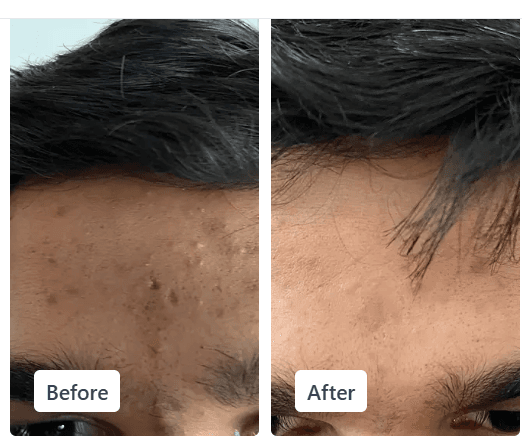
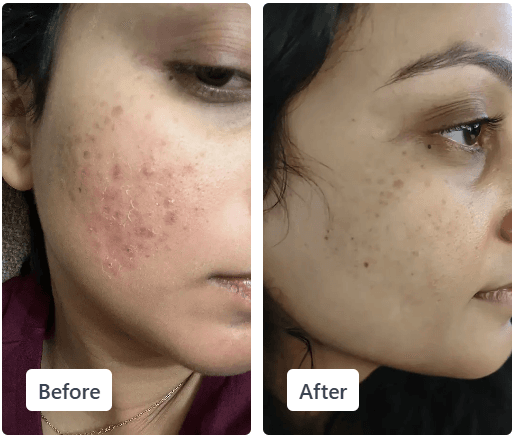
- Reduces acne and breakouts: The clay's mild astringent and anti-inflammatory properties can reduce surface-level acne lesions within 2-3 weeks of regular use.
- Improves skin tone and reduces tan: Multani mitti benefits for face include mild bleaching action that can reduce sun tan and uneven pigmentation with consistent weekly use.
- Exfoliates dead skin cells: The gentle abrasive texture removes the outer layer of dead cells, leaving skin smoother and more receptive to moisturiser.
- Soothes irritated or inflamed skin: Applied as a cool paste, multani mitti reduces redness and mild inflammation, particularly in heat rash and acne-associated irritation.
- Tightens pores temporarily: After the mask dries, it creates a mild tightening effect on pores, which can persist for several hours post-application.
- Improves skin clarity over time: Regular use of a multani mitti face pack reduces dullness and improves overall luminosity within 4-6 weeks.
Short-Term vs. Long-Term Benefits
| Timeframe | What You May Notice |
|---|---|
| Week 1-2 | Reduced oiliness within hours of application, smoother texture |
| Week 3-4 | Fewer active breakouts, slight reduction in tan lines |
| Month 2-3 | Improved skin tone evenness, visibly smaller-looking pores |
| Month 4+ | Sustained clarity, reduced pigmentation, balanced sebum production |
Who Benefits Most from Multani Mitti?
- People with oily or combination skin types
- Those experiencing frequent acne or blackhead formation
- Individuals with sun tan, mild hyperpigmentation, or uneven skin tone
- Anyone looking for a low-cost, additive-free skincare ingredient
Clear Ritual's dermatology-informed guidelines note that people with dry or sensitive skin should use multani mitti sparingly: no more than once per week: and always pair it with a hydrating base such as aloe vera or milk.
How Multani Mitti Works: The Complete Mechanism
Multani mitti benefits for skin occur through three distinct physical and chemical processes: adsorption, ion exchange, and mild mechanical exfoliation.
Step-by-Step Process
Application: Multani mitti powder is mixed with a liquid base (water, rose water, milk, or honey) to form a paste. The paste is applied evenly to the face and allowed to sit for 10-20 minutes.
Adsorption: As the clay dries, it undergoes adsorption: a process where oil, impurities, and surface bacteria bind to the clay's negatively charged surface. This is different from absorption; adsorption pulls substances to the clay's outer surface rather than into it.
Ion exchange: Multani mitti's mineral ions (calcium, magnesium) exchange with positively charged impurity particles and sebum molecules on the skin's surface, effectively drawing them out of the pores.
Mechanical exfoliation: When the dried mask is rinsed off, the fine clay particles physically lift and remove dead skin cells through gentle friction.
Astringent effect: Post-rinse, the mild astringent compounds in the clay cause temporary tightening of pores and a reduction in surface redness.
Why it works: Multani mitti's high surface area and negative ionic charge make it a powerful natural adsorbent: the same property that makes it effective for industrial decolourisation and pharmaceutical purification processes.
Common Misconceptions About Multani Mitti
Myth: Multani mitti permanently shrinks pores.
Fact: Pore size is genetically determined. Multani mitti temporarily makes pores appear smaller by clearing debris and tightening surrounding skin.
Myth: More frequent use gives faster results.
Fact: Using multani mitti daily can strip the skin of essential oils, triggering compensatory oil production and worsening breakouts.
Myth: Multani mitti is safe for all skin types equally.
Fact: It is best suited for oily and combination skin. Dry or sensitive skin requires a richer base and less frequent application.
Types of Multani Mitti Use Cases: Which Format Is Right for You?
Multani mitti is available in multiple forms, each suited to different skin concerns and lifestyles.
| Format | Best For | How It Works |
|---|---|---|
| Multani mitti powder | Customisable face masks, body packs | Mix with any liquid base; highest versatility |
| Multani mitti soap | Daily cleansing for oily/acne skin | Gentle surfactant base with clay particles; milder than a full mask |
| Multani mitti face pack (pre-mixed) | Convenience; consistent formulation | Pre-blended with ingredients like neem or sandalwood |
| Multani mitti and rose water blend | Oil control + hydration balance | Rose water adds mild toning while clay controls sebum |
| Multani mitti and honey face pack | Acne-prone + dehydrated skin | Honey's antibacterial properties complement clay's oil-absorbing action |
Multani Mitti Soap Benefits
Multani mitti soap benefits include daily sebum control, pore cleansing, and mild exfoliation without the intensity of a full mask. It is particularly useful for people who cannot use a face pack more than once per week but still want clay's benefits in their daily routine. Clear Ritual recommends multani mitti soap as a maintenance-phase product between deeper clay treatments.
Multani Mitti and Rose Water Benefits
Multani mitti and rose water benefits are well-documented in traditional Ayurvedic practice and increasingly supported by cosmetic science. Rose water (pH 5.5) helps partially counteract multani mitti's alkalinity, making the blend more skin-compatible. It also adds mild hydration and helps the mask spread more evenly.
Multani Mitti and Honey Face Pack Benefits
Multani mitti and honey face pack benefits are especially relevant for acne-prone skin with mild dryness. Honey is a natural humectant and contains hydrogen peroxide: a mild antimicrobial compound. When combined with multani mitti, honey prevents the mask from over-drying the skin while adding antibacterial support.
How to Use Multani Mitti: Step-by-Step Guide
Prerequisites and What You Need
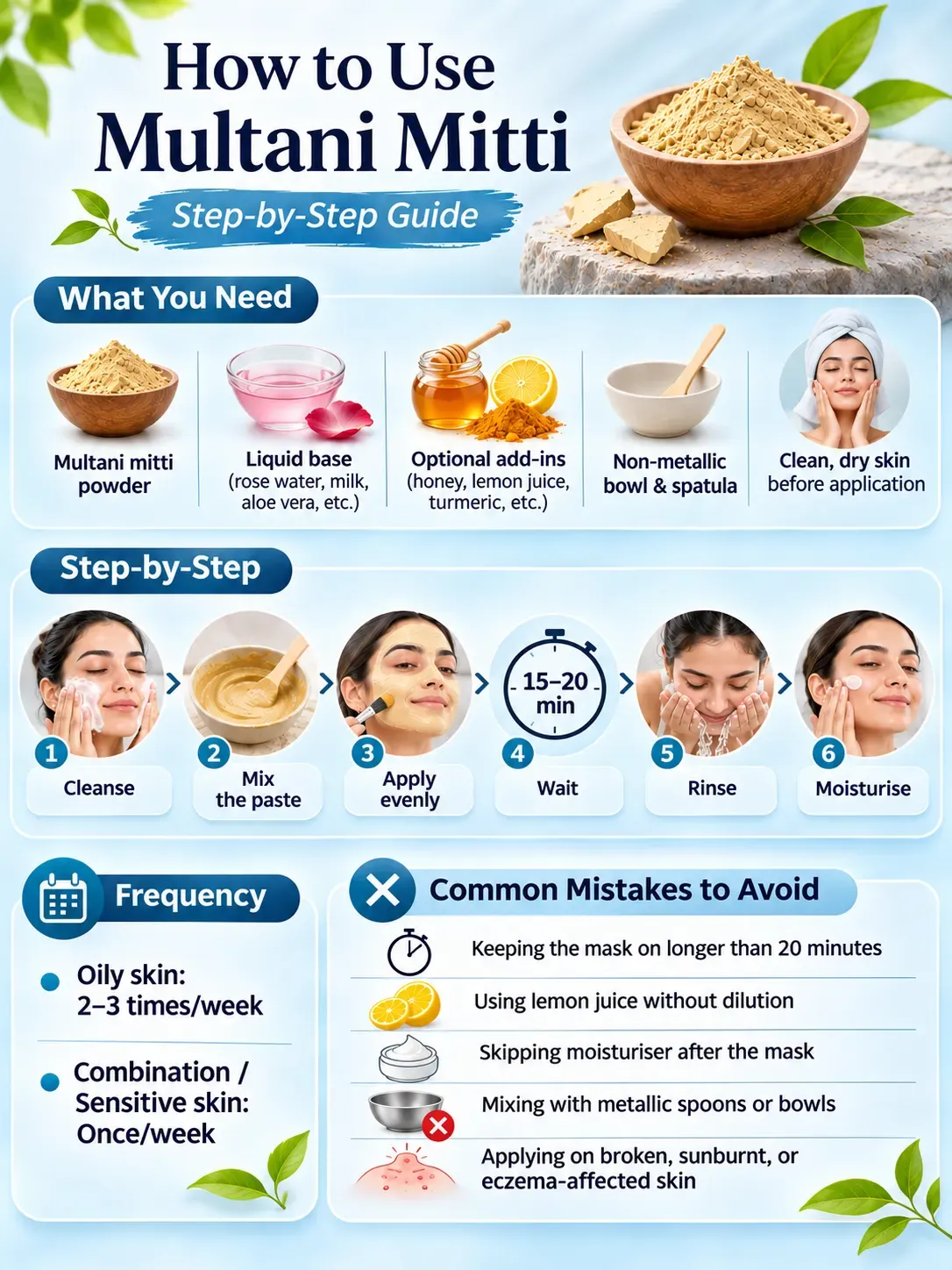
- Multani mitti powder (food-grade or cosmetic-grade)
- Liquid base: rose water, plain water, raw milk, or aloe vera gel
- Optional add-ins: honey, lemon juice, turmeric, sandalwood powder
- A non-metallic bowl and spatula (metal can react with clay)
- Clean, dry skin before application
Step-by-Step Application Process
Cleanse your face with a gentle cleanser. Pat dry completely. Applying multani mitti on dirty skin reduces its efficacy.
Mix the paste. Combine 2 tablespoons of multani mitti powder with enough liquid base to form a smooth, lump-free paste. It should be spreadable but not runny.
Apply evenly. Using fingers or a brush, apply a uniform layer across the face, avoiding the under-eye area and lips.
Wait 15-20 minutes. Let the mask dry fully. If your skin feels tight or irritated before 15 minutes, rinse immediately.
Rinse with lukewarm water. Use gentle circular motions to remove the mask. Avoid hot water, which can strip additional moisture.
Moisturise immediately. Apply a lightweight, non-comedogenic moisturiser within 2 minutes of rinsing to prevent trans-epidermal water loss.
Frequency: 2-3 times per week for oily skin; once per week for combination or sensitive skin.
Common Mistakes to Avoid
- Leaving the mask on longer than 20 minutes (causes excessive dryness and micro-irritation)
- Using lemon juice without dilution (can cause photosensitivity and hyperpigmentation)
- Skipping moisturiser after the mask (negates the skin barrier)
- Mixing multani mitti with metallic spoons or bowls (potential mineral contamination)
- Applying on broken, sunburnt, or eczema-affected skin
Multani Mitti Combinations: Real-World Use Cases
Oily and Acne-Prone Skin
Mix 2 tablespoons of multani mitti powder with rose water and a few drops of tea tree oil. The clay controls sebum, rose water balances pH, and tea tree oil targets acne-causing bacteria. Studies suggest tea tree oil reduces acne lesions by approximately 43% over 12 weeks [1].
Sun Tan and Hyperpigmentation
Mix multani mitti with raw milk and a pinch of turmeric. Lactic acid in milk gently exfoliates pigmented cells, while turmeric's curcumin compound has demonstrated anti-pigmentation activity in multiple in-vitro studies [2]. Use 2-3 times per week for visible results within 6-8 weeks.
Dull and Tired Skin
Mix multani mitti with aloe vera gel and a few drops of rose water. This combination hydrates while exfoliating, making it suitable for skin that appears dull but is not particularly oily. Clear Ritual's formulation guidance highlights this as a safe option for combination-to-normal skin types.
Dry Skin with Occasional Breakouts
The multani mitti and honey face pack benefits this profile best. Honey locks in moisture while the clay targets localised congestion. Use once per week maximum, and always follow with a richer moisturiser.
Body and Back Acne
Multani mitti powder benefits extend beyond the face. A diluted paste applied to the back or chest for 15 minutes can help manage body acne caused by sweat and friction. This use case is particularly effective in hot, humid climates where sebum production is higher.
Multani Mitti vs. Alternatives: An Honest Comparison
| Ingredient | Best For | Oil Control | Hydration | Exfoliation | Sensitivity Risk |
|---|---|---|---|---|---|
| Multani mitti | Oily/acne-prone skin | ★★★★★ | ★★☆☆☆ | ★★★☆☆ | Moderate |
| Kaolin clay | Sensitive/combination skin | ★★★☆☆ | ★★★☆☆ | ★★☆☆☆ | Low |
| Besan (gram flour) | All skin types; brightening | ★★★☆☆ | ★★★☆☆ | ★★★★☆ | Low |
| Bentonite clay | Deep cleansing; body use | ★★★★☆ | ★★☆☆☆ | ★★★☆☆ | Moderate |
| Rice flour | Brightening; mild exfoliation | ★★☆☆☆ | ★★★☆☆ | ★★★★☆ | Very Low |
Which Is Better: Besan or Multani Mitti?
Besan (gram flour) and multani mitti serve overlapping but distinct purposes. Multani mitti is superior for oil control and deep pore cleansing. Besan is superior for gentle exfoliation and is safer for sensitive or dry skin. For oily, acne-prone skin, multani mitti is the stronger choice. For normal or dry skin seeking brightness, besan may be more suitable: or both can be combined in one mask for balanced results.
What Results to Expect: A Realistic Timeline
Multani mitti benefits for face become measurable within 2-3 weeks, but significant changes in skin tone and texture typically require 6-8 weeks of consistent use.
| Phase | Duration | Expected Changes |
|---|---|---|
| Phase 1 | Days 1-14 | Reduced oiliness within hours of each application; skin feels cleaner and smoother |
| Phase 2 | Weeks 3-4 | Fewer active breakouts; visible reduction in blackheads; slight improvement in skin clarity |
| Phase 3 | Weeks 5-8 | Noticeable reduction in tan, hyperpigmentation, and dullness; pores appear visibly cleaner |
| Phase 4 | Month 3+ | Sustained oil balance, more even skin tone, reduced frequency of breakouts |
Factors That Affect Your Results
- Skin type: Oily skin responds faster and more visibly to multani mitti benefits
- Consistency: Irregular use produces inconsistent results; 2-3x per week is the minimum effective frequency
- Base ingredient: A well-chosen liquid base (rose water, milk, aloe) significantly improves outcomes
- Sun exposure: Unprotected sun exposure between sessions can reverse tan-reduction benefits
- Diet and hydration: High glycaemic diets and low water intake can counteract the clay's oil-control effects
Expert Tips and Best Practices for Multani Mitti Use
According to Clear Ritual's skincare advisory team, the following practices consistently improve results across all skin types.
Expert Tips for Best Results
- Always patch test first. Apply a small amount on the inner arm 24 hours before full-face use, particularly if you have reactive skin.
- Use filtered or mineral water as your mixing base when rose water is unavailable: tap water's chlorine content can interfere with clay's ionic activity.
- Apply in sections if you have large areas to cover, so the clay doesn't dry unevenly.
- Choose add-ins based on your skin's current state, not just your skin type: skin behaves differently in summer vs. winter.
- Store mixed paste in a glass container in the refrigerator for up to 2 days; the cool temperature also adds a soothing effect on application.
- Use a soft muslin cloth to remove the mask, as it offers gentler mechanical exfoliation than fingers alone.
- Follow with SPF in the morning after any clay treatment, as freshly exfoliated skin is more susceptible to UV damage.
Common Mistakes to Avoid
- Using undiluted lemon juice as a base (causes chemical burn risk)
- Scrubbing the mask off aggressively (causes micro-tears)
- Using the mask on active open wounds or cystic acne (can spread bacteria)
- Applying over makeup or sunscreen without cleansing first
- Expecting results after one or two sessions: consistency over 4-6 weeks is essential
When to Avoid Multani Mitti and When to Seek Advice
Clay masks are optional skincare products, not a substitute for medical treatment. People with very dry, irritated or broken skin may find them uncomfortable. Stop using a mask if it causes burning, stinging, marked redness or worsening dryness.
For ongoing acne, painful nodules, repeated rashes, changing pigmentation or other persistent concerns, consult a dermatologist for assessment and a treatment plan suited to the cause. Avoid adding lemon juice to facial masks because it can irritate the skin and contribute to sun-related reactions.
Conclusion
Multani mitti may be useful for temporarily reducing surface oil and giving skin a smoother feel. Choose a gentle formulation, avoid excessive drying and moisturise afterwards. Persistent breakouts, pigmentation and sensitivity may need more targeted care than a clay mask can provide.
Understand What Your Skin Needs
Take the Clear Ritual Skin Test to identify your skin concerns and explore a plan for your routine.
Take the Free Skin Test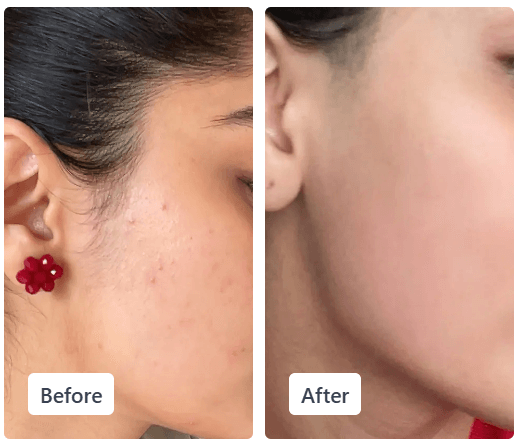
Frequently Asked Questions
1. Can multani mitti be used on the face every day?
Daily use may dry or irritate the skin. Frequency depends on skin type, product formulation and how your skin responds. Reduce use or stop if tightness or stinging develops.
2. Does multani mitti remove blackheads and acne?
Multani mitti can temporarily absorb surface oil, but there is limited evidence that it reliably removes existing blackheads or treats persistent acne. Consider established acne care if breakouts continue.
3. Can multani mitti remove tanning or pigmentation?
A clay mask may make skin feel smoother, but there is no good evidence that multani mitti reliably removes melanin-related tanning or persistent dark patches. Sun protection and treatment suited to the cause matter more.
4. Is multani mitti suitable for dry or sensitive skin?
It may cause tightness or irritation, particularly on already dry or sensitive skin. If you choose to try it, patch test first, limit contact and stop if irritation occurs.
5. Should I mix lemon juice with multani mitti?
Avoid using lemon juice on facial skin. It may cause irritation and sun-related skin reactions that can leave dark marks. Plain water is a simpler mixing option.
Editorial Standards
Clear Ritual has Strict sourcing guidelines to ensure our content is accurate and current. We rely on peer-reviewed studies, academic research institutions, and medical associations. We strive to use primary sources and refrain from using tertiary references. See a mistake? Learn More about our Editorial Standards.
Related Articles
Combination Skin Care Routine: Complete Guide — How It Works, Benefits & Best Practices
Published 20 July 2026
Men's Skin Care Kit Under 500: Complete Guide — How It Works, Benefits & Best Practices
Published 20 July 2026
Night Skin Care Routine For Oily Skin: The Complete Guide
Published 20 July 2026
The Ultimate Skin Care Guide: Everything You Need for Healthy-Looking Skin
Published 10 September 2026
