Nodular Pimples: Symptoms & Treatment Options
Nodular pimples are deep, painful acne lesions that form when clogged pores become severely inflamed beneath the skin, creating hard, immovable lumps that can persist for weeks. They differ from surface pimples and cysts by their solid texture and high scarring risk. Symptoms include throbbing pain, firm bumps, redness or warmth, often on the jawline, chest, or back. Treatment focuses on gentle skincare, avoiding manipulation, cold compresses, and professional care such as retinoids or intralesional injections for persistent or scarring nodules.
- Symptoms: deep pain, firm bump, redness or warmth, common on jawline, chest, and back
- Treatment: gentle cleansing, avoiding picking, cold compresses, professional care for persistent cases
What Are Nodular Pimples
Nodular pimples represent one of the more severe forms of inflammatory acne. These lesions develop deep within the skin tissue, typically in the dermis layer where hair follicles and sebaceous glands reside. Unlike pustules that form closer to the surface, nodules sit beneath multiple skin layers, creating firm, painful lumps that you can feel more easily than see.
The formation starts when a pore becomes completely blocked with dead skin cells, excess sebum, and acne-causing bacteria. As pressure builds within the blocked follicle, the follicle wall ruptures beneath the skin surface. This rupture releases bacteria and inflammatory material into surrounding tissue, triggering an intense immune response that creates the characteristic hard, painful nodule.
These lesions typically measure between 1-2 centimeters in diameter and can persist for weeks or even months without proper intervention. The skin over nodules may appear slightly raised and feel warm to touch, though they rarely develop visible white or yellow centers like surface pimples.
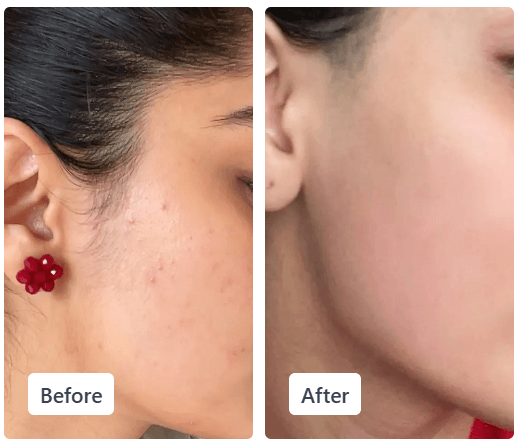
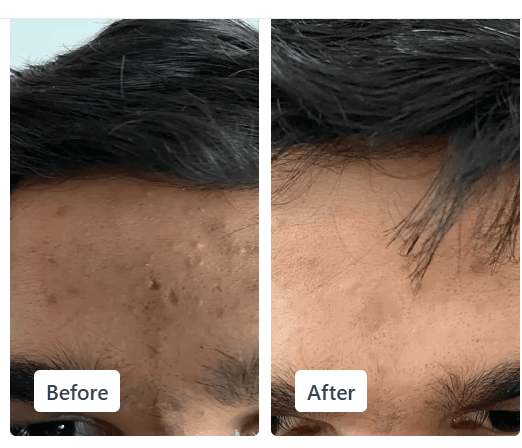
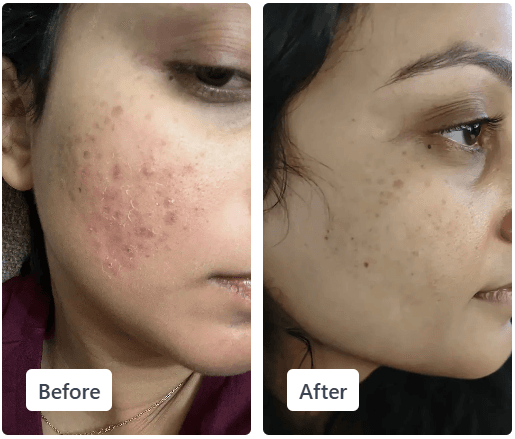
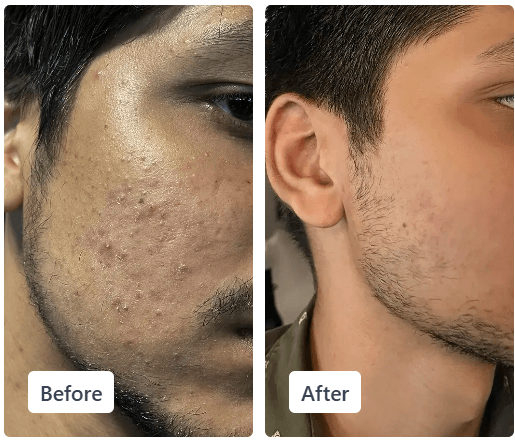
See real results, then start your own
Take the free Clear Ritual Skin Test and get a personalized routine built for your skin's unique patterns.
How Nodular Acne Differs From Other Breakouts
Understanding the distinction between nodular acne and other blemish types helps with appropriate management strategies.
| Feature | Surface Pimples | Cystic Acne | Nodular Acne |
|---|---|---|---|
| Depth | Superficial epidermis | Deep dermis | Deep dermis |
| Texture | Soft, fluid-filled | Soft, movable | Hard, solid |
| Pain level | Mild discomfort | Moderate to severe | Severe, tender |
| Duration | 3-7 days | 2-4 weeks | 2-8 weeks |
| Scarring risk | Low | High | Very high |
Nodules feel distinctly solid compared to the softer, fluid-filled nature of cystic lesions. While both develop deep in the skin and cause significant discomfort, nodules lack the fluctuant quality that cysts possess. This solid composition makes nodules particularly resistant to typical spot treatments that work on surface breakouts.
The inflammation associated with nodular acne extends beyond the initial blocked pore, affecting surrounding tissue in ways that surface breakouts never do. This widespread inflammation explains why nodules hurt even when you're not touching them and why they leave lasting marks more frequently than milder acne forms.
Recognizable Symptoms and Signs
Nodular pimples announce themselves through several distinct characteristics that set them apart from everyday breakouts. The first noticeable sign often comes before you can see anything, a deep, throbbing pain in a specific area of your face, chest, or back. This discomfort intensifies when pressure is applied, whether from touching, sleeping on that side, or even facial movements.
The affected area develops a firm bump beneath the skin that doesn't move when you press it. Unlike surface pimples that develop visible heads within a day or two, nodules remain stubbornly beneath the surface. The overlying skin may appear slightly red or purple, but sometimes shows minimal discoloration despite significant inflammation underneath.
Nodules commonly appear in areas with higher concentrations of sebaceous glands, the jawline, chin, cheeks, chest, shoulders, and upper back. Hormonal fluctuations often trigger clusters of nodules along the lower face and jawline, while friction from clothing or sports equipment can prompt them on the back and chest.
The surrounding skin often feels warmer than adjacent areas due to increased blood flow from inflammation. Some people notice that nodules throb or pulse, particularly during the first few days of formation when inflammatory activity peaks. This pulsing sensation reflects active immune system engagement as white blood cells rush to the site.
See real results, then start your own
Take the free Clear Ritual Skin Test and get a personalized routine built for your skin's unique patterns.
What Happens Inside Your Skin
The development of nodular acne involves a cascade of events within skin structures. Sebaceous glands produce sebum continuously, and this oil normally flows through the pore opening to reach the skin surface. When dead skin cells accumulate faster than they shed, a process called abnormal keratinization, they mix with sebum and form a plug that blocks the follicle opening.
Behind this blockage, sebum production continues uninterrupted. The trapped oil creates an ideal environment for Cutibacterium acnes bacteria, which naturally live in follicles but multiply rapidly when oxygen levels drop in blocked pores. As bacterial populations explode, they produce inflammatory compounds that irritate follicle walls.
The pressure from accumulated sebum, dead cells, and bacteria eventually becomes too great for the follicle structure to contain. The follicle wall ruptures, but instead of breaking through to the skin surface, it tears inward or sideways into the surrounding dermis. This internal rupture is the critical moment that transforms a simple blocked pore into a nodular lesion.
Your immune system detects the rupture immediately. White blood cells flood the area, releasing inflammatory mediators like cytokines and chemokines. These chemical signals recruit more immune cells, creating a self-perpetuating inflammation cycle. The resulting immune response, while attempting to clear the infection, actually causes most of the pain, swelling, and eventual scarring associated with nodules.
The dermis contains collagen and elastin fibers that give skin its structure. When inflammatory enzymes break down these proteins during the immune response, the damage creates conditions for permanent scarring even before the nodule heals.
Common Triggers Behind Nodular Breakouts
Multiple factors converge to create the conditions for nodular acne development. Hormonal fluctuations top the list of common triggers, particularly androgens like testosterone that increase sebum production. Women often notice nodular breakouts correlating with menstrual cycles, pregnancy, or hormonal contraceptive changes. These hormonal shifts don't just increase oil production, they also affect how quickly skin cells turn over and shed.
Chronic stress elevates cortisol levels, which in turn stimulates sebaceous glands and promotes inflammation throughout the body, including skin. Sleep deprivation compounds this effect by disrupting the skin's natural repair processes and weakening immune function. Poor sleep quality correlates with increased inflammatory markers that worsen acne severity.
Certain dietary patterns appear connected to nodular acne, though individual responses vary significantly. High glycemic foods cause rapid blood sugar and insulin spikes, which trigger increased androgen production and sebum secretion. Some people notice correlations between dairy consumption and nodular breakouts, possibly due to hormones naturally present in milk or dairy's effect on insulin-like growth factor.
Physical factors also contribute. Friction from sports equipment, tight clothing, or even phone pressure against the face can traumatize already vulnerable pores. Excessive sweating without prompt cleansing allows salt, bacteria, and debris to accumulate in follicles. Using heavy, occlusive skincare products or makeup can physically block pores, particularly in people already prone to abnormal keratinization.
Environmental elements play supporting roles. Humid weather increases sweating and bacterial growth on skin. Pollution particles settle on skin surfaces and can penetrate into pores, triggering inflammation. Indoor environments with poor air quality or airborne irritants affect skin barrier function over time.
Why Nodules Are So Prone to Scarring
The deep location and intense inflammation of nodular acne create perfect conditions for permanent scarring. When inflammation destroys collagen and elastin in the dermis, the body attempts repair through wound-healing processes. Unfortunately, this repair work rarely recreates the original skin architecture perfectly.
Two main scar types result from nodular acne. Atrophic scars form when the body produces insufficient collagen during healing, creating depressions in the skin surface. These include ice-pick scars (deep, narrow pits), boxcar scars (wider depressions with defined edges), and rolling scars (wave-like undulations). Hypertrophic scars occur when the body overproduces collagen, creating raised, thick tissue.
Post-inflammatory hyperpigmentation represents another lasting mark from nodules. When inflammation triggers melanocytes to overproduce pigment, dark spots remain long after the lesion heals. These marks aren't true scars since skin texture remains normal, but they can persist for months or years, especially in darker skin tones.
Manipulating nodules dramatically increases scarring risk. Squeezing, picking, or attempting to drain nodules forces inflammatory material deeper into surrounding tissue, expanding the damage zone. The mechanical trauma from manipulation adds injury on top of the existing inflammation, triggering even more aggressive wound-healing responses that produce worse scarring.
Early intervention significantly reduces scarring likelihood. The longer nodules persist and the more severe the inflammation becomes, the greater the collagen destruction and subsequent scarring. This reality underscores the importance of addressing nodular acne promptly rather than waiting to see if it resolves independently.
Initial Management Approaches
Managing nodular acne requires a fundamentally different approach than treating surface breakouts. The depth and severity of these lesions mean that over-the-counter spot treatments designed for superficial pimples rarely provide meaningful benefit.
Protecting the skin barrier becomes paramount. Harsh cleansing, aggressive exfoliation, or drying treatments strip away protective lipids, which paradoxically triggers increased oil production and inflammation. Gentle cleansing twice daily with a mild, non-foaming cleanser removes surface debris without compromising barrier function. Lukewarm water works better than hot water, which can further irritate inflamed skin.
Avoiding physical manipulation requires conscious effort but makes an enormous difference in outcomes. The temptation to squeeze or pick at nodules is understandable, they're painful and visible, but any manipulation pushes inflammatory material deeper, extends healing time, and virtually guarantees scarring. Keeping hands away from the face reduces bacterial transfer and prevents mechanical trauma.
Cold compresses can provide temporary relief from throbbing pain and reduce localized swelling. Applying a clean, cold cloth for 10-15 minutes several times daily constricts blood vessels and calms inflammatory activity without damaging tissue. Never apply ice directly to skin, as extreme cold can cause additional injury.
Non-comedogenic moisturizers maintain hydration without adding pore-blocking ingredients. Even oily, acne-prone skin needs moisture, especially when dealing with inflammation. Look for formulations labeled non-comedogenic that contain soothing ingredients like ceramides or niacinamide rather than heavy oils or butter.
Sun protection becomes critical, as UV exposure intensifies inflammation and worsens post-inflammatory hyperpigmentation. Mineral sunscreens containing zinc oxide or titanium dioxide typically irritate sensitive, inflamed skin less than chemical filters. Broad-spectrum protection prevents both immediate inflammation and long-term darkening of healing lesions.
When Professional Evaluation Becomes Necessary
Nodular acne falls into the category of acne severity that benefits significantly from professional dermatological assessment. Unlike mild breakouts that may respond adequately to home care, nodules involve inflammation levels and scarring risks that warrant expert intervention.
Seek evaluation when nodules occur repeatedly, appear in clusters, persist beyond a few weeks, or cause significant pain. If you notice scarring beginning to develop, whether atrophic depressions or thickened areas, prompt professional care can prevent additional damage and address existing marks while they're still relatively new and more responsive to treatment.
Dermatologists have access to treatment modalities unavailable over the counter. Prescription retinoids work at cellular levels to normalize keratinization, preventing the abnormal cell buildup that creates initial blockages. Oral medications can address hormonal contributors or reduce inflammation systemically. For particularly painful or persistent nodules, intralesional injections can rapidly reduce inflammation and size.
Professional extraction might seem similar to home squeezing, but the technique, timing, and sterile environment make crucial differences. Dermatologists use specific instruments and methods that minimize trauma and scarring risk while effectively removing blockages when appropriate.
Advanced treatments for active nodular acne include light and laser therapies that reduce bacteria and calm inflammation, chemical peels that accelerate cell turnover, and drainage procedures performed under controlled conditions. For scarring that has already developed, options range from topical treatments to laser resurfacing, microneedling, or filler injections, depending on scar type and severity.
Lifestyle Factors That Influence Nodular Acne
Daily habits and choices create the internal and external environment in which your skin functions. While these factors don't cause acne directly, they significantly influence severity and frequency of nodular breakouts.
Sleep quality affects skin through multiple pathways. During deep sleep stages, growth hormone peaks, promoting tissue repair and collagen synthesis. Sleep deprivation elevates cortisol, impairs immune function, and increases inflammatory markers measurable in blood tests. People who consistently sleep fewer than seven hours show higher rates of inflammatory skin conditions, including more severe acne.
Stress management deserves attention beyond general wellness advice. Chronic psychological stress demonstrably worsens acne through hormonal and inflammatory mechanisms. The brain-skin connection operates bidirectionally, stress hormones affect skin, while skin problems cause emotional distress that perpetuates the cycle. Effective stress reduction techniques, whether through exercise, meditation, therapy, or other methods, often correlate with improved skin outcomes.
Physical activity benefits skin health through improved circulation, stress reduction, and hormonal regulation. However, the post-workout period requires attention. Sweat combined with friction from clothing or equipment creates ideal conditions for pore blockage. Showering promptly after exercise and wearing moisture-wicking, loose-fitting clothing during workouts minimizes this risk.
Dietary patterns influence acne through multiple mechanisms. High glycemic index foods spike insulin and insulin-like growth factor, both of which increase sebum production and promote the cellular changes that block pores. Reducing refined carbohydrates and added sugars while emphasizing whole foods, vegetables, and lean proteins may help some people reduce nodular breakout frequency.
Hydration status affects skin barrier function and overall skin health. Dehydration concentrates toxins in the body and reduces the skin's ability to maintain its protective barrier. Adequate water intake supports all bodily functions, including those that keep skin healthy.
Understanding Your Skin's Unique Patterns
Nodular acne rarely appears randomly. Most people notice patterns in timing, location, and potential triggers once they begin tracking breakouts carefully. Some women observe strict menstrual cycle correlations, with nodules appearing during the same phase month after month. Others notice connections to specific foods, stress periods, or environmental changes.
Tracking these patterns provides valuable information. Note when nodules appear, where they develop, what was happening in the days before, dietary patterns, stress levels, sleep quality, and any new products or environmental exposures. Over several months, patterns often emerge that point toward individual trigger factors.
The inflammatory nature of nodular acne means that immune system function plays a significant role. Factors that promote or suppress inflammation throughout the body, including diet, stress, sleep, exercise, and even gut health, can influence skin inflammation. The gut-skin axis represents an emerging area of understanding, with research showing connections between digestive health, microbiome balance, and inflammatory skin conditions.
Some nodular acne has strong genetic components. If your parents experienced severe acne, you're more likely to develop it as well. This doesn't make prevention impossible, but it does mean you may need more proactive management than someone without this genetic predisposition.
Skin type and characteristics also influence nodular acne development. People with naturally oilier skin produce more sebum, creating more opportunities for pore blockages. However, paradoxically, overly dry or damaged skin barriers can trigger compensatory oil production that worsens acne. The goal is balanced, healthy skin function rather than stripping away all oil.
Editorial Standards
Clear Ritual has Strict sourcing guidelines to ensure our content is accurate and current. We rely on peer-reviewed studies, academic research institutions, and medical associations. We strive to use primary sources and refrain from using tertiary references. See a mistake? Learn More about our Editorial Standards.
Related Articles
Fungal Acne vs Pimples: How to Tell the Difference
Published 17 July 2026
Types of Pimples Explained: Whiteheads, Blackheads, Papules & More
Published 21 July 2026
Do You Have Fungal Acne? Here's How It's Different From Bacterial Breakouts
Published 21 July 2026

Pus-Filled Pimples: Causes, Types and How to Treat Them
Published 14 October 2026
