Everything You Need to Know About Dark Spots on Your Skin

Dark spots on the skin happen when pigment-producing cells make excess melanin, often in response to sun exposure, hormonal changes, or skin inflammation. They can appear for different reasons, so identifying the underlying cause is important before choosing treatment.
What Are Dark Spots on Your Skin?
Dark spots are areas of skin that appear darker than the surrounding skin because of increased or uneven pigmentation. Your skin gets its colour from a pigment called melanin, which is produced by specialised skin cells called melanocytes.
Depending on the cause, dark spots on the skin may be called age spots or sun spots. They can vary in size and number from one person to another. Since dark spots can develop for different reasons, understanding their cause can help you choose the right treatment.
So, what are dark spots on face? They are darker areas of skin that can develop due to different types of pigmentation, making it important to identify the underlying cause before treating them.
What Causes Dark Spots on Your Skin?
Dark spots can develop when the skin produces more melanin in response to inflammation, sun exposure, hormonal changes, or injury. The trigger can vary from person to person, so identifying the cause is important for choosing the right approach.
Can Acne Cause Dark Spots?
Yes. Acne can leave behind post-inflammatory hyperpigmentation, which appears as a dark mark after the inflammation settles. These acne marks are changes in pigmentation rather than a structural acne scar and may gradually fade over time.
Can Sun Exposure Cause Dark Spots?
Yes. UV exposure can stimulate melanin production and make existing pigmentation appear darker. Visible light can also contribute to pigmentation, particularly in deeper skin tones.
Can Hormones and Skin Irritation Cause Dark Spots?
Hormonal changes can contribute to melasma, which causes areas of hormonal pigmentation, often on the face. Irritating skincare products and skin injury can also trigger inflammation and lead to post-inflammatory pigmentation.
What Other Factors Can Cause Dark Spots?
Healing wounds, certain medications, and other skin conditions can also cause dark spots on skin. Since different triggers require different approaches, understanding the underlying cause can help guide treatment.
What Are the Different Types of Dark Spots on the Face?
There are several types of dark spots on face, and they can develop for different reasons. Some appear after inflammation or acne, while others are linked to sun exposure or hormonal changes.
Post-Inflammatory Hyperpigmentation
Post-inflammatory hyperpigmentation appears as flat, darker marks after the skin has healed from acne, eczema, an injury, or other inflammation. These dark spots on face develop when inflammation triggers increased melanin production.
Melasma
Melasma causes flat brown or grey-brown pigmentation patches, often appearing symmetrically on the cheeks, forehead, nose or upper lip. Hormonal changes and exposure to sunlight and visible light can contribute to its development.
Age Spots And Sun Spots
Age spots and sun spots are flat areas of darker pigmentation that develop mainly due to cumulative sun exposure. They are more common on areas regularly exposed to sunlight, such as the face, hands and shoulders.
Different Types of Dark Spots
Not all dark spots look or behave the same way. Similar-looking pigmentation can have different causes, which means treatment may also differ. If you are unsure what type of pigmentation you have, a dermatologist can help identify it.
How Can You Remove Dark Spots?
You can often fade dark spots, but the right treatment depends on their cause, type, and depth. Addressing the underlying trigger and protecting your skin from further pigmentation are important first steps. Consistent treatment is usually more effective than using several strong products at once.
Which Skin Care Ingredients Can Help Fade Dark Spots?
The right ingredient depends on the type and cause of your dark spots. The following ingredients are commonly used to target pigmentation while supporting a more even-looking skin tone:
| Ingredient | Recommended Concentration | Benefits / Solutions |
|---|---|---|
| Vitamin C | 5 to 20% | Helps brighten uneven pigmentation and protect skin from oxidative stress. |
| Azelaic Acid | 10 to 20% | Helps reduce pigmentation and can be useful for acne-related dark marks. |
| Glycolic Acid | 5 to 10% | Exfoliates the skin and helps improve uneven tone and post-acne pigmentation. |
| Kojic Acid | 1 to 2% | Helps reduce excess melanin production and improve the appearance of dark spots. |
| Retinoids | 0.1 to 0.3% | Support skin cell turnover and can gradually improve pigmentation and acne marks. |
| Hydroquinone | 2 to 4% | Targets excess pigmentation and is generally used under medical guidance. |
Note: Concentrations can vary between products and formulations. Follow the product instructions and avoid introducing several active ingredients at the same time, as irritation can make pigmentation worse.
Sunscreen is also an important part of pigmentation care. Consistent protection helps reduce UV and visible-light exposure that can trigger pigmentation or make existing dark spots darker.
What Professional Treatments Can Help Dark Spots?
If topical products do not provide enough improvement, a dermatologist may recommend a treatment based on the type and depth of pigmentation. Options can include:
Chemical peels: Help remove damaged outer skin layers and improve uneven pigmentation.
Laser or light-based treatments: Target pigmentation more directly but require careful selection.
Prescription treatments: May provide stronger or more targeted treatment for certain types of pigmentation.
Professional assessment is particularly important for darker skin tones because an unsuitable procedure or excessive skin injury can sometimes worsen pigmentation.
Can a Face Wash Help With Dark Spots?
A face wash can support a dark-spot routine, but it usually cannot remove established pigmentation on its own. Cleansers mainly remove oil, dirt, sweat, and product residue, while leave-on treatments and sunscreen generally play a bigger role in fading pigmentation.
Choose a gentle face wash that cleans your skin without leaving it tight or irritated. Harsh cleansing or excessive scrubbing can cause irritation and inflammation, which may contribute to further pigmentation. If you are looking for a face wash for dark spots, prioritise a gentle cleanser and use targeted pigmentation treatments separately.
How Can You Prevent Dark Spots From Coming Back?
Consistent sun protection and controlling the underlying trigger are key to preventing new dark spots. Protecting your skin from UV and visible light while maintaining a healthy skin barrier can also help reduce the risk of pigmentation returning. Here are practical ways to support pigmentation prevention:
| Prevention Step | Why It Helps |
|---|---|
| Use sunscreen daily | Helps reduce UV-driven pigmentation. |
| Consider tinted sunscreen | Iron oxide can help protect against visible light, which may worsen pigmentation. |
| Treat acne and inflammation | Reduces triggers that can leave dark marks. |
| Avoid irritating products | Helps reduce inflammation that can contribute to pigmentation. |
| Do not pick your skin | Reduces skin injury and inflammation that can leave dark marks. |
Consistent sun protection is especially important when you are treating or trying to prevent dark spots on skin, as sun exposure can make existing pigmentation darker and contribute to new spots.
What Should You Avoid When Treating Dark Spots?
When treating dark spots, being too aggressive can cause skin irritation and make pigmentation harder to manage. Focus on consistent, gentle care rather than trying to fade spots as quickly as possible.
Do not scrub aggressively: Avoid over-exfoliation, which can irritate the skin and affect the skin barrier.
Avoid unproven DIY remedies: Harsh DIY remedies can burn or irritate your skin.
Do not overuse active ingredients: Using more products does not necessarily make pigmentation fade faster.
Do not skip sunscreen: UV and visible light can worsen existing pigmentation.
Do not ignore the underlying cause: Managing your pigmentation triggers can help reduce the risk of new dark spots.
When Should You See a Dermatologist About Dark Spots?
See a dermatologist if a dark spot is new, changing, persistent, or difficult to identify, or if the pigmentation does not improve with appropriate skin care. You should seek professional advice if you notice:
New or rapidly changing spots
Uneven or unusual-looking pigmentation
Persistent pigmentation despite consistent care
Pigmentation that keeps returning
Uncertainty about whether a mark is pigmentation or another skin condition
A dermatologist can perform a skin assessment, identify the underlying cause, and recommend appropriate professional treatment. A proper pigmentation diagnosis can also help ensure that you are treating the cause rather than only the visible dark spot.
What Is the Key Takeaway About Dark Spots?
Dark spots can have different causes, so identifying the type and trigger is the first step towards effective treatment. Fading often takes time, so focus on gentle, consistent skin care and daily sun protection. With the right approach, dark spots on skin can gradually become less noticeable, but realistic expectations are important.
Clear Ritual’s Perspective on Dark Spots
Treating dark spots should not be about adding more products to your routine. Start by understanding what is causing the pigmentation, whether it is linked to acne, sun exposure, hormonal changes, inflammation, or another trigger, and then choose targeted care accordingly.
At Clear Ritual, we believe understanding your skin concerns is the first step towards building an effective approach to managing dark spots.
The Clear Ritual Skin Test can help you identify your skin type and concerns, making it easier to understand what your skin needs and build a routine suited to your individual concerns.
Clear Ritual Skin Test
Understand What Is Causing Your Dark Spots
Take the free skin test to assess pigmentation, acne marks, sensitivity and other concerns, then build a routine suited to your skin.
Take the Free Skin Test
Frequently Asked Questions
1. What are dark spots on the face?
Dark spots are areas of skin that appear darker because of increased pigmentation. They can develop after acne, inflammation, sun exposure, hormonal changes, or skin injury.
2. What causes dark spots on the skin?
Common causes include acne-related inflammation, sun exposure, hormonal changes, skin injuries, and irritation from some skincare products.
3. How can you remove dark spots?
Treatment depends on the cause and may include sunscreen, targeted ingredients, prescription treatments, or dermatologist-directed procedures.
4. Can face wash remove dark spots?
A face wash cannot usually remove established pigmentation on its own. A gentle cleanser can support a routine alongside targeted treatments and sun protection.
5. What are the types of dark spots on the face?
Common types include post-inflammatory hyperpigmentation, melasma, and age or sun spots. Their causes and treatment approaches can differ.
References
- American Academy of Dermatology (AAD). How to Fade Dark Spots in Darker Skin Tones.
- American Academy of Dermatology (AAD). Melasma: Diagnosis and Treatment.
- American Academy of Dermatology (AAD). Melasma: Self-Care.
Disclaimer: This article is intended for general informational purposes and is not a substitute for personalised medical advice, diagnosis or treatment. If you have persistent, changing or unusual dark spots, consult a qualified dermatologist for personalised advice.
Editorial Standards
Clear Ritual has Strict sourcing guidelines to ensure our content is accurate and current. We rely on peer-reviewed studies, academic research institutions, and medical associations. We strive to use primary sources and refrain from using tertiary references. See a mistake? Learn More about our Editorial Standards.
Related Articles
Acne Pigmentation: Why Dark Marks Stay and How to Fade Them
Published 10 August 2026
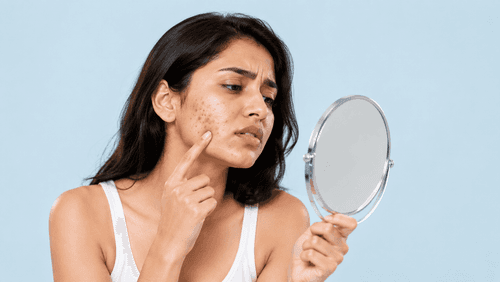
Best Serum for Acne and Dark Spots: Complete Guide — How It Works, Benefits & Best Practices
Published 22 July 2026
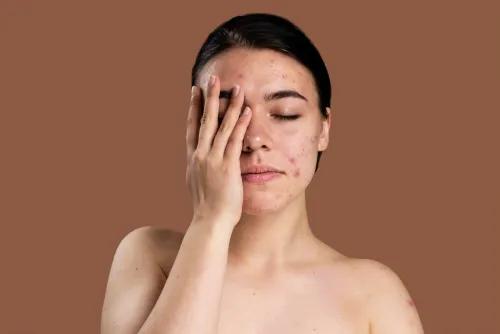
Goodbye Dark Spots: The Power of Yashtimadhu in Treating Post-Acne Pigmentation
Published 16 July 2026
How to Remove Dark Spots Caused by Pimples: A Complete Guide
Published 16 July 2026