Coffee and Acne: Does Caffeine Trigger Breakouts?
Coffee itself doesn't directly cause acne, but how you drink it and your body's response to caffeine can influence breakouts. Caffeine triggers cortisol release, which may increase oil production in sensitive individuals, while added sugar and dairy in coffee drinks can aggravate inflammation and hormonal pathways linked to acne formation. Black coffee carries far less risk than sweetened, dairy-heavy specialty drinks, and individual cortisol sensitivity varies widely from person to person.
- Caffeine alone rarely causes acne, but excess cortisol from high intake may worsen breakouts
- Sugar and dairy added to coffee are stronger acne triggers than caffeine itself
- Timing and quantity matter more than complete avoidance
When caffeine enters your bloodstream, your adrenal glands release cortisol, often called the stress hormone. This is a normal physiological response that increases alertness and energy. In moderate amounts, this cortisol spike is brief and harmless for most people.
However, when cortisol remains elevated - whether from excessive coffee consumption, chronic stress, or poor sleep - your sebaceous glands may produce more sebum. This oily substance can mix with dead skin cells and bacteria inside pores, creating an environment where acne develops.
The relationship isn't straightforward. Not everyone who drinks coffee experiences increased breakouts. Your skin's reaction depends on how sensitively your body responds to cortisol, your existing hormone balance, and what else you're adding to your cup.
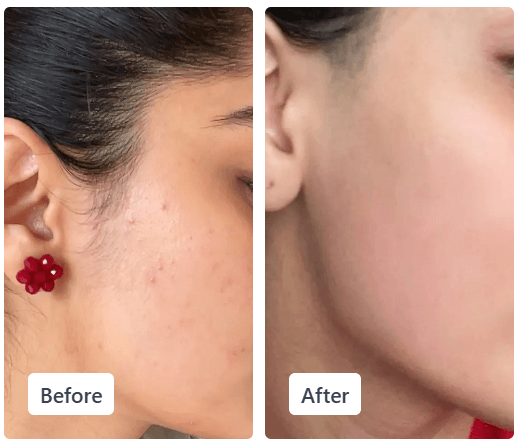
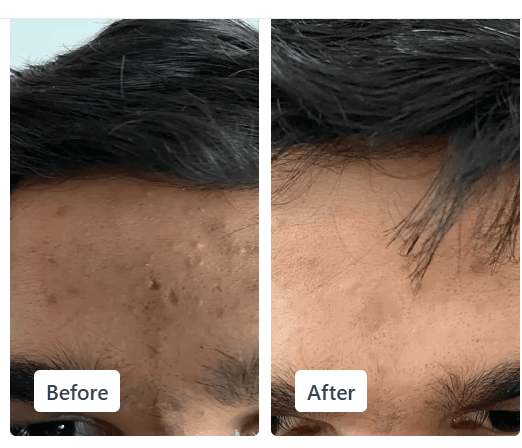
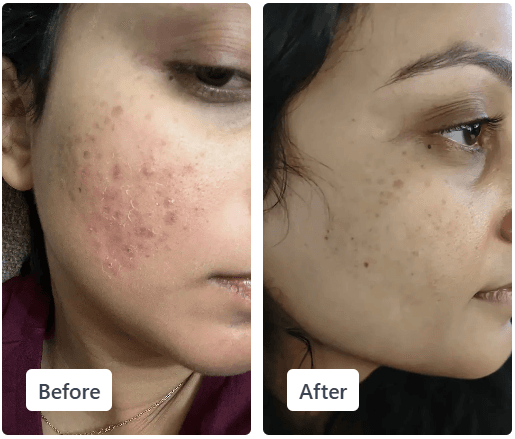
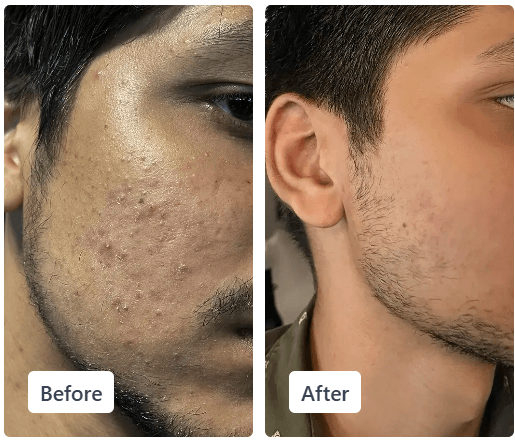
See real results, then start your own
Take the free Clear Ritual Skin Test and get a personalized routine built for your skin's unique patterns.
The Cortisol-Sebum Connection
Cortisol influences several skin processes. When levels stay elevated throughout the day, this hormone can:
- Increase sebum production in oil glands
- Promote inflammation throughout the body, including skin tissue
- Disrupt the skin barrier's ability to retain moisture and protect against irritants
- Interfere with skin repair processes that normally happen during sleep
For someone already dealing with hormonal acne, excess cortisol from multiple daily coffees might add fuel to an existing fire. For someone with resilient hormone regulation and minimal acne tendency, the same coffee intake might cause no visible skin changes.
The problem intensifies when coffee consumption overlaps with other cortisol-raising habits - skipping meals, inadequate sleep, high-stress work environments, or intense exercise without proper recovery. Each factor compounds the others.
Sugar and Dairy: The Real Culprits
While caffeine gets blamed for breakouts, the additions to coffee often cause more skin problems than the coffee itself.
Sugar triggers a rapid insulin spike. Elevated insulin increases insulin-like growth factor 1 (IGF-1), which stimulates sebaceous glands and promotes the production of androgens - hormones that directly increase oil production and thicken the lining of pores. This creates perfect conditions for comedones and inflammatory acne lesions.
Dairy, particularly milk, contains hormones and bioactive molecules that can influence your own hormone pathways. Milk increases IGF-1 levels and may worsen acne in people sensitive to these effects. Whole milk, skim milk, and even organic varieties have shown similar associations with acne in research observations.
A caramel macchiato with whole milk and flavored syrup delivers a significant dose of both sugar and dairy - far more likely to influence breakouts than black coffee consumed alone.
See real results, then start your own
Take the free Clear Ritual Skin Test and get a personalized routine built for your skin's unique patterns.
Individual Sensitivity Varies Significantly
Some people drink multiple cups of black coffee daily with zero skin consequences. Others notice new breakouts after switching from tea to coffee, or when increasing from one cup to three.
This variation reflects differences in:
- How quickly your body metabolizes caffeine
- Your baseline cortisol patterns throughout the day
- Existing hormone imbalances or sensitivities
- Overall inflammatory load from diet, stress, and lifestyle
- Genetic factors affecting sebum production
- The health of your gut microbiome, which influences both inflammation and hormone metabolism
If you've noticed a pattern where breakouts worsen during periods of higher coffee consumption, your observation is valid. Your body's response is real, even if others don't experience the same reaction.
Timing and Consumption Patterns Matter
Drinking coffee on an empty stomach amplifies cortisol release. Your cortisol naturally peaks in the early morning as part of your circadian rhythm. Adding caffeine during this peak can create an exaggerated stress response.
Consuming coffee with or after food moderates this effect. Protein and healthy fats slow caffeine absorption and reduce the cortisol spike. This doesn't eliminate caffeine's effects, but it smooths the hormonal curve.
Drinking multiple cups throughout the afternoon and evening keeps cortisol elevated when it should naturally decline. This disrupts the cortisol rhythm your body relies on for proper sleep, tissue repair, and hormone balance - all factors that influence skin health.
Late-day caffeine also interferes with sleep quality. Poor sleep raises next-day cortisol, reduces skin barrier repair, and increases inflammatory markers. The cycle compounds over time.
Dehydration and Skin Function
Coffee has a mild diuretic effect, increasing fluid loss through urine. While moderate coffee consumption doesn't cause severe dehydration in regular drinkers, it can contribute to reduced hydration status when combined with insufficient water intake.
Dehydrated skin behaves differently than well-hydrated skin. The barrier function weakens, transepidermal water loss increases, and the skin may overproduce oil to compensate for surface dryness. This paradoxical "oily but dehydrated" state is common in acne-prone skin.
If you're drinking coffee but not balancing it with adequate water throughout the day, you're creating conditions where your skin struggles to maintain healthy function.
Coffee Type and Preparation Methods
The source and preparation of coffee can influence how your body responds.
Cold brew coffee contains higher caffeine concentrations than regular drip coffee. A large cold brew might deliver nearly double the caffeine of a standard cup, intensifying cortisol effects.
Espresso-based drinks vary widely. A single shot contains less caffeine than a full cup of drip coffee, but specialty drinks often include multiple shots along with sugar and milk.
Quality matters too. Coffee contaminated with mold produces mycotoxins that some researchers believe may trigger inflammatory responses in sensitive individuals, though this remains debated in scientific literature.
What About Decaf Coffee?
Decaffeinated coffee removes most caffeine but retains coffee's other compounds. For people whose acne clearly worsens with caffeinated coffee, switching to decaf often reduces breakouts.
This suggests the cortisol-stimulating effect of caffeine was the primary trigger, rather than other coffee components. However, if you add the same sugar and dairy to decaf, you won't see much skin improvement.
Decaf still contains small amounts of caffeine - usually 2-5 mg per cup compared to 95 mg in regular coffee. For extremely sensitive individuals, even this trace amount might influence skin, though this is uncommon.
Signs Coffee Might Be Affecting Your Skin
Consider whether coffee plays a role in your breakouts if you notice:
- New breakouts appearing consistently 1-2 days after increasing coffee intake
- Acne worsening during high-stress periods when you're also drinking more coffee
- Skin improvement during vacations or breaks when coffee consumption naturally decreases
- Breakouts concentrated in hormone-sensitive areas like the jawline, chin, and lower cheeks
- Oilier skin texture on days when you consume multiple cups
These patterns don't prove causation, but they suggest a relationship worth exploring through careful observation or temporary elimination.
Practical Approaches Without Complete Elimination
If you suspect coffee contributes to your acne but don't want to eliminate it entirely, several strategies can reduce its impact:
Limit quantity and timing. One cup in the morning with food, rather than three cups spread throughout the day, minimizes cortisol disruption.
Remove sugar completely. This single change eliminates the insulin-IGF-1 pathway that drives sebum production and pore thickening.
Switch from dairy to alternatives. Unsweetened almond, oat, or coconut milk avoids dairy's hormone-influencing effects. Choose versions without added sugars.
Prioritize sleep quality. Good sleep lowers baseline cortisol, making your body less reactive to caffeine's stimulating effects.
Balance with stress management. If coffee is one of multiple cortisol-raising factors, addressing the others - through regular movement, breathing practices, or time in nature - reduces the total load on your system.
Maintain consistent hydration. Drink water regularly throughout the day, not just when thirsty. Well-hydrated skin functions more effectively.
The Inflammation Factor
Beyond cortisol and hormones, coffee influences inflammation pathways. Coffee contains both pro-inflammatory and anti-inflammatory compounds. The net effect depends on the individual and consumption context.
Chlorogenic acids and polyphenols in coffee have antioxidant properties that can reduce systemic inflammation. Some research suggests moderate coffee consumption may lower certain inflammatory markers.
However, excessive caffeine intake can promote inflammation, particularly when combined with high sugar consumption, inadequate sleep, and chronic stress. For someone already dealing with inflammatory acne, adding more inflammatory stress through excess coffee may tip the balance toward worse breakouts.
The inflammatory response also connects to gut health. Coffee stimulates stomach acid production and can irritate the gut lining in sensitive individuals. Gut inflammation influences skin inflammation through the gut-skin axis - a bidirectional communication system between your digestive tract and skin.
When to Consider Complete Elimination
A temporary elimination helps you understand coffee's true impact on your skin. Try removing all coffee for 3-4 weeks while keeping other variables constant.
This duration allows enough time for:
- Hormone levels to stabilize
- Cortisol patterns to normalize
- Existing breakouts to heal without new ones forming
- Your skin barrier to recover if dehydration was contributing
During elimination, avoid replacing coffee with other high-caffeine beverages or significantly increasing sugar intake through other sources. These changes confound your results.
After 3-4 weeks, reintroduce coffee and observe carefully over the next week. If breakouts return, you have clear evidence of coffee's role in your acne. If skin remains clear, other factors likely matter more.
Other Considerations
Some people experience acne improvements when they quit coffee, but the benefit comes from what they did instead - better sleep, more water, reduced stress - rather than coffee removal itself.
If you're simultaneously starting a new skincare routine, changing medications, or experiencing major life changes, attributing skin improvements solely to coffee elimination becomes difficult.
Acne develops from multiple interacting factors. Coffee might be one piece, but rarely the entire picture. Hormonal fluctuations from menstrual cycles, thyroid function, or other endocrine issues; inflammatory foods beyond coffee; inadequate cleansing; pore-clogging cosmetics; and genetic predisposition all contribute.
Red Flags and When to Seek Professional Guidance
Consult a dermatologist if:
- Acne suddenly worsens without clear lifestyle changes
- Breakouts don't improve despite removing potential triggers like coffee, dairy, and sugar
- You develop painful, deep cysts or nodules
- Acne leaves significant scarring or dark marks
- You notice other symptoms like irregular periods, excessive hair growth, or unexplained weight changes that might indicate hormonal disorders
A dermatologist can evaluate whether your acne requires medical treatment, identify underlying hormone imbalances, and create a comprehensive treatment approach.
How Clear Ritual Supports Personalized Skincare Decisions
Clear Ritual understands that coffee-related breakouts are more than a surface issue. It is shaped by genetics, skin renewal cycles, environmental factors, and the products you use.
Because these breakouts form when cortisol dysregulation, gut inflammation, or hormonal fluctuations interact with lifestyle habits like coffee, sugar, and dairy intake, generic solutions rarely bring lasting improvement. Clear Ritual combines traditional wisdom and modern science to address the underlying causes of acne rather than just the surface triggers.
The Clear Ritual Skin Test analyses your skin's unique patterns and daily influences to help identify the best routine for supporting healthy skin and reducing acne recurrence.
See real results, then start your own
Take the free Clear Ritual Skin Test and get a personalized routine built for your skin's unique patterns.
Conclusion
Coffee doesn't directly cause acne, but its effects on cortisol, hydration, and inflammation can influence breakouts in people who are sensitive to these changes. Sugar and dairy added to coffee often play a bigger role than caffeine itself, and factors like timing, quantity, and hydration matter more than complete avoidance. Individual sensitivity varies widely, so paying attention to your own patterns, and testing through moderation or temporary elimination, is the most reliable way to understand coffee's real impact on your skin.
Frequently Asked Questions
Can I drink coffee if I have acne-prone skin?
Yes, many people with acne-prone skin tolerate moderate coffee consumption without worsening breakouts. Focus on drinking black coffee or using non-dairy alternatives without added sugar, limiting intake to 1-2 cups daily, and consuming it with food rather than on an empty stomach. Monitor your skin's response over several weeks to determine your individual tolerance.
How long after drinking coffee might breakouts appear?
Breakouts don't appear immediately after drinking coffee. The hormonal and inflammatory effects that potentially contribute to acne develop over days. If coffee affects your skin, you'd typically notice new breakouts 1-3 days after periods of increased consumption, not within hours.
Is cold brew worse for acne than regular coffee?
Cold brew contains significantly more caffeine than regular drip coffee, which means a stronger cortisol response. If caffeine-tr
Editorial Standards
Clear Ritual has Strict sourcing guidelines to ensure our content is accurate and current. We rely on peer-reviewed studies, academic research institutions, and medical associations. We strive to use primary sources and refrain from using tertiary references. See a mistake? Learn More about our Editorial Standards.