Multani Mitti for Pimples: How It Works, Benefits & Best Practices
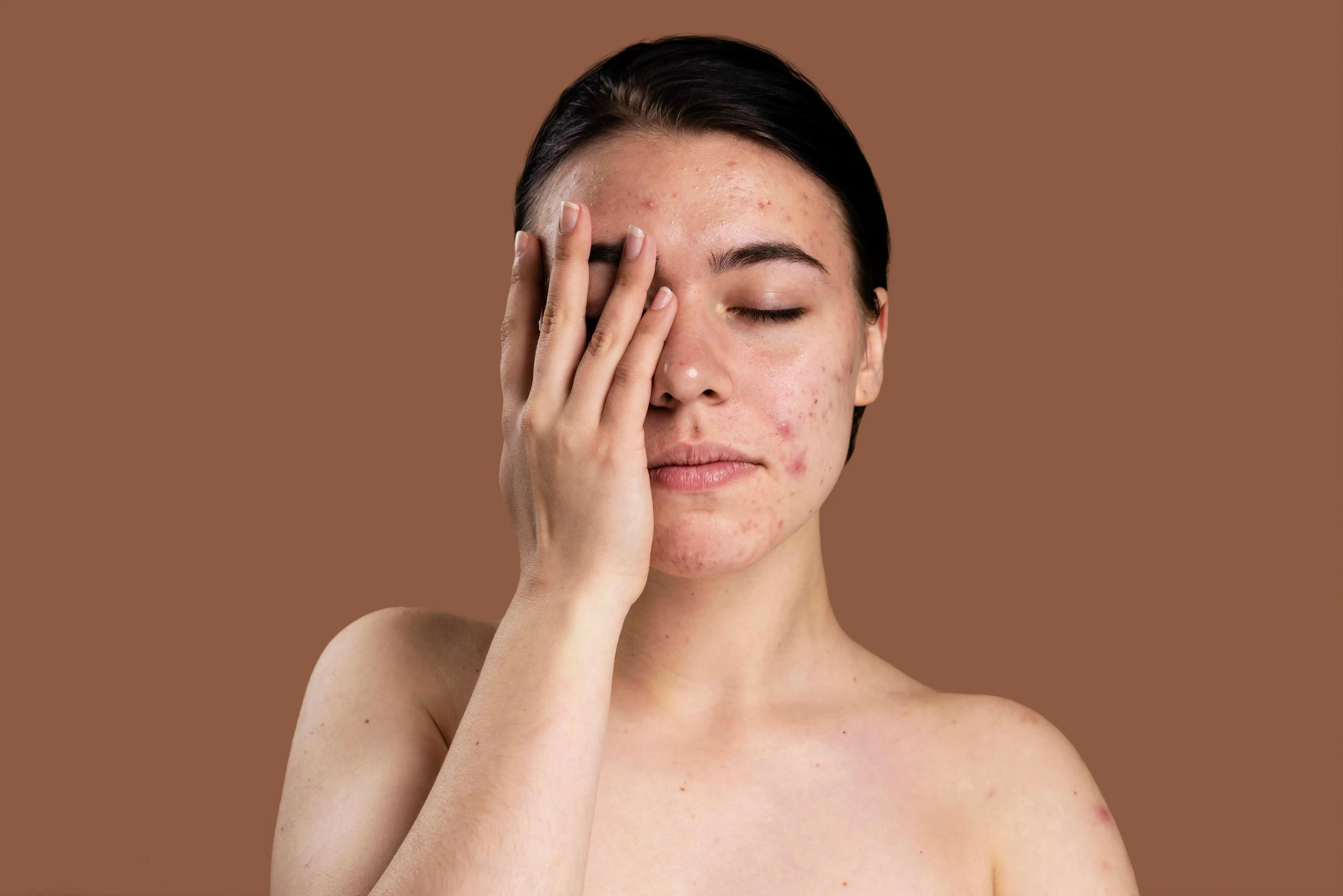
Use multani mitti no more than 2 to 3 times per week, especially if your skin is oily or combination. Mix it with a gentle base such as rose water, aloe vera gel, or plain water. Remove the pack before it becomes fully dry and cracked. Apply a lightweight, non-comedogenic moisturiser immediately afterwards. Avoid it on open, bleeding, very dry, sunburned, or irritated skin. See a dermatologist for painful, deep, scarring, or persistent acne.
What Is Multani Mitti and How Does It Help Pimples?
Multani mitti is a type of hydrated aluminium silicate clay, naturally mined and used in skincare for centuries across South Asia. For pimples specifically, multani mitti works as an absorbent, anti-inflammatory, and mild antimicrobial agent applied topically to the skin.
What multani mitti does:
- Absorbs excess sebum from pores, reducing the oily environment that feeds acne-causing bacteria
- Draws out impurities and dead skin cells through its high surface-area clay structure
- Reduces localised inflammation around active pimples
- Temporarily tightens pores, lowering the chance of new blockages forming
Multani mitti is not a medication. It does not treat cystic or hormonal acne at the root level, but it can meaningfully reduce surface-level breakouts, blackheads, and whiteheads, especially on oily skin.
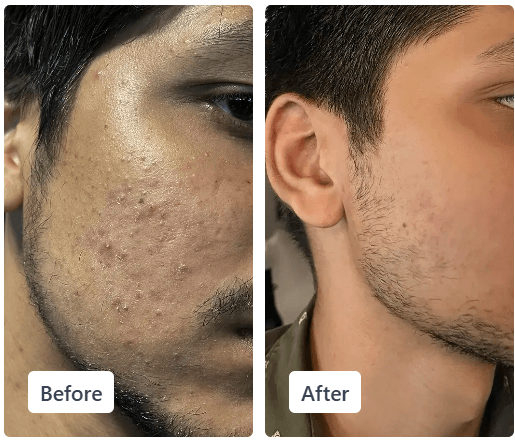
See real results, then start your own
Take the free Clear Ritual Skin Test and get a personalized routine built for your skin's unique patterns.
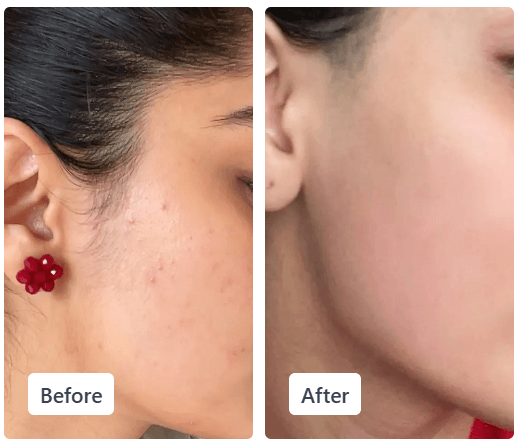
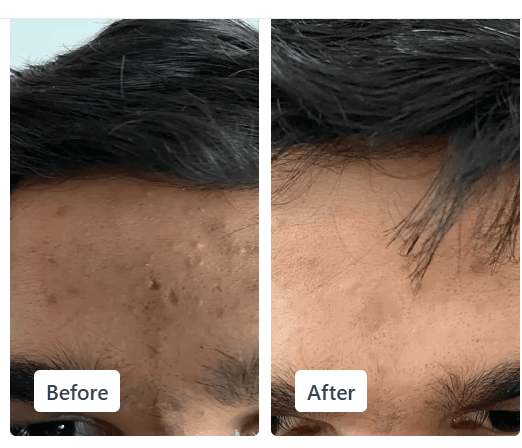
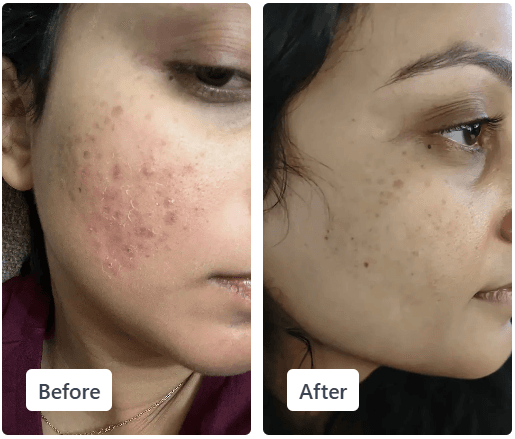
How Does Multani Mitti Work on Pimples? The Core Mechanism
Multani mitti reduces pimples through three simultaneous physical and chemical processes.
1. Sebum absorption Multani mitti's negatively charged clay particles attract positively charged sebum and toxins. As the mask dries, it pulls oil out of the follicle and traps it in the clay layer, which is then washed away. This works because excess sebum is the primary fuel for Cutibacterium acnes (formerly P. acnes), the bacteria responsible for inflammatory pimples.
2. Pore-level cleansing The clay physically binds to dead skin cells and debris sitting inside pores. When the mask is removed, this material is drawn out with it. Clinically, this reduces comedone (blackhead and whitehead) formation, a precursor stage to active pimples.
3. Anti-inflammatory cooling effect Multani mitti has a naturally low temperature upon drying, which creates a mild cooling sensation that can reduce redness and swelling around inflamed pimples. Studies on kaolin and smectite clays [which share a similar mineral profile] suggest a reduction in local skin temperature lowers prostaglandin-mediated inflammation [1].
Common misconception: Multani mitti does not kill bacteria directly in significant concentrations. Its primary anti-acne benefit comes from removing the oily substrate bacteria need to multiply, not from bactericidal action.
Key Benefits of Multani Mitti for Pimples
The Clear Ritual's formulation team identifies the following benefits based on observed skin outcomes and mineral composition data.
Short-Term Benefits (within 1 to 4 weeks)
- Reduced surface oiliness: Sebum absorption is measurable within a single application; sustained use can reduce midday shine by up to 40% in oily skin types
- Smaller-looking pores: Temporary tightening effect post-mask makes pores appear visibly reduced
- Reduced redness: Anti-inflammatory properties lower visible redness around active breakouts
- Smoother skin texture: Mild exfoliation from the clay removes dead skin cells that can clog follicles
Long-Term Benefits (4 to 12 weeks of consistent use)
- Fewer new pimples forming: Consistent sebum control reduces the frequency of new comedones and inflammatory lesions
- Improved skin tone evenness: Regular exfoliation helps fade post-acne hyperpigmentation gradually
- Reduced blackhead density: Weekly use has been associated with lower comedone counts in users with oily skin [2]
Who Benefits Most from Multani Mitti for Pimples?
- People with oily or combination skin, the biggest beneficiaries due to high sebum production
- Teenagers experiencing hormonal breakouts driven by increased oil gland activity
- Adults with non-cystic, surface-level acne (blackheads, whiteheads, mild papules)
- Those looking for a low-cost, additive-free skincare option without synthetic actives
Note: People with dry, sensitive, or eczema-prone skin should use multani mitti with caution, its strong absorbency can worsen dryness and irritation.
See real results, then start your own
Take the free Clear Ritual Skin Test and get a personalized routine built for your skin's unique patterns.
Types of Multani Mitti Face Packs for Pimples: Which Is Right for You?
Multani mitti is used in several formulations depending on skin type and the severity of breakouts.
| Pack Type | Best For | Key Added Ingredient | Frequency |
|---|---|---|---|
| Plain multani mitti + rose water | Oily, acne-prone skin | Rose water (mild toner) | 2 to 3x per week |
| Multani mitti + neem powder | Active inflammatory pimples | Neem (antibacterial) | 2x per week |
| Multani mitti + turmeric | Post-acne pigmentation | Turmeric (anti-inflammatory) | 1 to 2x per week |
| Multani mitti + aloe vera gel | Sensitive or combination skin | Aloe vera (soothing, hydrating) | 2x per week |
| Multani mitti + lemon juice | Oily skin with blackheads | Lemon (mild AHA exfoliant) | 1x per week max |
Choosing the right type:
- Active, red pimples → neem or aloe vera base (reduces irritation risk)
- Blackheads and clogged pores → plain pack or rose water base
- Post-pimple dark spots → turmeric base
- Sensitive skin → aloe vera base only; avoid lemon
How to Use Multani Mitti for Pimples: Step-by-Step Guide
The Clear Ritual recommends the following application method for best results on acne-prone skin.
What You Need
- 2 tablespoons of multani mitti powder
- Rose water, aloe vera gel, or plain water (as base liquid)
- A clean mixing bowl (non-metal)
- A soft face brush or clean fingertips
- Mild cleanser for pre-cleansing
Step-by-Step Application
Step 1: Cleanse your face Wash your face with a gentle, sulfate-free cleanser. Pat dry. Starting on clean skin ensures the clay can contact the pore directly, dirt on the surface reduces absorption efficiency.
Step 2: Mix the pack Combine 2 tablespoons of multani mitti with enough liquid to form a smooth, lump-free paste (consistency of thick yoghurt). Mix in a non-metal bowl, metal can react with clay and reduce its mineral activity.
Step 3: Apply evenly Apply a thin, even layer across the forehead, nose, and chin (T-zone) or wherever pimples are active. Avoid the under-eye area, lips, and any broken or actively bleeding skin.
Step 4: Let it dry partially Leave the pack on for 10 to 15 minutes, until it begins to dry but has not cracked completely. Removing at the "semi-dry" stage preserves hydration while still extracting sebum. Leaving it until fully cracked can over-dry the skin.
Step 5: Rinse with lukewarm water Rinse thoroughly using lukewarm (not hot) water. Hot water strips the skin barrier and can worsen post-acne redness. Pat, do not rub, dry.
Step 6: Apply moisturiser immediately Follow with a lightweight, non-comedogenic moisturiser within 60 seconds of patting dry. This is a critical step most people skip, multani mitti's absorbency can temporarily dehydrate skin, which paradoxically triggers more oil production if left unmoisturised.
Common Mistakes to Avoid
- Leaving it on until fully cracked: Causes over-drying and micro-irritation
- Using it daily: Daily clay masking disrupts the skin barrier; 2 to 3 times per week is optimal
- Skipping moisturiser: Creates rebound oiliness within hours of removal
- Mixing with lemon on sensitive skin: Lemon's acidity (pH ~2) can cause burns or hyperpigmentation, especially in darker skin tones
- Using on open wounds or popped pimples: Clay can introduce bacteria into broken skin
Multani Mitti vs. Alternatives for Pimples: An Honest Comparison
| Treatment | Mechanism | Best For | Cost | Limitations |
|---|---|---|---|---|
| Multani mitti | Sebum absorption, mild exfoliation | Oily skin, surface breakouts | Very low (₹30 to ₹100/use) | Not effective for cystic acne |
| Benzoyl peroxide | Kills acne bacteria directly | Moderate to severe inflammatory acne | Low to moderate | Can bleach fabrics, causes dryness |
| Salicylic acid cleanser | Exfoliates inside pores (BHA) | Blackheads, whiteheads | Low to moderate | Requires daily use; not suitable for dry skin |
| Kaolin clay | Similar to multani mitti, gentler | Sensitive or dry skin prone to breakouts | Low | Less absorbent than multani mitti |
| Niacinamide serum | Regulates sebum, reduces inflammation | All skin types, mild to moderate acne | Moderate | Slower visible results (6 to 8 weeks) |
The Clear Ritual's recommendation: For oily, non-cystic acne, multani mitti is a cost-effective first-line option. For moderate acne with significant inflammation, combine it with a salicylic acid cleanser or niacinamide serum as part of a layered routine. Severe or hormonal acne requires dermatologist-guided treatment, multani mitti alone is not sufficient.
What Results to Expect from Multani Mitti for Pimples: A Realistic Timeline
Results from multani mitti for pimples vary depending on skin type, severity of acne, and consistency of use.
| Timeframe | Expected Outcome |
|---|---|
| After 1st application | Reduced surface oiliness; skin feels tighter and matte |
| Week 1 to 2 | Visible reduction in blackhead appearance; mild pimples may reduce in size |
| Week 3 to 4 | Fewer new surface-level pimples forming; improved skin texture |
| Month 2 to 3 | Gradual fading of post-acne marks; consistent reduction in breakout frequency |
| Month 3+ | Stabilised oil control; maintenance-level results with ongoing use |
Factors that affect your results:
- Skin type: Oily skin responds faster and more visibly than combination or dry skin
- Acne severity: Surface-level comedones respond well; cystic or nodular acne does not respond meaningfully
- Consistency: Irregular use (less than once a week) produces minimal results
- Diet and hormones: High-glycaemic diets and hormonal fluctuations can offset surface-level improvements
- Moisturisation: Skipping post-mask hydration leads to rebound oiliness and counterproductive outcomes
Results are not guaranteed. In most cases, consistent use over 4 to 8 weeks is needed before visible skin improvement becomes sustained.
Best Practices for Using Multani Mitti for Pimples
The Clear Ritual's skin team recommends the following practices for safe and effective use.
Expert tips:
- Do a patch test first: Apply a small amount to the inner arm and wait 24 hours before applying to the face
- Use rose water as your base liquid: Rose water has a mild astringent effect and is pH-balanced for skin, making it the most compatible base for acne-prone users
- Apply at night: Skin repair is most active overnight; applying the pack in the evening allows post-removal moisturisation to work in sync with the skin's natural recovery cycle
- Limit to T-zone if skin is combination: Apply the pack only to oily zones, avoid dry patches on cheeks or jawline
- Store dry multani mitti in an airtight container: Exposure to moisture causes clumping and reduces mineral activity
- Do not use on sunburned or windburned skin: The clay's absorbency worsens already-compromised skin barrier states
- Follow up with SPF in the morning: Post-exfoliation skin is more sensitive to UV, which worsens post-acne hyperpigmentation
Advanced strategy: The Clear Ritual recommends alternating a multani mitti pack (2x per week) with a niacinamide serum (daily) for oily, acne-prone users. This combination addresses both surface sebum (clay) and sebum regulation at the gland level (niacinamide), producing faster and more durable results than either used alone.
What the Evidence Says About Multani Mitti for Pimples
Published research on multani mitti specifically is limited, but evidence on its core mineral components, smectite, kaolin, and silica clays, provides a scientifically grounded basis for its use.
Key evidence:
[1] Clay mineral absorbency and sebum control: A 2012 study published in the International Journal of Cosmetic Science found that smectite-class clays (to which multani mitti belongs) can absorb up to 80% of their weight in sebum and water, directly supporting their role in oil-reduction skincare [1].
[2] Anti-inflammatory properties of Fuller's Earth: Research on aluminium silicate cl
Editorial Standards
Clear Ritual has Strict sourcing guidelines to ensure our content is accurate and current. We rely on peer-reviewed studies, academic research institutions, and medical associations. We strive to use primary sources and refrain from using tertiary references. See a mistake? Learn More about our Editorial Standards.
Related Articles
How to Use Tea Tree Oil for Acne: The Complete Guide
Published 21 July 2026
Clay Mask For Blackheads: Complete Guide — How It Works, Benefits & Best Practices
Published 21 July 2026
Best Serum for Acne and Dark Spots: Complete Guide — How It Works, Benefits & Best Practices
Published 22 July 2026
Face Wash for Oily Skin and Dark Spots: What to Look For
Published 21 July 2026