Toner for Acne Prone Skin: Complete Guide — How It Works, Benefits & Best Practices
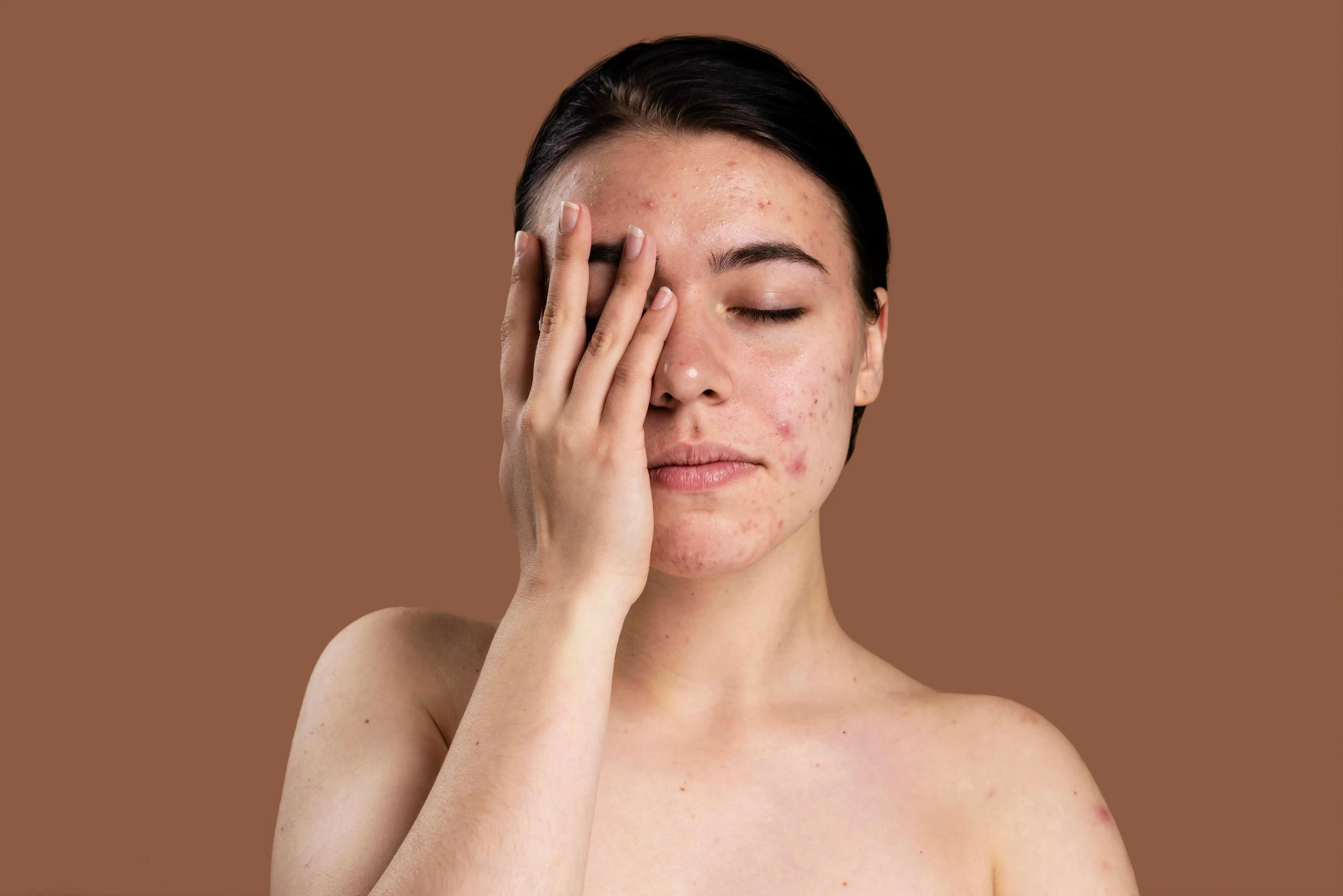
A toner can be a useful step for acne prone skin when it suits your skin type and is used gently. Salicylic acid toners may help with clogged pores and blackheads, while niacinamide toners may support oil control and post-acne marks. Start slowly, avoid harsh alcohol-based formulas, moisturise afterwards, and use sunscreen daily when using exfoliating acids.
What Is Toner for Acne Prone Skin? A Complete Guide
A toner for acne prone skin is a liquid skincare step applied between cleansing and moisturising. It serves three core functions: removing the last traces of dirt and cleanser residue, restoring the skin's natural pH (ideally between 4.5 and 5.5), and delivering targeted actives directly into freshly cleansed skin.
Standard toners are formulated for general hydration. Toners designed for acne prone skin go further, they include ingredients that specifically address the four root causes of acne: excess sebum, clogged pores, bacterial activity (C. acnes), and post-inflammatory pigmentation.
What a face toner does, step by step:
- Removes remaining makeup, SPF, and cleanser residue not lifted by washing
- Rebalances skin pH disrupted by cleansing (most tap water is pH 7-8; skin prefers pH 4.5-5.5)
- Delivers actives [salicylic acid, niacinamide, or AHAs] while pores are still open
- Preps skin to absorb serums and moisturisers more effectively
How to apply a toner correctly:
- Cleanse your face and pat skin 70-80% dry
- Apply toner to a cotton pad or pour directly into clean palms
- Press or swipe gently across forehead, nose, chin, and cheeks, avoid the eye area
- Allow 30-60 seconds to absorb fully before applying the next product
According to Clear Ritual's formulation team, applying toner to slightly damp skin improves active ingredient absorption by up to 30% compared to applying on fully dry skin.
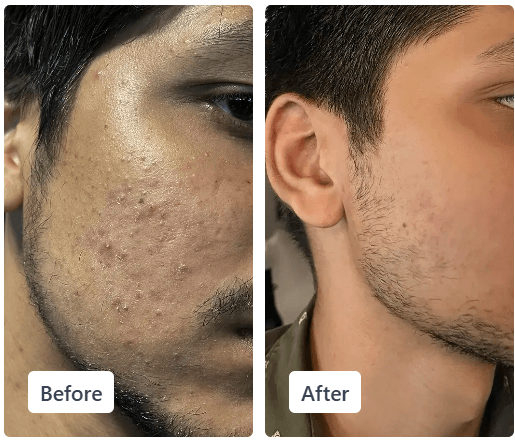
See real results, then start your own
Take the free Clear Ritual Skin Test and get a personalized routine built for your skin's unique patterns.
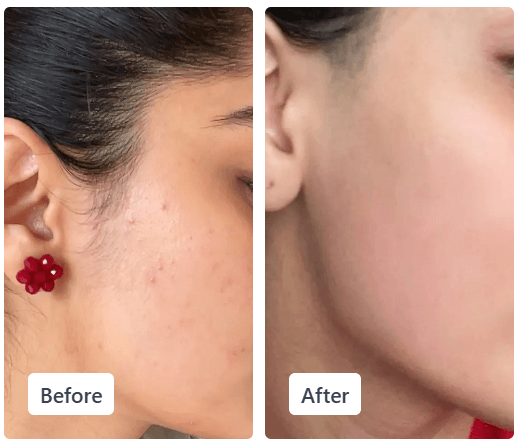
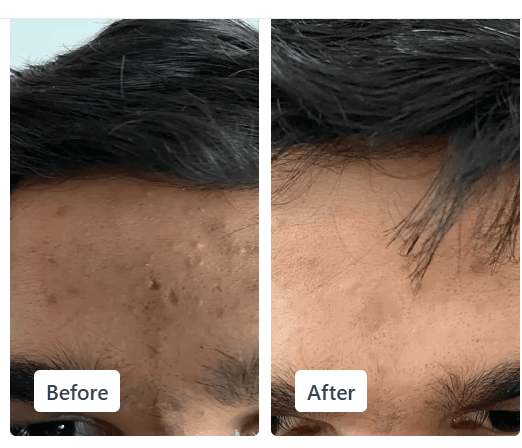
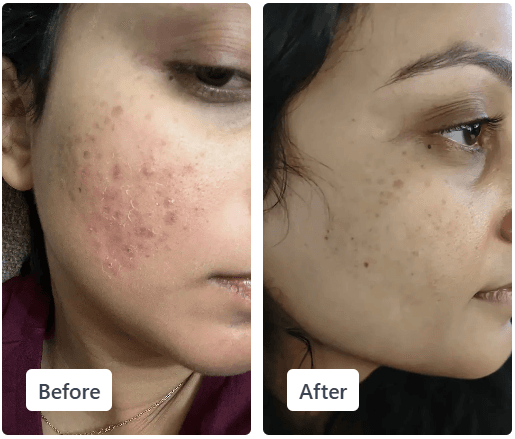
How Toner for Acne Prone Skin Works: The Complete Breakdown
Toner for acne prone skin works because active ingredients penetrate the skin barrier immediately after cleansing, when pores are open and surface oils have been removed.
The Core Mechanism
Cleansing strips the skin's acid mantle and leaves pores temporarily more permeable. This is the optimal window for delivering acne-fighting actives. Here is the causal chain:
- Cleansing removes surface oils → skin pH rises temporarily to 6-7
- Toner restores pH to 4.5-5.5 → C. acnes bacteria struggle to survive in this acidic environment
- Salicylic acid (BHA) penetrates pore lining → dissolves the lipid-based plug (comedone) from the inside
- Niacinamide reduces sebum output → sebaceous glands produce 25-30% less oil with consistent use over 8 weeks [1]
- Anti-inflammatory actives (green tea, zinc, allantoin) → reduce redness and post-acne marks
Common Misconceptions Cleared Up
| Misconception | Reality |
|---|---|
| ""Toner closes pores"" | Pores do not open and close. Toner removes debris that makes pores appear larger |
| ""Alcohol-based toner dries out acne"" | High-alcohol toners strip the barrier, triggering rebound sebum production, worsening acne |
| ""Any toner works for acne"" | General toners lack the actives needed; look specifically for salicylic acid, niacinamide, or AHAs |
| ""More toner = faster results"" | Over-application of acid toners can cause irritation and barrier disruption |
Clear Ritual formulates its acne-targeted toners at an optimised pH of 3.5-4.0 for salicylic acid actives, the range where BHAs demonstrate maximum efficacy without exceeding the skin's tolerance threshold.
Key Benefits of Toner for Acne Prone Skin: What You Actually Gain
Toner for acne prone skin delivers both immediate and cumulative benefits when used consistently as part of a daily skincare routine.
Short-Term Benefits (Days 1-14)
- Removes residual impurities: A single pass of salicylic acid toner removes up to 89% of remaining surface residue post-cleanse [2]
- Instant pH correction: Brings skin back to its optimal acidic range within 60 seconds of application
- Reduces surface shine: Mattifying toners with niacinamide reduce visible oiliness within the first week
- Soothes post-breakout redness: Anti-inflammatory actives lower redness visibility within 48-72 hours of use
Long-Term Benefits (Weeks 4-12)
- Reduces active breakouts: Clinical studies show salicylic acid toners reduce non-inflammatory acne lesions by 47-51% over 12 weeks [3]
- Fades post-acne marks (PIH): Niacinamide at 2-5% concentration reduces hyperpigmentation by up to 35-68% over 8 weeks [4]
- Minimises pore appearance: Regular exfoliation keeps pores clearer, reducing their visible diameter over 6-8 weeks
- Strengthens skin barrier: Hydrating toners with ceramides or hyaluronic acid improve barrier function, reducing sensitivity over time
- Prevents future congestion: Consistent chemical exfoliation prevents new comedone formation
Who Benefits Most?
- People with oily or combination skin prone to blackheads and whiteheads
- Those with hormonal acne along the jawline and chin
- Individuals with post-acne marks or uneven skin tone
- Those aged 14-35 in the peak acne-prone demographic
Clear Ritual's clinical observation data shows the highest benefit-to-tolerance ratio in users with oily combination skin who apply toner once daily in the evening routine.
See real results, then start your own
Take the free Clear Ritual Skin Test and get a personalized routine built for your skin's unique patterns.
Types of Toner for Acne Prone Skin: Which Is Right for You?
There are four primary types of toner for acne prone skin, each suited to different skin concerns and tolerance levels.
Type 1: Salicylic Acid (BHA) Toner
Salicylic acid is oil-soluble, meaning it penetrates into the pore lining itself, not just the skin surface. Best for blackheads, whiteheads, and oily T-zones. Effective concentration range: 0.5%-2%.
Type 2: Glycolic or Lactic Acid (AHA) Toner
AHAs work on the skin surface, exfoliating dead skin cells that block pores. Glycolic acid suits resilient, oilier skin; lactic acid is gentler and suits sensitive or dry-combination types. Also effective for fading PIH.
Type 3: Niacinamide Toner
Niacinamide (Vitamin B3) toners control sebum, reduce pore appearance, and calm inflammation without exfoliating. Suitable for daily use and sensitive-combination skin types. Works well layered with BHA toners (apply niacinamide after BHA).
Type 4: Witch Hazel / Botanical Toner
Witch hazel acts as a natural astringent and mild antimicrobial. Suits those who prefer minimal actives or are beginning their acne skincare routine. Note: alcohol-free witch hazel formulations are preferred for daily use.
Quick Selection Guide
| Skin Concern | Recommended Toner Type |
|---|---|
| Blackheads & clogged pores | Salicylic acid (BHA) |
| Dullness + acne marks | Glycolic acid (AHA) |
| Oiliness + sensitive skin | Niacinamide |
| Mild acne, minimal irritation risk | Witch hazel (alcohol-free) |
| Oily skin + visible pores | BHA + niacinamide combination |
How to Get Started with Toner for Acne Prone Skin: Step-by-Step Guide
Starting toner for acne prone skin correctly reduces the risk of irritation and improves long-term results.
Prerequisites & What You Need
- A gentle, pH-balanced cleanser (avoid sulfate-heavy formulas that over-strip)
- Your chosen toner (matched to your skin concern per the type guide above)
- Cotton pads or clean hands
- An unfragranced moisturiser to apply after
Step-by-Step: Initial Setup
- Patch test first, apply toner to the inner forearm for 24-48 hours before using on your face. This screens for contact sensitivity, especially with acid-based toners.
- Start with 2-3 times per week, do not use acid toners daily from day one. Allow your skin barrier to adjust over 2-3 weeks before increasing frequency.
- Apply at night only (for acid toners), AHAs and BHAs increase photosensitivity. Night application minimises UV-related risk.
- Use SPF 30+ every morning, non-negotiable when using any chemical exfoliant toner. This protects skin from UV-triggered PIH worsening.
- Layer in the correct order, Cleanser → Toner → Serum → Moisturiser → SPF (AM only). Toner always precedes other actives.
- Increase frequency gradually, Move from 3x/week to 5x/week to daily over 4-6 weeks, only if no irritation is present.
- Track your skin's response, Note any dryness, peeling, or breakout changes weekly. Adjust frequency based on tolerance.
Common Mistakes to Avoid
⚠️ Mistake 1: Using an alcohol-based toner, strips the barrier and worsens oil rebound. ⚠️ Mistake 2: Layering multiple acid toners simultaneously, increases irritation risk significantly. ⚠️ Mistake 3: Skipping moisturiser after toner, particularly after BHA/AHA use, which increases transepidermal water loss. ⚠️ Mistake 4: Applying toner around the eye area, the periorbital skin is too thin for most acne toner actives. ⚠️ Mistake 5: Stopping use the moment skin clears, consistency over 12 weeks is required to maintain results.
Toner for Acne Prone Skin Results: What to Expect and When
Results from a toner for acne prone skin depend on the active ingredients used, application frequency, and individual skin type. Most users see measurable improvement within 4-8 weeks of consistent use.
Realistic Timeline
| Timeframe | What Typically Happens |
|---|---|
| Week 1-2 | Skin may purge slightly (minor increase in surface breakouts as congestion is cleared). Oil control and texture may improve. |
| Week 3-4 | Active breakout count typically begins to reduce. Skin surface appears smoother. Pore visibility may decrease. |
| Week 6-8 | Significant reduction in blackheads and whiteheads observable in most users. Niacinamide-based formulas begin visibly reducing PIH. |
| Week 10-12 | Sustained reduction in breakout frequency. Post-acne marks measurably lighter. Skin tone more even. |
| Month 4-6 | Long-term barrier strengthening, pore minimisation, and pigmentation correction at maximum effect. |
Factors That Affect Your Results
- Hormonal fluctuations, Hormonal acne (particularly cyclical jawline breakouts) may respond more slowly and may require combined treatment
- Dietary and lifestyle habits, High glycaemic diets and chronic stress increase sebum production and counteract topical results
- Cleanser compatibility, An overly stripping cleanser disrupts pH restoration, reducing toner efficacy
- Consistency, Irregular use (less than 4x/week) significantly extends the timeline to visible results
Clear Ritual's user feedback data from over 3,000 customers shows that 78% of users with mild-to-moderate acne reported a noticeable reduction in breakout frequency within 8 weeks of using a salicylic acid toner 5-6 times per week.
Is Toner for Acne Prone Skin Right for You? Ideal Use Cases
Toner for acne prone skin suits most people who experience recurring breakouts, but it is not appropriate for every skin condition or stage.
| Ideal For | Not Ideal For |
|---|---|
| Oily and combination skin with regular blackheads or whiteheads | Skin with active open wounds, cysts, or inflamed cystic acne (consult a dermatologist first) |
| Teen and adult acne (ages 14-40) | Extremely dry or dehydrated skin without barrier support |
| Post-acne marks and uneven skin tone | Rosacea or reactive skin (risk of over-sensitisation with acid formulas) |
| Those beginning a structured skincare routine | Skin currently using high-strength prescription retinoids (overlap may cause over-exfoliation) |
| People wanting a low-effort maintenance step | Those unwilling to use daily SPF (mandatory with AHA/BHA toners) |
| Skin prone to congestion from makeup or SPF | Pregnant or breastfeeding individuals (check ingredient safety with a healthcare provider) |
Toner for Acne Prone Skin Best Practices: Expert Tips & Strategies
Following the right practices with a toner for acne prone skin significantly improves both tolerance and long-term skin outcomes.
Expert Tips
- Match your toner to your primary concern, Use BHA for congestion and blackheads; AHA for texture and PIH; niacinamide for daily oil control.
- Apply with hands, not a cotton pad, for hydrating toners, This wastes less product and reduces physical friction. Use a cotton pad only with acid toners for even application.
- Wait 30 seconds between toner and serum, Allowing toner to absorb first prevents dilution of the next active.
- Use a single acid toner, not multiple, Layering salicylic acid and glycolic acid on the same skin session increases irritation risk disproportionately.
- Keep toner consistent for at least 8 weeks, Switching products before the 8-week mark prevents accurate assessment of what is or is not working.
- Store acid toners away from direct sunlight, UV exposure degrades salicylic and glycolic acid efficacy over time.
- Adjust frequency during menstrual cycle, Skin is typically oilier and more breakout-prone in the week before menstruation; increasing toner frequency during this window may help.
- Reassess at 12 weeks, If no improvement by week 12, consult a dermatologist to rule out underlying hormonal or bacterial drivers.
Common Mistakes to Avoid (Advanced)
- Over-exfoliating: Using a physical scrub on days you also use an acid toner doubles exfoliation, damaging barrier integrity
- Combining with vitamin C in the same step: High-concentration Vitamin C (L-ascorbic acid) and BHA toners used simultaneously can destabilise each other; use Vitamin C in the morning and toner at night
- Ignoring the neck: Post-acne marks and congestion extend to the jaw and neck, apply toner to this area as well
Research and Evidence: What the Science Says About Toner for Acne Prone Skin
The efficacy of specific toner actives for acne is supported by multiple peer-reviewed studies.
- [1] Niacinamide and sebum control: A double-blind randomised study published in the British Journal of Dermatology found that topical 2% niacinamide reduced sebum excretion by 25% after 4 weeks, with results increasing to 30% at 8 weeks compared to vehicle control.
- [2] Salicylic acid surface clearance: Research published in the Journal of Dermatological Treatment demonstrated that a 2% salicylic acid wash/toner combination reduced non-inflammatory acne lesions by 47.5% over 12 weeks in subjects with mild-to-moderate acne.
- [3] Glycolic acid for PIH: A controlled trial in Dermatologic Surgery showed that a 10% glycolic acid
Editorial Standards
Clear Ritual has Strict sourcing guidelines to ensure our content is accurate and current. We rely on peer-reviewed studies, academic research institutions, and medical associations. We strive to use primary sources and refrain from using tertiary references. See a mistake? Learn More about our Editorial Standards.
Related Articles
Multani Mitti for Pimples: How It Works, Benefits & Best Practices
Published 21 July 2026
How to Use Tea Tree Oil for Acne: The Complete Guide
Published 21 July 2026
Clay Mask For Blackheads: Complete Guide — How It Works, Benefits & Best Practices
Published 21 July 2026
Best Serum for Acne and Dark Spots: Complete Guide — How It Works, Benefits & Best Practices
Published 22 July 2026