How Long Does a Pimple Take to Heal? A Complete Guide by Type
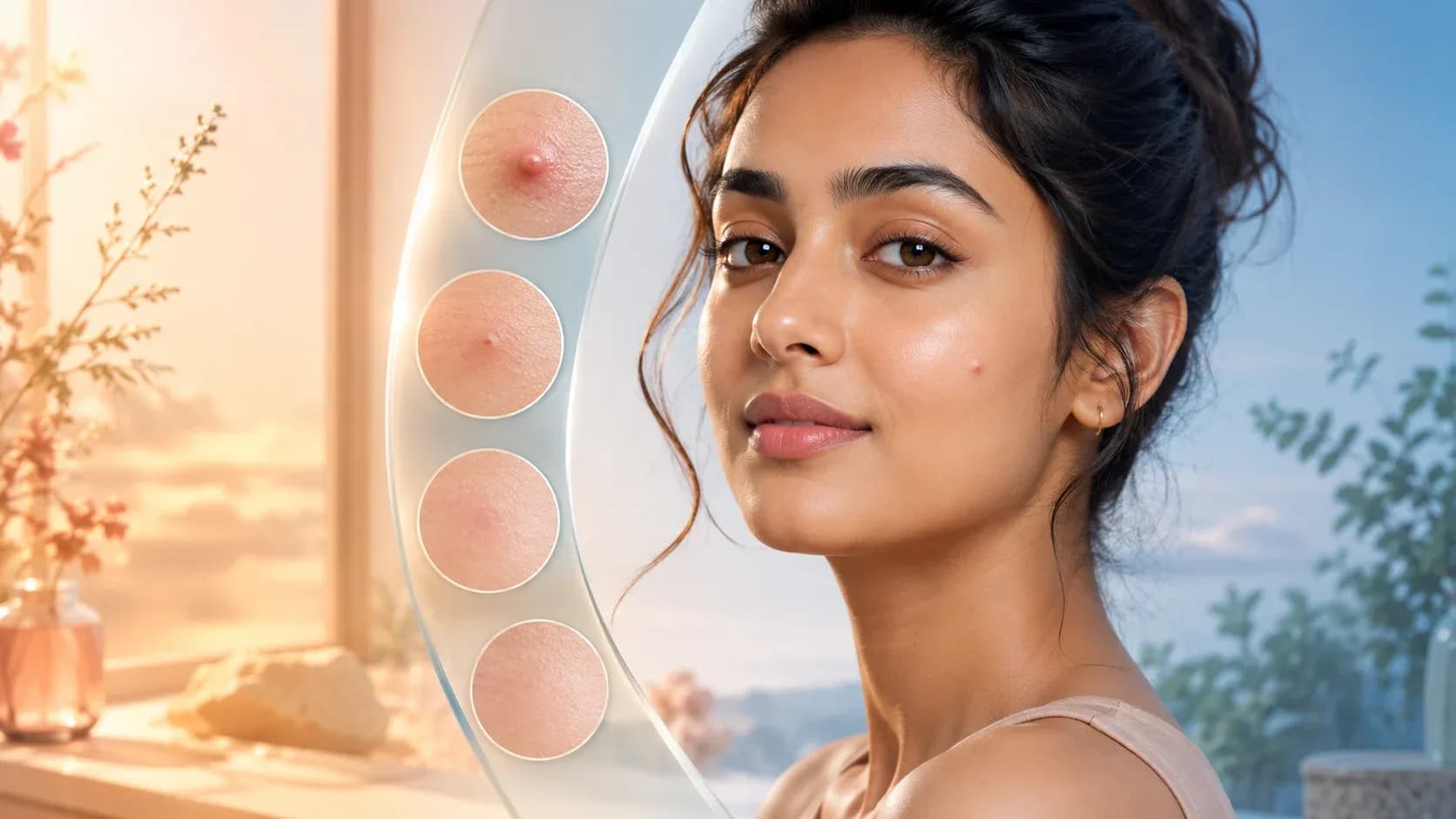
Most surface pimples heal within 3 to 10 days. Papules and pustules usually take about 5 to 10 days, while deeper nodules and cysts can need 2 to 6 weeks. Picking or popping a pimple can add several days to the healing process and increase the risk of dark marks or scarring.
Most pimples clear in 3 to 10 days, but cysts and nodules can take two to six weeks, and the marks they leave can linger for months. The type of pimple, how deep the inflammation sits, and what you do in the first 48 hours all determine how quickly your skin recovers.
What Is a Pimple and Why Does Healing Time Vary?
A pimple is a small, inflamed skin lesion that forms when a hair follicle becomes blocked with excess sebum, dead skin cells, and bacteria. When the immune system responds to that blockage, it triggers redness, swelling, and sometimes pus. How long that response lasts depends on the lesion type:
- Blackheads and whiteheads (comedones): 3 to 7 days
- Papules and pustules: 5 to 10 days
- Nodules and cysts: 2 to 6 weeks
- Popped or picked pimples: adds 3 to 14 additional days
- Post-inflammatory marks (PIH): 4 to 12 weeks after the pimple itself clears
Most surface-level pimples heal on their own when left alone. Deeper inflammatory lesions , the ones that hurt when pressed , benefit from targeted care because the dermis, where collagen and blood vessels live, takes significantly longer to rebuild than the outer layers of skin.
What Happens Inside Your Skin When a Pimple Forms?
A pimple starts long before it is visible on the skin surface. It begins when a hair follicle becomes clogged with excess sebum, dead skin cells, and bacteria. This blockage creates an oxygen-deprived environment where Cutibacterium acnes bacteria multiply rapidly. The immune system detects this bacterial overgrowth and sends white blood cells to the site, triggering inflammation , the redness, swelling, and tenderness you feel.
The healing timeline depends entirely on how deep this inflammatory process reaches. A surface-level comedone heals quickly because the blockage sits near the epidermis. When inflammation reaches the dermis , where collagen and blood vessels reside , the body needs more time to clear infection, rebuild tissue, and restore the skin barrier.
According to Clear Ritual's skin science team, this depth distinction is the single most important factor in predicting how long a pimple will take to heal.
How Long Does Each Type of Pimple Take to Heal?
Different pimple types have distinct healing timelines based on how far the inflammation extends into the skin.
Blackheads and Whiteheads (Comedones): 3 to 7 Days
These non-inflammatory lesions form when pores become blocked but inflammation remains minimal. Blackheads stay open to air and oxidise, turning dark. Whiteheads remain closed under the skin surface. Both typically resolve within three to seven days without intervention. Improper extraction can push bacteria deeper and convert a comedone into an inflammatory pimple, restarting the healing clock.
Papules: 5 to 7 Days
Papules are small, red, tender bumps without a visible white centre. They represent early inflammatory acne where the immune system has begun fighting bacteria. Because the infection remains relatively contained, papules typically resolve within five to seven days if left undisturbed.
Pustules: 5 to 10 Days
Pustules are papules that have developed a white or yellow pus-filled centre. The pus contains dead white blood cells and bacteria, the body's natural containment mechanism. Pustules generally heal within five to ten days when left alone. Squeezing a pustule before it naturally drains forces bacteria and inflammatory material into surrounding tissue, spreading infection and potentially extending healing time to two weeks or longer.
Nodules: 2 to 4 Weeks
Nodules feel like hard bumps under the skin without a visible head. They form when inflammation extends far into the dermis. Because the dermis must reconstruct collagen , not just regenerate skin cells , nodules require two to four weeks to resolve and carry a moderate-to-high scarring risk.
Cysts: 4 to 6 Weeks
Cysts are fluid-filled lesions that can feel softer than nodules but sit equally deep in the skin. They represent the most severe inflammatory response and typically take four to six weeks to heal. Cystic acne often indicates hormonal involvement, particularly elevated androgens that increase sebum production. Stress hormones like cortisol also worsen inflammation and slow healing by suppressing certain immune functions while overactivating others.
Pimple Types and Healing Times: Comparison Table
| Pimple Type | What It Looks Like | Healing Time | Scarring Risk | Best First Step |
|---|---|---|---|---|
| Blackhead (comedone) | Dark, open pore | 3–7 days | Very low | Salicylic acid cleanser |
| Whitehead (comedone) | Closed, white bump | 3–7 days | Very low | Gentle exfoliation |
| Papule | Red, tender, no head | 5–7 days | Low | Cold compress, niacinamide |
| Pustule | Red with yellow/white head | 5–10 days | Low–moderate | Hydrocolloid patch |
| Nodule | Hard, deep, painful | 2–4 weeks | Moderate–high | Dermatologist consultation |
| Cyst | Fluid-filled, deep, soft | 4–6 weeks | High | Intralesional steroid injection |
| Popped pimple | Open wound, any type | +3–14 days vs. untouched | Moderate–high | Hydrocolloid patch, keep clean |
Key insight: The moment inflammation crosses from the epidermis into the dermis, healing time roughly triples , because the dermis must reconstruct collagen, not just regenerate surface skin cells.
Pimple Healing Stages: What Is Happening Week by Week
Pimple healing follows five predictable stages spanning 3 days to 12 weeks, depending on lesion depth. Understanding each stage helps you respond correctly and avoid actions that accidentally reset the healing clock.
Stage 1: Inflammation (Days 1–3)
The immune system floods the follicle with white blood cells. The pimple swells, reddens, and becomes tender. The goal at this stage is to reduce heat and avoid friction , not to squeeze or extract. Applying a warm (not hot) compress for 10 minutes twice daily can support circulation without worsening inflammation.
Stage 2: Pus Formation (Days 2–5, Pustules Only)
Dead white blood cells accumulate into visible pus. This is the body's natural containment strategy , the pus is being walled off, not spreading. Forcing pus out sideways by squeezing ruptures the follicle internally, spreads bacteria into the surrounding dermis, and resets healing.
Stage 3: Drainage and Flattening (Days 4–7)
For surface pimples, the lesion begins to flatten as inflammation subsides and pus reabsorbs or drains naturally. Redness fades from bright red toward pink. At this stage, gentle salicylic acid or niacinamide can support cell turnover without irritating healing tissue.
Stage 4: Skin Regeneration (Days 5–14; Up to Week 6 for Deeper Lesions)
New skin cells migrate to close the wound. A scab or dry flake may appear , this is protective and should not be picked. For nodules and cysts, the dermis rebuilds collagen during this phase, which is why deep pimples leave depressions if squeezed and why patience matters most here.
Stage 5: Post-Inflammatory Mark Fading (Weeks 4–12 After Healing)
Once the infection clears, a flat pink, red, or brown mark often remains. This is post-inflammatory hyperpigmentation (PIH) or post-inflammatory erythema (PIE), not a scar. PIH fades over four to twelve weeks in most people. Daily sun protection and vitamin C significantly accelerate this process, because UV exposure darkens existing PIH and slows collagen remodelling.
How Long Does a Popped Pimple Take to Heal?
A popped pimple typically takes 3 to 14 days longer to heal than one left alone , because squeezing ruptures the follicle wall beneath the skin's surface and restarts the inflammatory cycle.
When a pimple is squeezed before it is ready, two things happen:
- The follicle wall ruptures beneath the surface. Bacteria and inflammatory material spill into surrounding dermis, potentially turning one pimple into a cluster.
- An open wound forms on the surface, vulnerable to secondary bacterial infection from hands, phone screens, and environmental contaminants.
If you have already popped a pimple, here is what typically happens next:
- First 24 hours: The wound may weep clear fluid or lymph. Gently clean with a mild cleanser and apply a hydrocolloid patch immediately to draw out fluid and protect the wound.
- Days 2–4: A scab or thin crust forms. Do not remove it , the scab is a biological bandage, and removing it exposes raw tissue, delays closure, and increases PIH risk.
- Days 5–10: New skin forms under the scab. Redness fades and the surface gradually normalises.
- Weeks 2–8: Post-inflammatory marks remain and fade depending on skin tone and sun exposure.
A dermatologist can drain a large cyst safely using a sterile needle and comedone extractor. This does not cause the same damage as manual squeezing because it targets the exact pressure point without rupturing surrounding tissue.
What Factors Make a Pimple Take Longer to Heal?
Several specific factors can extend a pimple's healing time well beyond the typical range.
Physical Manipulation
Picking, squeezing, or constantly touching a pimple introduces new bacteria from the hands, ruptures the follicle wall beneath the surface, and spreads inflammation to adjacent tissue. This can turn a five-day pimple into a two-week wound with scarring risk. The urge to extract almost always backfires by deepening inflammation and delaying healing.
Compromised Skin Barrier
The skin barrier consists of lipids, ceramides, and proteins that seal moisture in and keep irritants out. When skin barrier damage develops through over-cleansing, harsh exfoliants, or stripping acne treatments, transepidermal water loss increases. Dehydrated skin struggles to heal efficiently because cell turnover and collagen synthesis require adequate hydration. Ironically, aggressive acne treatment can prolong healing time.
Sleep Deprivation and Stress
Sleep deprivation reduces growth hormone secretion, which the body needs for tissue repair. Poor sleep also elevates cortisol, increasing sebum production and inflammation. Research published in the Archives of Dermatology found that acne severity in university students worsened significantly during exam periods and correlated directly with cortisol elevation , not just sleep loss.
High-Glycemic Diet and Dairy
High-glycemic foods , white bread, sugary drinks, processed snacks , cause insulin spikes that trigger androgen release, worsening oil production and inflammation. Full-fat dairy products contain growth hormones that stimulate the same androgen pathway. Anti-inflammatory foods rich in omega-3 fatty acids may support faster resolution by reducing systemic inflammatory signalling.
Environmental Stressors
Pollution particles settle on skin and oxidise sebum, making it more comedogenic. UV exposure worsens post-inflammatory hyperpigmentation and generates free radicals that damage healing tissue. Mask-wearing creates occlusion and friction, trapping sweat and bacteria against the skin.
Understand why your pimples are slow to heal
Take the free Clear Ritual Skin Test to identify your acne pattern, possible triggers, and the routine your skin needs for better recovery.
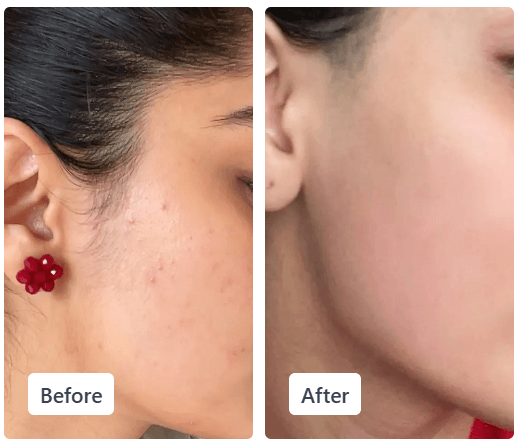
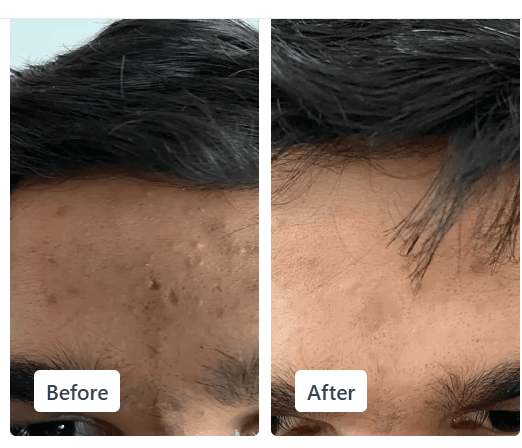
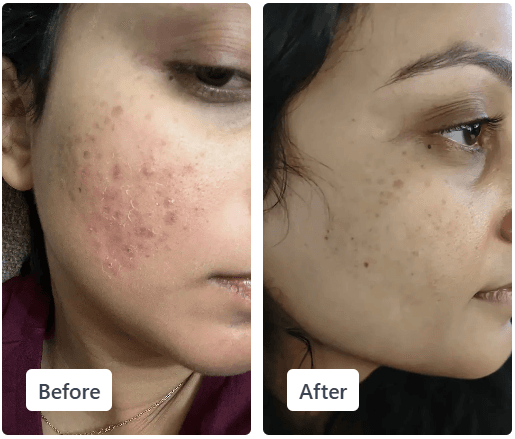
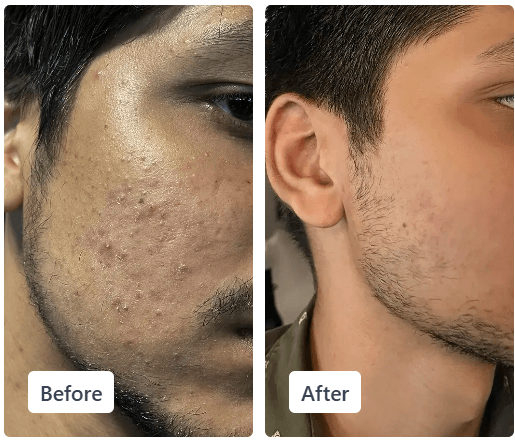
What Actually Helps a Pimple Heal Faster? Evidence-Backed Ingredients
Not all acne products speed healing. Some popular ones actively slow it by compromising the skin barrier. The following ingredients have the strongest evidence for reducing pimple healing time:
- Benzoyl peroxide (2.5%–5%): Kills Cutibacterium acnes by releasing oxygen into the follicle. Studies show 2.5% benzoyl peroxide reduces inflammatory lesion count by up to 70% within four weeks. Start with the lowest effective concentration to avoid barrier disruption.
- Salicylic acid (0.5%–2%): A beta-hydroxy acid that dissolves the sebum-and-dead-cell plug inside the follicle because it is oil-soluble. Most effective for comedones and early papules; less effective for deep nodules.
- Niacinamide (4%–5%): Reduces sebum production, calms the immune overreaction driving redness, and accelerates PIH fading. A 2017 study in the International Journal of Dermatology found 4% niacinamide comparable to 1% clindamycin for mild-to-moderate acne.
- Hydrocolloid patches: Create a sealed, moist wound environment that accelerates healing by 40–50% compared to air-exposed wounds, according to moist wound-healing research. They also physically prevent picking.
- Adapalene (0.1% retinoid): Normalises cell turnover in the follicle, preventing future blockages and accelerating the skin regeneration phase across an 8–12 week treatment course.
- Cold compresses: Constrict blood vessels, temporarily reducing swelling and redness. Most useful in Stage 1. Apply wrapped in cloth for 1–2 minutes maximum , direct ice contact can damage skin.
What to avoid: Toothpaste, undiluted alcohol, undiluted tea tree oil, and crushed aspirin cause significant barrier disruption. They may dry the surface while leaving the underlying infection untouched.
Clear Ritual's approach to ingredient selection prioritises barrier integrity alongside active treatment, because a damaged barrier is often harder to repair than the original pimple.
Why Do Some Pimples Take Months to Heal?
If a pimple has lasted more than three weeks, one or more of the following is almost certainly extending healing.
Hormonal surges that keep refuelling the follicle. Elevated androgens signal sebaceous glands to produce excess oil. Even as one pimple tries to heal, the gland keeps filling the follicle. Pimples that appear in the same spot every month are typically hormonal, and topical treatment alone rarely provides lasting resolution because the root cause is internal.
Subclinical infection that was never fully cleared. Nodules and cysts can appear to flatten without fully resolving. The internal inflammation persists below the surface and reactivates when pressure, hormones, or immune changes tip the balance.
Barrier damage from aggressive treatment. Over-layering benzoyl peroxide, retinol, salicylic acid, and an AHA simultaneously creates a barrier-compromised environment where the skin cannot complete its healing cascade. The pimple reduces but never fully clears because the repair process keeps getting interrupted.
PIH that looks like an active pimple. A flat, dark or red mark with no texture is not a pimple , it is post-inflammatory hyperpigmentation. It does not need acne treatment; it needs sun protection and brightening ingredients such as vitamin C, tranexamic acid, or alpha arbutin. Many people continue treating PIH as an active pimple and wonder why it is not healing , it healed weeks ago.
If a pimple is still raised, tender, or producing content after six weeks, that warrants a dermatologist visit. Intralesional corticosteroid injections can resolve a stubborn nodule within 24 to 48 hours , a timeline no topical product can match.
Common Mistakes That Prolong Pimple Healing
Many people unintentionally extend pimple healing time through well-intentioned but counterproductive habits.
- Over-treating with multiple strong actives simultaneously. Layering benzoyl peroxide, salicylic acid, retinoids, and alcohol-based toners creates excessive irritation. The skin becomes red, flaky, and sensitised , and must repair treatment damage in addition to resolving the original pimple.
- Inconsistent routines. Aggressively treating skin for a few days, stopping when irritation occurs, then restarting creates a cycle of inflammation and recovery that extends overall healing time. Consistency with gentle, appropriate care produces better results than sporadic intensive treatment.
- Ignoring hydration. When skin feels oily, the instinct is to dry it out completely. But dehydrated skin often produces more oil to compensate, and the lack of moisture impairs the healing cascade.
- Skipping sun protection. UV exposure is the number one reason post-inflammatory marks take months instead of weeks to fade. Daily SPF 30+ is non-negotiable during and after active breakouts.
The Role of Individual Variation in Pimple Healing
Healing time varies significantly between individuals based on genetics, age, skin type, and overall health. Some people naturally produce more inflammatory mediators, leading to more intense and prolonged reactions. Others have more efficient wound-healing mechanisms that clear pimples quickly.
Age affects healing speed because cellular turnover slows over time, so pimples and the marks they leave may take longer to resolve as skin renewal becomes less efficient.
Frequently Asked Questions
Can a pimple heal overnight?
No. Swelling and redness may improve overnight, but the blocked follicle and inflammation need time to resolve. Surface pimples commonly require several days, while deep lesions take longer.
Does popping a pimple make it heal faster?
No. Popping can rupture the follicle wall, spread inflammation into nearby tissue, create an open wound, and increase the risk of dark marks and scarring.
Why is my pimple not healing after two weeks?
It may be a deep nodule or cyst, a repeatedly irritated lesion, or a post-inflammatory mark mistaken for active acne. A raised, painful lesion that persists should be assessed by a dermatologist.
How long do pimple marks take to fade?
Flat red, pink, or brown post-inflammatory marks may take 4 to 12 weeks or longer to fade. Daily sunscreen helps prevent them from becoming darker.
When should I see a dermatologist for a pimple?
Seek professional care when a pimple remains raised, painful, or continues producing fluid after several weeks, or when deep breakouts recur and begin leaving scars.
Editorial Standards
Clear Ritual has Strict sourcing guidelines to ensure our content is accurate and current. We rely on peer-reviewed studies, academic research institutions, and medical associations. We strive to use primary sources and refrain from using tertiary references. See a mistake? Learn More about our Editorial Standards.
Related Articles
Do Blackhead Vacuums Work? Results, Risks & Safety
Published 7 October 2026
Sunscreen and Pimples: Can SPF Cause Breakouts?
Published 21 July 2026
Summer Skincare Routine: Complete Guide — How It Works, Benefits & Best Practices
Published 20 July 2026
Men's Skin Care Kit Under 500: Complete Guide — How It Works, Benefits & Best Practices
Published 20 July 2026