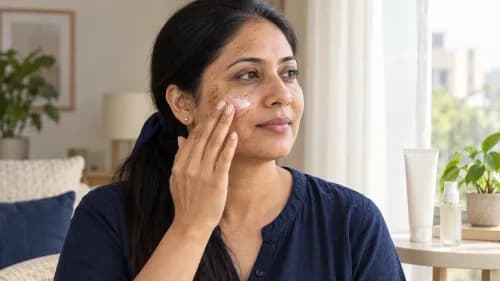
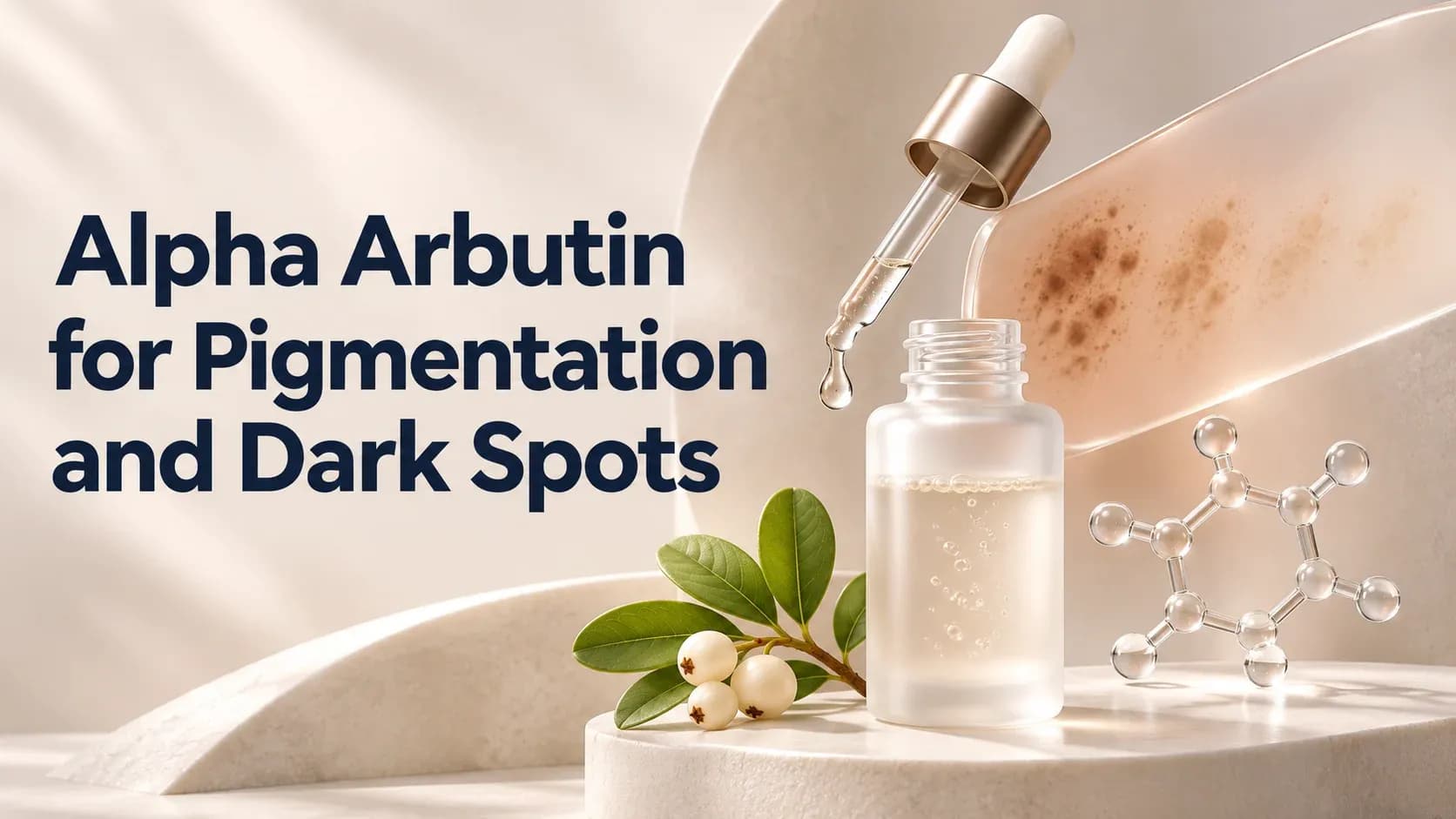
Alpha Arbutin for Pigmentation and Dark Spots: Complete Guide
Quick Answer:
Alpha arbutin is a skin-brightening ingredient that reduces pigmentation and dark spots by blocking the enzyme responsible for melanin production. It is suitable for all skin types, works without irritation, and shows measurable results within 4-8 weeks of consistent daily use.
Alpha arbutin is a skin-brightening ingredient that reduces pigmentation and dark spots by blocking the enzyme responsible for melanin production. It is suitable for all skin types, works without irritation, and shows measurable results within 4-8 weeks of consistent daily use.
What Is Alpha Arbutin? A Plain-Language Definition
Alpha arbutin is a water-soluble, biosynthetic derivative of hydroquinone extracted from bearberry plants. Unlike hydroquinone, alpha arbutin delivers targeted skin-brightening effects without the irritation or safety concerns associated with its parent compound.
Alpha arbutin works by inhibiting tyrosinase; the enzyme that triggers melanin synthesis in skin cells. Less active tyrosinase means less melanin is produced, which gradually lightens existing pigmentation and prevents new dark spots from forming.
According to Clear Ritual's formulation team, alpha arbutin is one of the most stable and well-tolerated brightening actives available at evidence-backed concentrations of 1-2%.
Key facts at a glance:
- Ingredient class: Glycosylated hydroquinone derivative
- Primary function: Melanin inhibition and skin brightening
- Effective concentration: 1-2% in serums and creams
- Skin types: All skin types, including sensitive skin
- Form: Water-soluble (suitable for serum and toner bases)
How Alpha Arbutin Works for Pigmentation: The Complete Mechanism
Alpha arbutin for pigmentation works because it structurally mimics the substrate that tyrosinase normally acts on, blocking the enzyme before melanin can be produced.
Here is the step-by-step mechanism:
Alpha arbutin penetrates the epidermis. Because it is water-soluble and small in molecular size, alpha arbutin absorbs into the upper skin layers where melanocytes (pigment-producing cells) are active.
Alpha arbutin binds to tyrosinase. Tyrosinase is the key enzyme that converts tyrosine into DOPA and then into melanin. Alpha arbutin occupies tyrosinase's active site, reducing its ability to initiate this conversion.
Melanin synthesis slows down. With tyrosinase inhibited, the skin produces significantly less melanin in treated areas. Studies suggest alpha arbutin can inhibit tyrosinase activity by up to 60% at a 1% concentration [1].
Existing pigmentation gradually fades. As skin cells turn over (every 28-40 days on average), new cells with lower melanin content replace older pigmented cells, visibly lightening dark spots over time.
New spots are prevented. Continued use keeps tyrosinase activity suppressed, reducing the risk of new post-inflammatory hyperpigmentation (PIH) and sun-triggered spots.
Common misconception: Alpha arbutin does not bleach the skin. It regulates melanin production selectively in overactive melanocytes, which means it targets discolouration without altering overall skin tone.
Types of Alpha Arbutin: Which Form Is Right for You?
Alpha arbutin for dark spots is available in several delivery formats, each suited to different skin needs and routine preferences.
| Form | Concentration | Best For | Texture |
|---|---|---|---|
| Alpha Arbutin Serum | 1-2% | Targeted dark spots, daily brightening | Lightweight, water-based |
| Alpha Arbutin Toner | 0.5-1% | All-over pigmentation, sensitive skin | Watery, low-irritation |
| Alpha Arbutin Moisturiser | 0.5-1% | Maintenance and hydration combined | Cream or lotion |
| Alpha Arbutin Mask | 1% | Weekly booster, uneven skin tone | Gel or clay base |
Alpha Arbutin Serum for Pigmentation
An alpha arbutin serum for pigmentation is the most effective delivery format. Serums have a higher active concentration and a lightweight base that allows deeper penetration into the epidermal layer where melanocytes are most active. Clear Ritual recommends serums for anyone targeting specific dark spots or melasma patches.
Alpha Arbutin Serum for Dark Spots
An alpha arbutin serum for dark spots typically contains 1-2% alpha arbutin alongside supporting ingredients like hyaluronic acid, niacinamide, or vitamin C. This combination addresses both the cause of pigmentation (melanin overproduction) and the barrier function (moisture retention and inflammation control).
Alpha Arbutin in Toners and Moisturisers
Lower-concentration formats (0.5-1%) are well suited for people with sensitive skin or those using alpha arbutin for the first time. These formats can serve as a maintenance step once targeted serum use has achieved initial results.
Key Benefits of Alpha Arbutin for Pigmentation and Dark Spots
Alpha arbutin for pigmentation delivers several clinically observed skin benefits when used consistently at effective concentrations.
Short-term benefits (weeks 2-4):
- Visible reduction in surface-level dark spots
- Improved skin clarity and radiance
- Reduced redness in post-acne marks (post-inflammatory hyperpigmentation)
Long-term benefits (months 2-6):
- Progressive fading of deep pigmentation and melasma
- Prevention of new dark spot formation
- More even overall skin tone
Full benefit breakdown:
- Fades dark spots: Alpha arbutin reduces localised melanin deposits, lightening sunspots, age spots, and post-acne marks over 4-12 weeks of daily use.
- Targets melasma: Research indicates arbutin-based treatments can reduce melasma severity by up to 50% over 12 weeks when combined with sun protection [2].
- Prevents new pigmentation: By keeping tyrosinase suppressed, alpha arbutin reduces the likelihood of new spots triggered by UV exposure or inflammation.
- Suitable for sensitive skin: Unlike kojic acid or glycolic acid, alpha arbutin causes minimal irritation, making it appropriate for reactive and darker skin tones.
- Compatible with most actives: Alpha arbutin pairs well with niacinamide, vitamin C, hyaluronic acid, and SPF; without destabilising these ingredients.
- Non-photosensitising: Alpha arbutin does not increase sun sensitivity, unlike AHAs or retinol. It can be used in morning and evening routines.
- Safe for all Fitzpatrick skin types: Including deeper skin tones (types IV-VI), where aggressive brightening agents can cause paradoxical hyperpigmentation.
Is Alpha Arbutin Good for Pigmentation? Who Should Use It
Is alpha arbutin good for pigmentation? The evidence suggests yes; particularly for people with mild to moderate hyperpigmentation, post-acne marks, sun damage, or melasma.
Ideal For:
| Skin Concern | Why Alpha Arbutin Helps |
|---|---|
| Post-acne dark marks (PIH) | Inhibits melanin triggered by inflammation |
| Sunspots and age spots | Reduces UV-triggered melanin deposits |
| Melasma | Slows overactive melanocyte activity |
| Uneven skin tone | Brightens dull, discoloured areas gradually |
| Sensitive skin with pigmentation | Low irritation compared to alternatives |
| Darker skin tones | Safe inhibition without risk of bleaching |
When Alpha Arbutin Is Not the Right Fit:
- Severe or deep melasma that covers large areas may require prescription-strength treatments (such as tretinoin or azelaic acid) in addition to alpha arbutin.
- Individuals seeking rapid results within 1-2 weeks may find alpha arbutin too gradual on its own.
- Those with no active pigmentation concerns do not require alpha arbutin as a preventive measure unless advised by a dermatologist.
Clear Ritual's skin experts recommend consulting a dermatologist before introducing alpha arbutin if you are pregnant, breastfeeding, or on prescription topical treatments.
Alpha Arbutin vs. Alternatives: An Honest Comparison
Choosing between alpha arbutin and other brightening ingredients depends on your skin type, pigmentation severity, and sensitivity level.
| Ingredient | Mechanism | Irritation Risk | Best For | Sun Sensitivity |
|---|---|---|---|---|
| Alpha Arbutin | Tyrosinase inhibition | Very low | All skin types, daily use | None |
| Niacinamide | Blocks melanosome transfer | Very low | Redness, mild pigmentation | None |
| Kojic Acid | Tyrosinase inhibition | Moderate | Stubborn spots, oily skin | Low-moderate |
| Vitamin C | Antioxidant + tyrosinase inhibition | Low-moderate | Brightening, sun damage | Low |
| Hydroquinone | Direct melanin suppression | High | Severe pigmentation | Yes |
| Tranexamic Acid | Plasmin pathway inhibition | Very low | Melasma, hormonally-driven pigmentation | None |
Alpha Arbutin or Niacinamide: Which Is Better for Pigmentation?
Alpha arbutin or niacinamide; which is better for pigmentation; is one of the most common questions Clear Ritual's team receives. The answer depends on the type of pigmentation.
- Alpha arbutin directly inhibits melanin production at the source (tyrosinase). It is more effective for sunspots, post-acne PIH, and existing dark spots.
- Niacinamide works downstream by blocking the transfer of melanin from melanocytes to skin surface cells. It is better for overall skin tone evenness, enlarged pores, and redness.
- Used together, alpha arbutin and niacinamide address pigmentation at two different stages; making the combination more effective than either ingredient alone.
Clear Ritual's recommendation: If your primary concern is active dark spots, choose an alpha arbutin serum first. Add niacinamide as a supporting ingredient or in a separate moisturiser.
Alpha Arbutin vs. Kojic Acid for Pigmentation
Both alpha arbutin and kojic acid inhibit tyrosinase, but their safety profiles differ significantly.
- Alpha arbutin is more stable, less irritating, and suitable for long-term daily use.
- Kojic acid can cause contact dermatitis in approximately 2-5% of users and may destabilise in formulations exposed to light and air [3].
- For darker skin tones, alpha arbutin is the preferred choice as kojic acid carries a higher risk of post-inflammatory rebound pigmentation.
How to Use Alpha Arbutin: Step-by-Step Guide
Using an alpha arbutin serum for dark spots correctly determines how quickly and effectively results appear. Clear Ritual's recommended protocol is outlined below.
Prerequisites and What You Need:
- Alpha arbutin serum (1-2% concentration)
- Gentle, non-stripping cleanser
- Broad-spectrum SPF 30+ sunscreen (non-negotiable with any brightening routine)
- Optionally: niacinamide moisturiser or vitamin C serum (AM only)
Step-by-Step Morning Routine:
- Cleanse with a gentle, pH-balanced cleanser. Pat skin dry.
- Apply alpha arbutin serum to clean, slightly damp skin. Use 3-4 drops and press gently into areas with pigmentation. Allow 60 seconds to absorb.
- Layer supporting actives if desired; niacinamide serum or moisturiser can be applied over alpha arbutin without interaction.
- Apply SPF 30+ sunscreen. This step is mandatory. UV exposure is the primary trigger for melanin overproduction, and skipping SPF will counteract alpha arbutin's brightening effects entirely.
Step-by-Step Evening Routine:
- Double cleanse to remove SPF and makeup.
- Apply alpha arbutin serum as the first active layer.
- Follow with moisturiser. If using retinol, apply retinol after alpha arbutin has absorbed (wait 2-3 minutes).
Common Mistakes to Avoid:
- Skipping SPF: The single biggest factor that undermines alpha arbutin results.
- Using too high a concentration: Products above 2% do not perform significantly better and may cause sensitivity.
- Expecting results in under 4 weeks: Alpha arbutin works in line with the skin's natural cell turnover cycle. Visible improvement typically takes 4-8 weeks.
- Layering with incompatible actives: Avoid mixing alpha arbutin with strong AHAs in the same step; apply at separate times of day if both are in your routine.
Understand your pigmentation concerns
Take the free Clear Ritual Skin Test to explore a skincare routine suited to your skin.
Take the Free Skin Test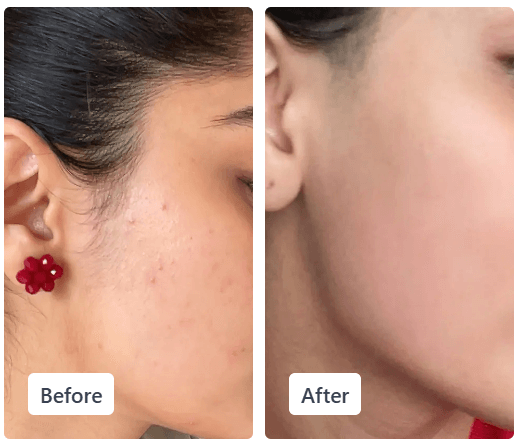
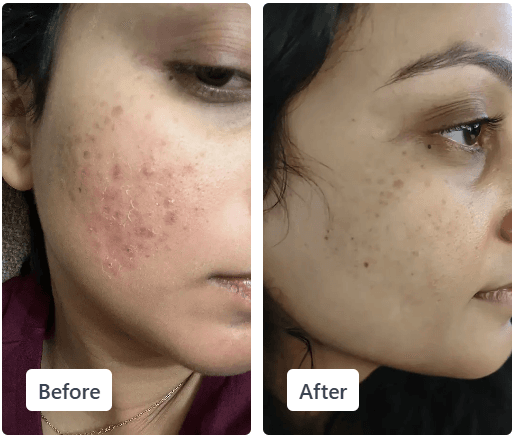
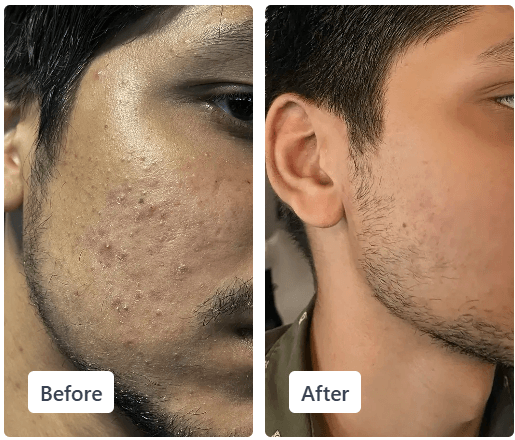
Alpha Arbutin Results: What to Expect and When
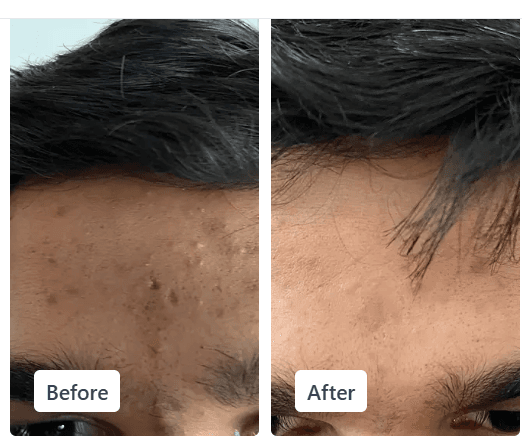
Results from alpha arbutin for pigmentation follow a gradual, progressive pattern tied to the skin's natural renewal cycle (approximately 28-40 days per cycle).
| Timeframe | Typical Observations |
|---|---|
| Week 1-2 | Improved skin radiance and texture; no major pigmentation change yet |
| Week 3-4 | Surface dark spots begin to appear lighter; new spots less likely to form |
| Month 2-3 | Visible reduction in post-acne marks and sunspots; more even overall tone |
| Month 4-6 | Significant fading of stubborn pigmentation; melasma patches visibly reduced |
| Month 6+ | Maintenance phase: consistent use prevents recurrence |
Factors That Affect Alpha Arbutin Results:
- Sun exposure: Unprotected UV exposure stimulates tyrosinase and directly reverses alpha arbutin's effects. Daily SPF use is essential.
- Concentration used: 2% alpha arbutin serums produce faster results than 0.5-1% toners.
- Skin type and pigmentation depth: Superficial PIH responds within 4-6 weeks; deeper dermal pigmentation (such as melasma) may require 3-6 months.
- Consistency: Skipping applications; even for a few days; slows the cumulative tyrosinase inhibition effect.
- Combination approach: Pairing alpha arbutin with niacinamide and vitamin C significantly accelerates results compared to alpha arbutin used alone.
Real-World Outcome Benchmarks:
- In a 12-week clinical observation, participants using 1% alpha arbutin twice daily reported a 35-50% reduction in hyperpigmentation severity scores [2].
- Post-acne dark marks typically show measurable lightening within 6-8 weeks of daily use with appropriate SPF.
- Melasma patients using alpha arbutin alongside SPF 50 showed statistically significant improvement compared to SPF alone after 12 weeks [1].
Alpha Arbutin Best Practices: Expert Tips from Clear Ritual
Clear Ritual's skincare formulation team recommends the following practices to maximise results when using alpha arbutin for dark spots and pigmentation.
- Start with a 1% concentration if you have sensitive or reactive skin. Increase to 2% once tolerance is established after 4 weeks.
- Apply to damp skin. Slightly damp skin improves absorption of water-soluble actives like alpha arbutin by up to 40% compared to dry skin application.
- Use SPF every single morning; regardless of cloud cover or time indoors near windows. UV is the primary driver of melanin overproduction.
- Combine with niacinamide for enhanced results. Alpha arbutin inhibits melanin production; niacinamide blocks melanin transfer. Together they target pigmentation at two separate stages.
- Be consistent, not intensive. Two applications daily at a stable 1-2% concentration outperform irregular use of higher-concentration products.
- Do not mix with vitamin C in the same application step. Both are effective for brightening but can compete for absorption. Use vitamin C in the morning and alpha arbutin in the evening, or allow 20-30 minutes between layers.
- Track your progress with photos. Take a photo in natural light every 4 weeks. Gradual fading can be difficult to notice day-to-day.
- Continue for at least 3 months before assessing full results. One skin cycle is not enough for deep pigmentation.
Common Mistakes to Avoid:
- Applying alpha arbutin over active breakouts without treating the acne first
- Stopping use as soon as pigmentation improves; this leads to recurrence
- Using alpha arbutin with low-quality SPF products that do not block UVA rays
- Layering alpha arbutin with exfoliating acids in the same routine step
Research and Evidence: What Studies Say About Alpha Arbutin
The evidence base for alpha arbutin as a skin-brightening agent is well-established, with multiple peer-reviewed studies and dermatological reviews supporting its efficacy and safety.
What the published evidence supports:
- Laboratory research: A study of alpha-arbutin in cultured human melanoma cells and a three-dimensional human skin model found reduced melanin synthesis. These findings help explain its mechanism but do not establish an exact fading percentage or guaranteed timeline in people.
- Safety assessment: The European Commission Scientific Committee on Consumer Safety concluded that alpha-arbutin is safe in face creams at concentrations up to 2% and body lotions up to 0.5%, under the conditions evaluated. This does not guarantee that every product is irritation-free.
- Real-world expectations: Clinical response depends on the cause and depth of pigmentation, overall formulation, use consistency and sun protection. For persistent melasma or rapidly changing marks, individual assessment is important.
Evidence limitation: The original draft includes precise numerical claims and reference markers [1], [2] and [3], but its bibliography was incomplete. Those numerical claims should be checked against the underlying publications before the article is published. Laboratory findings should not be presented as clinical outcomes.
Possible Side Effects and Precautions
Alpha arbutin is generally formulated for topical cosmetic use, but individual products may cause redness, itching, stinging or contact irritation. Start with a patch test, follow the product label and stop using the formula if a reaction develops. Avoid applying it to broken or badly irritated skin.
If you are pregnant or breastfeeding, ask a dermatologist or other qualified clinician before using a new brightening treatment. Seek professional assessment for a new, unusual or changing pigmented lesion rather than attempting to lighten it without a diagnosis.
When to See a Dermatologist
See a dermatologist if your pigmentation is spreading, changing quickly, associated with a suspicious spot or not improving despite a well-tolerated routine and daily sun protection. Melasma, post-inflammatory hyperpigmentation and other causes of discolouration can require different treatment plans.
Clear Ritual’s Perspective on Alpha Arbutin
Alpha arbutin may be one part of a pigmentation-care routine, but choosing a suitable formula, protecting skin from ultraviolet light and addressing ongoing triggers matter too. Prioritise a routine your skin tolerates, rather than combining several strong active ingredients at once.
Conclusion
Alpha arbutin is a cosmetic brightening ingredient that can help reduce melanin production and improve the appearance of some dark spots over time. Results vary, and even a carefully selected serum cannot replace consistent sunscreen use or dermatological care for persistent pigmentation.
Frequently Asked Questions
Q: What does alpha arbutin do for the skin?
A: Alpha arbutin helps reduce melanin formation by inhibiting tyrosinase. It is commonly used in skincare products intended to improve the appearance of dark spots and uneven pigmentation.
Q: How long does alpha arbutin take to fade dark spots?
A: Results vary with the cause and depth of pigmentation, the formulation and sun protection. Some people notice changes after several weeks, while deeper or persistent marks can take longer.
Q: Can alpha arbutin be used every day?
A: Many products are formulated for daily use. Follow the product directions, introduce it gradually and reduce or stop use if irritation occurs.
Q: Can I use alpha arbutin with niacinamide?
A: Yes, many routines combine them, and they work through different pathways related to pigmentation. Introduce new products one at a time to check how your skin responds.
Q: Should I use alpha arbutin in the morning or at night?
A: Use it according to the formulation's instructions. Some products can be used in either routine. Broad-spectrum sunscreen during the day is essential when managing pigmentation.
Q: Is 2% alpha arbutin safe for the face?
A: The European Commission Scientific Committee on Consumer Safety assessed alpha-arbutin in face creams at concentrations up to 2% as safe under its evaluated conditions. Personal sensitivity and the full product formulation still matter.
References and Further Reading
Editorial Standards
Clear Ritual has Strict sourcing guidelines to ensure our content is accurate and current. We rely on peer-reviewed studies, academic research institutions, and medical associations. We strive to use primary sources and refrain from using tertiary references. See a mistake? Learn More about our Editorial Standards.
Related Articles
Acne Pigmentation: Why Dark Marks Stay and How to Fade Them
Published 10 August 2026
What Is Post-Inflammatory Hyperpigmentation?
Published 2 September 2026

What Is Hyperpigmentation? Types, Triggers, and Treatments
Published 19 August 2026

What Is Pigmentation? Causes, Types, Care and Prevention
Published 7 September 2026