Tranexamic Acid for Skin: Benefits, Uses, and How to Use It

Quick Answer:
Tranexamic acid (TXA) is a synthetic derivative of the amino acid lysine that inhibits the cellular pathways responsible for melanin production and inflammation after UV exposure. Tranexamic acid can help treat melasma, hyperpigmentation, redness, or rosacea and offers a gentle alternative to alpha- and beta-hydroxy acids.
You can use it in your skincare routine as an over-the-counter formulation, such as serums or creams or as a prescribed treatment by your dermatologist.
What Is Tranexamic Acid for Skin?
Tranexamic acid is increasingly used in skincare formulations to improve pigmentation without exfoliating. It was originally used in medicine to help control excessive bleeding. It later gained attention in dermatology for managing hyperpigmentation.
It regulates processes involved in melanin production (the pigment responsible for your skin colour), making it useful in formulations designed to target dark spots, melasma, and uneven skin tone.
Topical tranexamic acid is generally considered well tolerated in available studies. However, evidence is still developing, and its safety depends on the formulation, concentration, and your individual skin sensitivity.
Important Safety Note: Because safety data for cosmetic topical formulations are limited during pregnancy and breastfeeding, always consult your doctor before adding tranexamic acid to your routine.
Benefits of Tranexamic Acid for Skin
Tranexamic acid may offer several benefits, particularly if pigmentation is your primary concern.
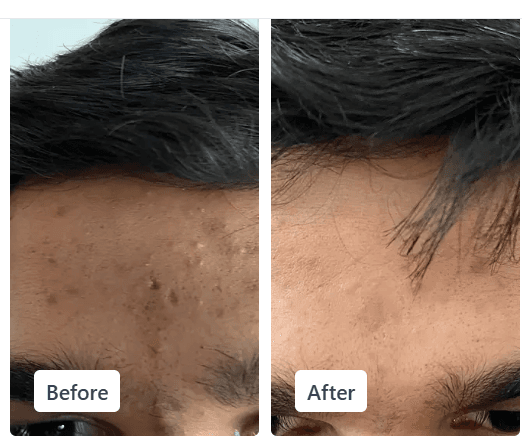
- It can reduce dark spots and hyperpigmentation and, over time, improve uneven patches.
- Topical tranexamic acid may improve melasma, a condition that causes brown or grey-brown patches, particularly on the face.
- It can help even out uneven skin tone and improve overall complexion.
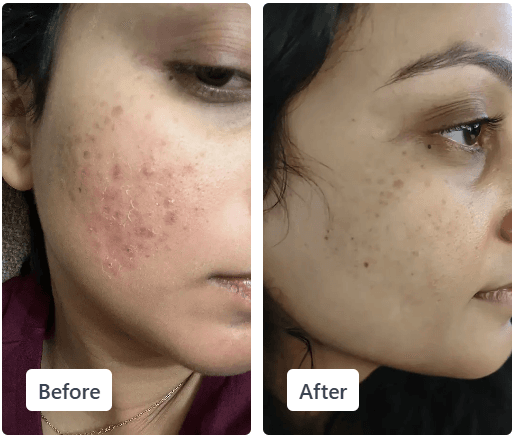
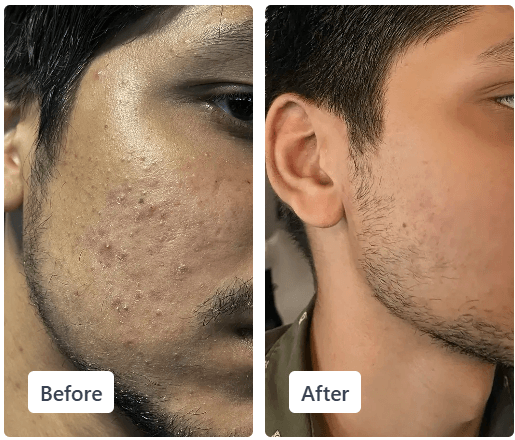
- It helps fade post-acne marks, post-inflammatory hyperpigmentation (PIH), and other post-inflammatory marks.
- It may improve sun-induced pigmentation when combined with consistent sun protection.
However, results vary depending on the cause and depth of pigmentation, the formulation, and how consistently you use it.
Uses of Tranexamic Acid for Skin
You may find tranexamic acid in serums, creams, and other topical formulations intended to address:
- Melasma: Helps manage persistent patches of facial pigmentation.
- Dark spots: Targets localised areas of excess pigmentation.
- Acne marks: May help improve lingering brown marks after breakouts.
- Uneven skin tone: Supports a more uniform-looking complexion.
Not every dark mark has the same cause; your dermatologist can help identify whether your pigmentation is melasma, sun damage, or post-inflammatory pigmentation.
If topical treatments don't deliver the results you want, your dermatologist may suggest professional treatments after reviewing your skin's response.
Does Tranexamic Acid Whiten or Brighten Skin?
Tranexamic acid is a pigmentation-management ingredient rather than a skin-whitening agent. It may help fade existing dark spots and improve uneven skin tone, leaving your complexion brighter and more even. However, it cannot change your natural skin colour or genetically determined skin tone.
How to Use Tranexamic Acid on Your Skin
If you are introducing a tranexamic acid serum into your routine, follow these simple steps:
- Cleanse: Wash your face with a gentle cleanser, and for your evening routine, double cleanse (first with an oil-based cleanser, then a water-based cleanser). Pat your face dry; do not rub it aggressively with a towel.
- Apply the serum: Use the quantity and frequency recommended on the product label or as instructed by your dermatologist. Spread it evenly over the affected areas or as directed. Avoid pairing it with multiple active ingredients to see faster results.
- Moisturise: Follow with a non-comedogenic moisturiser to support your skin barrier.
- Apply sunscreen: During the morning, finish with a broad-spectrum SPF 30 or higher.
Which Ingredients Can You Use with Tranexamic Acid?
Tranexamic acid can generally fit into a routine with several other skincare ingredients. You do not need to avoid all active ingredients, but introducing too many at once can irritate your skin.
Here is how you can combine tranexamic acid with other skincare ingredients.
| Ingredient | Compatibility | Application order | Best For Skin Type/Concerns |
|---|---|---|---|
| Niacinamide | Excellent | Niacinamide → Tranexamic acid → Moisturiser | All skin types; uneven tone and pigmentation |
| Vitamin C | High | AM: Vitamin C → Tranexamic acid → Moisturiser → Sunscreen | Dull skin, uneven tone and dark spots |
| Hyaluronic Acid | Excellent | Hyaluronic acid → Tranexamic acid → Moisturiser | Dry, dehydrated and sensitive skin |
| Retinol | Moderate | PM: Moisturiser → Retinol → Tranexamic acid → Moisturiser | Mature skin, dark spots and uneven tone |
| AHAs and BHAs | Moderate | Alternate days: AHA/BHA or Tranexamic acid → Moisturiser | Oily, acne-prone and pigmentation-prone skin |
Note: The application order suggested is based on general skincare layering guidelines. If you are trying any of these combinations, it should always be layered from thinnest consistency to thickest consistency.
If you use retinol or exfoliating acids, consider applying them on alternate nights rather than layering everything together. You can adjust the order according to the formulation and product instructions.
If you have sensitive skin or are a beginner to active ingredients, do not combine these products without consulting your dermatologist to avoid irritation risk.
Side Effects of Tranexamic Acid for Skin
Topical tranexamic acid is generally well tolerated, but your skin may experience:
- Mild redness or irritation.
- Dryness or tightness.
- Itching or a stinging sensation.
- Sensitivity, particularly when combined with other active ingredients.
Tranexamic acid is not an exfoliating ingredient, so purging is not an expected response. If you notice new breakouts, irritation, or persistent redness, stop using the product and assess whether another ingredient in your routine could be responsible.
It is not expected to worsen pigmentation. However, irritation and inflammation can sometimes trigger post-inflammatory hyperpigmentation, particularly if your skin is prone to dark marks.
Safety Note: Topical tranexamic acid differs from oral tranexamic acid, a prescription medicine with systemic risks, including blood clots in susceptible individuals. Never take oral tranexamic acid for pigmentation without medical supervision.
Clear Ritual's Perspective on Tranexamic Acid for Skin
At Clear Ritual, we believe managing pigmentation requires more than adding a single active ingredient to your skincare routine. You need to understand what is causing your dark spots, whether they are related to acne, sun exposure, or hormonal changes, and how your skin responds to different formulations.
The Clear Ritual Skin Test helps you build a routine by identifying your skin concerns and personalising a skin kit. Combine suitable ingredients with gentle cleansing, consistent moisturising, and daily sun protection to support healthier-looking skin.
Instead of focusing on products to target every concern, a holistic approach that addresses lifestyle and nutritional factors may help you maintain long-term skin health.
Understand What Your Skin Needs
Take the Clear Ritual Skin Test to identify your skin concerns and explore a plan for your routine.
Take the Free Skin Test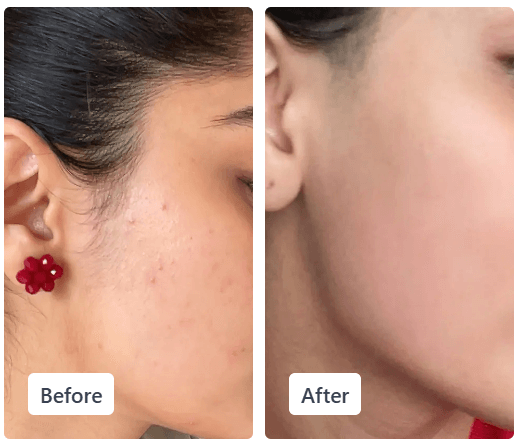
Frequently Asked Questions
Q. What does tranexamic acid do for skin?
A. Tranexamic acid may improve existing pigmentation and help achieve brighter-looking skin.
Q. How often should you use tranexamic acid?
A. If you are a beginner or have sensitive skin, start with two to three applications per week. If your skin tolerates it, you can gradually increase the frequency according to the product instructions or your dermatologist's advice.
Q. Should you use tranexamic acid in the morning or at night?
A. You can generally use topical tranexamic acid in either your morning or evening routine. Always apply sunscreen during the day.
Q. How long does tranexamic acid take to show results?
A. You may need 28 to 40 days to notice an improvement, while stubborn pigmentation, particularly melasma, can take months of consistent treatment. Results also depend on the formulation and your individual concern.
Q. Can you use tranexamic acid without sunscreen?
A. You can apply it at night without sunscreen immediately afterwards. However, daily sun protection is essential when managing pigmentation, as UV and visible light can worsen discolouration.
Disclaimer: This article is for general information only and is not a substitute for diagnosis or treatment from a qualified dermatologist. Follow your product label and your clinician’s advice, especially during pregnancy, breastfeeding, or when treating a diagnosed skin condition.
Editorial Standards
Clear Ritual has Strict sourcing guidelines to ensure our content is accurate and current. We rely on peer-reviewed studies, academic research institutions, and medical associations. We strive to use primary sources and refrain from using tertiary references. See a mistake? Learn More about our Editorial Standards.
Related Articles
Acne Scars vs Post-Inflammatory Hyperpigmentation: Explained
Published 17 July 2026
What Is Post-Inflammatory Hyperpigmentation?
Published 2 September 2026

What Is Pigmentation? Causes, Types, Care and Prevention
Published 7 September 2026

What Is Hyperpigmentation? Types, Triggers, and Treatments
Published 19 August 2026