Uneven Skin Tone: Causes, Treatment, and How to Even It Out
Quick Answer:
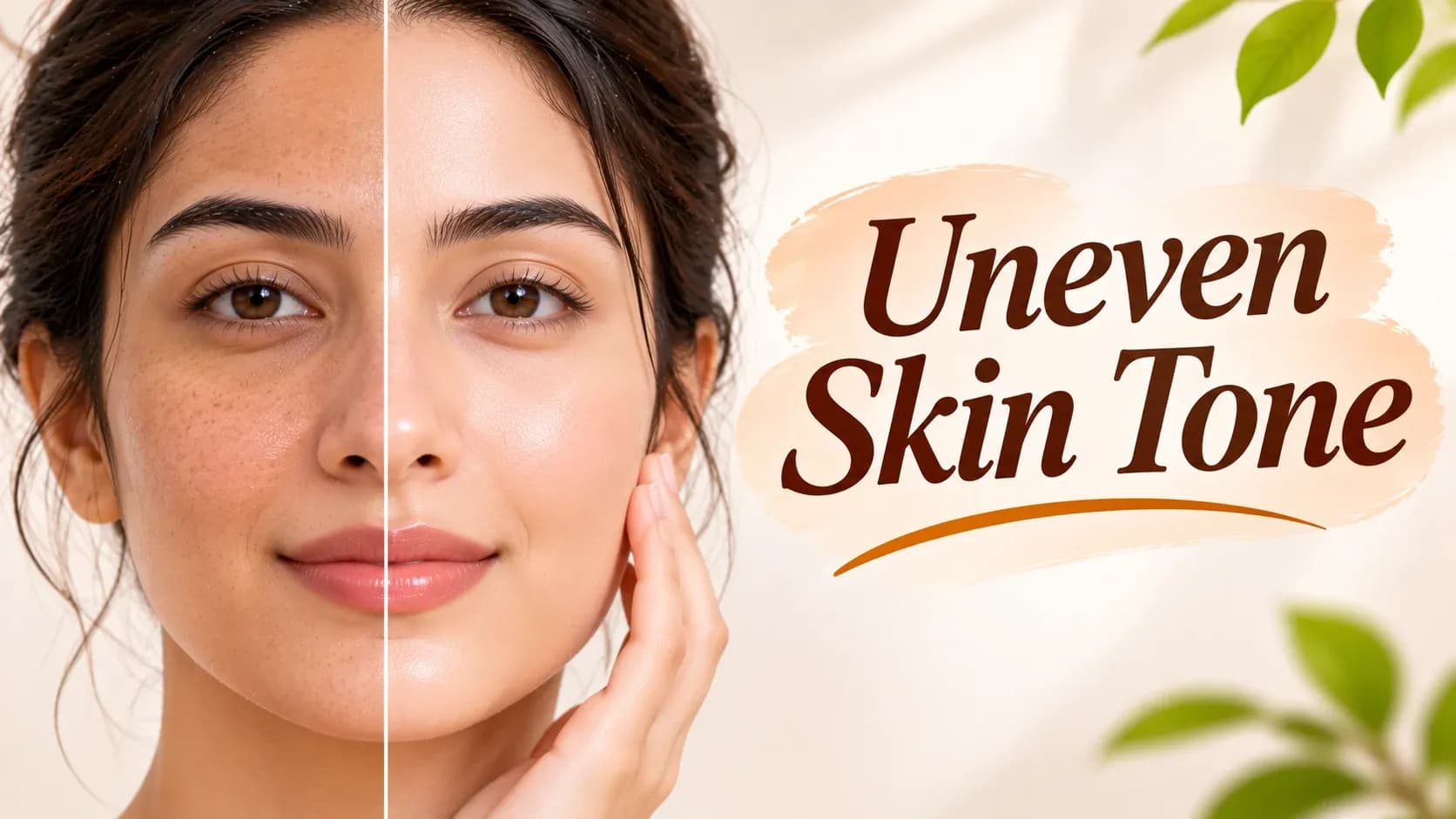
Uneven skin tone can happen when melanocytes (the pigment-producing cells) produce too much melanin. It may show up as dark spots, acne marks, patches of discolouration or areas that look different from your natural complexion.
You might notice it after a breakout, spending time in the sun, or trying a new skincare product that irritates your skin. However, you can often improve an uneven skin tone with consistent skincare and the right ingredients.
What Is Uneven Skin Tone?
Uneven skin tone means that some areas of your skin, including your forehead, cheeks, nose, chin and the area around your mouth, may appear darker or lighter than others.
Uneven tone is not a single skin condition. It describes how your complexion looks and can result from pigmentation, redness, sun damage or changes in skin texture.
If you have uneven skin tone, you may see:
Hyperpigmentation (melasma, sunspots, or post-acne dark marks)
Hypopigmentation (vitiligo or post-injury pale marks)
Redness, vascular unevenness
Post-inflammatory erythema (PIE - the pink/red marks left behind by recent acne)
Dullness and surface-level texture irregularities
Causes of Uneven Skin Tone on the Face
Several factors can affect your complexion:
Sun exposure: Ultraviolet (UV) rays stimulate melanin production and can darken existing pigmentation, freckles and sunspots.
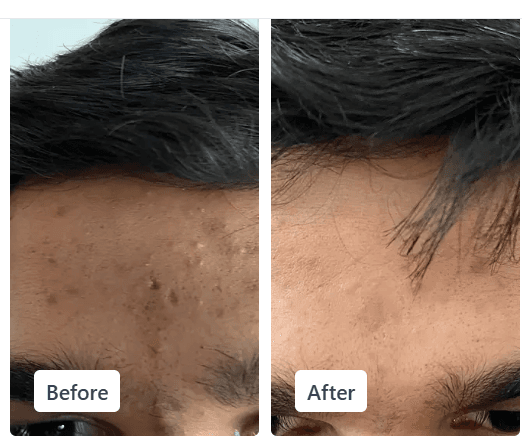
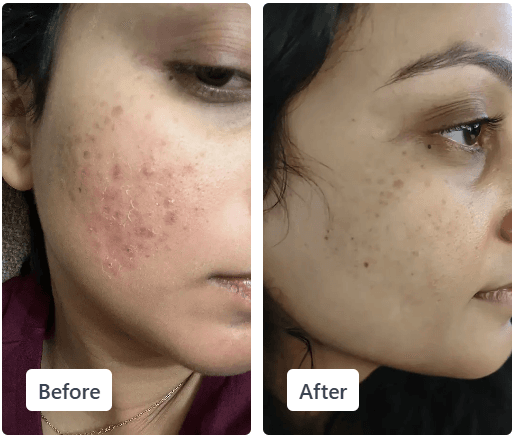
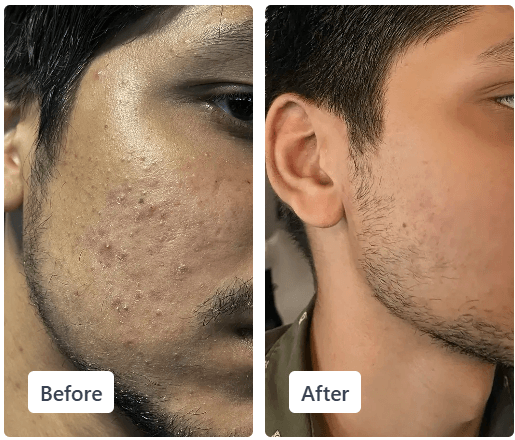
Acne marks and post-inflammatory hyperpigmentation (PIH): When a pimple or another skin irritation heals, it can leave a flat brown, grey or darker mark. PIH is more likely to be noticeable and persistent in darker skin tones.
Picking or touching pimples: Squeezing, scratching, or repeatedly touching spots can increase inflammation, damage the skin and raise the risk of PIH and scarring. Keep your hands away from active breakouts, even when a pimple looks ready to pop.
Hormonal changes: Melasma can cause brown or grey-brown patches, commonly on the cheeks, forehead and upper lip. Hormonal changes and sun exposure can contribute.
Irritating skincare products: Strong exfoliants, unsuitable active ingredients, and overuse of treatments can irritate your skin, potentially worsening discolouration.
Ageing and genetics: Sunspots may become more noticeable with age, while your natural skin tone and genetic predisposition can influence how pigmentation develops.
How to Get Rid of Uneven Skin Tone
Start by identifying the cause of unevenness. You cannot treat every type of discolouration in the same way, but these habits can help you reduce it to a certain extent:
Use sunscreen daily: Choose broad-spectrum SPF 30 or higher, and reapply every two hours when outdoors, after swimming, or after sweating. Sun protection helps prevent existing pigmentation from darkening.
Choose suitable skincare ingredients: Ingredients such as vitamin C, niacinamide, and azelaic acid may help improve the appearance of dark spots and uneven pigmentation.
Keep your routine gentle: Use a mild cleanser, moisturiser and sunscreen. Avoid introducing several active ingredients at once.
Do not pick or squeeze pimples: Let blemishes heal naturally, and avoid rubbing or touching them repeatedly. If you struggle with frequent breakouts, treating acne can help reduce new marks.
Avoid over-exfoliation: Scrubbing too hard or using acids too often won't make pigmentation disappear faster. Irritation can make it worse.
Ways to Fix Uneven Skin Tone on the Face With a Skincare Routine
You don't need a complicated routine or ten skincare steps to improve uneven skin tone. Consistency with a simple routine that suits you matters more than using lots of products.
This table shows a simple routine that you can follow daily:
| Morning | Night |
|---|---|
| Gentle cleanser | Gentle oil-based cleanser |
| Vitamin C or niacinamide, if suitable | Gentle water-based cleanser |
| Moisturiser | One targeted treatment |
| Broad-spectrum SPF 30 or higher | Moisturiser |
Note: Your nighttime routine should include double cleansing to remove sunscreen or makeup residue.
Introduce active ingredients gradually rather than starting several together. If your skin becomes persistently red, sore or irritated, stop the product causing the reaction and simplify your routine. Daily sunscreen is essential to help prevent pigmentation from becoming darker.
What Treatment Works Best for Uneven Skin Tone?
The right uneven skin tone treatment depends on the cause, your skin type, and your skin's sensitivity. Your dermatologist may add active ingredients to your routine and let your skin adjust.
Vitamin C: An antioxidant that can help brighten dark spots and protect against some environmental stressors.
Niacinamide (Vitamin B3): Supports the skin barrier and may help reduce the appearance of uneven pigmentation.
Azelaic acid: Can help improve acne-related marks and certain types of pigmentation while also helping manage acne.
Retinoids (Vitamin A derivative): Encourage skin cell turnover and can help with acne and some forms of pigmentation. They may irritate, so introduce them carefully.
AHAs: Ingredients such as glycolic acid exfoliate the skin's surface and may improve uneven tone and texture. Overuse can irritate the skin and worsen pigmentation.
For mild cases, you can start with an over-the-counter (OTC) option. However, consulting your dermatologist before introducing these products may help you target the actual problem without further damaging your skin.\
For persistent melasma or stubborn pigmentation, a dermatologist may recommend prescription treatments, chemical peels, or selected laser procedures. These treatments aren't suitable for everyone, and some procedures can worsen pigmentation, especially in darker skin tones. Seek professional advice before trying them.
If you undergo any professional dermatological treatment, aftercare is an important part of the process and may help your treatment show results.
Home Remedies That Can Manage Uneven Skin Tone
If you prefer a natural approach, start with gentle skincare rather than experimenting with ingredients that are not safe for your skin. However, these do not automatically qualify as safe or effective. You can try some of these options:
Aloe vera: May soothe some skin, but evidence that it reliably fades pigmentation is limited.
Rice water: May feel refreshing, but clinical evidence is insufficient to support it as a proven treatment for uneven skin tone.
Avoid applying lemon juice, baking soda, harsh scrubs, or masks to your face, as they can irritate your skin and potentially worsen dark marks.
How Long Does It Take to Even Out Skin Tone?
Mild dark marks may fade over several months, while deeper pigmentation and melasma can take longer and may need professional treatment.
If you wish to do before-and-after comparisons, take photographs in similar lighting and check your progress every few weeks. Avoid changing products too often or increasing their strength in hopes of seeing immediate results.
Clear Ritual's Perspective on Uneven Skin Tone
At Clear Ritual, we believe your skin concerns may have multiple causes, so the same routine will not work for everyone. Instead of trying every trending skincare product, focus on gentle cleansing, appropriate active ingredients, moisturising, and daily sun protection.
If acne is contributing to uneven skin tone, address both the breakouts and the marks they leave behind. The Clear Ritual Skin Test can help you explore your skin concerns and identify a suitable personalised skincare approach.
Understand What Your Skin Needs
Take the Clear Ritual Skin Test to identify your skin concerns and explore a plan for your routine.
Take the Free Skin Test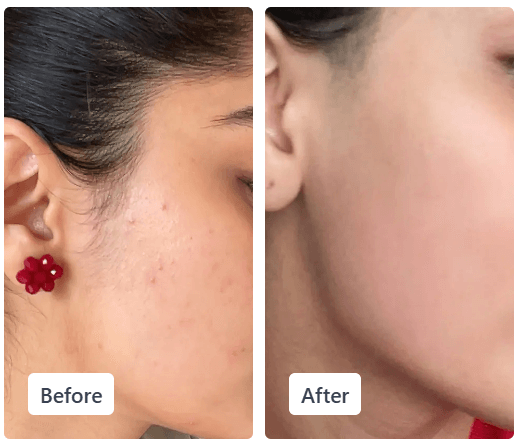
Frequently Asked Questions
Q. Can you fix uneven skin tone permanently?
A. You can improve many forms of uneven skin tone, but results depend on the cause. Sun exposure, hormonal changes, and acne can trigger new pigmentation, so you need ongoing care.
Q. What is the fastest way to improve uneven skin tone?
A. A sensible starting point is daily sunscreen, a suitable targeted ingredient, and treating the underlying cause. Professional treatments may help in selected cases, but no single treatment offers an instant fix.
Q. Can dehydration cause uneven skin tone?
A. Dehydration can make your skin look dull or rough, but it's usually not the main cause of persistent brown pigmentation.
Q. Which vitamin is best for treating uneven skin tone?
A. Vitamin C may help improve the appearance of dark spots, but niacinamide and azelaic acid may also be suitable. Your choice should depend on the cause of your pigmentation and your skin's tolerance.
Q. Does uneven skin tone go away on its own?
A. Some post-acne marks fade naturally over time, taking at least 28 to 40 days. However, melasma and sun-related pigmentation can persist, particularly without suitable sun protection.
References
- American Academy of Dermatology. How to fade dark spots in darker skin tones. Last updated: 3/10/25
- American Academy of Dermatology. Melasma: Diagnosis and treatment. Last updated: 2/15/22
- British Association of Dermatologists. Melasma - BAD Patient Hub. Last updated: June 2024
- Srivastava D, Sathe NC, Masood S. Vitiligo. [Updated 2026 Jul 5]. In: StatPearls [Internet]. Treasure Island (FL): StatPearls Publishing; 2026 Jan-. Available from: https://www.ncbi.nlm.nih.gov/books/NBK559149/
- Q Nguyen T, Emesiani C, Meckfessel M. A Novel Four-Step Regimen is Efficacious in Improving Uneven Skin Tone in Sensitive Skin Patients. J Drugs Dermatol. 2024;23(12):1072-1075. doi:10.36849/jdd.8220
- Thawabteh AM, Jibreen A, Karaman D, Thawabteh A, Karaman R. Skin Pigmentation Types, Causes and Treatment-A Review. Molecules. 2023;28(12):4839. Published 2023 Jun 18. doi:10.3390/molecules28124839
Disclaimer: This article is for general information only and is not a substitute for diagnosis or treatment from a qualified dermatologist. Follow your product label and your clinician’s advice, especially during pregnancy, breastfeeding, or when treating a diagnosed skin condition.
Editorial Standards
Clear Ritual has Strict sourcing guidelines to ensure our content is accurate and current. We rely on peer-reviewed studies, academic research institutions, and medical associations. We strive to use primary sources and refrain from using tertiary references. See a mistake? Learn More about our Editorial Standards.
Related Articles
Acne Pigmentation: Why Dark Marks Stay and How to Fade Them
Published 10 August 2026
Acne Scars vs Post-Inflammatory Hyperpigmentation: Explained
Published 17 July 2026
Goodbye Dark Spots: The Power of Yashtimadhu in Treating Post-Acne Pigmentation
Published 16 July 2026
How to Remove Pigmentation from Face Permanently: A Complete Guide
Published 21 September 2026