How to Remove Pigmentation from Face Permanently: A Complete Guide
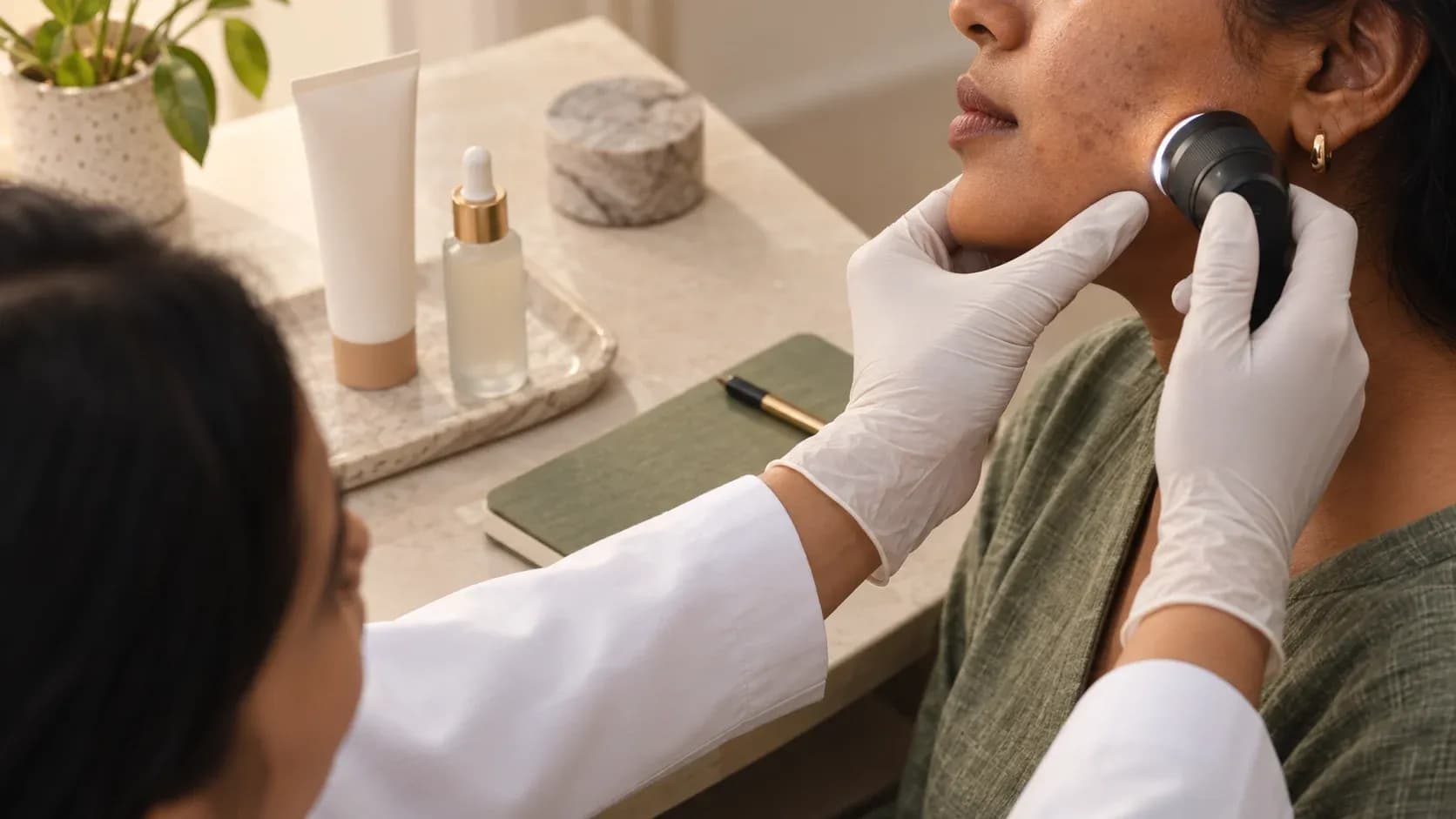
Quick Answer: Facial pigmentation can often be faded considerably, but permanent removal cannot be guaranteed because sun exposure, hormones and inflammation may trigger it again. Daily sunscreen, suitable pigment-targeting ingredients and professional procedures can help, depending on the pigmentation type, depth and cause.
Facial pigmentation can be reduced significantly : and in many cases managed long-term : through a combination of topical treatments, clinical procedures, and consistent sun protection. While completely permanent removal depends on the type and cause of pigmentation, most forms respond well to targeted treatment within 4-12 weeks. This guide covers every evidence-backed method to remove pigmentation from your face permanently, both at home and through professional care.
What Is Facial Pigmentation? A Complete Overview
Facial pigmentation refers to darkened patches or spots on the skin caused by excess melanin production. Melanin is the pigment that gives skin its colour, and when certain cells (melanocytes) overproduce it, dark spots or uneven skin tone appear.
Learning about the common types of facial pigmentation can help you distinguish excess pigment from other changes in skin colour.
Common types of facial pigmentation include:
- Melasma : symmetrical brown or grey patches, often triggered by hormones or sun exposure
- Post-inflammatory hyperpigmentation after inflammation (PIH): dark marks left after acne, eczema, or skin injury
- Sunspots (solar lentigines) : flat brown spots from cumulative UV exposure
- Freckles : small, flat spots that are genetic in origin and darken with sun exposure
- Age spots (liver spots) : common in adults over 40, caused by years of UV damage
According to a 2022 review published in the Journal of Clinical and Aesthetic Dermatology, hyperpigmentation affects up to 40% of adults globally, with higher prevalence in darker skin tones (Fitzpatrick types IV-VI). Understanding which type of pigmentation you have is the first step toward choosing the right treatment.
How Does Facial Pigmentation Form? The Mechanism Explained
Facial pigmentation forms because of a disruption in the skin's melanin regulation process. Understanding this mechanism helps explain why certain treatments work and others do not.
The pigmentation process works in four stages:
- Trigger activation : UV rays, hormonal changes (such as estrogen from oral contraceptives), inflammation from acne, or physical injury signal the skin to produce more melanin.
- Melanocyte stimulation : Specialised pigment-producing cells (melanocytes) in the basal layer of the epidermis receive chemical signals to increase melanin synthesis.
- Melanin transfer : Excess melanin is transferred to surrounding keratinocytes (skin cells), creating visible dark patches.
- Surface accumulation : As skin cells rise to the surface during their natural cycle (~28 days), pigmented cells concentrate visibly at the skin's outer layer.
Effective treatments for pigmentation work by interrupting one or more of these stages: either by blocking melanin synthesis (tyrosinase inhibitors like kojic acid), accelerating cell turnover (retinoids, AHAs), or physically removing pigmented cells (laser, chemical peels). This overview of ingredients used for hyperpigmentation explains how common actives support different stages of pigment care. Clear Ritual's dermatology advisors recommend combining a melanin-blocking ingredient with a cell-turnover agent for best results.
How to Remove Pigmentation from Face Permanently at Home
Many effective treatments for facial pigmentation can be started at home without a prescription. These approaches work best for mild-to-moderate pigmentation, particularly PIH and sunspots.
Prerequisites Before You Start
- Identify your pigmentation type (see types section above)
- Perform a patch test for any new topical ingredient (48-hour rule)
- Commit to daily SPF 30+ sunscreen use : without this, no treatment will hold
- Photograph your skin in natural light weekly to track progress objectively
Step-by-Step: How to Remove Pigmentation from Face Permanently at Home Naturally
Step 1: Cleanse with a gentle, pH-balanced cleanser (morning and night) Avoid harsh scrubs. Clean skin ensures active ingredients penetrate correctly. Look for cleansers with salicylic acid (0.5-2%) if PIH from acne is your primary concern.
Step 2: Apply a targeted brightening serum Use a serum containing one or more of the following evidence-backed ingredients:
- Niacinamide (5%) : inhibits melanin transfer between melanocytes and keratinocytes; reduces visible pigmentation in 4-8 weeks [1]
- Vitamin C (10-20%, L-ascorbic acid) : antioxidant that suppresses tyrosinase activity; visibly brightens within 6-8 weeks [2]
- Alpha arbutin (2%) : slow-release hydroquinone derivative; gentle and suitable for daily use
- Kojic acid (1-4%) : derived from fungi; effective tyrosinase inhibitor with documented results in 12 weeks [3]
- Azelaic acid (10-20%) : anti-inflammatory and melanin-suppressing; especially effective for melasma and PIH
Apply serum to clean, dry skin. Allow 60-90 seconds for absorption before the next step.
Step 3: Moisturise to maintain skin barrier A compromised barrier slows pigmentation treatment. Use a fragrance-free moisturiser with ceramides or hyaluronic acid. A healthy skin barrier makes active ingredients work up to 30% more effectively.
Step 4: Apply SPF 30+ sunscreen every morning (non-negotiable) UV exposure is the primary driver of melanin production. Even indoor UV-A rays penetrate windows. Reapply every 2 hours if outdoors. Clear Ritual's approach emphasises that sunscreen is not optional : it is the single most important step in any pigmentation removal routine.
Step 5: Incorporate a retinoid at night (2-3 times per week) Retinoids (retinol 0.3-1%, or prescription tretinoin 0.025-0.1%) accelerate cell turnover, pushing pigmented cells to the surface and replacing them faster. Start twice weekly to minimise irritation, then increase frequency after 4 weeks.
Step 6: Exfoliate chemically once or twice weekly AHAs (glycolic acid, lactic acid) dissolve the bonds between pigmented surface cells, improving product penetration and fading dark spots. Avoid physical scrubs, which can worsen PIH.
How to Remove Pigmentation from Face Permanently Naturally at Home
For those seeking natural routes, the following ingredients have published evidence for mild pigmentation reduction:
- Turmeric paste : contains curcumin, which inhibits tyrosinase; apply a 1:1 mix with yoghurt for 15 minutes, 3x weekly
- Raw aloe vera gel : contains aloesin, shown in studies to suppress melanin production when applied consistently
- Green tea extract : EGCG (epigallocatechin gallate) reduces UV-induced pigmentation when applied topically [4]
- Licorice root extract : contains glabridin, a tyrosinase inhibitor; available in DIY or commercial formulations
Important caveat: Natural remedies typically produce visible results in 10-16 weeks and work best on mild, superficial pigmentation. They are less effective than formulated actives for deep melasma or dense sunspots.
Common Mistakes to Avoid
- Skipping sunscreen on cloudy days: UV-A penetrates clouds and glass; 80% of UV rays reach your skin on overcast days.
- Layering too many actives at once: Mixing vitamin C, retinol, and AHAs in a single routine causes irritation and worsens PIH.
- Picking or scrubbing dark spots: Physical trauma triggers more melanin production, deepening the spot.
- Expecting overnight results: Skin cell turnover takes 21-28 days. Most treatments require 6-12 weeks of consistent use.
- Stopping treatment as soon as spots fade: Pigmentation can recur. Maintenance application 2-3x weekly is recommended ongoing.
Types of Facial Pigmentation and Which Treatments Work Best
Different types of pigmentation respond to different treatments. Choosing the wrong approach can delay results by months.
| Pigmentation Type | Cause | Best At-Home Treatment | Best Clinical Treatment | Expected Timeline |
|---|---|---|---|---|
| Post-inflammatory (PIH) | Acne, eczema, injury | Niacinamide, azelaic acid | Chemical peels, microneedling | 4-12 weeks |
| Melasma | Hormones, UV | SPF + alpha arbutin + niacinamide | Tranexamic acid, laser (with care) | 8-24 weeks |
| Sunspots / Age spots | Cumulative UV | Vitamin C, retinol, AHA | IPL, Q-switched laser | 6-16 weeks |
| Freckles | Genetic + UV | SPF (prevention), vitamin C | IPL, cryotherapy | Variable (may recur) |
| Drug-induced pigmentation | Medication side effects | Discontinue cause (with doctor) | Laser | Months to years |
Melasma is the most treatment-resistant type because it originates deep in the dermis. Sunspots can behave differently, so understanding sunspots and age spots helps when selecting an approach. According to the American Academy of Dermatology, melasma often requires combination therapy and long-term maintenance rather than a single cure.
Clinical Treatments: What a Dermatologist Can Offer
When at-home methods are insufficient, clinical treatments can remove facial pigmentation faster and more effectively. These are typically recommended for moderate-to-severe or deep pigmentation. A comparison of professional hyperpigmentation treatment options can help you understand how topical care, peels and device-based procedures differ.
Clinically available treatments include:
- Chemical peels (20-70% glycolic acid or TCA) : remove the outer layer of pigmented skin; results visible after 1-3 sessions; each session spaced 4 weeks apart
- Laser therapy (Q-switched Nd:YAG, Fraxel) : targets melanin directly with light energy; effective for sunspots and age spots; 2-6 sessions typically required
- Intense Pulsed Light (IPL) : broad-spectrum light reduces surface pigmentation; best for fair skin with sunspots; 3-5 sessions recommended
- Microneedling with serums : creates micro-channels that allow brightening actives to penetrate deeper; reduces PIH effectively over 3-6 sessions
- Prescription topicals : tretinoin (0.05-0.1%), hydroquinone (2-4%), and tranexamic acid are prescription-only options with strong clinical evidence
Note: Laser treatments carry higher risk of post-inflammatory hyperpigmentation in darker skin tones. Always consult a qualified dermatologist before proceeding with any clinical procedure.
Pigmentation Removal: Realistic Timeline and What to Expect
Results from pigmentation treatment depend on type, depth, skin tone, treatment method, and consistency of SPF use. If the discolouration followed a breakout, this guide to dark marks after acne explains how flat marks differ from textural scars. The following timeline applies to a consistent at-home routine using actives like niacinamide, vitamin C, and retinol.
| Timeframe | What Typically Happens |
|---|---|
| Week 1-2 | Skin adjusts; mild purging possible with retinoids; no visible fading yet |
| Week 3-4 | Surface texture may improve; some brightening in PIH spots |
| Week 6-8 | Measurable reduction in spot intensity (20-40% improvement in PIH) |
| Month 3 | Clear fading in most sunspot and PIH cases; melasma shows early response |
| Month 4-6 | Significant improvement in moderate pigmentation; melasma requires continued treatment |
| Month 6-12 | Long-term maintenance phase; most surface pigmentation resolved or significantly reduced |
Factors that affect results:
- Fitzpatrick skin type (darker skin tones require longer, more careful treatment)
- Depth of pigmentation (epidermal vs. dermal)
- Consistency of sunscreen application
- Hormonal influences (melasma can recur with hormonal changes)
- Use of complementary clinical treatments alongside topicals
According to Clear Ritual's skin health advisors, patients who combine a proven topical routine with twice-daily SPF and a single chemical peel typically see 50-70% improvement within 12 weeks.
Pigmentation Removal: Honest Comparison of Top Approaches
| Method | Effectiveness | Cost (INR) | Time to Results | Risk Level | Best For |
|---|---|---|---|---|---|
| Topical actives (niacinamide, vitamin C) | Moderate | ₹500-₹3,000/month | 6-12 weeks | Very low | All pigmentation types (mild) |
| Prescription topicals (tretinoin, HQ) | High | ₹300-₹1,500/month | 4-8 weeks | Low-moderate | PIH, melasma |
| Chemical peels | High | ₹2,000-₹8,000/session | 2-6 weeks post-peel | Moderate | Sunspots, PIH, melasma |
| Laser (IPL / Q-switched) | Very high | ₹5,000-₹20,000/session | 2-8 weeks post-session | Moderate-high | Sunspots, age spots |
| Natural home remedies | Low-moderate | ₹100-₹500/month | 10-20 weeks | Very low | Mild PIH, general brightening |
Recommendation from Clear Ritual: For most people dealing with mild-to-moderate facial pigmentation, starting with a structured at-home routine using clinically proven actives is the safest, most cost-effective first step. Escalate to clinical treatment only if 12 weeks of consistent home care produces insufficient improvement.
Understand Your Pigmentation Pattern
Assess your skin type, pigmentation pattern, sensitivity and routine needs before choosing your next step.
Take the Free Skin Test
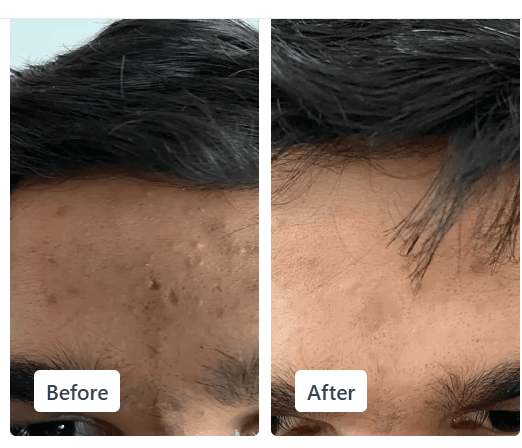
Who Should (and Should Not) Pursue Permanent Pigmentation Removal
| Ideal Candidates | May Need Different Approach |
|---|---|
| Adults with stable PIH from healed acne | Pregnant or breastfeeding individuals (avoid retinoids, hydroquinone) |
| People with UV-induced sunspots or age spots | Those with active inflammatory skin conditions (eczema, psoriasis flares) |
| Individuals with melasma not caused by active hormonal treatment | People on photosensitising medications (some antibiotics, retinoids + laser) |
| People with Fitzpatrick types I-IV (fair to medium skin) | Individuals expecting complete, guaranteed permanence : recurrence is possible |
| Those committed to daily SPF use and consistency | Those unwilling to commit to 8-12 weeks of consistent routine |
Being honest about expectations is part of responsible skincare. The goal of most pigmentation treatment is significant, long-term reduction : not necessarily permanent, single-treatment removal. Clear Ritual emphasises this distinction in its skin consultation approach.
Best Practices for Long-Term Pigmentation Control
Following these practices significantly improves results and reduces recurrence risk.
Daily and weekly non-negotiables:
- Apply SPF 30+ every single morning : including on overcast days and indoors near windows. This single habit prevents up to 90% of UV-triggered melanin overproduction.
- Use antioxidant serums in the AM : vitamin C protects against UV-induced oxidative damage during daytime.
- Use retinoids and AHAs in the PM only : these increase photosensitivity; always pair with AM sunscreen.
- Do not layer opposing pH actives simultaneously : vitamin C (pH 2.5-3.5) and niacinamide can be used together, but avoid mixing AHAs directly with retinol in the same step.
- Maintain a consistent routine for 12+ weeks before evaluating : inconsistency is the primary reason treatment fails.
- Hydrate from within : adequate hydration supports skin cell turnover; aim for 2-2.5L of water daily.
- Eat antioxidant-rich foods : vitamins C, E, and polyphenols from berries, citrus, and leafy greens support skin's natural UV defence [5].
- Reapply sunscreen every 2 hours outdoors : single morning application offers approximately 2 hours of full protection with typical sweat and touch exposure.
Common Mistakes to Avoid (Advanced)
- Using high-concentration AHAs daily: This can lead to barrier damage, increasing susceptibility to new pigmentation.
- Stopping actives after spots fade: Maintenance treatment helps prevent recurrence.
- Ignoring hormonal triggers: If melasma worsens monthly, consult a doctor about hormonal influences before adding more topicals.
Dietary Tips for Clearer Skin
- Vitamin C-rich foods (amla, citrus, bell peppers) support collagen and skin repair
- Omega-3 fatty acids (flaxseed, walnuts, fatty fish) reduce skin inflammation
- Limit refined sugar and processed foods : high glycaemic diets can worsen inflammation-driven pigmentation
- Zinc (pumpkin seeds, legumes) supports skin healing and reduces PIH severity
Clear Ritual's Perspective on Facial Pigmentation
Pigmentation care works best when it is based on the cause of the discolouration rather than the appearance of a dark mark alone. Sun exposure, inflammation, hormones and skin irritation can create similar-looking patches that respond differently to care.
At Clear Ritual, we believe a consistent routine should prioritise sun protection, barrier support and carefully selected active ingredients. If marks persist, worsen or change unexpectedly, an expert assessment can help determine whether professional care is appropriate.
Frequently Asked Questions
1. Can facial pigmentation be removed permanently?
Some pigmentation can fade significantly, but permanent removal cannot be guaranteed. Melasma, sunspots and post-inflammatory marks may return if triggers such as UV exposure, hormones or inflammation continue.
2. How long does facial pigmentation take to fade?
Superficial marks may begin to improve within several weeks, while deeper pigmentation can take several months. The timeline depends on the type, depth, skin tone and consistency of care.
3. Which ingredients can help reduce facial pigmentation?
Niacinamide, vitamin C, azelaic acid, alpha arbutin, retinoids and selected exfoliating acids may help, depending on your skin and the cause of the pigmentation.
4. Can sunscreen help fade pigmentation?
Sunscreen does not directly remove existing pigment, but it helps prevent UV exposure from darkening marks and supports the results of other pigmentation care.
5. When should you see a dermatologist?
Seek an assessment if pigmentation appears suddenly, changes in shape or colour, becomes raised, bleeds, causes symptoms or does not improve with appropriate care.
References
- Hakozaki T, et al. The effect of niacinamide on reducing cutaneous pigmentation and suppression of melanosome transfer. View study.
- Pullar JM, Carr AC, Vissers MCM. The roles of vitamin C in skin health. View review.
- Mar K, Khalid B, Maazi M, et al. Treatment of post-inflammatory hyperpigmentation in skin of colour: a systematic review. View review.
- Katiyar SK, Matsui MS, Elmets CA, Mukhtar H. Epigallocatechin-3-gallate from green tea reduces UVB-induced inflammatory responses in human skin. View study.
- Fernandez-Garcia E. Skin protection against UV light by dietary antioxidants. View review.
- American Academy of Dermatology. How to fade dark spots in darker skin tones. Read guidance.
- American Academy of Dermatology. Melasma: Diagnosis and treatment. Read guidance.
Disclaimer
This article is intended for general informational purposes and is not a substitute for personalised medical advice, diagnosis or treatment. Consult a qualified dermatologist if pigmentation is persistent, changing, symptomatic or difficult to identify.
Editorial Standards
Clear Ritual has Strict sourcing guidelines to ensure our content is accurate and current. We rely on peer-reviewed studies, academic research institutions, and medical associations. We strive to use primary sources and refrain from using tertiary references. See a mistake? Learn More about our Editorial Standards.
Related Articles
Acne Pigmentation: Why Dark Marks Stay and How to Fade Them
Published 10 August 2026
Acne Scars vs Post-Inflammatory Hyperpigmentation: Explained
Published 17 July 2026
Hyperpigmentation Treatments: Best Options And Procedures
Published 1 September 2026

Ingredients For Hyperpigmentation: Which Are Best And How They Work
Published 21 August 2026