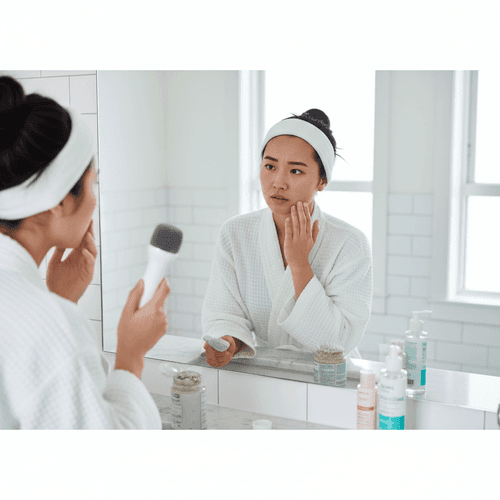
How Often Should You Wash Your Face to Prevent Pimples?

Quick Answer
Washing your face twice a day, once in the morning and once at night, is the clinically recommended standard for preventing pimples. This is not a marketing claim: it is the guidance published by the NHS and the American Academy of Dermatology (AAD), both of which state you should wash no more than twice daily for acne-prone skin.
Wash more often and you strip the skin's protective lipid barrier, triggering a rebound surge in oil production that makes breakouts worse. Wash less often and sebum, bacteria, and dead skin cells accumulate inside follicles until they block completely. Twice daily is the evidence-backed sweet spot.
Three things that matter more than frequency:
- Choosing a gentle, pH-balanced cleanser (not a harsh foaming formula)
- Using lukewarm water, not hot
- Patting dry with a clean towel, never scrubbing
What Happens Inside Your Skin When Pimples Form
Pimples form when three processes occur simultaneously inside hair follicles. Your skin contains thousands of follicles connected to sebaceous glands that produce sebum, an oily substance that keeps skin moisturised and protected. When this system is disrupted, pimples develop.
The three-step process:
- Excess sebum production, triggered by hormones, stress, or inflammation
- Dead skin cell accumulation, cells clump together inside the follicle opening instead of shedding normally
- Bacterial overgrowth, Cutibacterium acnes multiplies rapidly in the oil-rich, oxygen-poor environment
Your immune system detects this bacterial growth and responds with inflammation, which causes the redness, swelling, and tenderness characteristic of breakouts. This entire process happens over days or weeks before anything is visible on the surface, which is why consistent prevention habits matter more than reactive treatments.
According to Clear Ritual's skin science team, understanding this internal sequence is essential for choosing the right prevention strategy, because surface cleansing addresses only the first stage of a multi-stage process.
Why Washing Frequency Directly Affects Breakouts
The relationship between face washing and pimples is not straightforward. Your skin maintains a delicate balance of oils, water, beneficial bacteria, and pH levels that work together to keep it healthy. Disrupting this balance in either direction creates conditions where acne thrives.
What over-washing does:
- Strips the lipid barrier, the protective layer of fatty acids and cholesterol that seals moisture in and keeps irritants out
- Triggers transepidermal water loss, which signals sebaceous glands to produce more oil to compensate
- Weakens the barrier, making skin more vulnerable to inflammation from pollution, cosmetic ingredients, and resident bacteria
- Creates a rebound cycle where oily skin becomes even oilier after aggressive cleansing
What under-washing does:
- Allows sebum to oxidise on the skin surface, oxidised sebum is stickier and more inflammatory than fresh sebum
- Lets oxidised sebum mix with dead cells, sweat salts, and environmental debris to clog pores more effectively
- Gives Cutibacterium acnes more time to multiply, increasing the chance of inflammatory breakouts
The roughly twelve hours between twice-daily washes gives your lipid barrier adequate time to restore itself, maintaining the protective functions that keep inflammation low and breakouts minimal.
What the NHS and AAD Actually Recommend: The Evidence Behind Twice Daily
The twice-daily recommendation comes from two of the most authoritative sources in dermatological guidance, it is a clinical standard, not a trend.
NHS Clinical Guidance: The NHS acne self-care guidelines explicitly state that you should wash affected skin with a gentle cleanser and lukewarm water no more than twice a day. The NHS also specifically advises against scrubbing, noting it can make acne worse.
American Academy of Dermatology (AAD): The AAD recommends washing the face twice daily, morning and evening, and additionally after heavy sweating. Their acne skincare guidelines note that washing more frequently does not improve acne and may worsen it by irritating already-inflamed skin.
What peer-reviewed research shows:
- A 2006 study in the British Journal of Dermatology compared washing once, twice, and four times daily in participants with mild-to-moderate acne. Twice-daily washing produced the greatest reduction in comedone count. Once-daily was less effective; four-times-daily produced worse outcomes than twice-daily due to barrier disruption and rebound sebum production.
- A 2020 review in the Journal of Clinical and Aesthetic Dermatology confirmed that non-irritating, pH-balanced cleansers used twice daily support both acne treatment outcomes and barrier function in acne-prone skin.
The twice-daily guidance has been consistent across NHS, AAD, and peer-reviewed literature for over a decade.
How to Wash Your Face Properly to Prevent Pimples: Step-by-Step
Technique matters as much as frequency. These eight steps, recommended by Clear Ritual's skincare team, allow you to cleanse effectively without damaging the barrier that keeps breakouts in check.
- Wash your hands first. Hands carry bacteria and oil from everything you have touched. Cleansing with dirty hands transfers those directly to your face before you have started.
- Use lukewarm water, not hot. Hot water dilates capillaries and strips protective oils more aggressively than warm water. The temporary redness it causes is a mild inflammatory signal, the opposite of what acne-prone skin needs.
- Apply a pea-to-dime amount of cleanser. More cleanser does not mean cleaner skin. Excess product requires more rinsing, which prolongs barrier disruption time.
- Massage gently for 30–60 seconds using your fingertips. Circular motions distribute cleanser without creating micro-tears. Skip washcloths, brushes, and spin-scrubbers for daily cleansing, these cause barrier damage with regular use.
- Rinse thoroughly for at least 30 seconds. Residual cleanser left in the hairline, jawline, or neck creases clogs pores in those zones. Take as long rinsing as you did massaging.
- Pat dry with a clean, soft towel. Do not rub. Use a fresh towel daily or designate single-use paper towels for your face, a damp towel left overnight can harbour bacteria.
- Apply moisturiser within 2–3 minutes of patting dry. Your barrier is temporarily more permeable straight after cleansing. A lightweight, non-comedogenic moisturiser seals hydration in and prevents the rebound oil surge that triggers excess sebum production.
- Apply SPF in the morning. UV exposure worsens existing inflammation and drives post-inflammatory hyperpigmentation. A non-comedogenic SPF 30+ provides essential daytime protection.
Common mistakes to avoid:
- Do not use the same towel for more than one day
- Do not leave cleanser on as a "treatment", it is a rinse-off product
- Do not follow a gentle cleanse with an alcohol-based toner, this undoes barrier recovery
How Often Should You Wash Your Face by Skin Type?
The twice-daily standard holds across all skin types, but how you execute each wash should adapt to your skin's baseline. Washing more than twice daily is not recommended for any skin type, the solution to oilier or more acne-prone skin is always cleanser choice and technique, not additional washing sessions.
| Skin Type | Morning Cleanse | Evening Cleanse | Cleanser Type | What to Avoid |
|---|---|---|---|---|
| Oily / acne-prone | Yes, removes overnight sebum and metabolic waste | Yes, double cleanse: oil cleanser first, then gentle foaming | Low-foaming gel or mild foaming cleanser, pH 4.5–5.5 | Sulfate-heavy foaming cleansers; washing a third time |
| Combination (oily T-zone, normal cheeks) | Yes | Yes, single cleanse is usually sufficient | Gentle gel cleanser for the whole face | Zone-specific washing frequency, keep it consistent |
| Dry / sensitive with acne | Yes, consider a gentle water splash if skin feels comfortable | Yes, one gentle non-foaming cleanse | Cream or milk cleanser with ceramides or glycerin | Foaming formulas; any cleanser that leaves a tight feeling |
| Normal with occasional breakouts | Yes | Yes | Any gentle, pH-balanced cleanser | Over-exfoliating cleansers used daily |
The rebound oil myth: People with oily skin often believe washing three or four times a day controls oil. Research shows the opposite. Stripping sebum repeatedly signals sebaceous glands to produce more oil to compensate. Twice daily with the right cleanser is the most effective way to regulate oil long-term.
Find the Right Routine for Your Skin
Understand your oiliness, sensitivity, breakout pattern, and skin-barrier needs before choosing your daily routine.
Take the Free Skin Test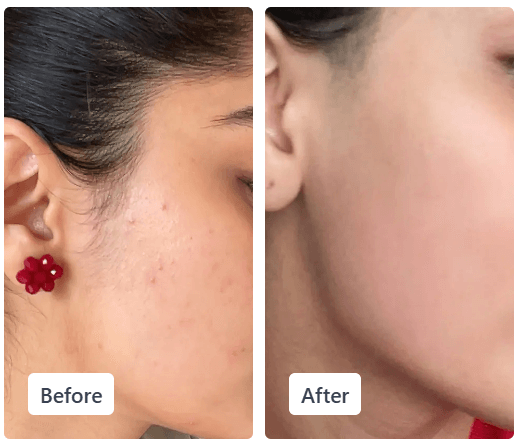
When Is an Extra Face Wash Actually Justified?
Certain situations warrant a cleansing session beyond the standard twice-daily routine, but this extra step should always be gentler than your regular wash.
After heavy sweating: Sweat itself does not cause acne, but when it sits on skin mixed with sebum and bacteria, it creates an inflammatory environment. The salt in sweat can also irritate existing breakouts. A simple lukewarm water rinse or extremely mild cleanser addresses the immediate issue without triggering rebound oil production.
After wearing heavy makeup or working in a dirty environment: A preliminary step using micellar water or a cleansing oil to break down cosmetics and surface debris, before applying your regular cleanser, removes buildup without requiring a third full cleansing session. This is double cleansing within one session, not additional washing frequency.
Clear Ritual's guidance is consistent on this point: additional cleansing sessions should always move toward gentleness, never toward more aggressive products or techniques.
How Cleanser Type Changes Breakout Outcomes
The specific cleanser you use matters as much as how often you wash. Two people washing twice daily can have completely different outcomes based on their product choice alone.
Cleansers that worsen acne:
- Foaming cleansers with sulfates (such as sodium lauryl sulfate), strip oils aggressively; the squeaky-clean sensation indicates too much protective barrier has been removed
- Alkaline soaps with a pH above 7, disrupt the acid mantle that controls bacterial growth, creating an environment where Cutibacterium acnes thrives
- Heavily fragranced formulas, introduce potential irritants that compound inflammation
Cleansers that support acne prevention:
- Gentle, non-foaming or low-foaming cleansers with mild surfactants, remove impurities without stripping
- pH-balanced formulas close to skin's natural slightly acidic state (around 4.5–5.5)
- Cleansers containing glycerin, ceramides, or niacinamide, support barrier function while cleansing
Your skin should feel clean but not tight after washing. Tightness is a signal that the cleanser has disrupted more of the barrier than it should.
Signs You Are Washing Too Much or Too Little
Your skin provides clear feedback about whether your washing routine is calibrated correctly.
Signs of over-washing:
- Skin feels tight or uncomfortable after cleansing
- Flaking or dry patches that appear between washes
- Increased redness or sensitivity
- Paradoxical increase in oiliness and breakouts
- Skin feels dry on the surface but oily underneath simultaneously
Signs of under-washing:
- Persistently clogged pores and blackheads
- Dull complexion and rough texture
- Inflammatory breakouts that develop slowly from accumulated debris
- Skin looks shiny from oxidised sebum (slightly yellowish or greyish in quality, not healthy radiance)
The ideal state after cleansing: skin feels comfortable, clean but not stripped, soft but not greasy, calm without tightness. If breakouts remain consistent or worsen despite twice-daily washing, the problem likely lies with cleanser choice, water quality, other skincare products, or internal factors rather than washing frequency.
The Role of Water Quality in Pimple Prevention
The water used for cleansing affects outcomes more than most people realise. Hard water, common across many parts of the UK and India, contains high mineral content, particularly calcium and magnesium, which interferes with cleanser effectiveness and leaves a mineral residue on skin. This film can clog pores and prevent skincare products from penetrating properly.
If you live in a hard water area and have persistent breakouts despite good washing habits:
- Consider installing a shower filter to reduce mineral content
- Try a final rinse with filtered or distilled water
- Use a low-lather cleanser, which is less affected by hard water than foaming formulas
Chlorinated water, common in municipal supplies, has mild antibacterial properties but can also disrupt the skin microbiome, the population of beneficial bacteria that help prevent Cutibacterium acnes from overgrowing. This explains why some people find their skin improves when they travel or switch to filtered water.
Why You Might Still Get Pimples Even Though You Wash Your Face Every Day
Washing your face every day does not guarantee clear skin, because most pimples form from causes that cleansing alone cannot reach.
Cleansing removes surface-level triggers: excess sebum, dead cells, sweat, pollution, and cosmetic residue. But pimples also develop from internal triggers that no face wash can address:
- Hormonal fluctuations, oestrogen, testosterone, and insulin-like growth factor (IGF-1) all stimulate sebaceous glands independently of surface cleanliness
- Chronic stress, elevated cortisol increases sebum production and systemic inflammation
- Nutritional patterns, high-glycemic diets spike insulin, which drives sebaceous gland activity
- Skin microbiome imbalance, over-cleansing kills beneficial bacteria, allowing Cutibacterium acnes to overgrow
- Comedogenic cosmetic ingredients, pore-clogging products introduce blockages faster than cleansing removes them
- Wrong cleanser chemistry, a high-pH cleanser disrupts the acid mantle even when used at the correct frequency
The key insight: if you are washing correctly twice daily and still breaking out consistently, the problem is almost certainly upstream of your skin's surface. Frequency is not the lever to pull, root cause identification is.
Face washing manages the surface environment. It cannot override hormonal, inflammatory, or microbiome-driven acne triggers.
What to Expect: A Realistic Timeline for Clearer Skin
Switching to a consistent twice-daily cleansing routine will not clear skin overnight. Here is what most people experience at each stage, based on Clear Ritual's clinical observations.
Days 1–7: Skin may feel slightly more comfortable and less congested at the surface. Existing pimples do not disappear, they follow their natural 5–7 day lifecycle. If you have been over-washing and switch to twice daily, you may notice less tightness and redness almost immediately.
Weeks 2–4: With a gentle, pH-balanced cleanser used consistently, most people see a reduction in new surface comedones (blackheads and whiteheads). The barrier begins to stabilise, meaning less reactive redness after washing. Rebound oiliness from previous over-cleansing starts to resolve during this period.
Months 1–3: For mild acne where surface factors are the primary driver, consistent twice-daily cleansing alone may produce a visible reduction in breakout frequency. If hormonal, nutritional, or microbiome-driven factors are involved, cleansing improvement will plateau here without additional intervention.
Beyond 3 months: Cleansing is a maintenance habit, not a cure. Most people with persistent acne beyond the three-month mark benefit from addressing root causes alongside their cleansing routine, whether that is targeted skincare actives, dietary adjustments, stress management, or professional guidance.
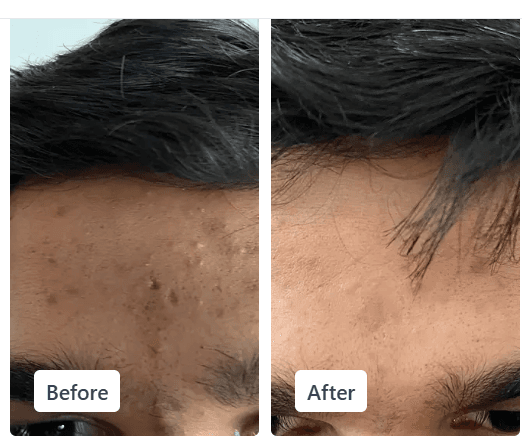
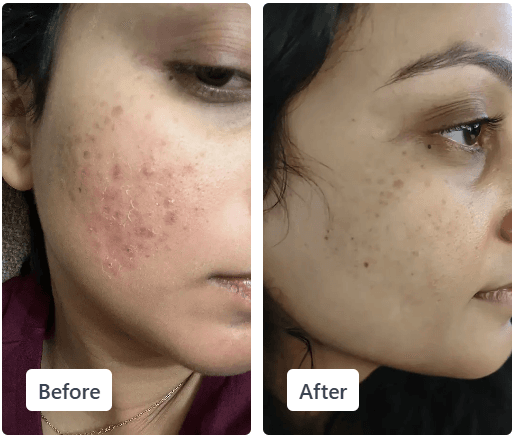
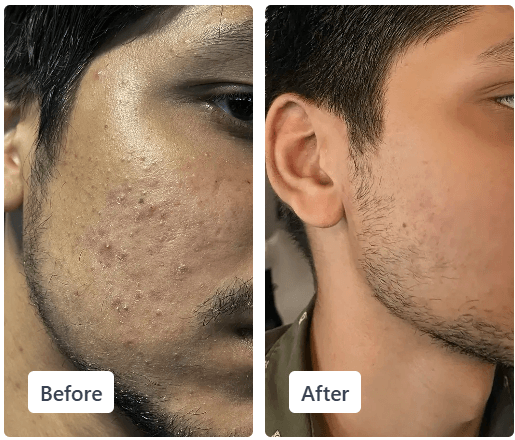
Realistic expectation: Most people see reduced surface congestion within 2–4 weeks and a meaningful reduction in new breakout frequency within 6–12 weeks when cleansing improvements are paired with appropriate moisturisation and sun protection.
Lifestyle Factors That Influence How Much Your Cleansing Routine Can Do
Daily habits interact with your washing routine to determine overall breakout risk. Clear Ritual's approach recognises that cleansing does not operate in isolation.
- Sleep deprivation elevates cortisol, which increases sebum production and inflammation. Someone sleeping poorly may experience more breakouts even with perfect cleansing habits because the internal trigger overwhelms external prevention.
- High-glycemic diets that spike blood sugar rapidly increase insulin and IGF-1, both of which stimulate sebaceous glands. No amount of face washing compensates for dietary patterns that consistently push skin toward excess oil production.
- Chronic stress keeps cortisol elevated, maintaining an inflammatory state that makes skin more breakout-prone regardless of surface habits.
- Face-touching throughout the day transfers bacteria and oils from hands to skin, reintroducing impurities between washes. Phones pressed against cheeks, chin resting on hands, and unconscious face-touching all contribute to breakouts in specific zones.
Being mindful of these habits reduces the burden placed on your cleansing routine and improves its overall effectiveness.
Frequently Asked Questions
1. Should you wash your face more than twice daily to prevent pimples?
Usually, no. Wash in the morning and at night, then use a gentle rinse or cleanse after heavy sweating when needed.
2. Should oily skin be washed more often?
No. Oily skin generally benefits from twice-daily cleansing with a suitable gentle cleanser rather than more frequent washing.
3. Should you wash your face after exercise?
Yes, cleanse or rinse gently after heavy sweating so sweat, oil, and residue do not remain on the skin.
4. Can washing your face alone clear acne?
Not always. Cleansing supports the skin surface, but hormonal, inflammatory, dietary, or product-related triggers may also need attention.
5. How long does twice-daily cleansing take to show results?
Surface congestion may improve within 2 to 4 weeks, while a clearer reduction in new breakouts may take 6 to 12 weeks.
References
- NHS. Acne. Read guidance
- American Academy of Dermatology. Face washing 101. Read guidance
- Choi JM, Lew VK, Kimball AB. A single-blinded, randomised, controlled clinical trial evaluating the effect of face washing on acne vulgaris. View study
- American Academy of Dermatology. Acne-prone skin care habits to stop. Read guidance
Disclaimer
This article is intended for general informational purposes and is not a substitute for personalised skincare advice, diagnosis, or care. If breakouts are persistent, painful, or leaving scars, consult a qualified dermatologist.
Editorial Standards
Clear Ritual has Strict sourcing guidelines to ensure our content is accurate and current. We rely on peer-reviewed studies, academic research institutions, and medical associations. We strive to use primary sources and refrain from using tertiary references. See a mistake? Learn More about our Editorial Standards.