Razor Bumps on Face: Causes, Treatment, and Prevention Tips
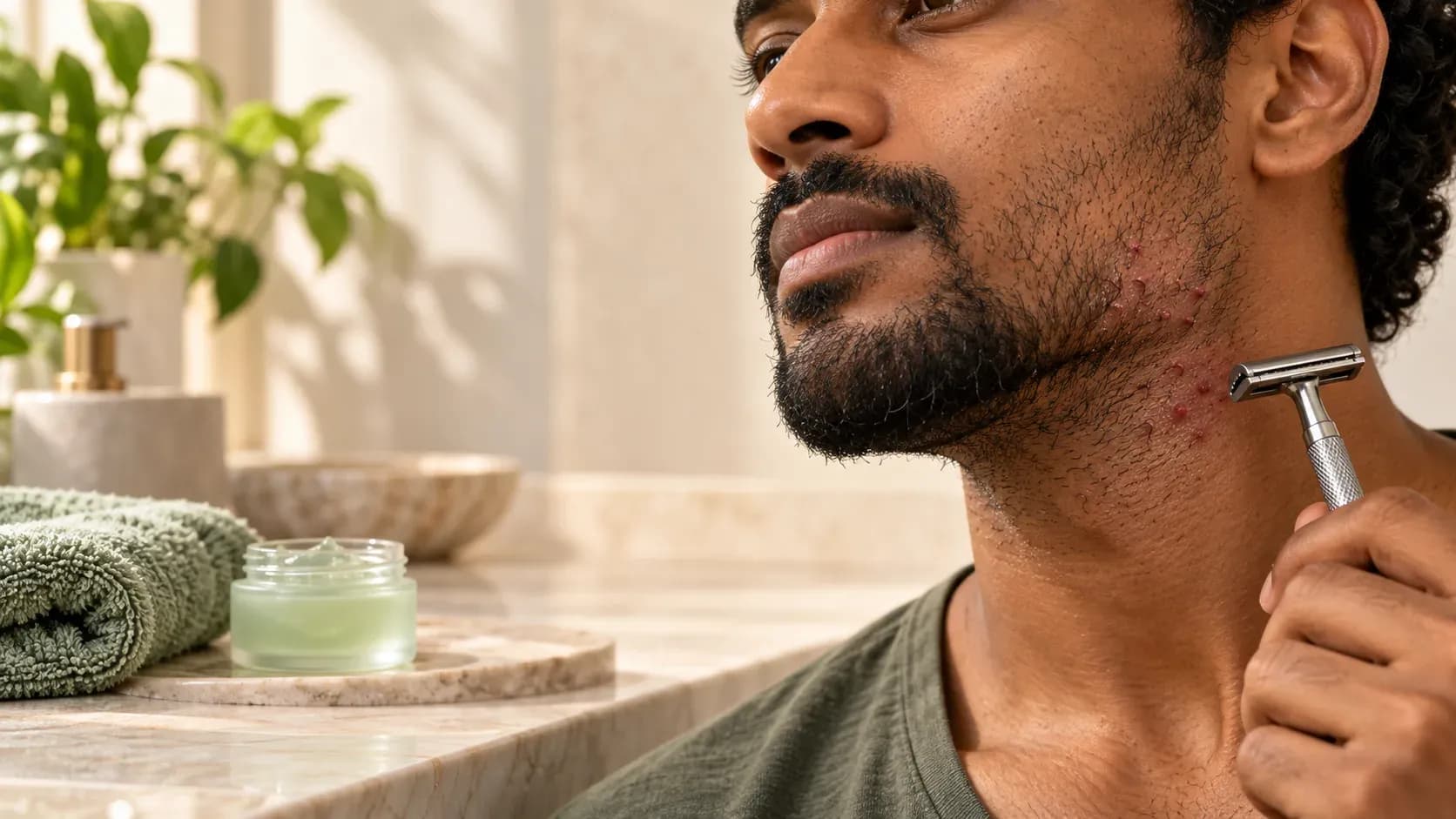
Quick Answer: Razor bumps (pseudofolliculitis barbae) are small, raised spots that can appear after shaving. Your skin can get red and sore when a shaved hair curls back and grows back into it. You may notice them on your face, neck, underarms, legs, or pubic area, depending on where you remove hair. They usually settle within four to six weeks once you stop shaving the area.
Razor bumps are more common with coarse or curly hair, but anyone who shaves can develop them. Razor bumps are irritated hair follicles that can sometimes become infected, particularly if you pick or squeeze them. Changing the way you shave and giving your skin time to recover can help reduce them.
What Causes Razor Bumps After Shaving?
Shaving cuts the hair close to the skin. When the hair starts growing again, its sharp end can curve back and enter the skin.
Shaving too closely can increase the chances of razor bumps. Stretching your skin while shaving, going over the same area repeatedly, and shaving against the direction of hair growth can also trigger them.
A blunt razor may also increase irritation. Razor bumps can also develop after other forms of hair removal, such as waxing or plucking.
How Do You Get Rid of Razor Bumps?
Razor bumps usually improve once you stop shaving the area. If possible, avoid shaving until the bumps settle. Do not scratch, squeeze, or pick the bumps. Doing so can further damage your skin and increase the risk of infection, dark marks, and scars.
Razor Bumps Treatment at Home
You can take a few simple steps to calm the affected skin:
- Pause shaving: Give the skin time to recover before removing hair again.
- Use a cool, wet cloth: Hold a cool, wet cloth on the area for a few minutes to calm the itch and redness.
- Keep the skin moisturised: This can help prevent dryness and irritation.
- Reduce friction: Loose clothing can help if the bumps are on areas such as the legs or pubic area.
If razor bumps keep coming back, a dermatologist may recommend treatments such as topical retinoids, depending on the severity and your skin type.
Can You Get Rid of Razor Bumps Overnight?
You can't clear razor bumps overnight. The inflammation may take several days or three weeks to settle.
You can, however, reduce irritation overnight by avoiding shaving, leaving the bumps alone, and applying a cool, wet cloth to the area. Avoid using several strong products at once, such as scrubs, peels, exfoliating products, or active products (acids), as this may irritate skin that's already red and sore.
Razor Bumps on Different Body Areas
Razor bumps can appear anywhere you shave, but they may look and feel different depending on the area. Skin sensitivity, hair thickness, and shaving habits can all affect how likely you are to develop bumps.
Razor Bumps on Face
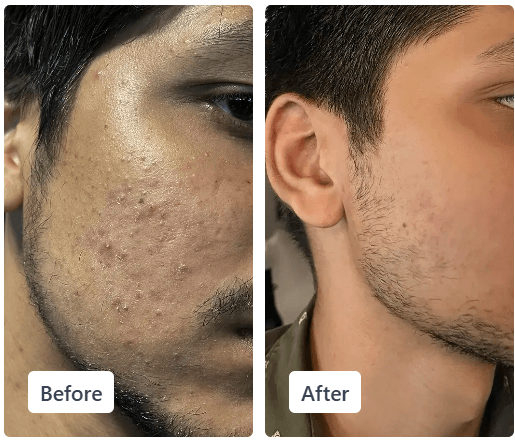
Razor bumps commonly affect the face and neck, particularly in areas where hair is shaved closely. They may appear around the jawline and chin, and can sometimes leave dark marks after the inflammation settles.
Women can also develop razor bumps on the face after removing facial hair. The same problem can occur wherever shaved hair grows back into the skin.
Razor Bumps on Legs
Razor bumps can also develop on the legs after shaving. Irritation from regrowing hairs is sometimes called shaving rash or irritant folliculitis.
If you regularly get bumps on your legs, try shaving less closely and avoid shaving over irritated skin. Using plenty of shaving gel or foam and an electric razor may help reduce irritation.
How to Treat Razor Bumps on Pubic Area (Female)
You may get itchy or tender bumps around the hair follicles. If you have razor bumps in this area, use the home treatment for bumps.
If the area gets very painful, hot or swollen, or you see pus, see a dermatologist. These symptoms can be a sign of infection, not just razor bumps.
How to Avoid Razor Bumps
Changing your shaving technique can help prevent razor bumps. You can:
- Wet your skin with warm water before shaving.
- Apply shaving gel or cream and allow it to soften the hair.
- Shave in the direction of hair growth.
- Use short strokes and avoid going over the same area repeatedly.
- Do not stretch the skin while shaving.
- Use a sharp, clean razor.
- Avoid shaving too closely.
- Avoid shaving every day if possible.
- Consider an electric razor if wet shaving repeatedly causes bumps.
Razor Burn vs Razor Bumps
Razor burn and razor bumps can look similar, but they have different causes. The table below shows a clear overview of how they differ:
| Razor Burn | Razor Bumps |
|---|---|
| Caused by irritation from shaving. | Caused by ingrown hairs. |
| Usually affects a wider area of skin. | More likely to appear around individual hair follicles. |
| Usually appears soon after shaving. | Often appears a few days after shaving. |
| Causes redness, burning, stinging, or itching. | Causes small, raised, itchy, or tender bumps. |
| Usually settles within a few days. | Can take four to six weeks to clear if the hair remains trapped. |
Should You See a Dermatologist for Razor Bumps?
You may not need medical treatment for occasional razor bumps. However, you should see a dermatologist if the bumps keep returning, become painful, develop pus, or leave persistent dark marks or scars.
A dermatologist can also check whether the bumps are actually razor bumps. Conditions such as bacterial folliculitis can look similar but may require different treatment.
Clear Ritual’s Perspective About Razor Bumps
Razor bumps are mainly associated with hair removal and the way shaved hair grows back into the skin. Changing your shaving routine can help manage them.
At Clear Ritual, we approach skin concerns based on what your skin actually needs. If you are also dealing with acne, sensitivity, or recurring breakouts, understanding your skin can help you choose a routine that is better suited to you.
The Clear Ritual Skin Test assesses your skin type and triggers and addresses your root concerns. It provides you with a personalised treatment kit built for your skin. We focus on understanding your skin, keeping your routine manageable, and providing dermatologist-designed skincare.
Understand Your Skin and Breakout Triggers
Take the free skin test to assess sensitivity, irritation, dark marks, and recurring breakouts, then build a routine suited to your skin.
Take the Free Skin Test
Frequently Asked Questions
Q: What are razor bumps in men?
A: Razor bumps are small, pimple-like, inflamed, red or dark bumps caused by ingrown hairs days after a shave.
Q: How long do razor bumps take to go away?
A: Razor bumps can take about three weeks to go away if you stop shaving. If you keep shaving, new bumps keep coming. The only sure way is to stop shaving the area.
Q: Can you prevent razor bumps completely?
A: Not always. You cannot always prevent them completely, but changing your shaving technique can reduce your chances of developing them. Shaving in the direction of hair growth and avoiding an excessively close shave can help.
Q: Can razor bumps leave dark marks?
A: Yes. Inflammation from razor bumps can trigger excess melanin production, leading to flat dark spots, post-inflammatory hyperpigmentation (PIH). This occurs particularly when the bumps recur or are picked. Scarring can also occur in more persistent cases.
Q: Are razor bumps the same as ingrown hairs?
A: No, razor bumps are closely associated with ingrown hairs. They occur when a shaved hair grows back into or through the surrounding skin, triggering inflammation.
Q: Should you shave over razor bumps?
A: Avoid shaving over active razor bumps. Giving the skin time to settle can reduce further irritation and may help prevent additional bumps.
References
- DermNet. (2022). Pseudofolliculitis Barbae (Razor Bumps): Images and Management.
- NHS. Ingrown hairs.
- DermNet. (2013). Shaving.
- DermNet. (2022). Folliculitis Barbae: Causes, Management, and More.
- Dalia Y, Khatib J, Odens H, Patel T. Review of treatments for pseudofolliculitis barbae. Clin Exp Dermatol. 2023;48(6):591-598. doi:10.1093/ced/llad075.
- Lawrence E, Syed HA, Al Aboud KM. Postinflammatory Hyperpigmentation. StatPearls Publishing.
Disclaimer: This article is for general educational purposes and is not a substitute for personalised medical advice. Consult a qualified dermatologist for persistent, painful, infected, or scarring razor bumps.
Editorial Standards
Clear Ritual has Strict sourcing guidelines to ensure our content is accurate and current. We rely on peer-reviewed studies, academic research institutions, and medical associations. We strive to use primary sources and refrain from using tertiary references. See a mistake? Learn More about our Editorial Standards.
Related Articles
Aanya’s Blemish-Prone Skin Journey With Clear Ritual
Published 9 September 2026

Acne and Diet: What’s the Real Link Between Food and Breakouts?
Published 21 July 2026

Acne Around the Mouth: Causes, Triggers and Treatment Options
Published 16 July 2026
Acne Breakout: Why It Happens All at Once and How to Calm It
Published 8 August 2026