Rice Water for Skin: Benefits, How to Use It, and Does It Work?
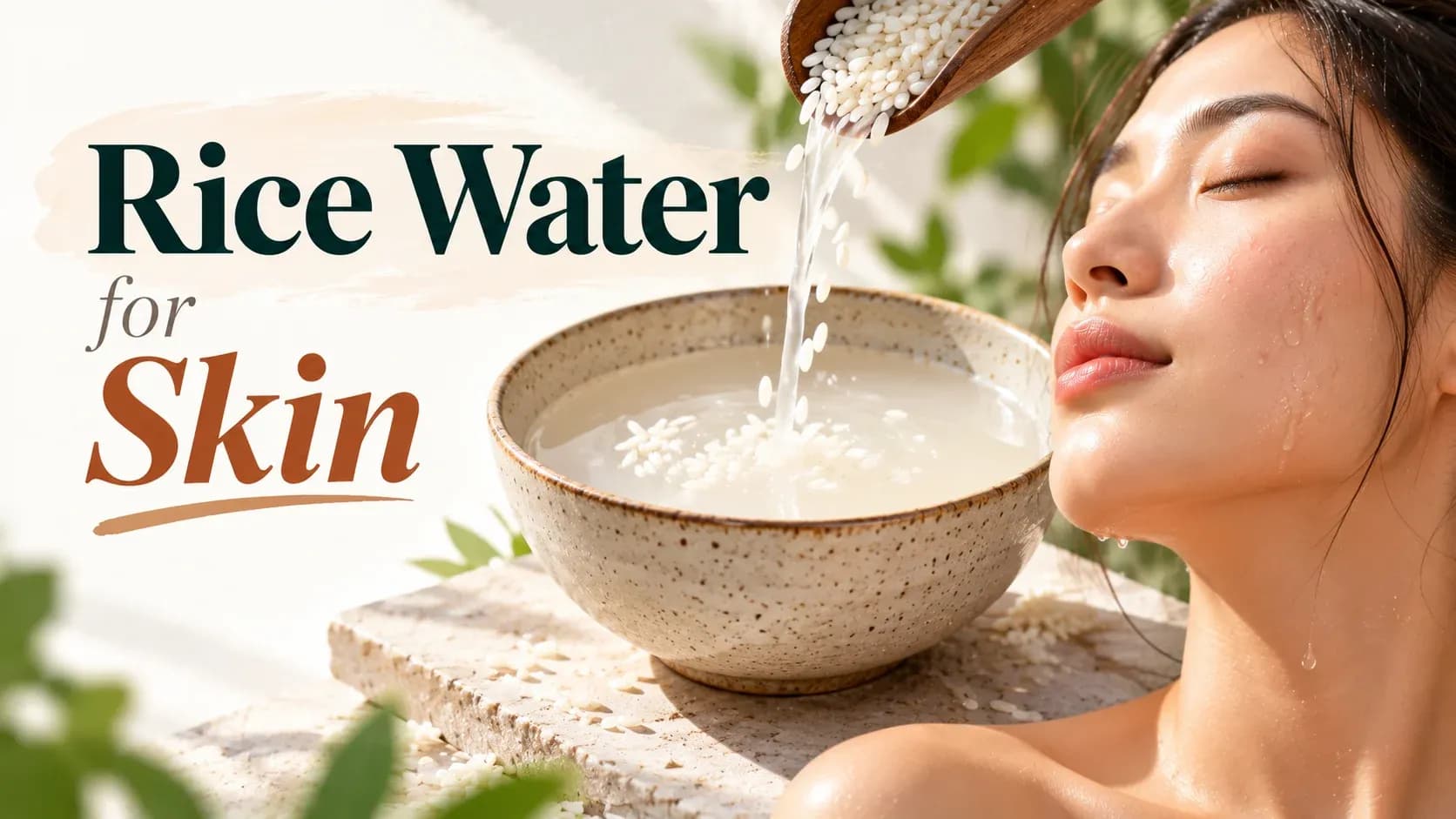
Rice water is a nutrient-rich liquid containing vitamins, amino acids, and antioxidants that helps hydrate, soothe, and mildly improve skin radiance. Rice water for skin is the starchy liquid left after soaking rice, and people have used it in traditional beauty routines for generations.
Is Rice Water Good for Skin?
Rice water may leave your skin feeling temporarily smoother, and research on certain rice-derived ingredients suggests potential benefits for skin hydration and barrier function. However, these findings do not prove that homemade rice water produces the same results.
Your results will vary based on your individual skin type and current routine. Using rice water for skin should complement, never replace, essential everyday products like daily moisturiser, sunscreen, or medical treatments prescribed by a dermatologist.
Is Rice Water Good for Oily Skin?
If you have oily skin, rice water may suit you as long as it doesn't irritate or cause breakouts. However, insufficient evidence shows that homemade rice water controls excess sebum, unclogs pores, or treats acne.
For oily or acne-prone skin, use a gentle cleanser, a suitable moisturiser, and non-comedogenic skincare products. Rice water should not replace ingredients that address your specific concerns.
Look for ingredients like salicylic acid, which can help unclog pores, and niacinamide, which may support the skin barrier and help balance excess oil.
Is Rice Water Good for Dry Skin?
Rice water may leave your skin feeling temporarily soft, but it should not be your main solution for dryness. You can experiment with rice water if your skin tolerates it, but don't use it instead of moisturiser.
Research on rice starch and other rice-derived ingredients suggests that certain formulations may support skin-barrier function. These findings don't automatically apply to homemade rice water.
If your skin feels dry, tight or flaky, use a gentle cleanser and a moisturiser that helps retain water and support the skin barrier. Look for ingredients such as niacinamide, Vitamin E, ceramides, allantoin, and glycerin in your moisturiser to build a suitable moisturising routine.
Note: If your skin stays dry, itchy, or inflamed, consider speaking with a dermatologist to identify the underlying cause.
Does Rice Water Really Work for Skin?
Rice water may temporarily make your skin feel softer, but limited clinical evidence shows that homemade rice water can treat specific skin concerns. If you want to address a particular concern, ingredients formulated for that purpose may be more helpful.
| Skin concern | Rice water’s potential | Ingredients that may help |
|---|---|---|
| Acne | Not proven to treat acne. | Salicylic acid |
| Excess oil | May refresh skin; oil control is unproven. | Niacinamide |
| Dryness | May temporarily soften skin. | Glycerin and ceramides. |
| Dark spots | Traditionally used for brighter-looking skin; effects on pigmentation are unproven. | Azelaic acid |
| Uneven texture | May temporarily make skin feel smoother. | Lactic acid |
What Are the Benefits of Rice Water for Skin?
The potential rice water benefits for skin are often linked to its starch content and the substances present in rice. However, the effects of homemade rice water haven't been established for every commonly cited benefit.
Here are a few benefits of rice water for skin.
Leaves skin feeling instantly softer: The natural starches in rice water may make skin feel smoother after application.
Protects with real antioxidant power: When used in well-formulated skincare products, it helps lock in active antioxidants to shield your skin from environmental stress.
Heals and strengthens the skin barrier: Over time, fermented rice water works below the surface to lock in moisture, repair deep hydration lines, and build up a resilient skin barrier.
Calms irritation and redness: It acts as a gentle, soothing layer on your skin, quickly cooling flare-ups, inflammation, and sensitivity caused by harsh cleansers or environmental triggers.
A review of dermatological applications of rice products discusses their potential in skincare, while also highlighting the need to assess individual ingredients and applications carefully. Remember that these potential benefits do not make rice water a treatment for acne, dark spots, pigmentation, or premature skin ageing.
How to Prepare Rice Water for Skin at Home
To prepare rice water for skin at home, rinse half a cup of rice, soak it for at least 30 minutes, and let the strained liquid sit at room temperature for 12 to 24 hours to ferment. Dilute it 1:1 with plain water before using.
How to Use Rice Water for Skin Whitening
Use the prepared rice water mix as a gentle cleanser, toner, mist, or add it to any homemade mask.
Follow these steps:
Cleanse your face: Use a mild cleanser suited to your skin type. If you are using rice water as a cleanser, you can skip this step.
Apply a small amount: If you have patch-tested the rice water and your skin tolerates it, gently apply a little with clean hands or a clean cotton pad. Avoid your eyes and broken or irritated skin.
Rinse if needed: Since homemade rice water isn't a standardised skincare product, rinse it off if it feels uncomfortable or irritates your skin.
Moisturise: Apply a non-comedogenic moisturiser suited to your skin's needs.
Use sunscreen in the morning: Broad-spectrum sunscreen helps protect your skin from ultraviolet radiation and supports managing uneven pigmentation.
Rice water is a good option for daily maintenance, but it won't help with stubborn sun spots, acne scars, or deep-set pigmentation. Instead of aiming to whiten your skin, focus on hydration and clearing pigmentation or any active acne.
To clear pigment safely and evenly from the inside out, consult your dermatologist, build a skincare routine that suits your skin, or get advanced treatments under their guidance.
Clear Ritual's Perspective on Rice Water for Skin
At Clear Ritual, we believe skincare should follow your skin's needs, not the popularity of a single ingredient or home remedy. Rice water is good for skin and may have potential, but the available evidence does not establish it as a reliable treatment for acne, pigmentation or other specific skin concerns.
Your skin may need a different combination of products depending on its condition, sensitivity, and existing concerns. The Clear Ritual Skin Test helps you explore your skin concerns and build a routine suited to your needs.
Understand What Your Skin Needs
Take the Clear Ritual Skin Test to identify your skin concerns and explore a plan for your routine.
Take the Free Skin Test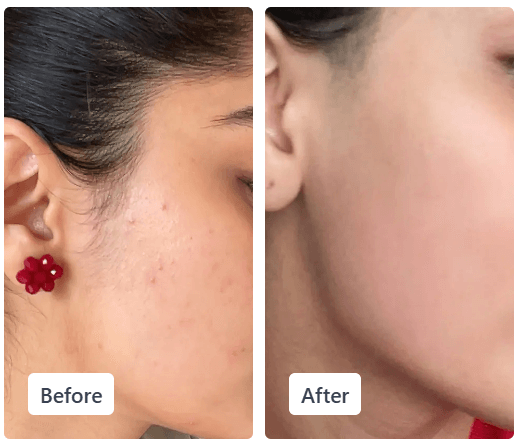
Frequently Asked Questions
Q. Is rice water safe for daily use on skin?
A. Rice water is generally safe to use 2 to 3 times a week. Raw, homemade rice water is not recommended for daily use because it lacks preservatives and can quickly grow bacteria, which leads to breakouts and irritation, while its starch content can cause dryness if overused.
Q. Can you leave rice water on your face overnight?
A. No. You should not leave rice water on your face overnight unless you are using a clinically formulated rice water-based product that is intended for overnight use.
Q. How long does rice water take to show results on skin?
A. Rice water takes about 2 to 4 weeks to show subtle improvements in skin brightness and hydration, while fading dark spots and mild hyperpigmentation generally requires 6 to 8 weeks of consistent use. If your skin issues are stubborn and do not improve with rice water, consult your dermatologist for prompt treatment.
Q. Can rice water remove pimples and acne marks?
A. No, rice water cannot cure active pimples or erase stubborn acne marks on its own. As an additional step, it can help soothe redness and gently support skin recovery. You need a skincare routine with a gentle face wash, noncomedogenic moisturiser, acne- and pigmentation-targeting actives, and sunscreen.
Q. Can you use rice water on sensitive skin?
A. Yes. Rice water can help sensitive skin because it contains soothing ingredients and anti-inflammatory compounds that calm irritation and support the skin barrier. However, using fermented rice water without a patch test, or using it too often, can cause dryness or over-exfoliation.
References
- De Paepe K, Hachem JP, Vanpee E, Roseeuw D, Rogiers V. Effect of rice starch as a bath additive on the barrier function of healthy but SLS-damaged skin and skin of atopic patients. Acta Derm Venereol. 2002;82(3):184-186. doi:10.1080/00015550260132460
- Marto J, Neves Â, Gonçalves LM, Pinto P, Almeida C, Simões S. Rice Water: A Traditional Ingredient with Anti-Aging Efficacy. Cosmetics. 2018; 5(2):26. https://doi.org/10.3390/cosmetics5020026
- Zamil DH, Khan RM, Braun TL, Nawas ZY. Dermatological uses of rice products: Trend or true?. J Cosmet Dermatol. 2022;21(11):6056-6060. doi:10.1111/jocd.15099
- American Academy of Dermatology. How to test skin care products. Last Updated: 8/10/2021
Disclaimer: This article is for general information only and is not a substitute for diagnosis or treatment from a qualified dermatologist. Follow your product label and your clinician’s advice, especially during pregnancy, breastfeeding, or when treating a diagnosed skin condition.
Editorial Standards
Clear Ritual has Strict sourcing guidelines to ensure our content is accurate and current. We rely on peer-reviewed studies, academic research institutions, and medical associations. We strive to use primary sources and refrain from using tertiary references. See a mistake? Learn More about our Editorial Standards.