Tomato Benefits for Skin: Uses, Results & Expert Tips
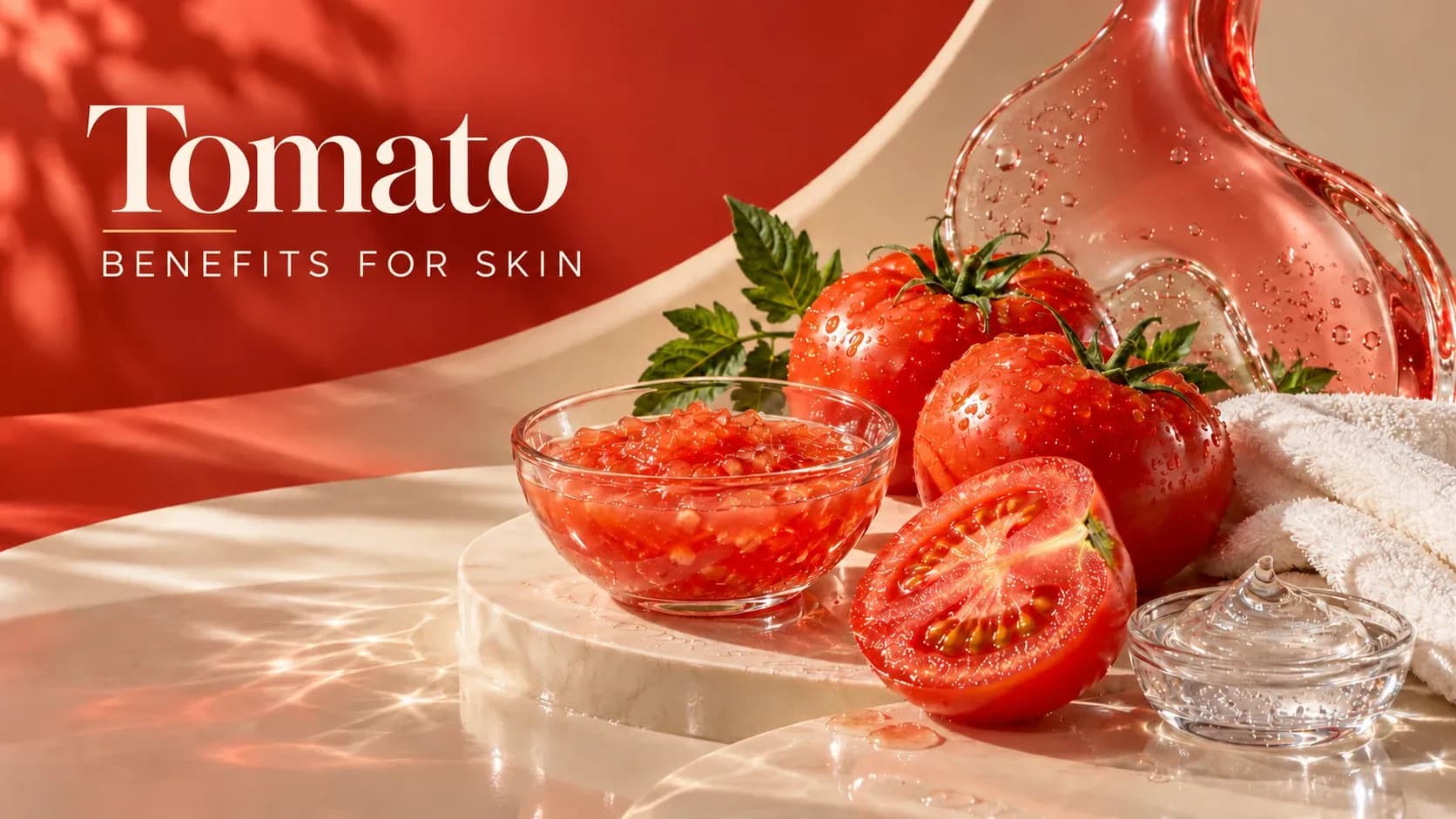
Quick Answer:
Tomatoes can benefit your skin by reducing excess oil, brightening uneven tone, and protecting against UV-related damage. The key active compound is lycopene, a carotenoid antioxidant that neutralises free radicals. According to Clear Ritual's skin health team, consistent topical or dietary use of tomato may show visible changes in skin texture and radiance within 4 to 6 weeks.
What Are Tomato Benefits for Skin? A Complete Overview
Tomato benefits for skin refer to the range of improvements (from oil control to pigmentation reduction) that occur when tomato or its extracts are applied topically or consumed regularly. Tomatoes are rich in lycopene, vitamin C, vitamin A, and salicylic acid, all of which target common skin concerns.
Tomato is suitable for most skin types, particularly oily, acne-prone, and dull skin. It works by delivering antioxidants directly to skin cells, supporting collagen synthesis, and mildly exfoliating the surface layer.
Key terms defined:
- Lycopene: a red carotenoid pigment in tomatoes with strong antioxidant activity
- Free radicals: unstable molecules that accelerate skin ageing and damage cells
- Sebum: the natural oil produced by skin glands, often in excess in oily skin types
Common myth: Applying raw tomato daily is not necessarily safe for every skin type. Its natural acidity can irritate some people, so patch testing is important.
Key Benefits of Tomato for Skin: What You Actually Gain
Tomato offers several clinically observed and research-supported benefits for skin health. Clear Ritual's formulation experts identify the following as the most significant:
- Antioxidant protection: Lycopene in tomatoes neutralises free radicals that accelerate skin ageing. Studies suggest lycopene may reduce oxidative skin damage by up to 33% with consistent use.
- Oil and pore control: The natural astringent properties of tomato help tighten pores and reduce excess sebum production, making skin appear less greasy.
- Brightening and tone correction: Vitamin C content (approximately 14 mg per 100 g of tomato) supports melanin regulation, which may reduce the appearance of dark spots over 6–8 weeks.
- Mild exfoliation: Tomatoes contain natural alpha hydroxy acids (AHAs) that loosen dead skin cells from the surface, improving texture.
- Anti-inflammatory action: Quercetin and beta-carotene in tomatoes can reduce redness and minor inflammation associated with acne.
May Help Protect Against Skin Cancer
Lycopene is one of the most studied carotenoids for photoprotection. Research published in the British Journal of Dermatology found that participants who consumed 40 g of tomato paste daily for 10 weeks showed a 40% reduction in sunburn response. Topical lycopene may also reduce UV-induced DNA damage in skin cells, though it is not a replacement for SPF sunscreen.
Benefits of Tomato for Pimples
Tomato contains salicylic acid, a beta hydroxy acid (BHA) that penetrates pores and dissolves the sebum and dead cell debris that trigger breakouts. Applying fresh tomato pulp to active pimples may reduce their size within 24–48 hours. The antibacterial properties of tomato also inhibit Cutibacterium acnes, the primary bacteria involved in inflammatory acne.
Benefits of Tomato for Dry Skin
While tomato is often associated with oily skin, its vitamin A content supports the skin's moisture barrier function. Vitamin A (present as beta-carotene in tomatoes) helps regulate cell turnover, reducing flakiness and improving the skin's ability to retain water. Best used on dry skin in a diluted form (mixed with honey or aloe vera) to avoid any temporary tightening effect.
Benefits of Tomato for Blemishes
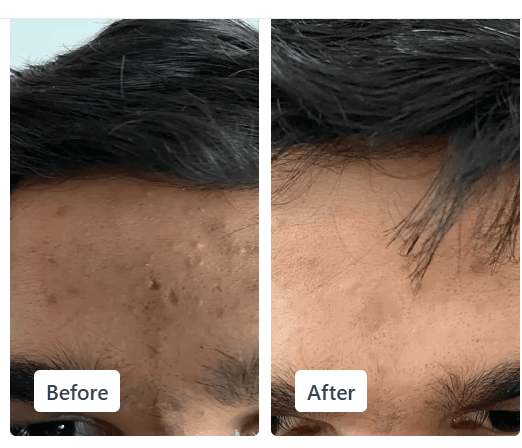
Post-acne blemishes and hyperpigmentation respond to tomato's vitamin C content, which inhibits tyrosinase, the enzyme responsible for melanin overproduction. Clear Ritual recommends consistent application over 6–8 weeks for measurable lightening of blemish marks. The AHAs in tomato also accelerate the shedding of pigmented surface cells.
| Benefit | Active Compound | Typical Onset |
|---|---|---|
| Antioxidant protection | Lycopene | 4–6 weeks |
| Oil control | Natural astringents | 1–2 weeks |
| Brightening / tone correction | Vitamin C | 6–8 weeks |
| Pimple reduction | Salicylic acid | 24–48 hours |
| Blemish fading | Vitamin C + AHAs | 6–8 weeks |
| Exfoliation | AHAs | 2–4 weeks |
| UV protection support | Lycopene | 8–10 weeks (dietary) |
How Tomato Benefits for Skin Works: The Complete Breakdown
Tomato benefits skin through four distinct mechanisms operating at different layers of the skin. Understanding the "why" behind each step helps set realistic expectations.
Free radical neutralisation: Lycopene donates electrons to unstable free radical molecules, stabilising them before they can damage collagen fibres or cell membranes. This process slows visible ageing and maintains skin elasticity.
Tyrosinase inhibition: Vitamin C in tomato blocks the activity of tyrosinase, reducing the rate at which excess melanin is produced. This is why tomato may lighten dark spots and uneven patches over 6–8 weeks of consistent use.
Pore-tightening via astringency: The natural acids in tomato (citric, malic) cause a temporary contraction of skin pores and sebaceous glands, reducing oil secretion on the surface. Pores appear smaller because less debris and oil expand them.
Surface cell turnover: AHAs in tomato loosen the bonds between dead surface cells (corneocytes), allowing them to shed faster. This exposes newer, brighter cells underneath and improves the absorption of any products applied afterward.
Misconception cleared: Tomato does not bleach the skin. It regulates pigment production and accelerates natural cell shedding, a fundamentally different process that produces gradual, not sudden, tone changes.
How to Use Tomato on Skin: Step-by-Step Guide
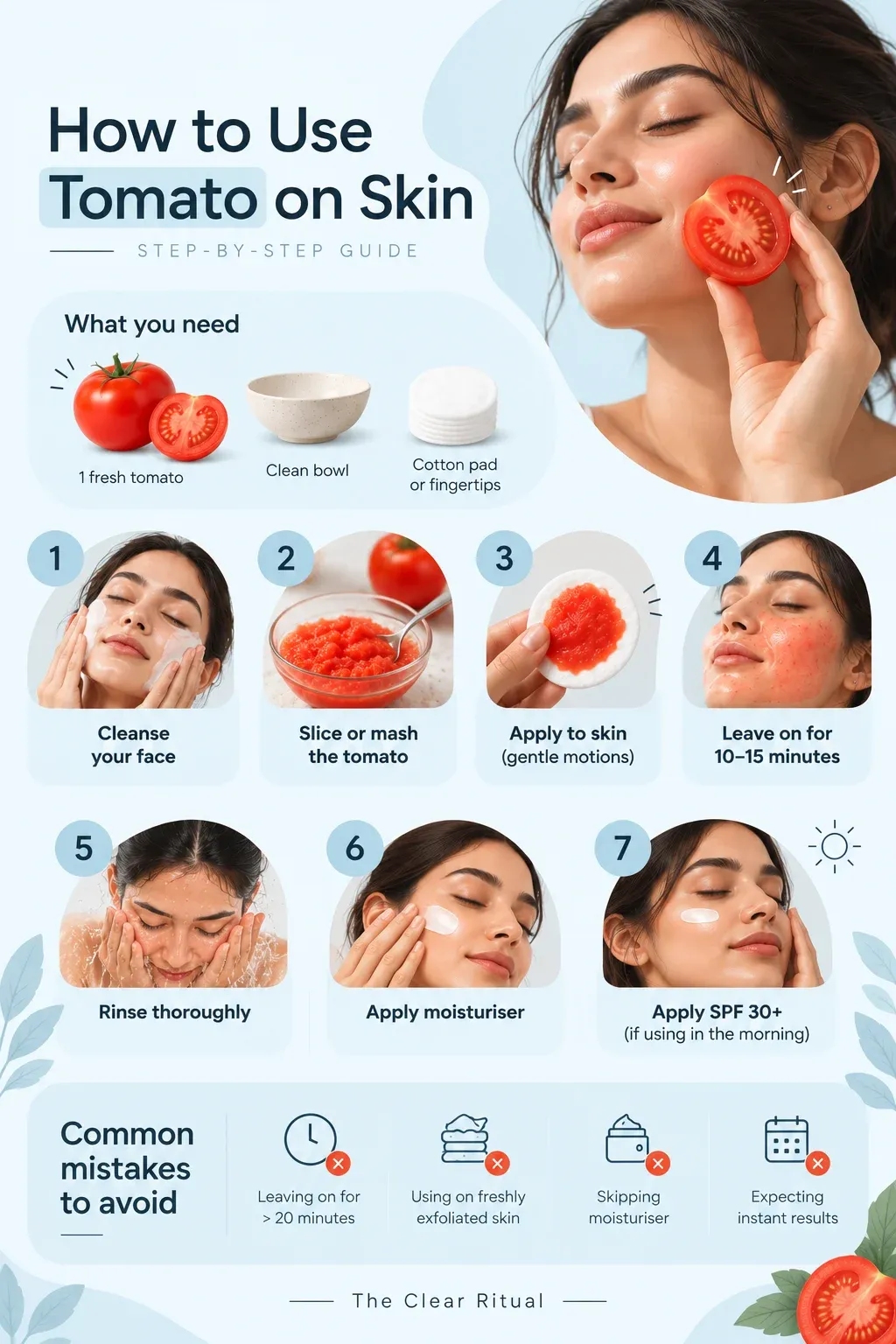
Before starting, confirm your skin is not sensitive to high-acid ingredients by performing a patch test on the inner forearm for 24 hours.
What you need:
- 1 ripe, fresh tomato (Roma or cherry varieties have higher lycopene content)
- Clean bowl and cotton pad or fingertips
- Mild cleanser and moisturiser for post-application
Steps:
- Cleanse your face with a gentle, pH-balanced cleanser to remove surface dirt and makeup. Pat dry. This ensures the active compounds in tomato penetrate rather than sit on top of a soiled surface.
- Slice or mash the tomato to release the pulp and juice. For oily or acne-prone skin, use the juice directly. For dry or sensitive skin, mix the pulp with one teaspoon of plain yoghurt or honey to buffer acidity.
- Apply to skin using a cotton pad or clean fingertips in gentle circular motions. Avoid the eye area and any broken or inflamed skin.
- Leave on for 10–15 minutes. Do not exceed 20 minutes in the first two weeks. Longer contact time does not accelerate results and may cause temporary tightness.
- Rinse thoroughly with cool or lukewarm water. Warm water can over-dilate pores post-application.
- Apply moisturiser immediately after patting skin dry. This locks in hydration and offsets any temporary drying effect from the acids.
- Apply SPF 30+ if using in the morning. AHAs mildly increase photosensitivity, so sun protection is non-negotiable.
Common mistakes to avoid:
- Leaving tomato on for more than 20 minutes (increases risk of mild irritation)
- Applying to freshly exfoliated skin (double acid load can cause redness)
- Skipping moisturiser post-rinse
- Expecting whitening results within days; visible tone change requires 6–8 weeks
Tomato for Skin vs. Other Natural Ingredients: An Honest Comparison
Tomato is one of several natural ingredients used for brightening and oil control. Here is how it compares to commonly used alternatives.
| Ingredient | Key Actives | Best For | Time to Results | Limitations |
|---|---|---|---|---|
| Tomato | Lycopene, Vit C, salicylic acid | Oily, acne-prone, dull skin | 4–8 weeks | Mild acidity; patch test needed |
| Lemon | Vitamin C, citric acid | Brightening | 4–6 weeks | High acidity (pH ~2); high irritation risk |
| Turmeric | Curcumin | Anti-inflammatory, glow | 3–4 weeks | May stain skin yellow temporarily |
| Aloe Vera | Acemannan, Vit E | Soothing, hydration | 1–2 weeks | Minimal brightening effect |
| Papaya | Papain enzyme, Vit C | Exfoliation, brightening | 4–6 weeks | Can trigger latex allergy in some users |
Recommendation from Clear Ritual: Tomato is the most balanced option for users dealing with both oiliness and uneven tone simultaneously. Lemon offers faster brightening but carries a significantly higher risk of acid burns and post-inflammatory hyperpigmentation, particularly on darker skin tones.
What Results to Expect: Timeline for Tomato Skin Benefits
Results from tomato use vary depending on skin type, frequency of application, and whether tomato is used topically, dietarily, or both. Clear Ritual advises setting expectations based on the following timeline.
| Timeframe | What You May Notice |
|---|---|
| Week 1–2 | Reduced surface oiliness; skin feels cleaner after application |
| Week 3–4 | Pores appear tighter; minor redness or blemish size may reduce |
| Week 6–8 | Visible improvement in skin tone; early fading of blemish marks |
| Month 3 | More consistent brightening; lycopene photoprotection builds up (dietary) |
| Month 6 | Sustained tone correction and oil balance if used regularly |
Factors that affect outcomes:
- Skin type (oily skin tends to respond faster to oil-control benefits)
- Consistency of use (minimum 4 days per week for topical application)
- Dietary intake (consuming 2–3 tomatoes daily amplifies lycopene benefits)
- Sun protection habits (SPF use is required to prevent re-pigmentation)
- Baseline skin condition (severe hyperpigmentation requires dermatological treatment alongside natural remedies)
Best Practices for Using Tomato on Skin: Expert Tips
Clear Ritual's skin health team recommends the following practices for safe and effective results:
- Use ripe tomatoes: riper tomatoes have higher lycopene concentrations. Green or under-ripe tomatoes contain solanine and offer fewer skin benefits.
- Combine with dietary intake: cooking tomatoes in olive oil increases lycopene bioavailability by up to 4x compared to eating them raw. Adding cooked tomatoes to your diet amplifies the antioxidant effect.
- Apply at night for best results: nighttime application avoids daytime UV exposure post-AHA use and allows the skin's natural repair cycle to work alongside the active compounds.
- Do not mix with Vitamin C serums on the same application, doubling up acidic ingredients can disrupt the skin barrier temporarily.
- Limit to 3–5 times per week: daily use in the first month may cause mild dryness in normal-to-dry skin types.
- Store cut tomatoes in the refrigerator: cool application also provides a mild anti-inflammatory benefit and reduces puffiness.
- Track your results with photos: lighting-consistent photos taken every 2 weeks help identify real changes that may otherwise go unnoticed.
Mistakes to avoid:
- Applying tomato to open wounds, active cysts, or severely inflamed acne
- Using tomato as a standalone treatment for severe pigmentation conditions such as melasma (consult a dermatologist)
- Combining tomato with strong retinoids or chemical peels without medical advice
Research and Evidence: What Studies Say About Tomato Skin Benefits
Several peer-reviewed studies support the skin benefits of tomato compounds.
Lycopene and oxidative skin stress: A 2012 study in Nutrition Reviews found that lycopene is the most effective quencher of singlet oxygen (a highly reactive free radical) among all carotenoids, with activity approximately twice that of beta-carotene.
Dietary tomato and UV protection: Research published in the British Journal of Dermatology (2008) demonstrated that participants consuming 40 g of tomato paste with olive oil daily for 10 weeks showed a 40% greater resistance to UV-induced skin redness compared to controls.
Cooking increases lycopene absorption: A study in the Journal of Agricultural and Food Chemistry confirmed that processed tomato products (paste, sauce) deliver up to 4x more bioavailable lycopene than raw tomatoes, because heat breaks down cell walls and oil aids absorption.
Salicylic acid in tomato: Analytical studies confirm that tomatoes contain measurable levels of salicylic acid (approximately 0.1–0.3 mg per 100 g), sufficient to provide mild comedolytic (pore-clearing) activity with consistent topical application.
Limitations of current research: Most lycopene studies measure dietary intake rather than topical application. Topical lycopene research remains limited in sample size and standardisation. Clear Ritual recommends using tomato as a complementary, not primary, treatment for clinical skin conditions.
Understand What Your Skin Needs
Take the Clear Ritual Skin Test to identify your skin type, concerns, and potential triggers before building your routine.
Take the Free Skin Test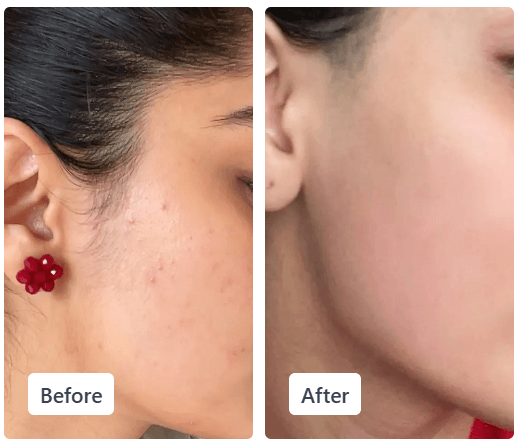
Frequently Asked Questions About Tomato Benefits for Skin
Q. Does tomato make your skin glow?
A. Tomato may improve skin radiance within 4–6 weeks of consistent use. The combination of vitamin C (which brightens tone) and AHAs (which remove dull surface cells) produces a noticeably cleaner, more even complexion. The "glow" effect is largely due to better light reflection off smoother, less oily skin.
Q. Does tomato have salicylic acid?
A. Yes, tomatoes contain naturally occurring salicylic acid at approximately 0.1–0.3 mg per 100 g. This is lower than concentrations found in commercial acne products (0.5%–2%), but consistent topical use can provide mild anti-acne and pore-clearing effects over time.
Q. How long does it take for tomato to lighten skin?
A. Visible lightening of blemish marks or uneven tone typically takes 6–8 weeks of consistent application (4–5 times per week). Significant changes in overall skin tone take closer to 3 months. Results vary by skin type and baseline pigmentation level.
Q. How long should you leave tomato on your face?
A. 10 to 15 minutes is the recommended contact time for most skin types. In the first two weeks, limit to 10 minutes to allow your skin to adjust to the acidity. Do not exceed 20 minutes, as prolonged contact does not improve results and may cause temporary dryness or tightness.
Q. What happens if you eat raw tomatoes daily?
A. Consuming 2–3 raw tomatoes daily provides approximately 4–6 mg of lycopene, which studies associate with improved photoprotection and lower oxidative skin stress over 8–10 weeks. Tomatoes also provide vitamin C and potassium, both of which support general skin health. Cooking with olive oil further increases lycopene bioavailability.
Q. Can tomato be used on dry skin?
A. Yes, with modification. Mix tomato pulp with honey, yoghurt, or aloe vera before applying to dry skin. This buffers the natural acidity and adds hydrating compounds. Pure tomato juice applied directly may cause temporary tightness on dry or sensitive skin.
Q. Is it safe to use tomato on skin every day?
A. For most people, daily use is generally well-tolerated once skin has adjusted (typically after 2–3 weeks). However, Clear Ritual recommends starting with 3–4 times per week to assess skin response before increasing frequency. Those with sensitive or compromised skin barrier should limit use to 2–3 times per week.
Editorial Standards
Clear Ritual has Strict sourcing guidelines to ensure our content is accurate and current. We rely on peer-reviewed studies, academic research institutions, and medical associations. We strive to use primary sources and refrain from using tertiary references. See a mistake? Learn More about our Editorial Standards.
Related Articles
The Clear Ritual’s Guide: 5 Daily Skincare Routine Steps for Acne
Published 20 July 2026
Acne in Perimenopause: Hormonal Changes Behind Adult Breakouts
Published 16 July 2026
Acne on Cheeks: Causes, Treatment & What Actually Works
Published 17 July 2026

Acne and Diet: What’s the Real Link Between Food and Breakouts?
Published 21 July 2026