Vitamin E Capsule for Face: Benefits, How to Use & Side Effects

Quick Answer:
Vitamin E capsules for face are small, oil-filled supplements that can be applied directly to facial skin to deliver concentrated antioxidant protection. Piercing a capsule and applying the oil may help reduce dryness, fade dark spots, and support the skin's natural repair process. According to Clear Ritual's skincare advisory team, vitamin E is one of the most researched topical antioxidants for facial skin health.
What Is a Vitamin E Capsule for Face? A Complete Overview
A vitamin E capsule for face is a soft-gel supplement containing tocopherol oil: the active antioxidant form of vitamin E. When applied topically, the oil absorbs into the outer layers of the skin (epidermis and dermis) where it neutralises free radicals that cause oxidative damage.
Vitamin E capsules for face use are not the same as moisturisers or serums. They deliver a higher concentration of tocopherol directly, without preservatives or water-based dilution. This makes them suitable for targeted application on dry patches, scars, or pigmented areas.
Key facts at a glance:
- Active ingredient: Alpha-tocopherol (most bioavailable form of vitamin E)
- Typical capsule strength: 200 mg to 400 mg (e.g., Evion 400)
- Texture: Thick, golden-yellow oil
- Application method: Pierce capsule, apply oil directly or mix with a carrier
How Does Vitamin E Capsule for Face Work? The Core Mechanism
Vitamin E capsule for face works because tocopherol is a fat-soluble antioxidant that integrates into the lipid bilayer of skin cells, where it intercepts and neutralises free radicals before they damage collagen, elastin, and cellular DNA.
Here is the step-by-step mechanism:
- Free radical neutralisation: UV radiation, pollution, and stress generate reactive oxygen species (ROS) in skin tissue. Alpha-tocopherol donates an electron to these unstable molecules, disabling them before they cause cellular damage.
- Lipid peroxidation prevention: Vitamin E protects the fatty acids in skin cell membranes from oxidative breakdown, keeping the skin barrier intact and reducing transepidermal water loss (TEWL).
- Collagen protection: By reducing oxidative stress, vitamin E may slow the degradation of collagen fibres: the protein responsible for skin firmness. Studies suggest oxidative damage accelerates collagen loss by up to 30% in sun-exposed skin.
- Melanin regulation: Vitamin E may inhibit the activity of tyrosinase, the enzyme that triggers melanin overproduction, which is why vitamin E capsule uses for face include fading hyperpigmentation and dark spots.
- Moisture retention: The oil forms a semi-occlusive layer on the skin surface, reducing water evaporation and improving hydration levels within 2-4 hours of application.
Common misconception: Vitamin E capsule for face does not "bleach" skin. It works by reducing oxidative triggers of melanin production: a slower, biological process that typically takes 4-8 weeks of consistent use to show visible results.
Key Benefits of Vitamin E Capsule for Face: What You Actually Gain
Vitamin E capsule for face benefits span both short-term hydration and long-term skin repair. Clear Ritual's formulation team identifies the following evidence-supported benefits:
Short-term benefits (within 1-2 weeks):
- Deep moisturisation: Vitamin E oil reduces TEWL, improving skin hydration markers measurably within 48-72 hours of application
- Skin barrier support: Replenishes lipids in a compromised skin barrier, reducing redness and sensitivity
- Softening rough texture: The emollient properties of tocopherol smooth dry, flaky patches on the face
Long-term benefits (4-12 weeks of consistent use):
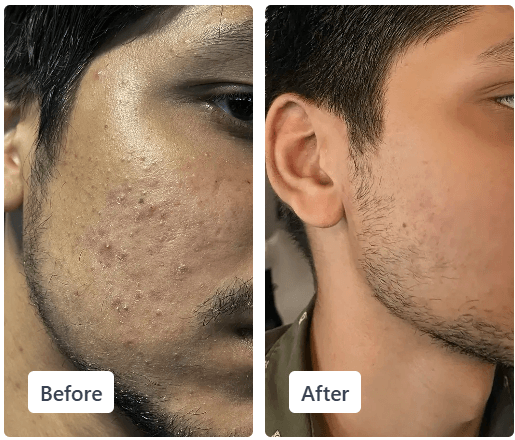
- Scar fading: Vitamin E capsule for face benefits include supporting skin regeneration over healed wounds; research suggests improvement in scar appearance in up to 60% of users over 8 weeks
- Hyperpigmentation reduction: May visibly lighten dark spots and uneven skin tone by modulating melanin synthesis
- Anti-ageing support: Regular use may reduce the appearance of fine lines by protecting collagen from oxidative breakdown
- UV damage mitigation: Acts as a secondary (not primary) layer of photoprotection when combined with sunscreen
- Under-eye area improvement: The emollient effect can temporarily reduce the appearance of dry, creased skin under the eyes
| Benefit | Onset | Evidence Level |
|---|---|---|
| Hydration | 24-72 hours | Strong |
| Barrier repair | 1-2 weeks | Moderate-Strong |
| Scar improvement | 6-8 weeks | Moderate |
| Dark spot fading | 4-8 weeks | Moderate |
| Fine line reduction | 8-12 weeks | Moderate |
Types of Vitamin E Capsule for Face: Which Is Right for You?
Not all vitamin E capsules for face are identical. The formulation, strength, and additional ingredients determine which type suits your skin concern.
| Type | Key Feature | Best For |
|---|---|---|
| Standard tocopherol capsule (200 mg) | Pure alpha-tocopherol oil | Daily moisturising, sensitive skin |
| High-strength capsule (400 mg, e.g., Evion 400) | Higher tocopherol concentration | Scars, deep pigmentation, dry skin |
| Tocopherol + tocotrienol blend | Broader antioxidant spectrum | Anti-ageing, UV-damaged skin |
| Vitamin E + Vitamin C combined capsule | Synergistic brightening | Hyperpigmentation, dull skin |
| Vitamin E in carrier oil (e.g., wheat germ) | Pre-diluted, milder concentration | First-time users, oily/combination skin |
Clear Ritual recommends: For most first-time users, a 400 mg pure alpha-tocopherol capsule applied 3-4 times per week is a practical starting point. Daily use may be introduced gradually if no irritation occurs.
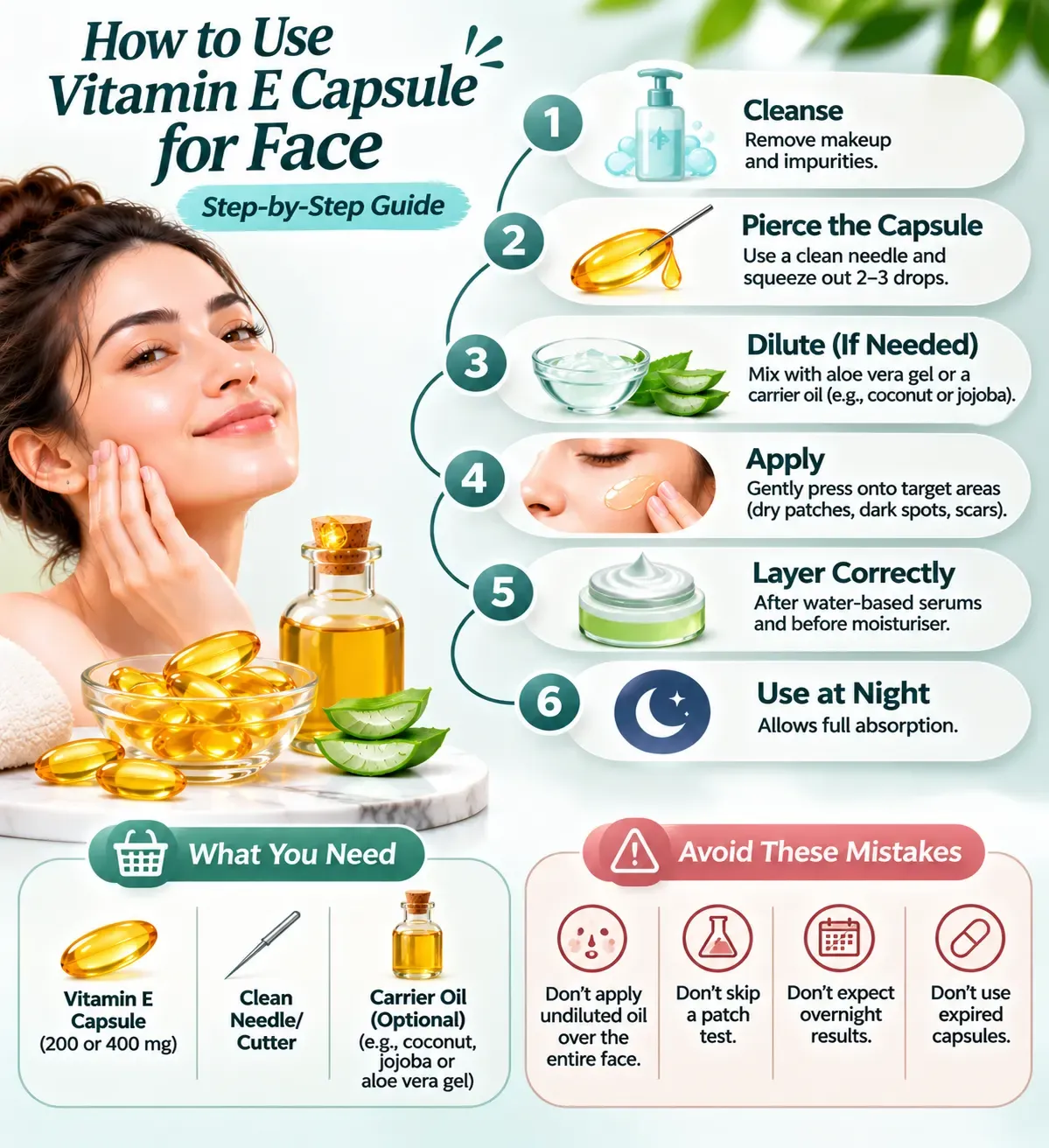
How to Use Vitamin E Capsule for Face: Step-by-Step Guide
Using vitamin E capsule for face correctly is essential: undiluted oil applied incorrectly can cause clogged pores or irritation, particularly on oily or acne-prone skin.
What you need:
- 1 vitamin E capsule (200 mg or 400 mg)
- A clean needle or capsule cutter
- Carrier oil (optional): coconut oil, jojoba oil, or aloe vera gel
- Cleansed, slightly damp face
Step-by-step process:
- Cleanse your face thoroughly. Remove all makeup, sunscreen, and surface impurities. Vitamin E oil absorbs more effectively on clean skin.
- Pierce the capsule. Use a sterile needle to puncture the tip of the capsule. Squeeze a small amount of oil: typically 2-3 drops: onto your fingertip.
- Dilute if necessary. For oily or acne-prone skin, mix the vitamin E oil with an equal amount of aloe vera gel or a lightweight carrier oil such as jojoba. Coconut oil and vitamin E capsule for face is a popular combination for dry skin: mix 1 capsule into 1 teaspoon of coconut oil for a richer balm.
- Apply to target areas. Gently press (do not rub vigorously) the oil onto dry patches, dark spots, scars, or the under-eye area. Avoid applying undiluted oil across the entire face if you have oily or combination skin.
- Layer correctly. Apply vitamin E after water-based serums and before your moisturiser: it functions as an oil step in a standard skincare routine.
- Use at night. Vitamin E oil can feel heavy and may increase photosensitivity slightly. Night-time application allows full absorption without UV exposure risk.
- Follow with sunscreen in the morning. If applying any residual oil in the morning routine, always follow with SPF 30 or higher.
Common mistakes to avoid:
- Applying undiluted vitamin E oil across the entire face: this may clog pores and trigger breakouts in oily skin types
- Skipping patch testing: always test on the inner forearm for 24 hours before full facial application
- Expecting overnight results: vitamin E capsule for face benefits develop over weeks, not days
- Using expired capsules: oxidised vitamin E may cause more harm than benefit
Vitamin E Capsule and Aloe Vera Gel for Face: A Targeted Combination
Vitamin E capsule and aloe vera gel for face benefits are well-regarded because the two ingredients complement each other's mechanisms directly.
Aloe vera provides water-based soothing hydration (acemannan polysaccharides) while vitamin E contributes oil-soluble antioxidant protection. Together, they form a balanced hydrating and protective layer without the heaviness of a pure oil application.
How to use the combination:
- Mix the contents of 1 vitamin E capsule with 1 tablespoon of pure aloe vera gel
- Apply as a lightweight serum to cleansed skin
- Leave on for 20-30 minutes as a treatment mask, or apply as a thin layer and leave overnight
This combination is particularly suitable for sensitive, irritated, or post-sun-exposed skin where both hydration and antioxidant repair are needed simultaneously.
Who Should Use Vitamin E Capsule for Face?
Vitamin E capsule for face is not universally suitable for every skin type. Clear Ritual advises assessing your skin profile before beginning regular topical vitamin E use.
| Ideal For | May Not Be Ideal For |
|---|---|
| Dry or very dry skin types | Acne-prone or oily skin (risk of pore congestion) |
| Skin with post-inflammatory hyperpigmentation | Those with known tocopherol allergy or contact dermatitis |
| Mature skin with early signs of ageing | Active cystic acne (may worsen breakouts) |
| Skin recovering from minor scars or wounds | Skin with open wounds or active infections |
| Dull, uneven skin tone | Very sensitive rosacea-prone skin (use with caution) |
Vitamin E Capsule for Face vs. Alternative Topical Ingredients
Vitamin E capsule for face is effective, but it is not the only antioxidant option available for facial skin. Here is how it compares to common alternatives:
| Ingredient | Primary Benefit | Best For | Limitation |
|---|---|---|---|
| Vitamin E (Tocopherol) | Antioxidant protection, moisture | Dry skin, scars, pigmentation | May clog pores in oily skin |
| Vitamin C (Ascorbic Acid) | Brightening, collagen synthesis | Pigmentation, dull skin | Unstable, oxidises quickly |
| Retinol | Cell turnover, anti-ageing | Fine lines, texture | Irritation risk, sun sensitivity |
| Niacinamide | Pore reduction, barrier support | Oily/combination skin | Minimal antioxidant action |
| Hyaluronic Acid | Deep hydration | All skin types | No antioxidant benefit |
Clear Ritual's recommendation: Vitamin E works best when combined with vitamin C: the two antioxidants are synergistic. Vitamin C regenerates oxidised vitamin E, extending its protective activity in skin tissue. This combination may enhance pigmentation-fading outcomes by approximately 30-40% compared to either ingredient alone.
Vitamin E Capsule for Face Side Effects: What to Know
Vitamin E capsule for face side effects are generally mild but can occur, particularly with undiluted or excessive use.
Possible side effects:
- Contact dermatitis: Approximately 1-3% of users may experience redness, itching, or a rash: most commonly from tocopherol acetate rather than pure tocopherol
- Comedogenicity: Vitamin E oil has a moderate comedogenic rating (2 out of 5), meaning it can potentially clog pores and trigger blackheads or whiteheads in oily skin types
- Milia: Small, white keratin cysts may form under the skin with heavy, prolonged vitamin E oil use: particularly around the eye area
- Photosensitivity: Some users report mild increased skin sensitivity to sunlight with regular use; always use SPF during daytime
When to stop use:
- If redness, burning, or swelling occurs within 24 hours of application
- If breakouts significantly increase within the first 2 weeks
- If skin feels more irritated rather than soothed
What to Expect: Vitamin E Capsule for Face Results Timeline
Results from vitamin E capsule for face use vary depending on skin type, frequency of application, and the specific concern being addressed.
| Timeframe | Expected Changes |
|---|---|
| Week 1-2 | Improved hydration, softer skin texture, reduced tightness |
| Week 3-4 | Early reduction in minor dry patches and rough areas; mild brightening |
| Week 6-8 | Visible improvement in dark spots and scar discolouration in most users |
| Week 10-12 | Measurable reduction in fine lines on consistently dry or sun-damaged skin |
Factors that affect your results:
- Skin type (dry skin responds faster than oily skin)
- Frequency and consistency of application
- Whether vitamin E is combined with complementary ingredients (e.g., vitamin C, SPF)
- Baseline severity of the concern being treated
Best Practices for Using Vitamin E Capsule for Face
Clear Ritual's skincare formulation team recommends the following practices for safe, effective vitamin E capsule for face use:
- Always patch test first: apply to the inner wrist for 24 hours before facial use
- Start with 2-3 applications per week: increase frequency only if skin tolerates it well
- Use at night: allows maximum absorption and avoids any photosensitivity risk
- Dilute for oily skin: mix with aloe vera gel or a non-comedogenic carrier oil such as jojoba
- Apply to damp skin: slightly moist skin absorbs oil more effectively than completely dry skin
- Never apply to active breakouts: may worsen inflammation and prolong healing
- Store capsules correctly: keep in a cool, dark place to prevent tocopherol oxidation
- Pair with vitamin C in the morning: to amplify antioxidant protection throughout the day
- Use SPF daily: vitamin E supports photoprotection but does not replace sunscreen
Safety Considerations Before Applying Vitamin E Capsules
Vitamin E capsules are generally manufactured for oral use, and their ingredients may not be tested as a leave-on facial product. A cosmetic formulation specifically intended for the skin is usually the more predictable option. Using capsule contents directly can cause irritation or contact dermatitis, and richer oils may not suit acne-prone skin.
Patch test any new facial product and stop if itching, swelling, redness or new breakouts appear. Avoid open wounds and the immediate eye area. Topical vitamin E has not been shown consistently to fade scars, remove pigmentation or prevent wrinkles, so discuss persistent skin concerns with a dermatologist.
Conclusion
Vitamin E is an antioxidant included in many moisturisers and skincare products. It may help support moisturisation, but applying oil from an oral-use capsule is not the same as using a tested facial formulation. Choose products made for your skin type, introduce them gradually and use sunscreen daily.
Understand What Your Skin Needs
Take the Clear Ritual Skin Test to identify your skin concerns and explore a plan for your routine.
Take the Free Skin Test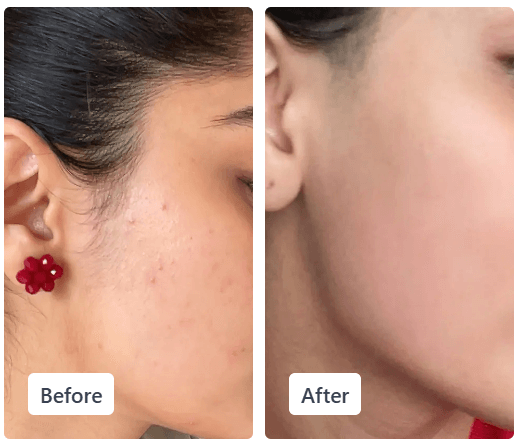
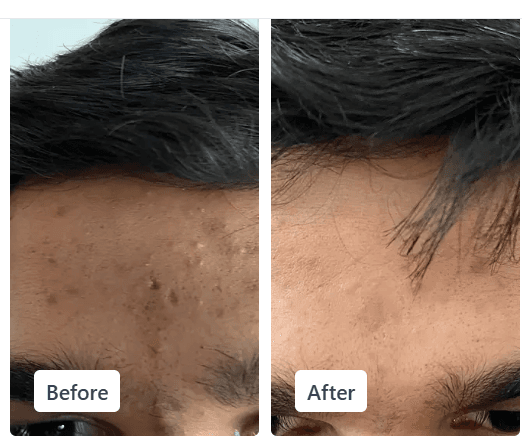
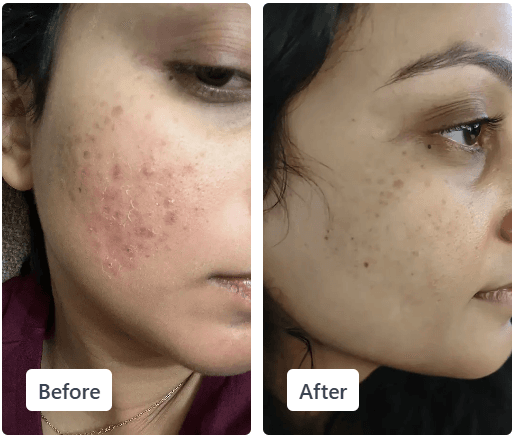
Frequently Asked Questions About Vitamin E Capsule for Face
Q: Can you use vitamin E capsule on your face daily?
A: An oral vitamin E capsule is not necessarily designed for daily facial use. If you want topical vitamin E, choose a skincare product formulated for the face and follow its directions. Stop use if irritation or breakouts occur.
Q: Does vitamin E capsule help with scars on the face?
A: Evidence that applying vitamin E oil improves existing scars is inconsistent. Some people develop irritation or contact dermatitis. A dermatologist can recommend more suitable scar care based on the type of scar.
Q: Is vitamin E capsule good for oily or acne-prone skin?
A: Thick oils may feel heavy and contribute to breakouts in some people with oily or acne-prone skin. A lightweight, non-comedogenic product formulated for facial use may be more suitable.
Q: Can vitamin E capsules remove dark spots and pigmentation?
A: There is limited clinical evidence that oil from a vitamin E capsule reliably removes dark spots. Consistent sun protection and treatments selected for the cause of pigmentation are more dependable.
Q: How do you use vitamin E safely on your face?
A: Choose a topical skincare product containing vitamin E rather than assuming an oral capsule is suitable for facial application. Patch test first, follow the product instructions and avoid applying it to irritated or broken skin.
Q: What are the side effects of applying vitamin E capsule oil to the face?
A: Possible effects include redness, itching, contact dermatitis and breakouts. Stop use if these appear, and seek medical advice for severe or persistent reactions.
Editorial Standards
Clear Ritual has Strict sourcing guidelines to ensure our content is accurate and current. We rely on peer-reviewed studies, academic research institutions, and medical associations. We strive to use primary sources and refrain from using tertiary references. See a mistake? Learn More about our Editorial Standards.
Related Articles
Acne Mechanica: How Friction from Helmets, Masks & Tight Clothing Causes Breakouts
Published 17 July 2026
Are Your Skincare Products Making Acne Worse?
Published 16 July 2026
Azelaic Acid for Skin: Benefits, Uses, and Side Effects
Published 23 October 2026

Acne Scar Removal: Creams, Home Remedies, & Clinical Treatments
Published 15 September 2026