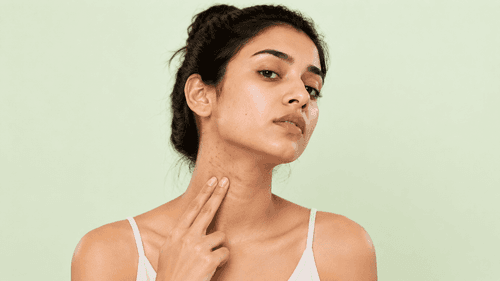
Pimples: Causes, Symptoms, Treatment, and Home Remedies
Quick Answer:
Pimples on face develop when excess oil and dead skin cells clog hair follicles, sometimes causing inflammation. Hormonal changes, genetics, bacteria and certain products can contribute. Gentle cleansing, moisturising, sunscreen and suitable acne treatments may help. Avoid picking spots, and consult a dermatologist for painful or recurring acne.
Pimples develop when hair follicles become clogged with excess oil and dead skin cells. Pimples on your face can appear unexpectedly, whether as tiny bumps on your forehead, painful spots on your cheeks, or pus-filled breakouts around your chin.
While an occasional pimple is common, frequent breakouts can be frustrating, especially when they leave dark spots or scars. Hormonal changes, inflammation, genetics and certain skincare habits can also contribute to breakouts. You can manage most mild breakouts with a consistent skincare routine and appropriate treatments.
What Are Pimples and How Do They Form?
Pimples on your face are small bumps or inflamed spots. They develop when your hair follicles (tiny openings in your skin where hair grows) get blocked by sebum (oil) and dead skin cells.
Your skin naturally produces sebum to maintain its protective barrier. However, when excess oil and dead skin cells accumulate inside a follicle, they can form a plug. C. acnes (Cutibacterium acnes, a slow-growing bacterium that lives in the skin's oil-rich follicles) and the resulting inflammatory response can contribute to acne lesions.
An occasional pimple may clear on its own, but repeated breakouts can indicate acne vulgaris, a common skin condition that needs consistent management.
Why Do Pimples Come on Your Face?
Several factors can contribute to pimples on your face. You may also experience breakouts due to a combination of these factors.
- Excess oil production and clogged pores: Your sebaceous glands produce oil that can combine with dead skin cells and block hair follicles.
- Hormonal changes and fluctuations: Androgens can increase oil production. This is why you may notice breakouts during puberty, around your menstrual cycle, or during other hormonal changes.
- Bacterial growth and skin inflammation: C. acnes bacteria live naturally on your skin. Changes within clogged follicles can encourage inflammation and contribute to acne.
- Stress and lack of sleep: Stress may influence hormonal activity and inflammatory pathways, potentially aggravating existing breakouts. Inadequate or irregular sleep may affect your body's stress response, skin barrier function and inflammatory processes.
- Diet and high-glycaemic foods: Foods that rapidly increase blood sugar, such as sugary drinks and refined carbohydrates, may worsen acne in some people. However, diet is not the sole cause.
- Comedogenic skincare and makeup products: Heavy or pore-clogging formulations may contribute to breakouts in acne-prone skin.
- Genetics and family history: You may be more likely to develop acne if your parents or close family members experienced it.
- Sweat, humidity, and environmental factors: Sweat, friction, and prolonged contact with occlusive clothing or equipment may aggravate breakouts.
- Certain medications: Some corticosteroids, hormonal medicines, and other medications can trigger acne-like eruptions.
What Are the Different Types of Pimples on the Face?
Not all pimples on your face look or feel the same. Identifying the type can help you understand your breakout's severity and choose an appropriate treatment.
| Type | Appearance and symptoms | Severity |
|---|---|---|
| Whiteheads | Small, flesh-coloured or white bumps caused by closed, clogged pores | Mild |
| Blackheads | Small dark spots caused by open, clogged pores; the dark colour is due to oxidation, not dirt | Mild |
| Papules | Small, red, inflamed bumps without visible pus | Mild to moderate |
| Pustules | Inflamed bumps with a visible white or yellow pus-filled centre | Mild to moderate |
| Nodules | Large, firm and painful lumps deep beneath the skin | Severe |
| Cystic acne | Deep, inflamed, often painful lesions that may contain pus and carry a higher risk of scarring | Severe |
Note: Whiteheads and blackheads are non-inflammatory acne lesions, while papules, pustules, nodules, and cystic lesions involve inflammation.
Why Do You Get Pimples on Different Areas of Your Face?
The location of your breakouts may offer clues about possible triggers. However, the location of pimples on your face cannot reliably identify an internal health problem.
Pimples on Cheeks
Cheek breakouts may be associated with acne, friction, frequent touching, mobile phone contact, or comedogenic makeup products. If you notice recurring pimples here, review the products and objects that regularly come into contact with your cheeks.
Pimples on Forehead
Oil production, sweat, hair products, and friction from headwear may contribute to forehead breakouts. If you have oily hair, keeping it away from your forehead may help.
Pimples on Chin and Jawline
You may experience recurring breakouts around the chin and jawline due to hormonal fluctuations, particularly around menstruation. However, the location alone cannot confirm a hormonal cause.
Pimples Around the Nose
The nose has a high concentration of oil-producing glands, making clogged pores and blackheads common in this area. Inflamed pimples can also develop around your nose.
How to Get Rid of Pimples on Your Face?
The right treatment for pimples on your face depends on the type of breakout, your skin sensitivity, and the severity of your acne. A consistent routine with suitable active ingredients can help manage clogged pores, inflammation, and recurring breakouts.
| Treatment | How it helps | How to use it |
|---|---|---|
| Gentle cleanser | Removes excess oil, sweat, and surface impurities without stripping your skin | Use in your morning and evening routine |
| Moisturiser | Supports your skin barrier and reduces dryness caused by acne treatments | Apply after cleansing |
| Sunscreen | Protects against UV damage and helps prevent existing post-acne marks from darkening | Use broad-spectrum SPF 30 or higher every morning |
| Salicylic acid | Helps exfoliate inside pores and manage blackheads and whiteheads | Start with a low-strength formulation a few times weekly |
| Benzoyl peroxide | Reduces acne-causing bacteria and inflammation | Use as directed, starting with a lower concentration |
| Azelaic acid | Helps manage acne and post-inflammatory dark spots | Introduce gradually, following product instructions |
| Retinoids | Help prevent clogged pores and regulate skin cell turnover | Apply as directed, ideally in the evening routine. |
| Hydrocolloid pimple patches | Absorb fluid from superficial, open pimples and protect them from picking | Apply to clean, dry skin as directed. |
Some acne ingredients can be used together, but you should consider their strength, formulation, and your skin's tolerance.
One important precaution: Avoid topical retinoids such as adapalene and tretinoin during pregnancy or when planning pregnancy.
Understand Your Breakouts Better
Take the free Clear Ritual Skin Test to explore your skin concerns and a personalised skincare routine.
Take the Free Skin Test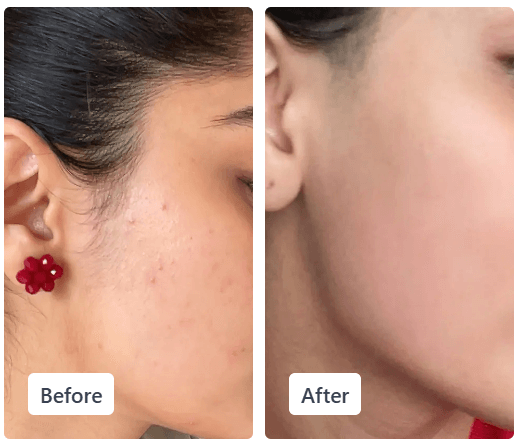
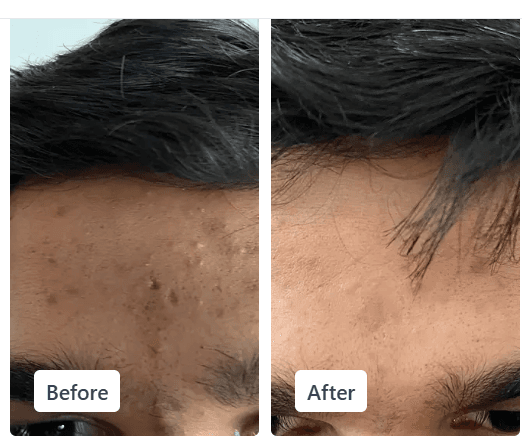
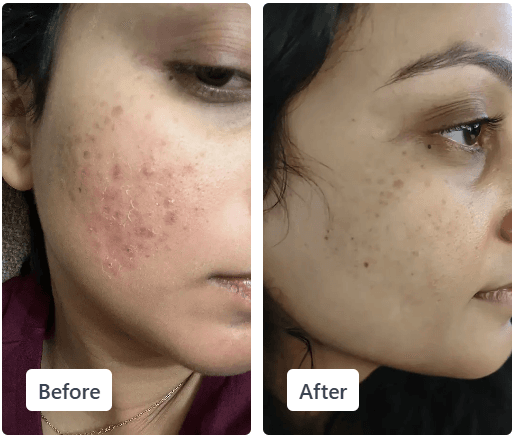
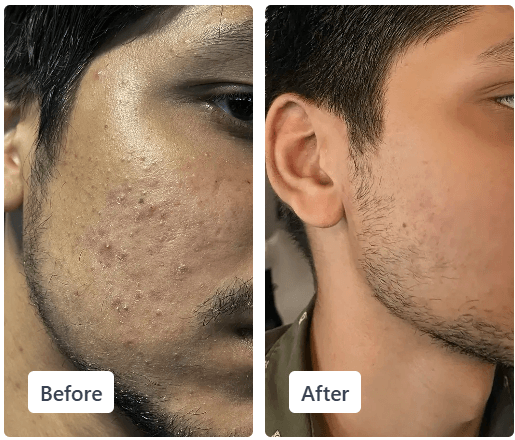
Home Remedies for Pimples on Face
If you prefer treating pimples at home, a few gentle practices may help soothe irritated skin. However, home remedies cannot replace proven acne treatments.
Cold Compress for Temporary Redness and Swelling
Wrap an ice pack in a clean, soft cloth and hold it gently against an inflamed pimple for a short period. This may temporarily reduce swelling and discomfort. Never apply ice directly to your skin or hold it in one place for too long.
Aloe Vera for Soothing Irritated Skin
Pure aloe vera gel may help soothe irritated skin. Choose a fragrance-free formulation and patch-test it before applying. Remember that aloe vera is not an established treatment for clearing acne.
Gentle Skincare and Avoiding Over-Exfoliation
Wash your face gently, moisturise regularly and avoid scrubbing. Excessive exfoliation can damage your skin barrier, increasing dryness, irritation and sensitivity.
Ingredients and Remedies You Should Avoid
Avoid applying toothpaste, lemon juice, baking soda, or undiluted essential oils to pimples on your face. These ingredients can irritate your skin and may worsen inflammation or leave pigmentation.
Is It Possible to Remove Pimples Overnight?
You may want a pimple to disappear before an important event, but complete removal overnight is rarely realistic. Most acne treatments need several weeks to show noticeable improvement.
If you have an inflamed pimple, a cold compress may temporarily reduce swelling. A hydrocolloid patch may also protect a superficial pimple from picking and absorb fluid if it has opened. Avoid squeezing the spot, applying several active ingredients or repeatedly using harsh spot treatments. These approaches can increase irritation and make the breakout more noticeable.
For a large, painful pimple, a dermatologist may consider an in-clinic corticosteroid injection to reduce inflammation more quickly. This is a medical procedure, not a home treatment.
How to Prevent Pimples and Recurring Breakouts?
You cannot always prevent pimples, particularly when hormones and genetics contribute to them. However, a few everyday habits can help reduce avoidable triggers.
| Prevention tips | Why it helps |
|---|---|
| Maintain a consistent morning and night skincare routine. | Keeps your skin clean and supports its protective barrier. |
| Remove makeup before going to bed. | Reduces the build-up of makeup, oil, and impurities. |
| Clean makeup brushes and pillowcases regularly. | Reduces the accumulation of oil and product residue. |
| Avoid touching, picking, or squeezing pimples. | Reduces irritation and the risk of dark marks and scarring. |
| Identify your personal breakout triggers. | Helps you recognise products, habits, or other factors that aggravate your skin. |
| Maintain balanced dietary and lifestyle habits. | Supports overall health and may help manage diet-related acne triggers. |
What Are the Medical Treatments for Persistent Pimples?
If your pimples keep returning or do not improve with over-the-counter products, a dermatologist can recommend treatment based on your acne type and severity. Treatment generally takes several weeks, and some options require a few months to show their full benefit.
Prescription Topical Treatments
Your dermatologist may prescribe topical retinoids, benzoyl peroxide or combination treatments to unclog pores, reduce inflammation and prevent new lesions. Your dermatologist may also prescribe antibiotic creams, but topical antibiotics should not be used alone because of antibiotic resistance.
Oral Medications for Moderate to Severe Acne
For more persistent or widespread acne, your dermatologist may recommend oral antibiotics for a limited period, hormonal treatments such as certain combined oral contraceptive pills or spironolactone, or isotretinoin for severe acne. These medicines require an assessment of your medical history, suitability and potential side effects.
Chemical Peels and Dermatological Procedures
Depending on your skin and acne severity, a dermatologist may recommend chemical peels or selected procedures as part of your treatment plan. These are not instant cures and may require multiple sessions and post-treatment care. Acne scar treatments differ from treatments for active pimples.
When Should You Consult a Dermatologist?
Seek professional advice if you experience:
- Deep, painful nodules or cystic acne.
- Frequent breakouts that do not improve with consistent treatment.
- Pimples that leave persistent dark spots or scars.
- Acne that affects your confidence or emotional well-being.
- Sudden, severe or unusual acne-like eruptions.
Early treatment can help control inflammation and reduce the risk of permanent scarring.
Clear Ritual’s Perspective About Pimples on Face
Managing pimples means understanding what your skin needs, not repeatedly switching products or trying multiple remedies. Clear Ritual takes an inside-out approach to skin health, combining Ayurvedic principles, modern dermatological understanding, and advanced skincare formulations.
The Clear Ritual Skin Test helps you explore potential acne-related triggers and provides you with a personalised skincare kit. You also get access to a Skin Advisor to help you follow a more consistent routine.
Remember, recurring acne can have several contributing factors. No single skincare product or internal trigger explains every breakout. A personalised approach guided by your dermatologist's advice can help you address your skin concerns and maintain healthy skin.
Frequently Asked Questions
Q: How to remove pimples naturally and permanently?
A: No natural remedy can permanently remove pimples. Gentle cleansing, moisturising, and avoiding pore-clogging products can help manage mild breakouts. Persistent acne may require evidence-based topical or prescription treatments.
Q: How can I get rid of pimples fast?
A: Clearing pimples and the marks they leave behind takes longer. Use an appropriate acne treatment, avoid picking the pimple, and maintain a gentle skincare routine. A cold compress may temporarily reduce swelling, while a hydrocolloid patch can protect a superficial spot.
Q: Why do I get pimples even when I follow a skincare routine?
A: Your skincare routine is only one factor. Hormonal fluctuations, genetics, stress, medications, and other triggers may contribute to breakouts. You may need to review your products or consult a dermatologist.
Q: Can hormonal imbalance cause pimples?
A: Hormonal fluctuations can increase sebum production and contribute to acne. However, having pimples does not automatically mean you have a hormonal disorder.
Q: Do pimples go away on their own?
A: Some mild pimples clear without treatment. However, recurring or inflammatory acne may persist and can leave scars or dark marks if it isn't managed properly.
Q: Which foods should I avoid if I have pimples?
A: There is no universal acne diet. Some evidence links high-glycaemic foods and, in certain studies, cow's milk with acne. You do not need to eliminate entire food groups without identifying a possible association.
Q: Are pimples and acne the same thing?
A: Not exactly. A pimple is an individual spot, whereas acne is a skin condition that causes recurring pimples, blackheads and whiteheads.
Q: Do pimple patches work on all types of pimples?
A: No. Hydrocolloid patches work best on superficial pimples that have opened and released fluid. They are less effective on deep nodules, cysts and closed comedones.
Q: Can pimples leave dark spots and scars?
A: Yes. Inflammation can leave post-inflammatory hyperpigmentation (dark marks) or, in more severe cases, permanent acne scars. Picking and squeezing pimples can increase this risk.
Q: How long does it take for pimples to go away?
A: An individual pimple may settle within days, while deeper inflammatory lesions can take longer. Acne treatments generally need around six to eight weeks or more to show improvement, and a standard treatment course may last 12 weeks.
Q: Which face wash is best for pimples?
A: No single face wash is best for treating pimples, as effective acne care depends on your skin type and the specific breakouts you experience. Choosing a gentle cleanser suited to your skin can help support your overall acne routine. Look for active ingredients like benzoyl peroxide, which kills acne-causing bacteria and reduces inflammation, or salicylic acid, which unclogs pores and clears excess oil.
References
Reynolds RV, Yeung H, Cheng CE, et al. . J Am Acad Dermatol. 2024;90(5):1006.e1-1006.e30. doi:10.1016/j.jaad.2023.12.017
Wilcock J, Kuznetsov L, Ravenscroft J, Rafiq MI, Healy E; Guideline Committee. . Br J Gen Pract. 2021;71(713):568-570. Published 2021 Nov 25. doi:10.3399/bjgp21X717977
. Last Updated: 31 Jan 2024
American Academy of Dermatology (AAD). .
National Institute of Arthritis and Musculoskeletal and Skin Diseases. . Last reviewed: July 2023
Vasam M, Korutla S, Bohara RA. . Biochem Biophys Rep. 2023;36:101578. Published 2023 Nov 23. doi:10.1016/j.bbrep.2023.101578
Editorial Standards
Clear Ritual has Strict sourcing guidelines to ensure our content is accurate and current. We rely on peer-reviewed studies, academic research institutions, and medical associations. We strive to use primary sources and refrain from using tertiary references. See a mistake? Learn More about our Editorial Standards.
Related Articles
Acne Around the Mouth: Causes, Triggers and Treatment Options
Published 16 July 2026
Acne on Cheeks: Causes, Treatment & What Actually Works
Published 17 July 2026
Acne on Chin: Causes, Types, and How to Treat It
Published 17 July 2026
Acne on Neck: Why It Appears and How to Treat It by Cause
Published 10 August 2026