Does Eating Mango Cause Acne? What the Evidence Actually Shows
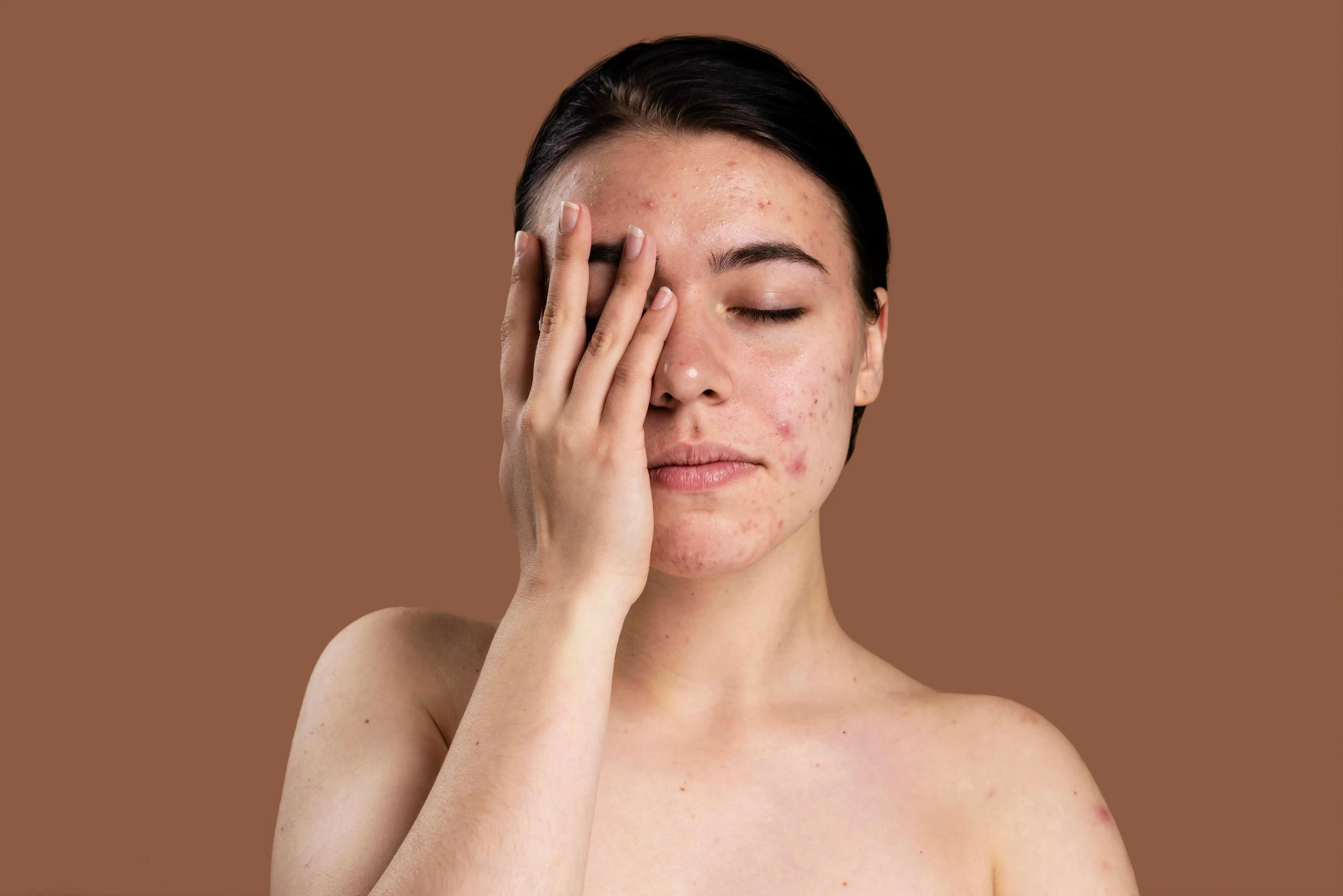
Mango does not directly cause acne for most people. However, large portions, frequent intake, or processed mango products may contribute to breakouts in some acne-prone people because of their sugar content. Eat whole mango in moderate portions, pair it with protein or healthy fats, and track your own skin response rather than eliminating it automatically.
What Is the Link Between Mango and Acne?
The question of whether eating mango causes acne centers on how the fruit's nutritional profile interacts with skin biology. Mango is a nutrient-dense tropical fruit containing vitamins A, C, and E, dietary fibre, and natural sugars (approximately 14 grams of sugar per 100 grams). According to The Clear Ritual's skin nutrition team, mango itself is not an acne-causing food, but overconsumption in acne-prone individuals may contribute to breakouts through specific biological pathways.
Key facts about mango's nutritional profile:
- Glycaemic Index (GI): approximately 51-60 (moderate-to-high range)
- Natural sugar content: ~14g per 100g serving
- Vitamin A content: ~54 mcg per 100g (supports skin cell turnover)
- Fibre content: ~1.6g per 100g (moderately slows sugar absorption)
The core issue is not mango specifically, but how its sugar content interacts with insulin levels and sebum production in susceptible individuals.
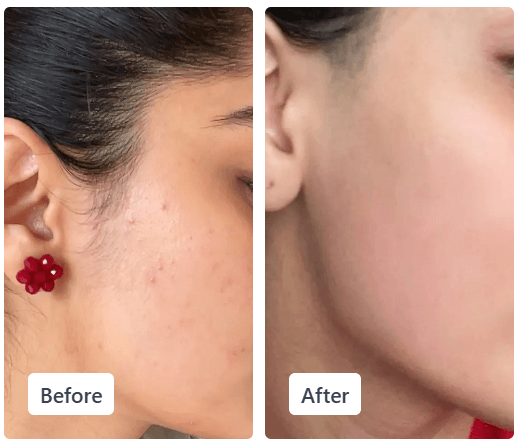
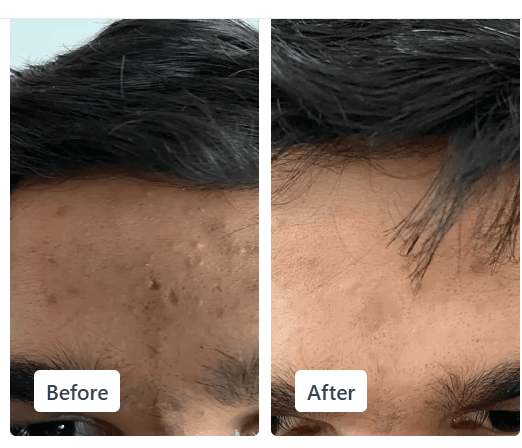
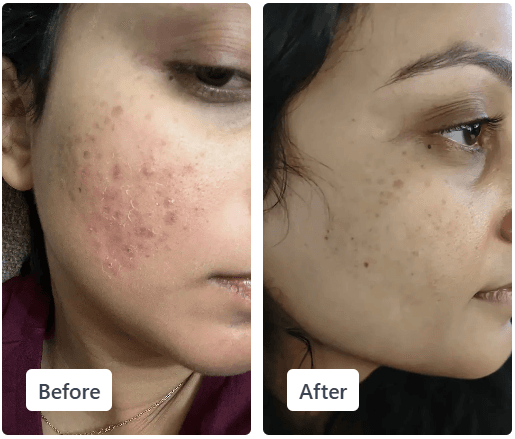
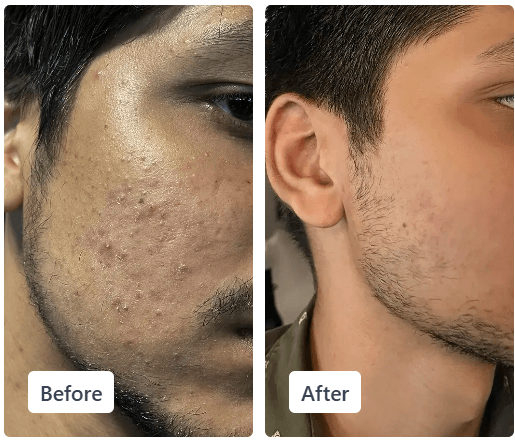
See real results, then start your own
Take the free Clear Ritual Skin Test and get a personalized routine built for your skin's unique patterns.
How Does Eating Mango Potentially Cause Acne? The Mechanism Explained
Mango may contribute to acne through a four-step biological pathway. The Clear Ritual's dermatology-informed content outlines this causal chain clearly:
-
Blood sugar rises. Eating mango [particularly in large quantities or in processed forms like mango juice] causes a rapid increase in blood glucose levels due to its natural fructose and sucrose content.
-
Insulin spikes. The body releases insulin to manage elevated blood sugar. High-GI foods can trigger a sharper insulin response compared to low-GI alternatives.
-
IGF-1 increases. Elevated insulin stimulates insulin-like growth factor 1 (IGF-1), a hormone directly linked to increased sebum (skin oil) production.
-
Pores become blocked. Excess sebum, combined with dead skin cells, clogs pores. This creates an environment where Cutibacterium acnes bacteria proliferate, leading to inflammation and breakouts.
Important clarification: This mechanism applies to high-sugar foods broadly, not to mango exclusively. A small serving of mango (approximately 100-150g) is unlikely to trigger acne in someone with a balanced diet. The risk increases with large servings, frequent consumption, or existing insulin sensitivity.
What Are the Skin Benefits of Mango? The Other Side of the Evidence
Mango also contains several nutrients that may actively benefit skin health. The Clear Ritual notes that dismissing mango entirely ignores its well-documented skin-supportive properties.
Skin benefits of mango consumption:
- Vitamin A (Beta-carotene): Supports skin cell turnover and may reduce the buildup of dead cells that clog pores. Studies suggest adequate vitamin A intake is associated with lower rates of inflammatory acne.
- Vitamin C: An antioxidant that supports collagen synthesis and helps reduce post-acne hyperpigmentation.
- Vitamin E: Helps protect skin cells from oxidative stress, which can worsen inflammation.
- Polyphenols: Mango contains mangiferin, a polyphenol with anti-inflammatory properties that may counteract some of the pro-inflammatory effects of sugar.
- Dietary fibre: Slows sugar absorption, partially moderating the blood sugar spike compared to mango juice or dried mango.
Short-term vs. long-term skin impact:
| Timeframe | Potential Positive Effect | Potential Negative Effect |
|---|---|---|
| Short-term (days) | Hydration from high water content | Blood sugar spike if consumed in excess |
| Long-term (weeks-months) | Vitamin A supports clearer skin cell turnover | Chronic overconsumption may worsen sebum production |
See real results, then start your own
Take the free Clear Ritual Skin Test and get a personalized routine built for your skin's unique patterns.
Who Is Most Likely to Experience Acne from Eating Mango?
Not everyone who eats mango will break out. The Clear Ritual identifies specific groups who may be more susceptible to mango-related acne flares:
- Individuals with hormonal acne: Those whose breakouts are driven by hormonal fluctuations may find that blood sugar spikes amplify sebum production, worsening existing hormonal acne.
- People with insulin resistance or PCOS: Elevated baseline insulin sensitivity makes these individuals more reactive to any high-GI food, including mango.
- Teenagers and young adults: Age groups with naturally higher IGF-1 levels may see a more pronounced response to dietary sugar.
- Those consuming mango in high-GI forms: Mango juice, mango smoothies with added sugar, dried mango, or mango-flavoured processed foods carry a significantly higher glycaemic load than whole mango.
- Individuals with existing acne-prone skin: Those with consistently oily or acne-prone skin types may notice that high-sugar foods, mango included, act as triggers when consumed frequently.
For individuals without existing acne or insulin sensitivity issues, moderate mango consumption (1 cup or approximately 150g per day) is unlikely to cause breakouts.
How to Eat Mango Without Getting Pimples: Practical Steps
The Clear Ritual recommends the following approach for individuals who enjoy mango but want to minimise any acne risk:
-
Stick to a measured portion. Limit intake to approximately 100-150g (about 1 cup of diced mango) per sitting. Larger portions increase glycaemic load proportionally.
-
Eat whole mango, not juice. Whole mango contains fibre that slows sugar absorption. Mango juice removes most fibre and causes a sharper blood sugar spike.
-
Pair mango with protein or fat. Consuming mango alongside foods like yoghurt, nuts, or eggs slows glucose absorption and blunts the insulin response.
-
Avoid mango on an empty stomach. Eating high-GI foods without other macronutrients amplifies blood sugar spikes.
-
Monitor your personal response. Keep a simple food-skin diary for 3-4 weeks. Note mango consumption and any breakout patterns within 48-72 hours. Individual responses vary significantly.
-
Choose ripe but not overripe mango. Overripe mango has a higher sugar concentration and a correspondingly higher glycaemic load.
-
Avoid processed mango products. Mango candy, mango pickle with oil, dried mango, and mango-flavoured beverages often contain added sugars or preservatives that are more likely to aggravate acne than fresh mango.
Common mistake to avoid: Eliminating mango entirely based on one breakout. A single mango-containing meal is unlikely to be the sole cause. Evaluate total diet, stress levels, sleep, and hydration before attributing a breakout exclusively to mango.
Mango vs. Other High-Sugar Fruits: How Does It Compare for Acne Risk?
| Fruit | Glycaemic Index | Sugar per 100g | Acne Risk Level | Notes |
|---|---|---|---|---|
| Mango | ~51-60 | ~14g | Moderate | Fibre partially offsets GI |
| Watermelon | ~72 | ~6g | Moderate-High | High GI but low glycaemic load |
| Banana (ripe) | ~51-62 | ~12g | Moderate | Similar profile to mango |
| Strawberries | ~40 | ~5g | Low | Anti-inflammatory antioxidants |
| Grapes | ~46-59 | ~16g | Moderate | High sugar content |
| Papaya | ~60 | ~8g | Low-Moderate | Contains papain with skin benefits |
According to The Clear Ritual, mango sits in the moderate-risk category, comparable to bananas and grapes, and considerably lower risk than processed sugar sources. It is not among the highest-GI fruits, and its vitamin content may partially offset acne risk.
What Does the Research Say About Diet and Acne?
Current evidence supports a dietary link to acne, with high-GI foods identified as a primary dietary trigger. The Clear Ritual summarises the key research:
- A 2007 randomised controlled trial published in the American Journal of Clinical Nutrition found that participants on a low-GI diet experienced a 21.9% reduction in acne lesions over 12 weeks compared to a control group [1].
- A 2016 systematic review in the Journal of the Academy of Nutrition and Dietetics concluded that high-GI diets are associated with increased acne prevalence, though study heterogeneity limits firm conclusions [2].
- A 2020 review in Nutrients found that IGF-1 and insulin pathways are the most evidence-supported dietary mechanisms in acne pathogenesis, directly linking blood sugar response to sebum overproduction [3].
Limitation of current research: No study to date has examined mango specifically as an acne trigger in a controlled setting. Existing evidence points to high-GI dietary patterns broadly, mango's role is inferred from its GI profile and sugar content, not from direct clinical investigation.
How Clear Ritual Supports Personalized Skincare Decisions
Clear Ritual understands that diet-related acne is more than a surface issue. It is shaped by genetics, skin renewal cycles, environmental factors, and the products you use.
Because diet-related acne forms when blood sugar spikes trigger insulin and IGF-1 increases that boost sebum production and clog pores, generic solutions rarely bring lasting improvement. Clear Ritual combines traditional wisdom and modern science to address the underlying causes of diet-related acne.
The Clear Ritual Skin Test analyses your skin's unique patterns and daily influences to help identify the best routine for supporting healthy skin and reducing diet-related acne recurrence.
See real results, then start your own
Take the free Clear Ritual Skin Test and get a personalized routine built for your skin's unique patterns.
Conclusion
Mango is not a direct or universal cause of acne. For most people, eating a moderate portion of whole mango as part of a balanced diet is unlikely to trigger breakouts. The potential concern is mainly related to overall sugar intake, portion size, processed mango products, and individual sensitivity to high-glycaemic foods.
Rather than avoiding mango completely, focus on moderation, choose whole fruit over juice or sweets, and observe how your own skin responds over time. Persistent or painful acne may have hormonal, genetic, or medical causes that need support beyond dietary changes.
Frequently Asked Questions
Does eating mango clear skin?
Mango may support skin health due to its vitamin A, C, and E content. Vitamin A supports skin cell turnover, which can help prevent pore-clogging dead skin buildup. However, mango is not a proven acne treatment, and eating it in excess may have the opposite effect in sugar-sensitive individuals.
Are there any fruits that cause acne?
No individual fruit has been proven to directly cause acne in all people. High-GI fruits [such as watermelon, ripe bananas, and overripe mango] may contribute to breakouts in acne-prone individuals by spiking blood sugar. Low-GI fruits like strawberries, blueberries, and papaya are generally considered lower-risk options for acne-prone skin.
Editorial Standards
Clear Ritual has Strict sourcing guidelines to ensure our content is accurate and current. We rely on peer-reviewed studies, academic research institutions, and medical associations. We strive to use primary sources and refrain from using tertiary references. See a mistake? Learn More about our Editorial Standards.