Glycolic Acid for Face: Benefits, Uses, Safety, and Application Guide
Quick Answer:
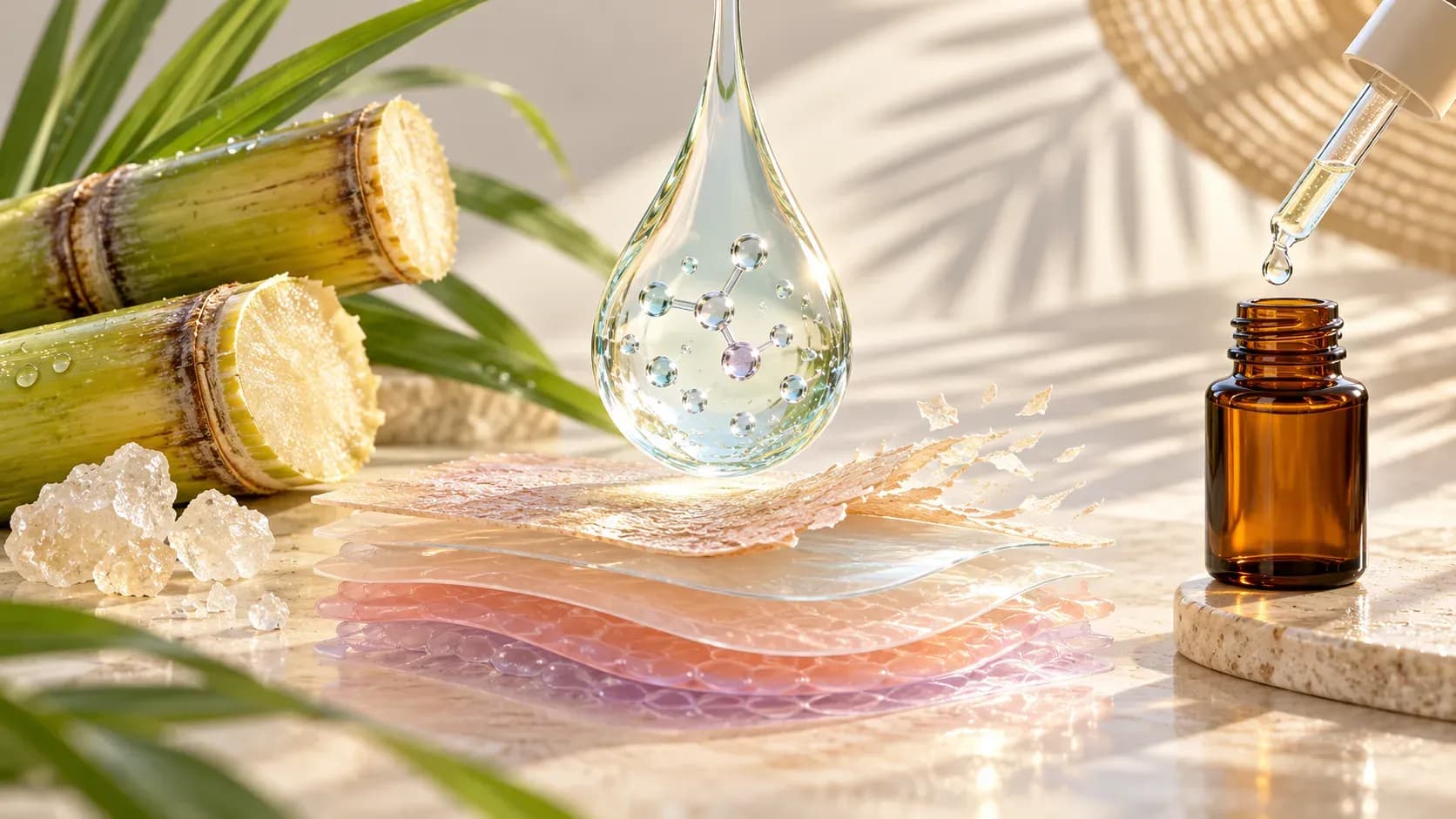
Glycolic acid is an alpha hydroxy acid (AHA) used to exfoliate the skin by loosening connections between dead skin cells. Glycolic acid can remove uneven pigmentation from the face, help reduce mild acne, and improve uneven texture. Its strength and frequency of use should match your skin’s tolerance.
How Can You Use Glycolic Acid for Your Face?
Glycolic acid comes in different formulations to use on the face, including cleansers, creams, toners, serums, and peels. The right option depends on factors such as the product’s concentration, your skin’s tolerance, and how long it stays on your skin.
Leave-on products, such as creams, toners, and serums, remain on your skin for longer, giving glycolic acid more time to act.
Cleansers and face washes, on the other hand, are rinsed off after application, so the contact time is shorter. Peels are also used for a defined period before being removed.
If you are new to glycolic acid, consider starting with a lower-strength cleanser, since it limits the amount of time the acid stays on your skin.
Once you have chosen a formulation that suits your skin and the type of exfoliation you need, the next step is knowing how to use it correctly.
Steps to Follow When Using Glycolic Acid for Your Face
The steps you follow will depend on whether your glycolic acid product is designed to stay on your skin or be rinsed off. Leave-on products require more attention to application and frequency, while rinse-off products, like face washes and cleansers, have a shorter contact time with the skin.
Before you incorporate any of the products into your skincare routine, do a patch test to ensure that your skin does not show signs of irritation or an allergic reaction.
If your skin stays clear, you can introduce glycolic acid into your routine according to the type of product or formulation you are using.
For leave-on products:
Cleanse your face: Wash with a gentle cleanser and pat your skin dry. Wait until your skin has fully dried before moving on to the next step.
Apply glycolic acid
For toners:Sweep gently across the face using a cotton pad or fingertips.
For serums: Smooth 2–3 drops evenly over the face, steering clear of the eye contours and broken skin.
Wait 1–2 minutes: Allow the product to absorb and work at its optimal pH.
Follow with moisturiser: Follow with a barrier-repairing moisturiser (look for ceramides or hyaluronic acid)
Apply sunscreen (during the day): Glycolic acid makes skin more sensitive to the sun, and this can last for a week after you stop using it. Use a broad-spectrum sunscreen of SPF 30 or higher every morning.
For rinse-off products:
Wet your face: Splash your skin with lukewarm water (avoid hot water, which can strip moisture).
Apply the glycolic acid cleanser: Gently massage it onto the skin as directed on the label, using light circular motions. Avoid the delicate eye area, irritated areas, and lips.
Rinse thoroughly: Wash off completely with lukewarm water; do not leave the cleanser sitting on the skin longer than directed.
Pat dry and moisturise: Gently pat with a soft towel and immediately follow with a nourishing moisturiser to seal in hydration.
Apply sunscreen:Every morning, wear sunscreen with SPF 30 or higher.
Usage tip: Avoid layering glycolic acid with retinoids, pure Vitamin C, or other exfoliants on the same day.
How Often Should You Use Glycolic Acid on Your Face?
There is no single frequency that works for every face. If you are starting glycolic acid, use it 2–3 times a week and increase use only if your skin is comfortable with it.
Using it more often than directed can lead to dryness and irritation. If your skin becomes persistently red, painful, or irritated, stop using the product.
What Benefits Does Glycolic Acid Offer for the Face?
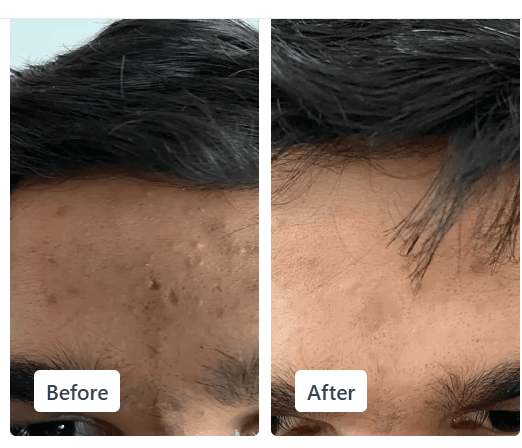
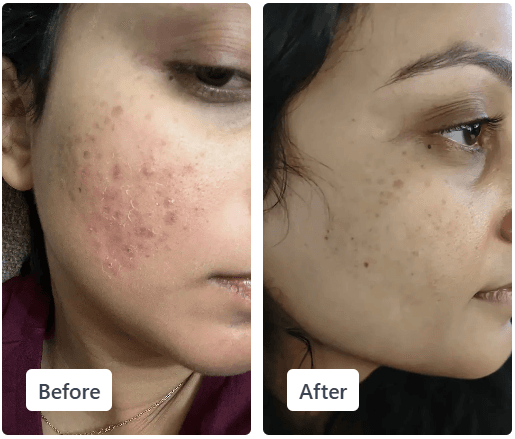
Glycolic acid can help smooth texture, brighten dull skin, fade dark spots, unclog pores, and calm mild acne. With regular use, it may also soften early signs of sun damage.
Its effects can vary depending on the concentration, formulation, frequency of use, and the skin concern being treated.
The benefits you may see from glycolic acid are linked to its ability to loosen and remove dead skin cells from the surface of your skin (exfoliation). Here is how it may help with different concerns:
- Improve uneven skin texture
Glycolic acid removes dead skin cells from the surface, helping the skin feel smoother.
- Brighten dull skin
By removing accumulated dead skin cells from the skin’s surface, glycolic acid can help make the complexion look brighter.
- Fade dark spots
With regular use, it may lighten dark marks left by acne and sun spots. Deeper or hormonal patches, like melasma, need a doctor’s advice.
- Reduce clogged pores and manage mild acne
The exfoliating action of glycolic acid removes dead skin cell buildup around pores, which helps manage mild acne.
- Improve signs of photoaging
Studies on glycolic acid, including a trial of a 5% product, suggest regular use may improve skin texture and the look of fine lines.
Safety Checklist for Using Glycolic Acid on the Face
Keeping note of a few simple precautions can make it easier for you to use glycolic acid. They can be especially helpful if you’re new to using the ingredient.
Patch test first: Test the product on a small area (like your inner forearm) before applying it to your face.
Start slowly: Begin with less frequent use (preferably 2–3 times a week) and increase it only if your skin tolerates the product well.
Avoid irritated skin: Do not apply glycolic acid to skin that is damaged, inflamed, or sunburned.
Avoid sensitive areas:Keep it away from the eyes, lips, and other delicate areas.
Use sunscreen: Apply broad-spectrum sunscreen (SPF 30 or higher) during the day because AHAs can increase sensitivity to sunlight.
Stop if irritation persists: Discontinue use if you develop persistent burning, redness, or significant irritation.
See a doctor if you get swelling, blisters, hives, or a rash that spreads. Get urgent help for facial swelling or trouble breathing.
Clear Ritual’s Perspective on Using Glycolic Acid for the Face
Glycolic acid can be a useful exfoliant, but your face does not necessarily need more exfoliation for concerns such as acne, dullness, or uneven texture.
At Clear Ritual, we believe skincare should begin with understanding your skin and the concern you are trying to address.
The Clear Ritual Skin Test can help you with that and make it easier for you to learn about your skin’s needs and find a treatment approach that is better suited to your personal concerns.
Understand What Your Skin Needs
Take the free skin test to assess your skin type, sensitivity, barrier concerns, and skincare needs, then build a routine suited to your skin.
Take the Free Skin Test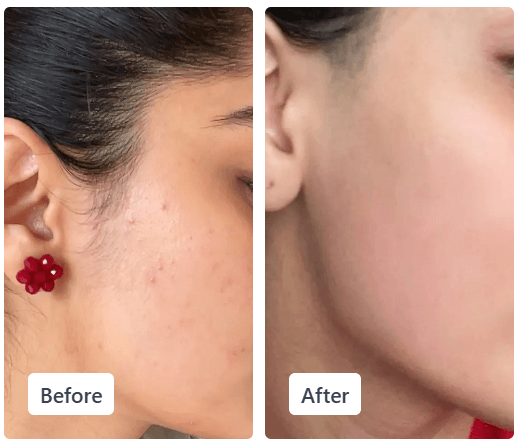
Frequently Asked Questions
Q: How much glycolic acid is safe for the face?
A: For home use, products with up to 10% glycolic acid and a pH of 3.5 or higher are considered safe for the face. Beginners can start with 5% to 7%, or lower if their skin is
sensitive. Stronger peels, up to 30%, are meant for trained professionals.
Q: Is glycolic acid cream good for the face?
A: A glycolic acid cream can be useful for concerns such as uneven texture, pigmentation, and some signs of photoaging on the face.
Q: Is it safe to apply glycolic acid to the face daily?
A: Applying glycolic acid to the face daily is not suitable for everyone and may increase the risk of irritation, especially with stronger formulations. If your skin tolerates it well, the frequency can depend on the product’s concentration and formulation, but daily use is not necessary to see benefits.
Q: Can glycolic acid remove tan?
A: Glycolic acid can help fade the appearance of a tan by exfoliating the surface layer of the skin and promoting more even-looking skin. However, it does not remove the skin’s natural melanin or permanently lighten your natural skin tone.
Q: Can you use glycolic acid every night?
A: Using glycolic acid every night is not recommended for everyone, particularly if you are new to exfoliating acids or have sensitive skin. Starting with less frequent use allows you to see how your skin responds before increasing the frequency, if the product instructions allow it.
References
1. American Academy of Dermatology Association. (2025). How to test skin care products. American Academy of Dermatology.
2. Tang SC, Yang JH. (2018). Dual Effects of Alpha-Hydroxy Acids on the Skin. Molecules. DOI: 10.3390/molecules23051135.
3. Sharad J. (2013). Glycolic acid peel therapy – a current review. Clinical, Cosmetic and Investigational Dermatology. DOI: 10.2147/CCID.S34029.
4. Alster TS, Tanzi EL. (2005). Glycolic acid peels. Dermatologic Surgery. DOI: 10.1097/00042728-200509001-00009.
5. Valle-González ER, et al. (2020). pH-Dependent Antibacterial Activity of Glycolic Acid: Implications for Anti-Acne Formulations. Scientific Reports. DOI: 10.1038/s41598-020-64006-3.
6. Thibault PK, Wlodarczyk J, Wenck A. (1998). A double-blind randomized clinical trial on the effectiveness of a daily glycolic acid 5% formulation in the treatment of photoaging. Dermatologic Surgery. DOI: 10.1111/j.1524-4725.1998.tb04209.x.
7. U.S. Food and Drug Administration. (2005). Guidance for Industry: Labeling for Cosmetics Containing Alpha Hydroxy Acids. FDA.
Disclaimer: This article is for general educational purposes and is not a substitute for personalised medical advice. Consult a qualified dermatologist before using strong exfoliating products or if you experience persistent irritation, swelling, blistering, hives, or a spreading rash.
Editorial Standards
Clear Ritual has Strict sourcing guidelines to ensure our content is accurate and current. We rely on peer-reviewed studies, academic research institutions, and medical associations. We strive to use primary sources and refrain from using tertiary references. See a mistake? Learn More about our Editorial Standards.
Related Articles
Pimples After Waxing: Causes, Treatment, and Prevention
Published 12 October 2026

Acne Mechanica: How Friction from Helmets, Masks & Tight Clothing Causes Breakouts
Published 17 July 2026
Acne on Cheeks: Causes, Treatment & What Actually Works
Published 17 July 2026

Acne on Chin: Causes, Types, and How to Treat It
Published 17 July 2026