Mandelic Acid for Skin: Benefits, Uses, Side Effects, and How to Use It
Quick Answer:
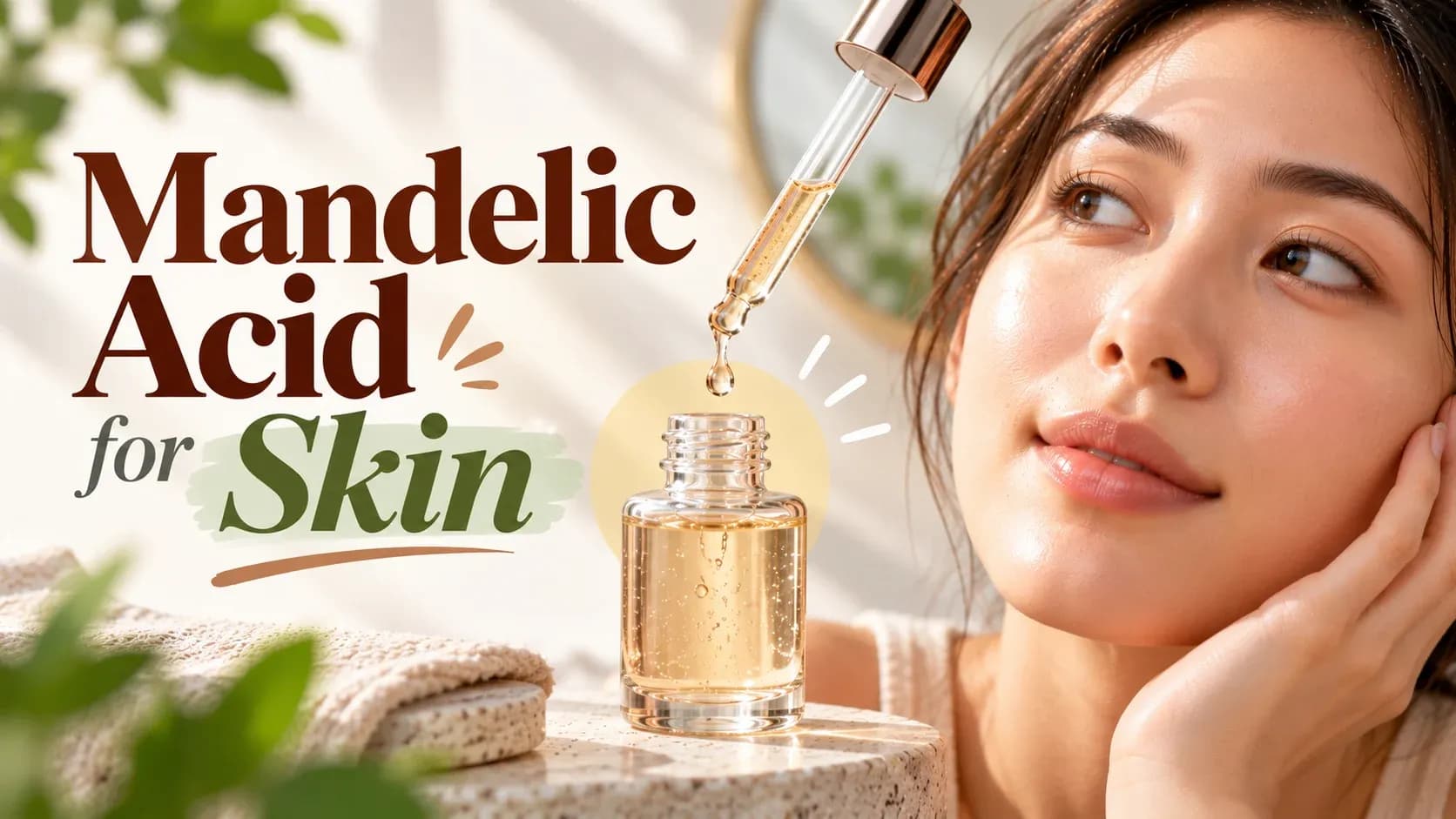
Mandelic acid is a relatively large-molecule alpha hydroxy acid (AHA) than glycolic or lactic acid, originally derived from bitter almonds. It generally penetrates the skin more slowly and may cause less irritation, making it a useful chemical exfoliant for sensitive or acne-prone skin. It may also help improve uneven skin tone and post-acne hyperpigmentation, including those with darker skin tones.
However, its tolerability depends on the formulation, concentration, pH (power of Hydrogen), and individual skin sensitivity. Even a seemingly gentle exfoliant can cause irritation if you use it too frequently or your skin barrier is compromised.
What Is Mandelic Acid for Skin?
If your skin is prone to breakouts, uneven texture, or lingering acne marks, you may be looking for an exfoliant that works without causing too much irritation. Mandelic acid is preferable for you, particularly if stronger exfoliating acids feel too harsh for your skin.
You may find mandelic acid in serums, exfoliating toners, creams, and professional chemical peels. The concentration and formulation can vary considerably between products, so not every mandelic acid treatment will have the same effect.
What Does Mandelic Acid Do for Skin?
Mandelic acid helps exfoliate the outermost layer of your skin, encouraging the removal of dead skin cells that can contribute to a dull appearance and uneven texture.
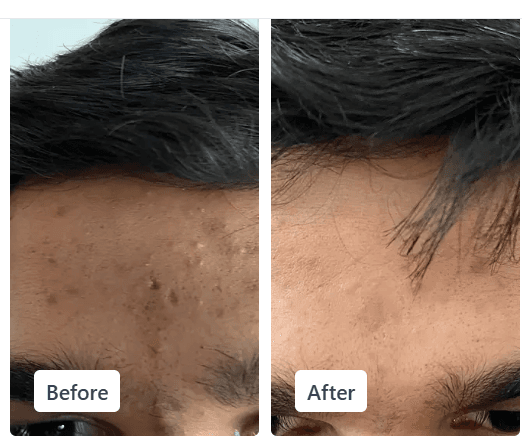
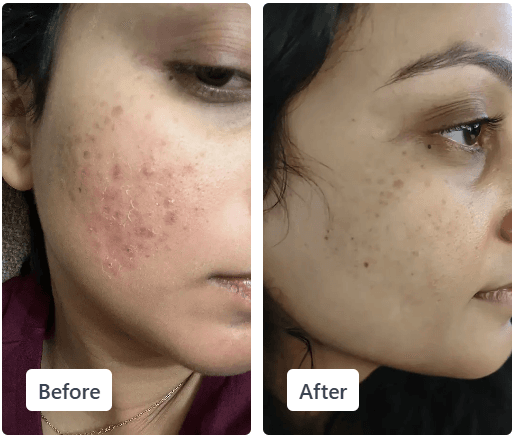
With consistent, appropriate use, it may help your skin look smoother and more even. It is also studied for its potential role in managing mild acne and improving the appearance of post-inflammatory hyperpigmentation (PIH), the dark marks that can remain after spots heal.
What Are the Benefits of Mandelic Acid for Skin?
Mandelic acid may offer several benefits when it suits your skin and is used correctly.
- Helps exfoliate dead skin cells: By encouraging surface cell shedding, it may improve rough texture and dullness.
- May help with acne-prone skin: Its exfoliating action can help keep dead skin cells from accumulating on the skin's surface. It should not replace a suitable acne treatment if you have persistent or inflammatory breakouts.
- May improve the appearance of dark spots: Mandelic acid may help gradually reduce the appearance of post-acne marks by supporting skin renewal. Daily sun protection with SPF 30 or above remains essential.
- Supports smoother-looking skin: Regular use may help soften the appearance of uneven texture.
- May be better tolerated than some stronger AHAs: Its larger molecular size can mean slower penetration, although individual tolerance varies.
These benefits are not guaranteed. Using a higher concentration or applying the product more frequently will not necessarily give you better results. It may instead leave your skin irritated and make pigmentation more noticeable.
Is Mandelic Acid Good for Different Skin Types?
Mandelic acid can suit several skin types, but your skin's current condition matters just as much as whether it is dry, oily, or sensitive.
Mandelic Acid for Dry Skin
If your skin is dry, mandelic acid may help improve roughness caused by the build-up of dead skin cells. However, exfoliation can also increase dryness if your skin barrier is already struggling.
Choose a well-formulated product, start with infrequent use and follow it with a moisturiser. If your skin feels tight, flaky, or uncomfortable, pause the exfoliant rather than trying to push through the reaction.
Mandelic Acid for Sensitive Skin
Mandelic acid may be an option if your skin does not tolerate stronger exfoliating acids well. Its larger molecular size can contribute to slower penetration, but it does not guarantee that you will avoid irritation.
Start cautiously and patch-test the product before applying it more widely. If you have eczema, rosacea, or persistent redness, seek advice from a dermatologist before introducing an exfoliating acid.
Mandelic Acid for Oily Skin
If your skin is oily, mandelic acid may help improve surface texture and support a routine for mild acne-prone skin. However, it is not the same as salicylic acid, which is oil-soluble and can penetrate into pores.
Choose your exfoliant according to your main concern. If clogged pores and blackheads are your primary issues, salicylic acid may be more suitable. If uneven texture and post-acne marks are your main concerns, mandelic acid may be worth considering.
How to Use Mandelic Acid for Skin
If you are new to exfoliating acids, introduce mandelic acid gradually rather than adding it to an already active-heavy routine. Avoid applying it immediately after a chemical peel or other professional treatment unless your dermatologist has advised you to do so.
How you introduce mandelic acid matters more than how many products you use alongside it. You can start with these simple steps:
| Step | How to do it |
|---|---|
| Start with clean skin | Use a gentle cleanser and follow the product instructions about whether your skin should be dry before application. |
| Apply a small amount | Use the quantity recommended on the product label, avoiding your eyes, lips and any broken or irritated skin. |
| Follow with moisturiser | A simple moisturiser can help support your skin barrier and reduce the risk of dryness. |
| Use sunscreen during the day | Choose a broad-spectrum SPF 30 or higher and reapply as directed, particularly when outdoors. |
How Often Should You Use Mandelic Acid?
You do not need to use mandelic acid daily to benefit from it. A consistent routine that your skin tolerates is more useful than frequent exfoliation that damages your skin barrier.
If you are a beginner, using a leave-on mandelic acid product once or twice a week may be a reasonable starting point, provided the product instructions allow it.
What Ingredients Can You Use With Mandelic Acid?
If you already use active ingredients, introduce mandelic acid on a separate evening rather than layering everything at once. When you are unsure how to combine treatments, ask your dermatologist to review your routine.
You can generally use mandelic acid alongside a gentle cleanser, a basic moisturiser, and sunscreen. Ingredients such as glycerin and ceramides can also help support hydration and the skin barrier.
What Are the Side Effects of Mandelic Acid?
Mandelic acid may cause mild stinging, redness, dryness, tightness, or peeling, particularly when you first introduce it or use it too frequently. Irritation is more likely with stronger formulations or when you combine multiple active ingredients.
Over-exfoliation can weaken your skin barrier and make existing pigmentation appear more prominent. If you notice persistent burning, swelling, marked redness, or worsening irritation, stop using the product and seek medical advice if symptoms are significant or do not settle.
Avoid applying mandelic acid to broken, sunburnt, or actively irritated skin. If you are undergoing professional skin treatments or have a diagnosed skin condition, check with your dermatologist before using it.
Clear Ritual’s Perspective on Mandelic Acid for Skin
At Clear Ritual, we believe that if your skin barrier is already compromised, even a mild exfoliant can cause discomfort. We focus on a holistic journey and do not add multiple products to target your concerns.
Mandelic acid may be useful if you want to address uneven texture or the appearance of post-acne marks, particularly when your skin does not tolerate stronger exfoliants well. However, if you take the Clear Ritual Skin Test, we don't add any products that contain mandelic acid as a primary ingredient to your kit.
We aim to help you make informed skincare choices rather than encourage you to add another active ingredient simply because it is popular.
Understand What Your Skin Needs
Take the Clear Ritual Skin Test to identify your skin concerns and explore a plan for your routine.
Take the Free Skin Test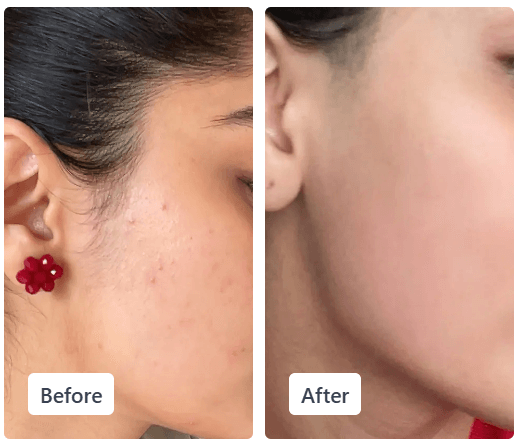
Frequently Asked Questions
Q. Is mandelic acid good for skin?
A. Mandelic acid may help exfoliate dead skin cells, improve uneven texture, and reduce the appearance of post-acne marks over time.
Q. Can mandelic acid help with acne marks?
A. Mandelic acid will not remove every type of acne scar, particularly indented or raised scars. It may help improve the appearance of post-inflammatory hyperpigmentation.
Q. How long does mandelic acid take to show results?
A. You may notice changes in skin texture over 4 to 12 weeks, depending on the formulation, consistency of use, sun protection, and the cause of the marks.
Q. Should you use mandelic acid in the morning or at night?
A. You can use it at either time if your dermatologist allows, but evening application may make it easier to fit into a simple routine.
Q. Do you need sunscreen when using mandelic acid?
A. Yes. Using broad-spectrum SPF 30 or higher daily to help protect your skin as exfoliating acids can increase your skin's sensitivity to the sun.
References
- Dayal S, Kalra KD, Sahu P. Comparative study of efficacy and safety of 45% mandelic acid versus 30% salicylic acid peels in mild-to-moderate acne vulgaris. J Cosmet Dermatol. 2020 Feb;19(2):393-399. doi: 10.1111/jocd.13168. Epub 2019 Sep 25. PMID: 31553119.
- Garg VK, Sinha S, Sarkar R. Glycolic acid peels versus salicylic-mandelic acid peels in active acne vulgaris and post-acne scarring and hyperpigmentation: a comparative study. Dermatol Surg. 2009 Jan;35(1):59-65. doi: 10.1111/j.1524-4725.2008.34383.x. Epub 2008 Dec 8. PMID: 19076192.
- Cambier, B.; Barragan Ferrer, D.; Huysmans, L.; Cambier, F.; Barragan Ferrer, J.M. Formulating Glycolic Acid: Balancing Penetration, Irritation, and Therapeutic Outcomes in Dermatology. Cosmetics 2026, 13, 164. https://doi.org/10.3390/cosmetics13040164
- American Academy of Dermatology. How to safely exfoliate at home. Last Updated: 2/6/2026
- Food and Drug Administration U.S. Alpha Hydroxy Acids | FDA. Last Updated: 11/22/2022
- Sarkar R, Ghunawat S, Garg VK. Comparative Study of 35% Glycolic Acid, 20% Salicylic-10% Mandelic Acid, and Phytic Acid Combination Peels in the Treatment of Active Acne and Postacne Pigmentation. J Cutan Aesthet Surg. 2019 Jul-Sep;12(3):158-163. doi: 10.4103/JCAS.JCAS_135_18. PMID: 31619887; PMCID: PMC6785964.
Disclaimer: This article is for general information only and is not a substitute for diagnosis or treatment from a qualified dermatologist. Follow your product label and your clinician’s advice, especially during pregnancy, breastfeeding, or when treating a diagnosed skin condition.
Editorial Standards
Clear Ritual has Strict sourcing guidelines to ensure our content is accurate and current. We rely on peer-reviewed studies, academic research institutions, and medical associations. We strive to use primary sources and refrain from using tertiary references. See a mistake? Learn More about our Editorial Standards.
Related Articles
Acne Mechanica: How Friction from Helmets, Masks & Tight Clothing Causes Breakouts
Published 17 July 2026
Acne and Diet: What’s the Real Link Between Food and Breakouts?
Published 21 July 2026

Acne on Cheeks: Causes, Treatment & What Actually Works
Published 17 July 2026
Acne on Neck: Why It Appears and How to Treat It by Cause
Published 10 August 2026