Hormonal Pimples: Causes, Symptoms & Best Treatments
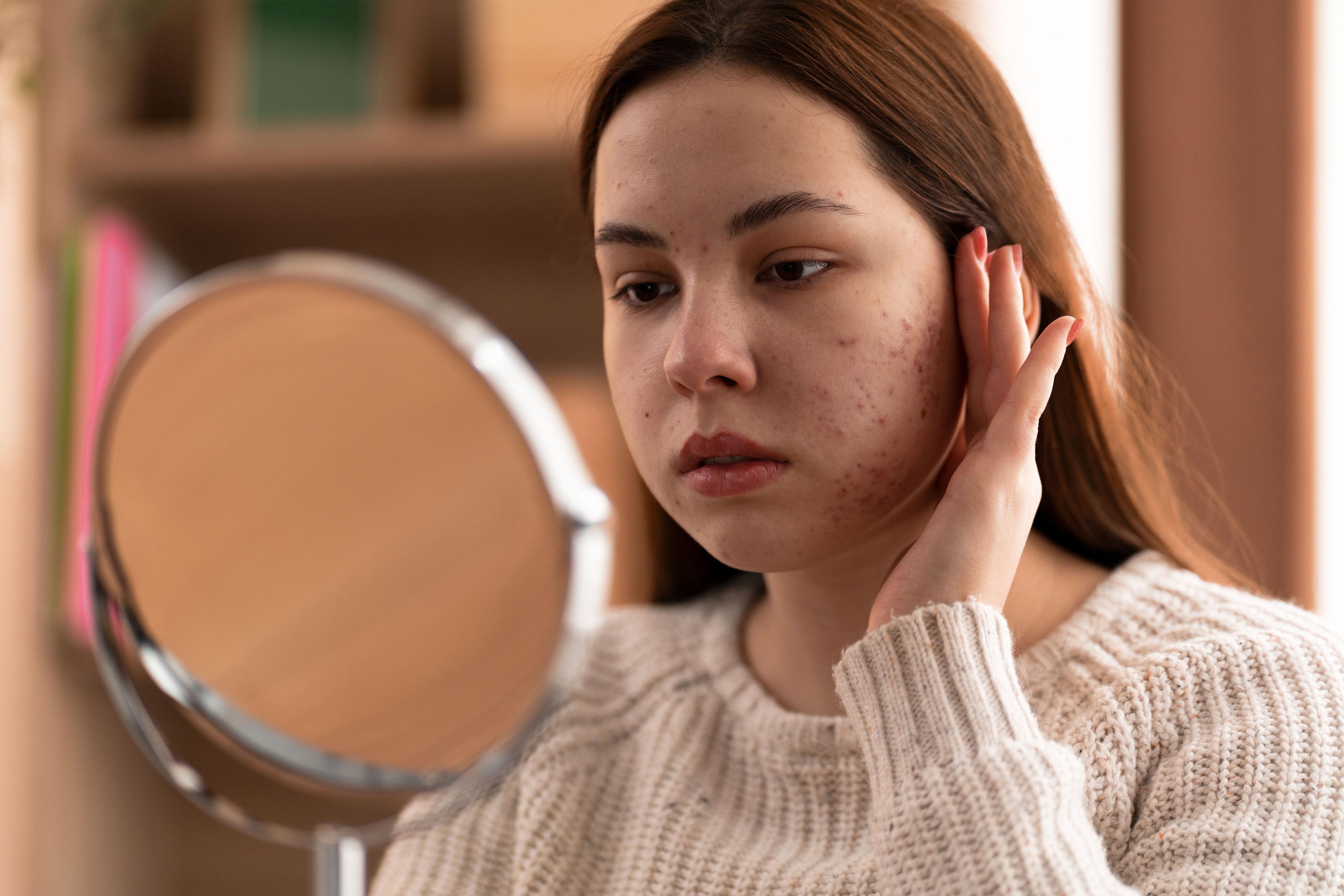
Hormonal pimples are deep, inflammatory breakouts that form when rising androgen hormones cause the skin's oil glands to overproduce sebum, trapping dead skin cells and bacteria inside the follicle. They typically appear along the jawline, chin, and lower cheeks, follow a cyclical pattern tied to your menstrual cycle, stress, or hormonal changes, and feel deeper and more painful than regular acne. Management focuses on gentle cleansing, barrier support, salicylic acid exfoliation, and lifestyle changes, with most people seeing improvement within 4 to 8 weeks.
- Form along the jawline, chin, and lower cheeks
- Follow a cyclical pattern tied to hormones or stress
- Appear as deep, painful cysts or nodules
What Are Hormonal Pimples? The Direct Answer
Not all pimples are the same, and if your breakouts cluster along your chin and jawline, return at the same time every month, and sit painfully deep under the skin, hormonal fluctuations are almost certainly the cause, not just bacteria or dirt.
Hormonal pimples are deep, inflammatory blemishes that form when rising androgen hormones signal your skin's oil glands to overproduce sebum. That excess oil traps dead skin cells inside hair follicles, creating an oxygen-poor pocket where bacteria multiply, and your immune system responds with the painful swelling you recognise as a cyst or nodule.
They differ from surface whiteheads or blackheads in three critical ways:
- Location: Lower face [jawline, chin, around the mouth] where androgen receptors are densest
- Depth: Below the skin's surface, in the dermal layer, not just the upper follicle
- Pattern: Cyclical, tied to your menstrual cycle, stress peaks, or hormonal life events like pregnancy
Most hormonal breakouts take 4 to 8 weeks of consistent management before you see measurable improvement. Understanding the root cause is the first step.
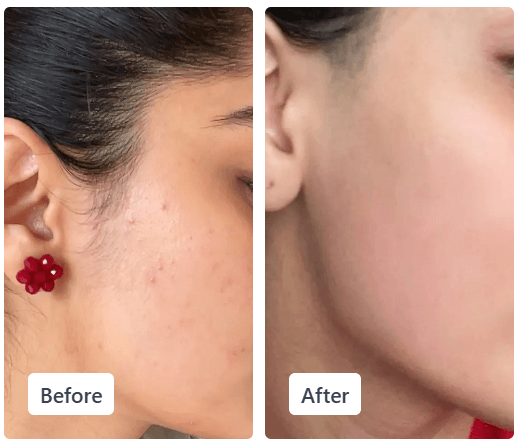
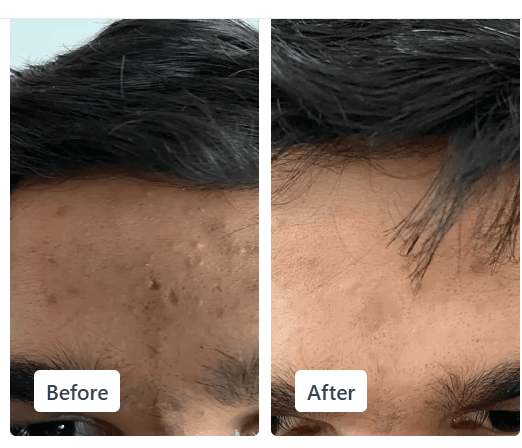
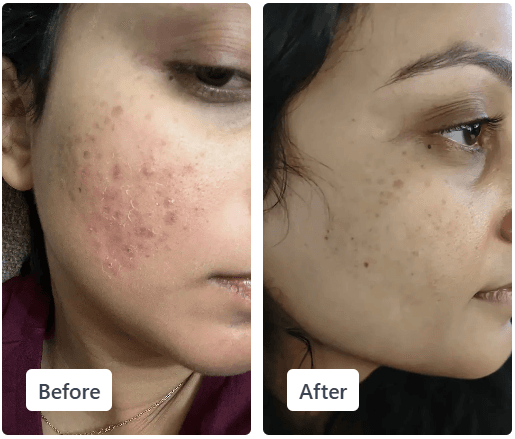
See real results, then start your own
Take the free Clear Ritual Skin Test and get a personalized routine built for your skin's unique patterns.
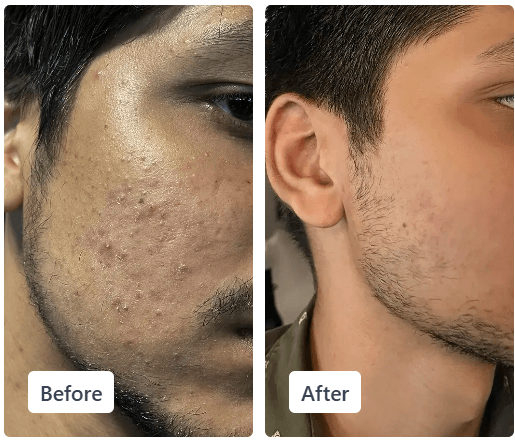
What Are Hormonal Pimples?
Hormonal pimples occur when fluctuating hormone levels increase sebum production and trigger inflammation in the skin. They typically appear along the jawline, chin, and lower cheeks, especially before menstruation, during pregnancy, or times of stress.
These breakouts form deeper in the skin than regular pimples and often feel tender to touch.
What Are Hormonal Pimples
Understanding Hormonal Acne
Hormonal pimples are inflammatory breakouts that develop when hormones directly influence your skin's oil glands. Unlike acne caused purely by bacteria or clogged pores, these blemishes originate from internal hormonal signals that tell your sebaceous glands to produce excess sebum.
The skin along your lower face contains more androgen receptors than other areas. When hormones like testosterone and its derivatives increase, these receptors activate and trigger the oil glands beneath.
The excess sebum mixes with dead skin cells inside the pore, creating an environment where inflammation develops deep within the follicle.
These breakouts differ from surface-level whiteheads or blackheads. They form as painful nodules or cysts that sit under the skin and take longer to resolve because the inflammation occurs deeper in the dermal layer.
See real results, then start your own
Take the free Clear Ritual Skin Test and get a personalized routine built for your skin's unique patterns.
Why Hormonal Pimples Develop
The Role of Hormones
Your endocrine system constantly produces and regulates hormones throughout your body. When certain hormones rise or fall beyond normal ranges, your skin responds.
Androgens represent the primary hormone group involved. Both men and women produce androgens, though at different levels.
These hormones stimulate the sebaceous glands to enlarge and produce more oil. When production exceeds what your pores can manage, the excess sebum becomes trapped.
Inside the blocked follicle, the oxygen-poor environment allows normal skin bacteria to multiply rapidly. Your immune system recognizes this bacterial overgrowth and sends inflammatory cells to the area.
This immune response causes the redness, swelling, and pain associated with hormonal pimples.
Common Triggers and Hormonal Fluctuations
Menstrual Cycle
Many people notice breakouts appearing 7 to 10 days before menstruation begins. During the luteal phase of your cycle, progesterone rises while estrogen drops.
This shift increases androgen activity relative to other hormones, stimulating more oil production.
Polycystic Ovary Syndrome (PCOS)
PCOS causes the ovaries to produce elevated androgens continuously. This hormonal imbalance commonly triggers persistent acne along the jawline, chin, and neck.
Pregnancy and Postpartum
Hormone levels change dramatically during pregnancy. Some people experience clearer skin as estrogen rises, while others develop increased breakouts when androgens spike during the first trimester.
Stress Response
Chronic stress increases cortisol levels, which can trigger androgen release and increase inflammation throughout the body and skin.
Dietary Influences
High glycemic foods and dairy products may contribute to hormonal acne severity in some individuals.
Recognizing Hormonal Pimple Patterns
Common Signs of Hormonal Acne
Hormonal breakouts follow predictable patterns that distinguish them from other acne types.
Common signs include:
- Breakouts concentrated along the jawline and chin
- Cyclical flare-ups tied to menstruation or stress
- Deep cysts or nodules rather than surface pimples
- Persistent inflammation lasting weeks
- Recurrent breakouts in the same locations
How Hormonal Pimples Affect Your Skin Barrier
Impact on Barrier Function
Chronic hormonal breakouts compromise your skin's protective barrier in multiple ways.
The excess sebum alters your skin's lipid composition, while ongoing inflammation damages the proteins that hold skin cells together.
This can lead to:
- Increased transepidermal water loss
- Dehydrated yet oily skin
- Microbiome imbalance
- Increased sensitivity and irritation
Over-cleansing and harsh skincare products can further damage the barrier and trigger rebound oil production.
What Helps Manage Hormonal Pimples
Gentle Cleansing Approach
Choose cleansers that remove excess sebum without stripping your skin barrier.
Supporting Barrier Function
Ingredients like ceramides, niacinamide, and hyaluronic acid help restore barrier integrity.
Reducing Inflammation
Consistent sleep, stress reduction, and balanced nutrition support lower inflammation levels.
Exfoliation Considerations
Chemical exfoliants like salicylic acid help unclog pores but should be used carefully to avoid barrier damage.
Avoiding Pore-Clogging Products
Avoid heavy oils, thick silicones, and overly occlusive products that can trap sebum inside follicles.
When to Seek Professional Guidance
Signs You Should See a Dermatologist
Professional support may be necessary if you experience:
- Persistent painful cysts
- Acne scarring or hyperpigmentation
- Sudden severe adult acne
- Irregular periods or other hormonal symptoms
- Acne affecting mental health or quality of life
A dermatologist can evaluate whether underlying hormonal conditions are contributing to your breakouts.
Hormonal Pimples vs Regular Acne: What's the Actual Difference?
Key Differences Between Hormonal and Regular Acne
| Feature | Hormonal Pimples | Regular (Non-Hormonal) Acne |
|---|---|---|
| Primary cause | Androgen-driven sebum overproduction | Bacterial overgrowth and clogged pores |
| Most common location | Jawline, chin, lower cheeks | Forehead, nose, cheeks |
| Blemish type | Deep cysts and nodules | Blackheads, whiteheads, pustules |
| Timing pattern | Cyclical | Random |
| Healing time | Weeks to months | Days to weeks |
| Main treatment focus | Hormonal balance and barrier support | Antibacterial and pore-clearing products |
Is Hormonal Acne the Same as Cystic Acne?
Understanding the Difference
Cystic acne refers to the type of lesion, while hormonal acne refers to the cause.
Most hormonal pimples present as cysts, which is why the terms are often used interchangeably.
However, non-hormonal cystic acne can also occur due to bacterial infections or comedogenic skincare products.
How Hormonal Pimples Form: A Step-by-Step Mechanism
Stage 1 [Androgen Spike]
Hormone fluctuations increase androgen activity in the body.
Stage 2 [Sebum Overproduction]
Sebaceous glands enlarge and produce excess oil.
Stage 3 [Follicle Blockage]
Excess sebum mixes with dead skin cells and blocks the follicle.
Stage 4 [Deep Inflammation]
The immune system responds with redness, swelling, pain, and cyst formation.
What the Research Says: Data on Hormonal Acne
Key Research Findings
Research shows that hormonal acne is one of the most common adult skin conditions, especially among women.
Key findings include:
- Acne affects approximately 50% of women in their 20s
- PCOS significantly increases androgen-related breakouts
- High-glycemic diets may worsen acne severity
- Stress and cortisol directly influence sebaceous gland activity
- Dairy intake may increase acne risk in some individuals
Practical Takeaways
- Hormonal acne is usually multi-factorial
- Diet, stress, and hormones all influence severity
- Lifestyle changes often improve symptoms over time
Best Skincare Ingredients for Hormonal Pimples
Salicylic Acid
Helps unclog pores and reduce inflammation.
Niacinamide
Supports the skin barrier and regulates sebum production.
Azelaic Acid
Targets bacteria and inflammation while supporting pigmentation recovery.
Retinoids
Retinoids improve cell turnover and prevent clogged follicles.
Ceramides and Hyaluronic Acid
Help strengthen and hydrate the skin barrier.
Ingredients to Avoid with Hormonal Pimples
Common Trigger Ingredients
Avoid:
- Coconut oil
- Heavy silicones
- Fragrance and essential oils
- Alcohol-heavy toners
- Sulphate-heavy cleansers
A Simple 4-Step Daily Routine for Hormonal Breakout-Prone Skin
Morning Routine
- Gentle cleanser
- Niacinamide serum
- Lightweight moisturiser
- SPF 30+
Evening Routine (Non-Exfoliation Nights)
- Gentle cleanser
- Ceramide moisturiser
Evening Routine (Exfoliation Nights)
- Gentle cleanser
- Salicylic acid serum
- Ceramide moisturiser
Retinoid Nights
- Gentle cleanser
- Retinol or adapalene
- Ceramide moisturiser
How Long Does It Take to Treat Hormonal Pimples?
Week 1-2: Initial Adjustment
Dryness or purging may occur as active ingredients increase skin turnover.
Week 3-4: Stabilisation
Existing breakouts begin flattening and healing more quickly.
Month 2-3: Visible Pattern Change
New breakouts typically become less frequent and less severe.
Month 4-6: Measurable Improvement
Consistent care often leads to a noticeable reduction in lesion count and inflammation.
A Holistic Approach to Hormonal Acne
Hormonal pimples rarely have a single cause. They develop from interactions between hormones, inflammation, stress, sleep, diet, genetics, and barrier health.
At The Clear Ritual, we combine Ayurveda, modern dermatology, and advanced skin science to understand individual trigger patterns through a structured The Clear Ritual Skin Test approach.
This helps create more targeted support rather than generic recommendations.
What This Means for You
Practical Next Steps
- Track your breakout patterns for at least 8 weeks
- Simplify your skincare routine before adding more actives
- Address one lifestyle trigger at a time
- Give skincare changes 10-12 weeks before evaluating results
- Seek professional guidance for severe or persistent cystic acne
Consistent skincare, barrier support, and lifestyle adjustments can significantly reduce hormonal breakouts over time.
How Clear Ritual Supports Personalized Skincare Decisions
Clear Ritual understands that hormonal pimples are more than a surface issue. They are shaped by genetics, skin renewal cycles, environmental factors, and the products you use.
Because hormonal pimples form when rising androgen hormones cause oil glands to overproduce sebum, trapping dead skin cells and bacteria inside the follicle and triggering deep inflammation, generic solutions rarely bring lasting improvement. Clear Ritual combines traditional wisdom and modern science to address the underlying causes of hormonal pimples.
The Clear Ritual Skin Test analyses your skin's unique patterns and daily influences to help identify the best routine for supporting healthy skin and reducing hormonal pimple recurrence.
See real results, then start your own
Take the free Clear Ritual Skin Test and get a personalized routine built for your skin's unique patterns.
Editorial Standards
Clear Ritual has Strict sourcing guidelines to ensure our content is accurate and current. We rely on peer-reviewed studies, academic research institutions, and medical associations. We strive to use primary sources and refrain from using tertiary references. See a mistake? Learn More about our Editorial Standards.
Related Articles
Does Sleeping Late Cause Acne? Sleep Timing and Breakouts Explained
Published 12 October 2026

Does Eating Mango Cause Acne? What the Evidence Actually Shows
Published 21 July 2026
Whey Protein and Acne: Why Gym Supplements Cause Breakouts
Published 21 July 2026
Coffee and Acne: Does Caffeine Trigger Breakouts?
Published 21 July 2026